
Keeping a dog or cat healthy runs on a PREVENTION CALENDAR (the yearly wellness exam, vaccines on your vet’s schedule, year-round parasite prevention, dental care, and weight kept lean), a WARNING-SIGN literacy that sorts symptoms into three honest tiers — emergency-now, call-this-week, and watch-at-home — and a RELATIONSHIP with one veterinary practice that knows your animal before the bad day arrives. Prevention is dramatically cheaper than treatment in both money and outcomes — the diseases that shorten pet lives most (dental disease, obesity-linked conditions, late-caught illness) are largely the preventable ones — and the owner’s real medical instrument is neither Google nor this guide but daily familiarity: you are the person equipped to notice “different,” and noticing early is half of every good outcome. This pillar is educational, not diagnostic — your veterinarian, who can examine your actual animal, outranks every paragraph below.
This is Pawspera’s complete health pillar — the guide behind our wellness and illness spokes: the prevention calendar item by item, the three-tier warning-sign triage (including the emergency list worth printing), body systems in plain language, parasite protection, dental truth, senior care, the anxiety-health connection, the first-aid shelf, and the honest money chapter — costs, insurance, and the economics of prevention.
Key Takeaways
- The yearly wellness exam is the system’s spine — twice-yearly for seniors — because animals hide illness and exams catch what hiding conceals.
- Learn the three tiers: emergency-now signs, call-this-week signs, and watch-at-home signs — triage literacy beats panic and beats delay.
- Parasite prevention runs year-round on your vet’s regional advice — fleas, ticks, and heartworm don’t read calendars.
- Dental disease is the most common condition vets diagnose — and the most quietly skipped prevention at home.
- Lean body condition adds healthy years — weight is the one health lever owners control completely.
- “Different” is your instrument: appetite, thirst, energy, bathroom habits — changes noticed early are prevention’s second half.

The Prevention Calendar (The Whole System on One Page)
YEARLY: the wellness exam (nose-to-tail physical, weight trend, and the bloodwork-and-fecal tier your vet recommends by age — baselines matter because trends diagnose earlier than single readings), the vaccine review (core vaccines on the schedule your vet sets — several run multi-year cycles now; the point is professional scheduling, not annual-by-default), and the diet-and-lifestyle conversation the nutrition pillar preps you for. Our vaccination guide and the cat-specific version cover the why in depth.
Also Read
-
Why Is My Cat Not Using the Litter Box? Medical First, Then the Box Audit

-
How to Give a Cat a Pill: The Escalation Ladder, the Chaser Rule, and the Exits

-
How to Brush Your Cat’s Teeth: The Three-Week Ladder and the Paste Law

-
How to Remove a Tick From a Dog: The Grip, the Folklore Ban, and the Watch Window
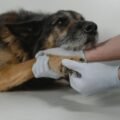
MONTHLY: parasite prevention on schedule (below), the two-minute body scan (hands over the whole animal — lumps, tenderness, coat changes, the hot-spot tier caught small), weight on the same scale, and the nail-ear-eye glance that doubles as handling practice. DAILY, invisible and most important: the feeding and bathroom observations meal-feeding makes automatic — appetite, thirst, stool, and energy are the four dials that report almost every developing problem first.
THE ONE-PRACTICE RULE that makes it all work: a single veterinary home means records, baselines, and a team that recognizes your animal — establish BEFORE emergencies (the new-client-with-a-crisis is the worst possible introduction), keep the after-hours emergency number posted per the standing fridge-list doctrine, and treat the preventive-services guide as the menu this calendar orders from.
The Emergency-Now List (Print This Section)
GO NOW — these do not wait for morning: difficulty BREATHING (open-mouth breathing in cats is an emergency, full stop), suspected BLOAT in dogs (unproductive retching, swollen tight abdomen, distress — minutes matter, large breeds especially), a MALE CAT straining unproductively in the litter box (urinary blockage kills within a day or two), collapse or fainting, SEIZURES (first-ever, cluster, or lasting past a couple of minutes), uncontrolled bleeding, known TOXIN ingestion (chocolate, xylitol, antifreeze, lilies for cats, medications — call poison control en route), heatstroke signs, major trauma even if the animal “seems fine” (internal injuries hide), an eye suddenly painful or bulging, and inability to stand.
THE HIDDEN-PAIN TRUTH that explains the list’s urgency: dogs and especially cats are wired to conceal weakness — by the time an animal shows obvious pain, it has usually carried the problem a while — which is why “probably nothing” is the least safe sentence in pet keeping and why the exam-room finding surprises so many owners.
THE EN-ROUTE PROTOCOL: call ahead (the ER that knows you’re coming preps), don’t medicate with human drugs (acetaminophen and ibuprofen are toxic to pets — the well-meaning painkiller is its own emergency), transport cats in carriers and injured dogs on a board or blanket sling, and bring the packaging of anything ingested — the label answers the questions that save time.
The AVMA’s exam-room walkthrough above shows exactly what the yearly visit checks and why — the professional half of the calendar this pillar builds around.
The Call-This-Week and Watch-at-Home Tiers
CALL THIS WEEK (soon, not sirens): appetite off for more than a day (for CATS, not eating for over a day is its own urgent tier — hepatic lipidosis risk — call sooner), increased thirst-and-urination (the classic early flag for several conditions), a new lump (most are benign; measurement and a needle sample settle it), limping past a day or two, repeated vomiting or diarrhea without blood, the scooting tier, ear shaking and head tilting, coughing that persists, and weight change you didn’t engineer — our signs-of-illness guide expands this list with the what-to-tell-the-vet notes.
WATCH AT HOME (with limits): the single vomit in an otherwise bright animal, one soft stool with a known dietary cause, a day of low energy after a big adventure — watched-at-home means TIME-BOXED: improvement within 24–48 hours or it promotes to a call, and any watch-tier sign PLUS lethargy, blood, or pain promotes immediately; the common-illnesses guide covers what each pattern tends to mean.
THE PHONE-A-PROFESSIONAL note: most practices triage by phone free, tele-vet services fill nights and weekends for is-this-urgent questions, and the photo-and-video habit (film the limp, the cough, the behavior — symptoms hide in exam rooms) makes every consult sharper; “different for more than a day” is always a legitimate reason to call, and no good practice resents the question.
Parasites, Year-Round (The Non-Negotiable Tier)
THE BIG THREE: FLEAS (misery plus tapeworms plus household infestations that take months to clear — prevention is cheaper than the war), TICKS (Lyme and a menu of regional diseases — the after-hike check is a habit, not a product), and HEARTWORM (mosquito-borne, potentially fatal, EXPENSIVE to treat in dogs and essentially untreatable in cats — which is why prevention is the whole strategy); intestinal parasites round out the list with the yearly fecal check.
THE REGIONAL-AND-LIFESTYLE calibration your vet runs: climate, travel, hiking exposure, and multi-pet dynamics all change the right product — and the COUNTERFEIT warning from the buying framework applies at maximum strength here: parasite preventives are a documented knockoff category; buy from the vet, the manufacturer, or verified pharmacies only.
THE INDOOR-PET MYTH, retired: indoor cats get fleas (they ride in on people and dogs), mosquitoes commute indoors, and “indoor-only” modifies the risk conversation without ending it — the schedule is your vet’s call, but “none” is rarely the professional answer.

Dental Truth (The Most-Skipped Prevention)
THE SCALE OF IT: dental disease is the most common condition veterinarians diagnose — most dogs and cats show it by early adulthood — and it’s not cosmetic: chronic oral infection means pain animals hide, tooth loss, and bacterial load that burdens organs; the “dog breath” joke is usually periodontal disease introducing itself.
THE HOME PROGRAM in honest order of effectiveness: BRUSHING (pet toothpaste only — never human; the dental guide runs the gradual-acceptance protocol) beats dental CHEWS (choose recognized-seal products, count the calories in the treat budget) beats water additives — and anything beats nothing, started young when acceptance is cheap, built like the cooperative-care training the training pillar teaches.
THE PROFESSIONAL TIER: veterinary cleanings under anesthesia when your vet stages them (the awake “anesthesia-free” scaling tier is cosmetic and can mask disease below the gumline — the honest paragraph the industry skips), with modern anesthesia protocols making age alone a poor reason to decline — the risk conversation is your vet’s, animal by animal.
Weight, Movement, and the Anxiety-Health Triangle
THE LEAN DIVIDEND, restated from the nutrition pillar because it belongs in both: excess weight links to joint disease, diabetes, and shorter lives, the body-condition check is monthly and manual, and movement is medicine — the arthritis guide covers the senior-mobility toolkit, where lean bodies and maintained muscle do more than most supplements.
THE MENTAL-HEALTH TIER, medical because it is: chronic stress and anxiety express physically (overgrooming, GI upset, litter-box lapses, immune effects), enrichment is preventive medicine (the sniff walks, puzzles, and vertical territory the training pillar prescribes), and the anxiety guide bridges the behavior-health line — with the standing rule that SUDDEN behavior change is a medical exam first, a training plan second.
THE ALLERGY WING, since it drives so many visits: itching, ear infections, and paw-licking form the classic presentation — the dog allergy guide and the broader allergy explainer cover flea-food-environmental triage, and the management honesty is that allergies are usually controlled rather than cured — a maintenance relationship with your vet, not a product purchase.

Life Stages (Puppy-Kitten, Adult, and the Senior Chapter)
THE YOUNG TIER: the vaccine series and parasite start your vet schedules, spay-neuter timing (breed- and size-dependent now — a genuine discussion, not a default date), pet-proofing per the household guides, and the handling-and-carrier conditioning that makes every future vet visit cheaper in stress — the puppy and kitten guides carry the full first-year map.
THE SENIOR CHAPTER (roughly 7+ for most dogs and cats, earlier for giants): exams go TWICE-yearly (six months is a long time at senior metabolism), bloodwork trends become the early-warning system, and the watch-list shifts — thirst changes (kidney and endocrine flags), stiffness (arthritis is underdiagnosed in cats especially — the cat who stops jumping is saying something), dental acceleration, and cognitive changes (night restlessness, confusion — manageable, worth reporting rather than retiring to “just old age”).
THE QUALITY-OF-LIFE HONESTY this chapter owes: senior care’s goal is comfortable, engaged years — ramps and rugs and warm beds are medical equipment, appetite and joy are trackable dials, and the hardest conversations go better with a vet who has known the animal for years — one more return on the one-practice rule this pillar opened with.
The Vet-Visit Playbook (Getting More From Every Appointment)
BEFORE: the symptom videos and the log’s relevant lines queued, the question list WRITTEN (three maximum, most-important first — appointments are short and memory under stress is shorter), food-and-meds names photographed, and the carrier-conditioned or car-happy animal arriving unstressed enough to show its real vitals rather than terror numbers.
DURING: say the weird thing (“this is probably nothing, but…” precedes half of veterinary medicine’s useful findings), ask “what would you watch for at home?” before leaving (the personalized watch-list beats any article’s), and get the plan in writing — doses, recheck dates, the improvement timeline — because the parking lot erases exam rooms.
AFTER: the log gets the visit’s numbers (weight especially — your trend line grows), the calendar gets the recheck before the car leaves the lot, and the household gets the one-paragraph brief so every adult runs the same plan — the multi-adult medication double-dose is a real and preventable genre of accident.
The First-Aid Shelf and the Money Chapter
THE SHELF, stocked once: the first-aid kit guide builds it (bandage tier, saline, tweezers for ticks, the digital thermometer, styptic, the muzzle-or-towel restraint honesty — hurt animals bite the people they love), the poison-control and after-hours numbers taped inside the lid, and the annual expiry check on the same calendar as everything else; first aid BUYS TIME to reach professionals — it never replaces them.
THE COSTS, honestly: routine years run modest and predictable (exam, vaccines, prevention), the emergency tier runs four figures fast — and the plan is chosen in calm: pet INSURANCE (buy young, before the pre-existing clock starts; understand what’s excluded), the self-insurance savings line for the disciplined, wellness plans that spread routine costs, and the credit options that exist for the worst day — any plan beats no plan, because the alternative is making medical decisions under financial panic.
THE PREVENTION ECONOMICS, closing the loop: the dental cleaning costs less than the extractions it prevents, the heartworm preventive costs a fraction of the treatment, the lean body defers the joint surgery — this entire pillar is, financially, a discount program; the calendar is how you enroll.
The Home Health Log (Your Half of the Chart)
THE LOG, one note on one phone: weight by month, the vaccine-and-preventive dates, any watch-tier incident with its date (“vomited once 3/12, normal by evening”), medication courses, and the video clips of anything odd — five entries a month, and suddenly the exam-room question “how long has this been going on?” has a real answer instead of a guess; trends are diagnosis’s favorite food, and owners control the trend data completely.
THE BASELINE PACKAGE worth writing down once while your animal is WELL: resting breathing rate (count it during sleep — the at-home heart-health number your vet will love you for having), normal gum color (lift the lip once so abnormal has a comparison), normal water intake (roughly, by bowl refills), and the eating pace — five minutes of observation that converts “something’s off” from a feeling into a report.
THE MEDICATION DISCIPLINE for when courses happen: finish the course (the stopped-early antibiotic is how infections rehearse), the pill-pocket and cooperative-care tricks the training pillar banked, the calendar alarm per dose — and the standing rule that no human medication crosses species without explicit veterinary instruction; the acetaminophen paragraph from the emergency section applies to every pill bottle in the house.
Households, Zoonotics, and the Shared-Health Honesty
THE SHARED-HEALTH LIST, practical not alarming: wash hands after litter duty (and pregnant household members delegate it entirely — the toxoplasmosis precaution obstetricians actually give), deworm and flea-prevent on schedule because several passengers ride both ways, keep raw-diet hygiene surgical if that choice was made, and skip the face-licking debate by keeping pet saliva away from broken skin — ordinary kitchen-grade hygiene covers nearly all of it.
THE MULTI-PET SICK PROTOCOL: the ill animal separates gently (own water, own litter, the quarantine honesty from the household guides), the others go on watch for the same signs, and the vet hears the whole-house picture — contagion questions change treatment plans, and “the other cat sneezed too” is exam-room gold. The wellness hub collects the condition-specific spokes this pillar can’t hold.

Frequently Asked Questions
How often should my pet see the vet?
Yearly wellness exams for healthy adults, twice-yearly for seniors (roughly 7+), plus the puppy-kitten series your vet schedules. Animals hide illness — exams and bloodwork trends catch what hiding conceals, and one consistent practice makes every visit smarter.
What are emergency signs in dogs and cats?
Go now for: breathing difficulty (open-mouth breathing in cats especially), bloat signs in dogs (unproductive retching, swollen abdomen), a male cat straining in the litter box, collapse, seizures, uncontrolled bleeding, toxin ingestion, heatstroke, major trauma, and inability to stand. Call ahead while you drive.
Do indoor pets need parasite prevention?
Usually yes — fleas ride in on people, mosquitoes (heartworm’s vector) commute indoors, and “indoor-only” modifies the risk conversation without ending it. The schedule is your vet’s regional call; buy preventives only from vet, manufacturer, or verified pharmacies — counterfeits are documented.
How important is dental care for pets really?
Dental disease is the most common condition vets diagnose — chronic pain and infection, not cosmetics. Brushing with pet toothpaste beats dental chews beats additives, anything beats nothing, and professional cleanings under anesthesia are staged by your vet; awake scaling is cosmetic only.
When is a symptom worth calling the vet about?
Use the tiers: watch-at-home signs get 24–48 hours to improve, then promote; appetite off more than a day (sooner for cats), new lumps, increased thirst, persistent limps, and repeated GI signs are call-this-week; anything plus lethargy, blood, or pain promotes immediately. “Different for more than a day” is always a legitimate call.
Is pet insurance worth it?
The honest answer: some financial plan is worth it, chosen in calm — insurance bought young (before pre-existing exclusions), a funded savings line, or a wellness plan. Emergencies run four figures fast, and the worst time to decide medicine is during financial panic.
The Bottom Line
Run the calendar, learn the three tiers, keep parasites and plaque and pounds off the board, give the senior years their doubled attention, stock the shelf, and pick your money plan before the bad day — prevention is the entire strategy, and your daily eyes plus one good vet are the whole system running.
Two closing notes the system depends on: SPAY-NEUTER belongs on the calendar as the health decision it is — timing is now breed- and size-individualized (large dogs often wait longer; your vet weighs the orthopedic and cancer trade-offs), so it’s a scheduled conversation, not a default date; and the MICROCHIP earns its health-pillar line because the lost pet is a health emergency wearing a logistics costume — chipped, registered, and CURRENT in the registry, checked at the yearly records refresh like everything else.
Your animal will hide it as long as instinct allows. The calendar, the scan, and the call are how you find it first.

Hello! I'm Khan Hisham, a dedicated student with a profound passion for enhancing the lives of pets through comprehensive care. At Pawspera, our mission—"Prospering Pets, Every Day"—drives everything we do. We are committed to providing the latest insights, tips, and products that ensure your pet's health and happiness. Join us at Pawspera as we explore innovative ways to care for our furry friends with love and dedication.