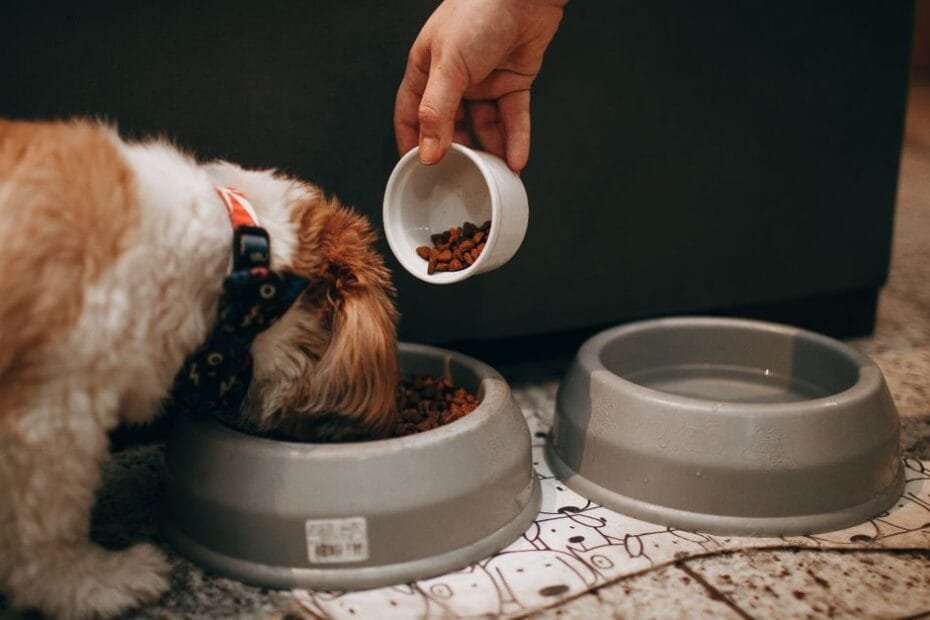
Feeding a dog or cat well comes down to four decisions made once and audited yearly: a COMPLETE-AND-BALANCED food proven by its AAFCO statement (the one line on the label that actually certifies nutrition), matched to the animal’s LIFE STAGE (growth, adult, senior — the same bag does not serve all three), portioned by BODY CONDITION rather than the bag’s generous chart (obesity is the most common nutritional disease in American pets), and adjusted only with your VETERINARIAN when health enters the picture. Cats add one non-negotiable: they are obligate carnivores — taurine and animal protein aren’t preferences but survival requirements — and everything else in the pet-food aisle’s marketing storm (grain-free, ancestral, boutique proteins) matters less than those four decisions executed consistently.
This is Pawspera’s complete nutrition pillar — the guide behind every food review on this site: species basics honestly explained, the label decoded line by line (AAFCO statements, the 95%/“with”/“flavor” naming rules, guaranteed analysis), life-stage feeding, the portion-and-body-condition system, wet versus dry versus fresh versus raw compared without ideology, the treats budget, the toxic-foods list for the refrigerator door, supplements graded honestly, and the transition protocol that protects every food change. One line before we start: this guide is educational — your veterinarian, who knows your animal’s chart, outranks it on every medical question.
Key Takeaways
- The AAFCO statement is the label’s only nutrition certification — find it before reading anything else on the bag.
- Cats are obligate carnivores: taurine and animal protein are survival requirements, never preferences.
- Feed the life stage: growth, adult, senior — and “all life stages” means formulated for puppies, calories included.
- Portion by body condition score, not the bag chart — ribs feelable, waist visible; obesity is the #1 nutritional disease.
- Treats live inside a 10% calorie budget — and the toxic list (chocolate, xylitol, grapes, onions) belongs on the fridge.
- Every food change runs the 7-day transition; every medical diet question runs through the vet first.
Species Basics (Dogs, Cats, and the Carnivore Line)
DOGS are flexible omnivore-leaning carnivores: they digest quality carbohydrates fine, thrive across a wide range of well-formulated diets, and their nutritional failures are usually EXCESS (calories, treats, table scraps) rather than deficiency — which is why the portion system below carries more weight than any premium-ingredient debate.
Also Read




CATS are OBLIGATE CARNIVORES, and the term is literal: they require taurine (deficiency causes heart disease and blindness), arachidonic acid, and pre-formed vitamin A — all from animal tissue — cannot be safely fed vegetarian, and need meaningfully more protein per pound than dogs; the practical consequences: never feed cats dog food (it’s taurine-deficient for them), and treat “my cat is fine on whatever” as luck, not evidence.
THE WATER FOOTNOTE that’s really a headline for cats: descended from desert hunters, cats run chronically low thirst drives and historically got moisture FROM prey — which is the main argument for wet food in feline bowls and for water fountains that make drinking interesting; hydration is kidney insurance in a species where kidney disease is the classic senior diagnosis.
The Label, Decoded (Five Lines That Matter)
LINE ONE — THE AAFCO STATEMENT, usually in fine print on the back: “[Food] is formulated to meet the nutritional levels established by the AAFCO [Dog/Cat] Food Nutrient Profiles for [life stage]” — or better, “animal feeding tests using AAFCO procedures substantiate…” (feeding trials outrank formulation math); no statement means the food is a SUPPLEMENT or treat, not a diet, whatever the front of the bag implies.
LINE TWO — THE NAME ITSELF, governed by naming law most owners never learn: “Chicken Cat Food” requires roughly 95% chicken; “Chicken DINNER/ENTRÉE/RECIPE” drops the bar to about 25%; “Cat Food WITH Chicken” needs only 3%; and “Chicken FLAVOR” requires only a detectable trace — four nearly identical shelf names, four completely different foods, one of the most useful ninety seconds of label literacy available.
LINES THREE TO FIVE: the GUARANTEED ANALYSIS (minimum protein/fat, maximum fiber/moisture — compare wet to dry only on a dry-matter basis, the classic apples-to-oranges trap), the INGREDIENT LIST (ordered by pre-cooking weight, which is why fresh meat’s water content floats it to the top — read the first five ingredients as a group, not the first word as a verdict), and the CALORIE STATEMENT (kcal per cup or can — the number the entire portion system runs on). The ultimate pet food guide and our dog and cat food reviews apply these five lines to specific bags.
The label walkthrough above comes from TexVetPets — the Texas Veterinary Medical Association’s owner-education channel — the credentialed version of exactly this section.
Life Stages (Growth, Adult, Senior)
GROWTH: puppies and kittens need calorie- and mineral-calibrated growth formulas (large-breed puppies specifically need controlled calcium for skeletal development — the one place breed size changes the bag), and the kitten feeding guide covers the meal-frequency ladder; “ALL LIFE STAGES” labels mean formulated to growth standards — fine for puppies, calorie-dense for couch-dwelling adults.
ADULT MAINTENANCE is the long middle where consistency wins: a settled complete-and-balanced food, portioned honestly, treats budgeted — and the brand-hopping instinct resisted (dogs don’t need menu variety; their gut flora prefers stability, which is what the transition protocol below exists to protect when change IS warranted).
SENIOR is a life stage without a legal definition — “senior formula” means whatever each brand decides — so senior feeding runs on the ANIMAL’s needs: many seniors need FEWER calories but MORE protein (muscle preservation), joint-support add-ins get graded in the supplement section, and the senior dog, senior cat, and elderly-cat guides pick specific bags — with the standing rule that any senior with a diagnosis (kidney, thyroid, diabetes) feeds the diet their VET prescribes, full stop.
Portions and Body Condition (The Anti-Obesity System)
THE BAG CHART IS A STARTING BID, calibrated generously (the company selling the food writes the serving suggestion): start there, then adjust to the BODY CONDITION SCORE — the hands-on check that outranks every chart: RIBS feelable under a light touch (not visible, not buried), a visible WAIST from above, a belly TUCK from the side; run it monthly, and adjust portions ten percent at a time.
THE MEASURING HONESTY: “a cup” means a level measuring cup, not the scoop-mug of family legend — portion creep through generous scooping is the quiet engine of pet obesity, and the cheap fixes (an actual measuring cup by the food bin, or a kitchen scale for the precision households) end it permanently. Meal feeding beats free-feeding for dogs and most cats — portions are controllable, appetite becomes visible health data, and the training engine gets its currency.
THE STAKES, stated once without lecture: excess weight in pets is linked to joint disease, diabetes, and shorter lifespans — the landmark lifetime study in Labradors found lean-fed dogs lived meaningfully longer — and the kindest sentence in this pillar is: food is not love’s only language; the walk, the game, and the training session speak it calorie-free.

Wet, Dry, Fresh, Raw (Compared Without Ideology)
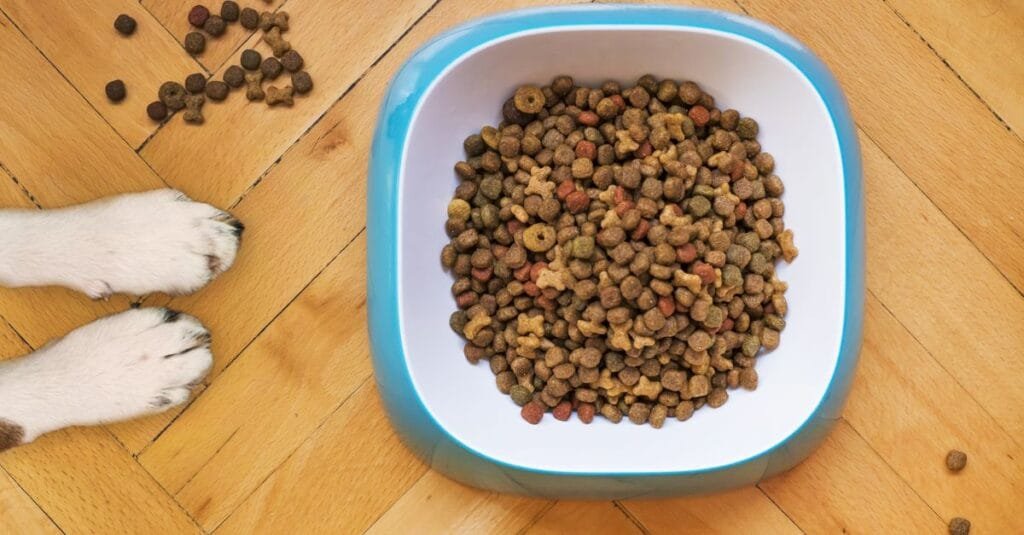
DRY earns its default status honestly: economical, convenient, storable (in an airtight container, in the original bag — the bag’s liner protects fats from oxidizing), and dental claims mostly overstated. WET wins hydration (the feline argument above), palatability for picky and senior animals, and portion precision — at higher cost and an open-can clock; the wet dog food and wet cat food guides compare brands, and the mixed-bowl compromise (dry base, wet topper) is the practical middle most households land on.
FRESH-COOKED subscriptions deliver genuine palatability and ingredient transparency at genuine expense — the honest verdict is “excellent if the AAFCO statement is present and the budget is real” — and HOME COOKING without a veterinary nutritionist’s recipe fails nutrient completeness so reliably that studies of online recipes found the vast majority deficient; if you cook, buy the professional formulation, not the blog recipe.
RAW gets the honest paragraph ideology skips: documented bacterial risks (salmonella and listeria shed in the home — a particular concern with children, elderly, or immunocompromised household members) against claimed benefits that remain largely anecdotal; major veterinary organizations advise against it, and households choosing it anyway should at minimum use commercially pathogen-controlled products and surgical kitchen hygiene — and discuss it with their vet openly rather than around them.
Treats, Toppers, and the Toxic List
THE 10% RULE: treats, chews, and toppers live inside ten percent of daily calories — beyond that they unbalance the complete diet doing the other ninety — and the calorie statement on treat bags gets the same reading as the food’s; the training-heavy household’s trick is paying from the daily kibble ration and reserving the jackpot tier for the recall wins.
THE TABLE-SCRAP TREATY, since prohibition fails in every real kitchen: safe shares in sensible amounts include plain cooked meats, carrots, green beans, blueberries, and plain pumpkin — served in the BOWL (begging is trained at the table, one dropped crust at a time) — while the fatty tier (trimmings, skin, gravy) risks pancreatitis in dogs and earns its place on the never list beside the toxins.
THE TOXIC LIST for the refrigerator door, the pillar’s one printable: CHOCOLATE (darker = worse), XYLITOL (the sugar-free sweetener in gums, candies, and some peanut butters — read that label — rapidly dangerous to dogs), GRAPES AND RAISINS (kidney failure, unpredictable doses), ONIONS/GARLIC/CHIVES (red-cell damage, both species), ALCOHOL and raw dough, MACADAMIAS, and cooked BONES (splinter hazard) — plus the caffeine tier. Any suspected ingestion: call your veterinarian or an animal poison-control line immediately with the label in hand; minutes matter with xylitol especially. The allergy guide covers the separate question of food sensitivities — itching and GI signs that warrant a vet-guided elimination diet, not a shelf guess.

Supplements, Graded Honestly
THE EVIDENCE TIER: OMEGA-3 FISH OIL carries the genre’s best data (skin, coat, joint, and inflammatory support — dosed to the animal, per the fish oil guide), and PROBIOTICS show real results for specific GI situations (antibiotic recovery, stress diarrhea — the probiotics guide covers strains and timing); both still merit the vet conversation, because dosing and product quality vary wildly in an unregulated market.
THE MIXED TIER: GLUCOSAMINE-CHONDROITIN for joints shows modest and mixed evidence — some animals visibly improve, many don’t, and the honest protocol in the joint guide and its duration companion is a defined trial with your vet and an honest stop if nothing changes. THE SKIP TIER: multivitamins ON TOP of complete-and-balanced food (the food already did the math — excess is its own harm, especially fat-soluble vitamins and minerals in growing large breeds).
THE UNIVERSAL SUPPLEMENT RULE: supplements are additions to a correct diet, never corrections of a wrong one — and any supplement bought to treat a SYMPTOM (limping, itching, lethargy) has the order backwards; the symptom sees the vet, and the supplement joins the plan if the vet writes it in.
Transitions, Storage, and the Feeding System
THE 7-DAY TRANSITION protects every food change: days 1–2 at 25% new, days 3–4 at 50%, days 5–6 at 75%, day 7 fully switched — slower for sensitive stomachs — because abrupt swaps are the most preventable cause of pet GI upset in existence; the healthy pet food guide pairs this with the signs that mean pause (vomiting, refusal, blood ever = vet).
THE STORAGE RULES that protect what you bought: dry food in its ORIGINAL BAG inside the airtight bin (the bag liner blocks oxidation; the bin blocks pests and humidity), used within about six weeks of opening for peak fats, scoop washed like a dish; wet food refrigerated covered and finished within the label’s window; and the bowl-washing habit daily — the biofilm on a “licked clean” bowl is the most-skipped hygiene item in pet keeping.
THE ANNUAL AUDIT that keeps the whole pillar current: at each yearly vet visit, confirm the life stage still fits, the weight trend and body condition score, and whether any new diagnosis changes the diet — ten minutes a year, and the four decisions this guide opened with stay correct as the animal’s life moves; our Complete Pet Care Guide holds the wider health calendar this audit lives in.
Feeding Through Real Life (Multi-Pet, Travel, and the Hard Weeks)
THE MULTI-PET TABLE: separate stations (visual separation for cats — a bold eater suppresses a shy one from across a room), meal-feeding so intake stays per-animal visible, the dog-proof cat station (elevated or gated — cat food’s richness is a dog magnet and a calorie bomb), and the medical-diet household’s hard rule: the prescription eater feeds behind a door, because “mostly separate” fails at exactly the diet that matters.
THE TRAVEL-AND-BOARDING protocol: pack the settled food in measured portions (boarding facilities’ house food plus stress is the classic vacation-diarrhea recipe), the written feeding card (amounts, times, the no-treats line) that survives the handoff, and the road-trip water note — bring home water or bottled for sensitive stomachs; new water sources are an underrated GI variable.
THE APPETITE-CHANGE TRIAGE, the section that earns the vet line: a MEAL skipped by a dog is noise; a DAY skipped is a call; and for CATS the bar drops hard — a cat not eating for more than a day risks hepatic lipidosis, a genuine emergency — while the opposite signal (sudden ravenousness in a middle-aged cat) flags thyroid checks; appetite is the most legible health data the bowl produces, which is meal-feeding’s quiet second job.
Feeding Well on a Real Budget
THE PRICE-PER-DAY MATH that reframes the aisle: divide bag price by days it feeds YOUR animal (the calorie statement makes this exact), and the spread between mid-tier and premium often shrinks to cents — while the jump from bottom-shelf to mid-tier is where the nutritional gains concentrate; the honest budget answer is the mid-tier complete-and-balanced food fed correctly, which outperforms the premium food overfed.
WHERE CHEAP IS FINE: store-brand foods WITH proper AAFCO statements are formulated to the same standards (several are manufactured in the same plants as name brands), plain-kibble treats, and DIY toppers from the safe-shares list (a spoon of plain pumpkin costs pennies). WHERE CHEAP IS RISKY: marketplace no-name treats and chews (the counterfeit-and-contamination tier), imported jerky of unclear origin (a documented illness history), and any food whose price requires skipping the AAFCO line — the one corner never worth cutting.
THE PORTION DIVIDEND, restated as economics: the most common feeding error — overfeeding — means most households can fund the mid-tier upgrade entirely from the food they’re currently overpouring; the measuring cup pays for the better bag, and the vet bills obesity was scheduling quietly cancel themselves, which makes correct portioning the rare upgrade with negative cost.
The Feedback Loop (What the Output Tells You)
THE STOOL READ, briefly and usefully: the healthy standard is formed, brown, and pick-up-able; a food CHANGE done right barely registers; soft serve during a transition means slow the schedule; and the vet-now tier is unambiguous — blood, black-tar color, repeated vomiting, or lethargy alongside anything. Owners who glance daily catch diet problems a week before scales and blood panels do.
THE COAT-AND-ENERGY READ on the slower clock: a correct diet shows up in four-to-eight weeks as coat gloss, stable energy, and steady weight — which is exactly the trial window for any food switch, and why the review-a-food-after-one-bag rule beats both the instant verdict and the endless benefit of the doubt. The vitamins guide and the supplement grades above plug into this same loop: change one variable, watch the same four weeks, and let the animal’s body render the verdict the marketing never could.

Frequently Asked Questions
How do I choose a good dog or cat food?
Find the AAFCO statement first (formulated or — better — feeding-trial tested for your animal’s life stage), match the life stage, read the first five ingredients as a group, and check the calorie statement. Everything else on the bag is marketing; those four lines are the food.
What does the AAFCO statement mean?
It’s the label’s only nutrition certification: the food either meets AAFCO nutrient profiles by formulation or passed AAFCO feeding trials for a named life stage. No statement means treat or supplement — not a complete diet, whatever the front of the bag says.
How much should I feed my pet?
Start at the bag chart’s low end, then adjust to body condition: ribs feelable under light touch, waist visible from above, belly tucked from the side — checked monthly, portions adjusted ten percent at a time, with a real measuring cup. The chart is the company’s bid; the body is the answer.
Is wet or dry food better?
Dry wins economy and convenience; wet wins hydration (a genuine health argument for cats), palatability, and portion precision. The mixed bowl — dry base, wet topper — is the practical middle. Whichever you choose, the AAFCO statement and life-stage match matter more than the format.
What foods are toxic to dogs and cats?
The fridge-door list: chocolate, xylitol (check sugar-free peanut butters), grapes and raisins, onions and garlic, alcohol and raw dough, macadamia nuts, cooked bones, and heavy fatty scraps (pancreatitis risk). Suspected ingestion: call your vet or an animal poison-control line immediately — with the label in hand.
Do pets need supplements?
On a complete-and-balanced diet, mostly no. Fish oil has the best evidence and probiotics help specific GI cases; joint supplements are a defined vet-guided trial; multivitamins on top of complete food are the skip tier. Supplements add to a correct diet — they never fix a wrong one, and symptoms see the vet first.
The Bottom Line
Certify with the AAFCO line, feed the life stage, portion to the body you can feel rather than the chart you were sold, budget the treats, tape the toxic list to the fridge, transition slowly, and audit yearly with the professional who knows your animal — four decisions, honestly kept, outperform every trend the pet-food aisle will invent this decade.
The marketing changes every season. Taurine, body condition, and the AAFCO statement don’t — feed to the constants.

Hello! I'm Khan Hisham, a dedicated student with a profound passion for enhancing the lives of pets through comprehensive care. At Pawspera, our mission—"Prospering Pets, Every Day"—drives everything we do. We are committed to providing the latest insights, tips, and products that ensure your pet's health and happiness. Join us at Pawspera as we explore innovative ways to care for our furry friends with love and dedication.