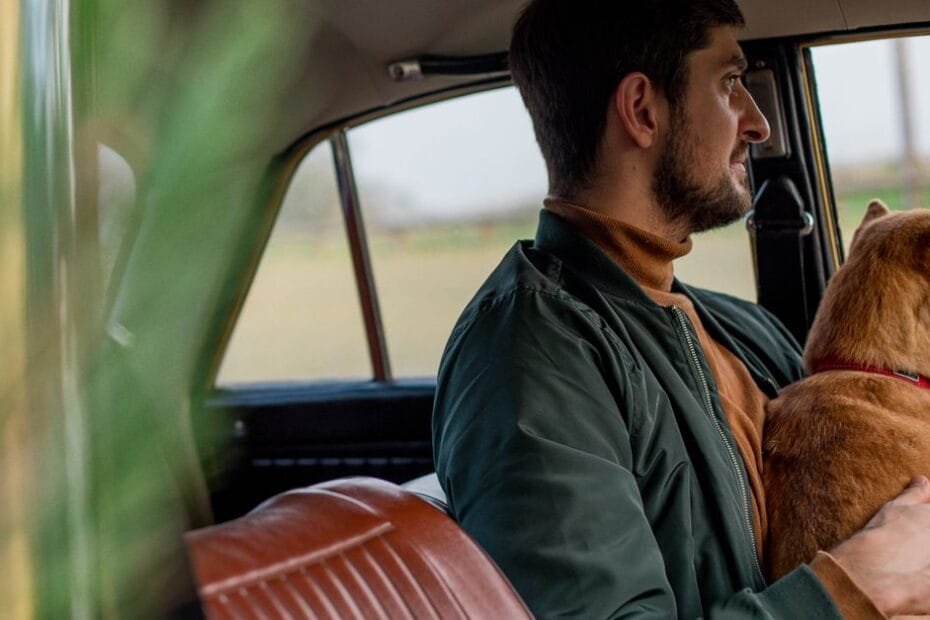
Pet disaster preparedness is one weekend project with three deliverables: a GO-KIT (five-plus days of food and water, medications, copies of records, a photo of you WITH your pet, leash, carrier, litter, first-aid basics — packed in a grab-and-carry container by the door), a PLAN (where you’ll evacuate TO — because many human shelters still can’t take pets, your plan is a pre-built list of pet-friendly hotels, boarding kennels, and out-of-area friends, plus a buddy-system neighbor who can grab your animals if disaster hits while you’re at work), and IDENTIFICATION that survives chaos (collar tags current, MICROCHIP registered to your current phone number — the single highest-value five-minute check in this entire guide, since shelters scan every intake and an unregistered chip is a dead end). The organizing rule, borrowed from every veterinary disaster team: IF IT ISN’T SAFE FOR YOU, IT ISN’T SAFE FOR THEM — pets left behind “for just a day” are the tragedy every hurricane season repeats, and the whole discipline of prep exists so that leaving them never feels like the only option.
This is the complete guide: the go-kit inventory item by item (dog, cat, and multi-pet calibrations), the evacuation-destination list you build on a calm Tuesday, the buddy system and the window decal debate, the microchip-and-ID audit, carrier and car readiness as trainable skills, the shelter-in-place variant (when the disaster is a blizzard, not a wildfire), the after-the-disaster reunion playbook, and the calendar habit that keeps the kit alive instead of expired.
Key Takeaways
- Three deliverables: a grab-and-go kit, a where-would-we-GO plan, and ID that survives separation.
- The rule: if it isn’t safe for you, it isn’t safe for them. Evacuate together, every time.
- Microchip registration — current phone number — is the highest-value five minutes in this guide.
- Five-plus days of food, water, and every medication, rotated twice a year so nothing expires.
- Carrier and car tolerance are trainable skills; the drill run beats the first-time-in-a-crisis debut.
- A buddy-system neighbor with a key covers the disaster that strikes while you’re at work.
The Go-Kit (Item by Item)
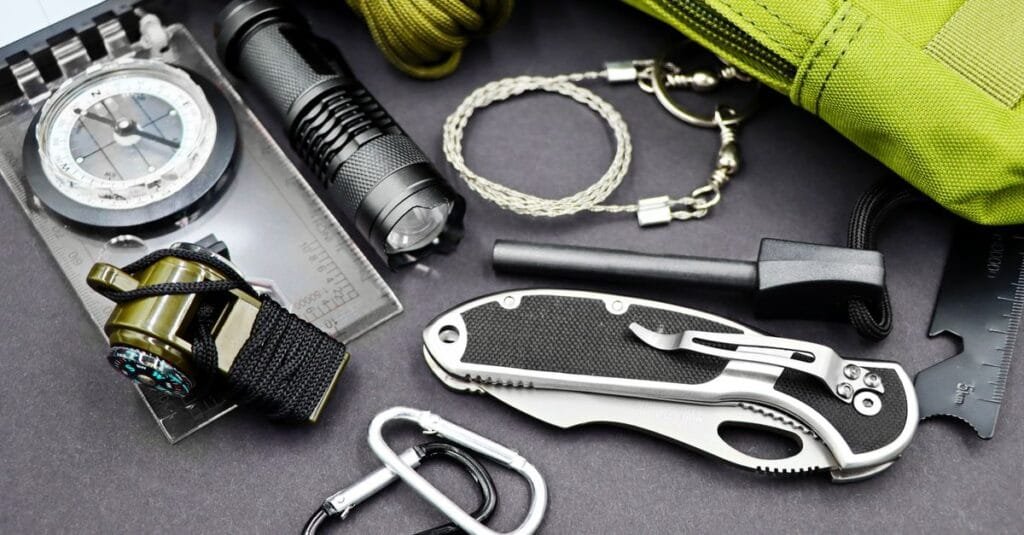
THE SURVIVAL CORE: five-to-seven days of food in an airtight, waterproof container (rotated — the calendar section below owns this), the same window of bottled water plus bowls (a gallon per large dog per day is honest math in heat), a manual can opener if any of it is cans, and EVERY medication with a copy of the prescription — the insulin-and-thyroid tier of pet owners should talk to their vet about a rotating backup supply, because pharmacies in a disaster zone are closed.
Also Read
-
How to Introduce a Kitten to Your Cat: Scent Diplomacy, the Barrier Ladder, and Cat Time

-
How Much Exercise Does a Dog Need? The Four Dials, the Sniff Economy, and the Settle Test

-
The Complete Pet Care Routine: Daily, Weekly, Monthly, and Yearly — The Four Loops

-
Why Do Dogs Eat Grass? Reasons, Risks & When to Worry (2026)

THE PAPER TIER, zip-bagged and waterproof: vaccination records (boarding facilities and emergency shelters REQUIRE proof, rabies above all), your vet’s contact, the microchip number, any medical-condition summary, and the underrated star — a printed PHOTO OF YOU WITH YOUR PET, which is both a lost-pet flyer and an ownership proof in one; phones die, and laminated paper doesn’t.
THE HARDWARE: sturdy leash plus a backup slip lead, the carrier per cat (never plan on a loose, terrified cat in a moving car — the carrier guide’s hard-sided tier earns its keep here), a litter tray with a bag of litter for cats, waste bags, a favorite-smell comfort item (one worn t-shirt of yours does more sedation than any product), a muzzle if your dog needs one under stress (pain and fear change dogs — no shame, just planning), and the pet first-aid kit this site already specced riding along as a module.
The video above is the American Veterinary Medical Association’s own “Saving the Whole Family” — the veterinary profession’s disaster-response guidance in eight minutes, and the source this guide’s rules are built on.
The Plan (Where Would You Actually GO?)
THE DESTINATION LIST, built on a calm Tuesday: two-or-three pet-friendly hotels along your likely evacuation routes (call and confirm the pet policy NOW, note the number), the boarding kennels and your vet’s boarding capacity one town over, the friends and relatives who’d take you WITH animals, and the county’s emergency-management page bookmarked — many regions now run pet-friendly shelters or co-located animal shelters, but “many” isn’t “yours,” and the disaster is a bad time to learn which.
THE BUDDY SYSTEM for the away-from-home disaster: a trusted neighbor with a key, who knows the animals, where the go-kit lives, and where you’ll rendezvous — reciprocate for their pets, drill it once (the pickup, the carrier grab, the meet point), and suddenly the scariest scenario in pet ownership (wildfire at 2 p.m. on a workday) has a script.
THE WINDOW-DECAL DEBATE handled honestly: the “pets inside” rescue decal helps first responders IF it’s current — and actively harms if it advertises three cats who moved out in 2023 (rescuers risk time searching); use one, keep it updated, and write the pet count in erasable marker rather than treating it as a tattoo.
ID That Survives Chaos (The Microchip Audit)
THE CHIP TRUTH: a microchip is only a number — its power is the REGISTRATION, and registries full of disconnected phone numbers are why chipped pets still go unclaimed after every major storm; tonight’s homework is one lookup (your chip’s registry via the universal lookup tools), one login, and one confirmation that the number rings YOUR current phone — five minutes, highest yield in the genre.
THE COLLAR LAYER: tags current (phone, not address — you won’t be at the address), the collar snug enough to stay on a panicked animal, and the harness note for dogs who slip collars under stress; cats wear breakaway collars with tags too, indoor-only included — disasters are precisely the day indoor cats end up outdoors.
THE PHOTO PROTOCOL: current photos of each pet from the side and face (markings visible), stored in your phone AND printed in the kit — post-disaster reunion boards run on photos, and “brown tabby, green eyes” describes four hundred cats per county.
Carrier, Car, and the Drill (Prep Is a Skill, Not a Box)
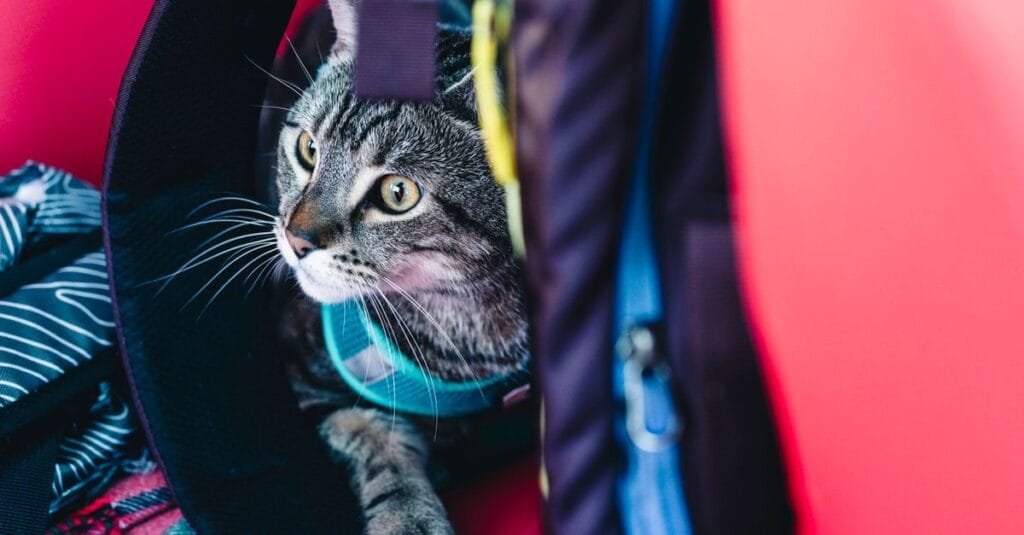
THE CARRIER PROJECT, standing rule of this site: the carrier lives out, open, fed-in, and neutral — the cat who bunkers under the bed at carrier-sight adds twenty minutes to an evacuation that may not have twenty minutes; the full protocol lives in the routine guide, and disaster-readiness is its most serious argument.
THE CAR LAYER: dogs who ride only to the vet learn car-equals-bad (the crate skills transfer directly to travel containment), so the fix is boring practice rides to nowhere; motion-sick pets get that conversation with the vet BEFORE the day the whole family drives six hours inland.
THE ANNUAL DRILL, thirty minutes that finds every hole: grab the kit, load the animals, drive around the block — you’ll discover the carrier that’s too small since the kitten grew, the expired food, the leash that migrated out of the kit, and the cat who needs the towel-wrap refresher; disaster teams drill because plans decay, and households are just small teams.
Shelter-in-Place and the Species Calibrations
THE STAY-HOME VARIANT (blizzard, heat emergency, boil-water order): the same kit serves — water is the star (fill bathtubs early, the water math doubles), food and meds ride the same five-day window, and the safe-room choice (interior, windowless for storms) gets the litter box and crate moved in BEFORE the weather peaks; a battery or crank radio and the pets’ comfort items turn a bad night into a manageable one.
THE CAT CALIBRATION: litter and tray in the kit (improvised boxes fail exactly when stress is highest), the carrier-per-cat rule absolute, and the hiding-cat contingency — know the three bunker spots and practice the retrieval, because evacuation countdowns are the worst possible time to negotiate with a cat under a king bed.
THE MULTI-PET AND SPECIAL-NEEDS TIER: kits scale per animal (and the car’s realistic capacity gets an honest look — the two-large-dogs-three-cats household may need the second vehicle in the plan), seniors and chronic patients get double medication depth plus their records flagged, and the exotics footnote (birds, reptiles, small mammals) is temperature: their disaster kit is heat packs, a blanket-covered travel cage, and speed.

After the Disaster (The Reunion and the Return)
THE SEPARATION PLAYBOOK: if the worst happens, work the system — the county’s emergency animal shelter and reunion boards, the microchip registry’s lost-pet flag, shelters within the evacuation radius visited in person every few days (photos in hand), and the neighborhood apps and posters at the home site; animals displaced by disasters have been recovered weeks later and miles away, and persistence is the documented difference-maker.
THE RETURN-HOME CAUTION: the property after a disaster is a hazard map at nose height — spilled chemicals, broken glass, downed lines, displaced wildlife, spoiled food in accessible trash — so pets stay leashed or contained for the first days home, and behavior gets grace: fear, clinginess, house-training regressions, and appetite dips are normal post-disaster responses that resolve with routine, the single most therapeutic thing you can restore.
THE STRESS-SIGNS LINE, YMYL-straight: a pet still not eating days after settling, hiding without breaks, or showing any injury-adjacent sign gets the vet visit — disaster stress is real, but it’s also excellent camouflage for the injuries and illnesses the chaos hid.
The Calendar Habit (Keeping the Kit Alive)
THE ROTATION SCHEDULE that defeats expiry: twice a year (clock-change weekends are the classic anchor), the kit opens — food and treats rotate into the pantry and get replaced fresh, water swaps, medications re-check dates, the records folder gets the latest vaccine certificates, and the photo updates if the puppy stopped being a puppy; fifteen minutes, twice a year, is the entire maintenance budget.
THE SEASONAL AWARENESS LAYER: hurricane-country households run the full audit at season’s start (June), wildfire regions before the dry months, blizzard country in October — and everyone watches the same forecast logic: by the time the emergency alert fires, the kit is either done or it’s too late to shop, because the store shelves empty in exactly the order your kit is written in.
THE FINAL REFRAME: none of this is doom planning — it’s the same ordinary-competence tier as smoke detectors, and it converts the worst day of pet ownership from improvisation into procedure; the household that drilled once loads the car in eight minutes, and the eight minutes is the whole point.

Frequently Asked Questions
What should be in a pet emergency kit?
Five-plus days of food and water with bowls, every medication plus prescription copies, waterproofed vaccination records, a printed photo of you with your pet, leash and backup, a carrier per cat, litter and tray, waste bags, a comfort item, and a pet first-aid kit — packed in one grab-and-carry container.
Where do you evacuate with pets?
To a list you built in advance: pet-friendly hotels along your routes (policies confirmed by phone), boarding kennels a town over, friends who’ll take animals, and your county’s pet-friendly shelters if it runs them. Many human shelters still can’t take pets — never assume.
Should I leave my pet behind in an evacuation?
No — the veterinary disaster-response rule is that if conditions aren’t safe for you, they aren’t safe for your pet, and “just a day” routinely becomes a week with blocked roads. The entire purpose of the kit and plan is that evacuating together is always the executable option.
How do I make sure my lost pet can be returned after a disaster?
Microchip registered to your CURRENT phone number (check tonight — it’s five minutes), current collar tags with a phone number, and side-and-face photos printed in the kit. After separation: registry lost-pet flags, county reunion boards, and in-person shelter visits with photos, repeated.
How often should I update a pet emergency kit?
Twice a year on the clock-change weekends: rotate food and water, re-check medication dates, refresh records and photos, and re-confirm the window decal’s pet count. Hurricane, wildfire, and blizzard regions add a full audit at their season’s start.
How do I prepare my cat for an emergency evacuation?
Make the carrier furniture now — open, fed-in, neutral — keep litter and a tray in the kit, know your cat’s three hiding spots and practice calm retrieval, and use a breakaway collar with tags even indoors: disasters are exactly the day indoor cats end up outside.
The Bottom Line
Build the kit this weekend, write the destination list on a calm Tuesday, audit the microchip tonight, make the carrier boring and the car familiar, drill once a year, rotate twice, and hold the one rule above everything: the whole family evacuates together, or the plan wasn’t finished yet.
Eight calm minutes to load the car — that’s what all this buys. The day you need it, it will be the best purchase this site ever recommended.

Hello! I'm Khan Hisham, a dedicated student with a profound passion for enhancing the lives of pets through comprehensive care. At Pawspera, our mission—"Prospering Pets, Every Day"—drives everything we do. We are committed to providing the latest insights, tips, and products that ensure your pet's health and happiness. Join us at Pawspera as we explore innovative ways to care for our furry friends with love and dedication.