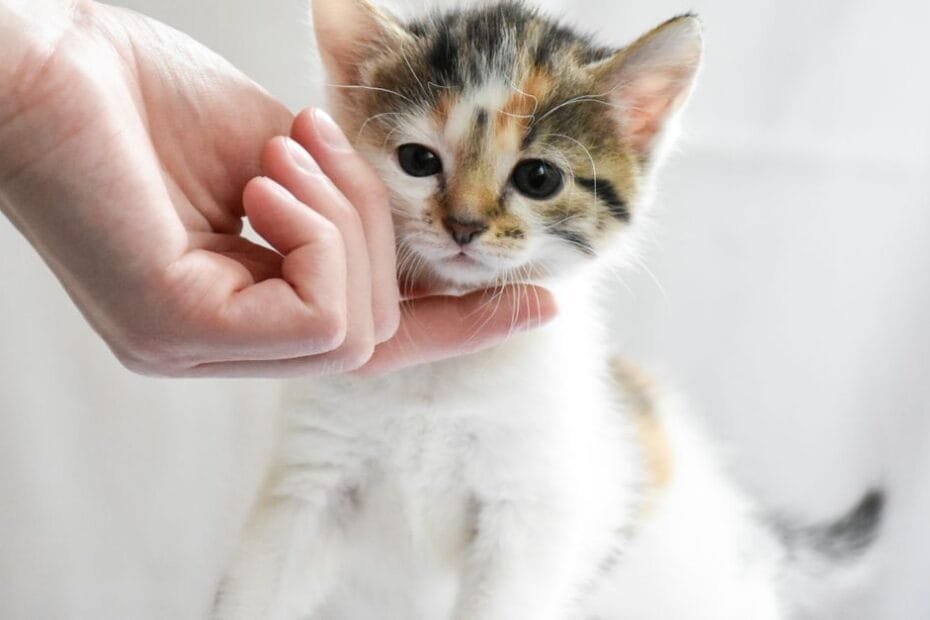
You socialize a kitten by making deliberate, POSITIVE deposits across every category of experience the adult cat will ever meet — hands, strangers, children, dogs, carriers, cars, vacuums, nail trims, vet tables — during the window when the kitten’s brain files new things as “normal” instead of “threat,” and that window is brutally early: the prime socialization period runs roughly TWO TO SEVEN WEEKS of age (mostly the breeder’s or foster’s watch), stays workable through about fourteen weeks, and then closes into the slow-remodeling project adult ferals demonstrate. The method is the same at every age — pair the new thing with food at an intensity the kitten can eat through, let the kitten CHOOSE to approach, never force the encounter — but the exchange rate collapses with time: what costs one churu at eight weeks costs a month of patience at eight months.
This is the complete socialization guide: the window explained honestly (what you control and what the foster already wrote), the checklist of experience categories with the handling drills that matter most, the food-pairing method that runs the whole program, sounds and surfaces and strangers, the carrier-and-car project, the shy-kitten and feral-spectrum protocols, the single-kitten note, and the red flags that separate a shy starter from a kitten who needs a behavior plan.
Key Takeaways
- The prime window is two-to-seven weeks; workable through ~fourteen. Start the day the kitten arrives.
- The method is one sentence: new thing + food the kitten can eat through + the kitten’s choice to approach.
- Handling drills (paws, ears, mouth, belly, carrier) are deposits the vet, groomer, and future-you withdraw for life.
- Variety beats intensity — many short, easy exposures out-build one overwhelming field trip.
- Never force: the flooded kitten files the opposite lesson. Retreat is allowed; the food bar just moves closer.
- Hissing shy kittens are normal starters; a kitten who won’t eat near people at all needs the feral-protocol pace.
The Window (What It Is and Isn’t)
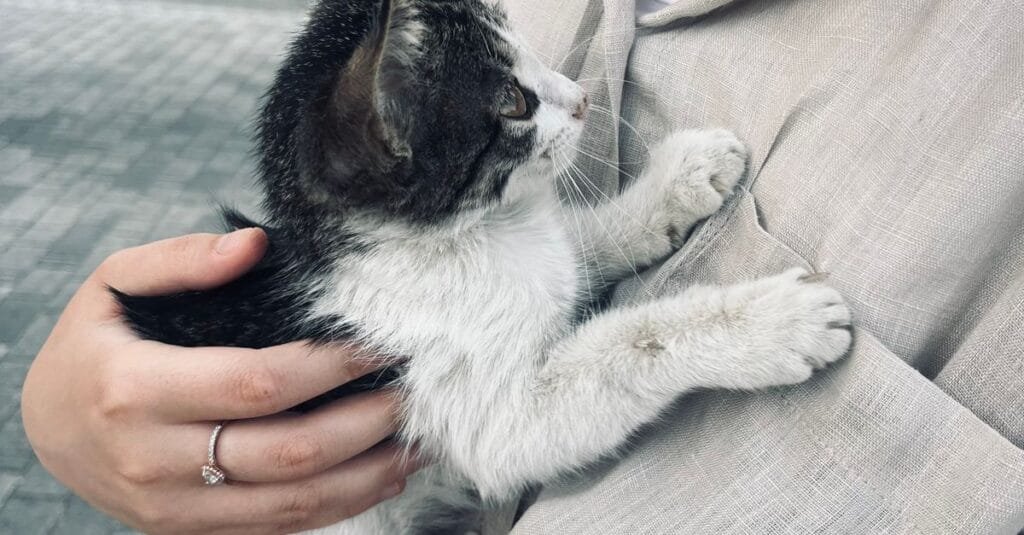
THE BIOLOGY, stated plainly: between roughly two and seven weeks, a kitten’s brain treats novelty as information — things met with food and calm get filed as furniture; after the window, novelty defaults toward suspicion and every “normal” must be argued for instead of assumed — which is why the friendliest adult cats are almost always the ones somebody handled early, and why the eight-week-old you adopt arrives with most of the window already spent by whoever raised it.
Also Read
-
How to Stop a Cat Scratching Furniture: The Reroute, the Placement Law, and the Specs

-
How to Crate Train a Dog: The Four Stages, the Whining Tree, and the Physiology Table

-
Back to School With Pets: The Two-Week Taper, the Alone-Time Rebuild, and the Distress Line

-
The Complete Dog & Cat Training Guide: Positive Reinforcement That Works

WHAT THAT MEANS AT ADOPTION: you inherit a balance, not a blank slate — the well-fostered kitten arrives pre-loaded (your job is maintenance deposits), the barn kitten arrives overdrawn (your job is the shy protocol below) — and the honest question for any breeder or rescue is “what has this kitten already MET?”, which predicts the adult cat better than any coat color or breed story.
THE DEADLINE’S SOFT EDGES: the window narrows rather than slams — adolescents still learn fast, adults still learn (the introduction protocol is adult socialization in slow motion), and even hard-case ferals remodel over months — but the exchange rate is the whole argument for starting the day the kitten crosses your threshold, not after settling-in week.
The video above is Kitten Lady — Hannah Shaw, the foster-education standard — working actual hissy feral kittens through the food-forward protocol this guide runs; watch her hands move at the kitten’s pace, never the calendar’s.
The Method (One Rule, Applied Everywhere)
THE FOOD-PAIRING ENGINE: every new experience arrives WITH food the kitten values (lickable treats are the genre’s power tool — a churu turns any encounter into a picnic), at an intensity low enough that the kitten keeps eating — eating is the meter: a kitten eating is a kitten coping, a kitten who stops eating just told you the dial is too high, and the fix is distance or volume, never insistence.
THE CHOICE CLAUSE: the kitten approaches the new thing, never the reverse — the hand rests on the floor and lets the kitten close the gap (per the hands-law the toy guide enforces: hands are for affection, not ambush), the stranger sits and ignores, the vacuum stands OFF across the room before it ever runs — because approach the kitten chose builds confidence, and approach imposed builds the exact wariness you’re spending to prevent.
THE SESSION MATH: many-short-easy beats one-big — five two-minute exposures across a day out-build a single twenty-minute gauntlet, every session ends on a win (eating, playing, or calm — then done), and the weekly rhythm rotates categories from the checklist below so the deposits spread instead of stacking in one account.
The Handling Drills (The Highest-Value Deposits)
THE DAILY BODY AUDIT, thirty seconds, food flowing: touch PAWS (press gently to extend claws — the future nail trim), stroke EARS and look inside, lift the LIP for a tooth glance (the brushing project’s down payment), run hands down body and TAIL, and a brief gentle BELLY touch — each touch a half-second at first, each followed by the treat, building to the kitten who treats full handling as background weather.
WHY THESE FIVE: they are exactly the touches the veterinarian, the groomer, and the medicating owner will need for the next fifteen years — the adult cat who accepts paw-handling gets nail trims instead of sedation quotes, the mouth-tolerant cat gets teeth brushed and pills given, and every one of those futures is purchased this month for the price of treats.
THE RESTRAINT REHEARSAL, gentle tier only: brief holds (ten seconds, released BEFORE the wiggle wins — release must be your idea), the towel-wrap introduced as a game, and being picked up paired relentlessly with good things — the cat who tolerates lifting is the cat you can evacuate in an emergency, and that sentence alone justifies the drill.
The Checklist (Categories to Cover)
PEOPLE VARIETY: men and women, tall and small, hats and beards and glasses, DELIBERATE gentle-children exposure (coached: sit, still hand, kitten approaches) — because “socialized to its one quiet owner” is the classic gap that surfaces as the cat who vanishes when guests arrive; every visitor to the house this month is an unpaid socialization contractor — hand them a churu at the door.
SOUNDS AND SURFACES: vacuum (off, then distant, then running — food throughout), doorbell, blender, thunderstorm recordings at low volume, crinkly bags, and floor variety (carpet, tile, the terrifying hardwood) — plus the CAR: engine-off sits in the carrier, then driveway idles, then five-minute loops, so the only car ride of the year isn’t also the vet ride.
THE CARRIER PROJECT, run as furniture: carrier lives OPEN in the living room permanently, meals migrate into it, naps happen in it — per the exact protocol the routine guide installs — and OTHER ANIMALS: calm, vaccinated, kitten-tolerant dogs and cats only, through the gradual staging the introduction guide owns; one bad dog encounter in the window can write a lifetime of dog opinion, so curate the cast ruthlessly.
The Shy Kitten and the Feral Spectrum
THE SHY STARTER (hides, hisses, but eats near you): shrink the world — one small room, a den box they’re allowed to keep, and YOU as the food source sitting quietly at the eating distance, moving the bowl inches closer across days; the hiss is a kitten’s only big word (it means “scared,” not “mean”), the litter setup stays inside the small territory, and most shy starters convert within two weeks of predictable meals.
THE FERAL-SPECTRUM PROTOCOL (won’t eat with you visible): start below zero — food appears while you’re present-but-far, distance closes by feet per day, the first contact is a baby-food spoon extended long before a hand, and play (the wand from across the room) often unlocks the kitten food can’t; the timeline is weeks, the wins are inches, and Kitten Lady’s video above is the visual syllabus for exactly this tier.
THE HONEST BOUNDARY: a truly feral ADULT is a different project with different goals (outdoor-working-cat placements exist for a reason), a feral-born kitten past fourteen-ish weeks is a long remodel that may plateau at “affectionate with family, invisible to guests” — a fine cat, honestly described — and rescue burnout lives in the gap between that truth and the lap-cat promise; set the goal the kitten in front of you can actually reach.
Red Flags, the Single-Kitten Note, and the Payoff Audit
VET-FIRST FLAGS: the kitten who WON’T eat at all (appetite is the whole engine — a non-eating kitten is a medical case tonight, not a training case), lethargy wearing a shyness costume, and pain-flinching mistaken for handling-avoidance — rule out the body before diagnosing the personality, per this site’s standing order of operations.
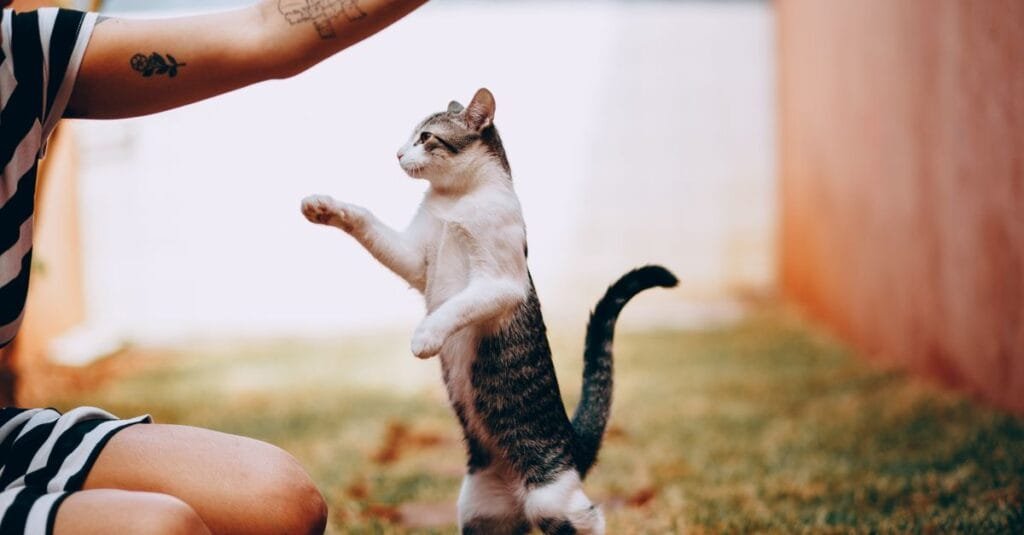
THE SINGLE-KITTEN NOTE: littermates teach bite calibration and social fluency no human can — the two-kitten adoption is the cheat code the toy guide already argued — and the singleton’s human inherits the curriculum: more play sessions, the hands-law enforced perfectly, and ideally scheduled playdates with a tolerant adult cat or kitten-savvy friend’s pet to keep the social muscles growing.
THE PAYOFF AUDIT, because motivation flags in week three: the socialized kitten becomes the cat who greets guests instead of haunting the box spring, rides to the vet without a soundtrack, accepts the pill and the nail trim and the toothbrush, and weathers moves and babies and renovations as events rather than traumas — a decade-plus of easier ownership, purchased in a few weeks of churu-funded field trips; no other investment on this site compounds like it.
Frequently Asked Questions
What is the socialization window for kittens?
Roughly two to seven weeks of age is prime — when novelty gets filed as normal — staying workable through about fourteen weeks. Adopters of eight-week-olds inherit whatever the foster already deposited, so start maintenance the day the kitten arrives.
How do you socialize a kitten to people?
Food-paired, kitten’s-choice exposure: visitors sit, ignore, and offer lickable treats at floor level while the kitten closes the gap. Rotate people variety — men, women, children coached to stillness — in many short sessions that each end on a win.
How do you socialize a scared or hissing kitten?
Shrink the world to one room with a den box, become the predictable food source, and close the distance by inches across days — the hiss means scared, not mean. A kitten who won’t eat near you at all runs the slower feral-spectrum protocol of present-but-far feeding.
Can you socialize a kitten after 14 weeks?
Yes, but the exchange rate worsens — what the window gives for free must now be earned in weeks of food-paired patience, and a feral-born teen may plateau at family-only affection. Progress is real at any age; the timeline is just honest about being longer.
What handling should I practice with my kitten?
The daily thirty-second body audit with treats flowing: paws (extend claws gently), ears, lip-lift, tail, brief belly, plus ten-second holds released before the wiggle. These are exactly the touches vets, groomers, and future medication days will need for fifteen years.
Should kittens meet dogs during socialization?
Yes — curated ones: calm, vaccinated, kitten-tolerant dogs through gradual barrier-staged introductions with food throughout. One bad encounter inside the window can write a lifetime of dog fear, so audition the cast ruthlessly and keep every meeting escapable.
The Two-Week Adoption Sprint (A Day-by-Day Shape)
DAYS 1–3: one room, food from your hand or bowl-beside-you, handling limited to what the kitten initiates — the deposits are “this place is safe” and nothing else. DAYS 4–7: the body-audit drills begin at one-touch-per-treat, the carrier opens for meals, and household sounds run at low volume from the next room.
WEEK TWO: the map expands a room at a time, the first coached visitor sits on the floor with a churu, the car does its engine-off sit, and the nail-trim rehearsal claims one claw per day — by day fourteen the average kitten has met most of the checklist’s easy tier, and the calendar you’re really racing (the window) got its best two weeks; the shy starter runs this same shape at half speed, and the schedule bends to the kitten, never the reverse.
The Bottom Line
Start the day the kitten arrives, run every new thing through food-plus-choice at eating-speed intensity, drill the five handling touches daily, work the checklist — people variety, sounds, carrier, car, curated animals — in short sessions that end on wins, give the shy and feral tiers their honest slower clocks, and let the vet rule out the body before you diagnose the personality.
The window is short and the dividends run fifteen years. Few hours of churu diplomacy now, or a decade of apologizing to guests about the cat under the bed — the kitten is ready when you are.

Hello! I'm Khan Hisham, a dedicated student with a profound passion for enhancing the lives of pets through comprehensive care. At Pawspera, our mission—"Prospering Pets, Every Day"—drives everything we do. We are committed to providing the latest insights, tips, and products that ensure your pet's health and happiness. Join us at Pawspera as we explore innovative ways to care for our furry friends with love and dedication.