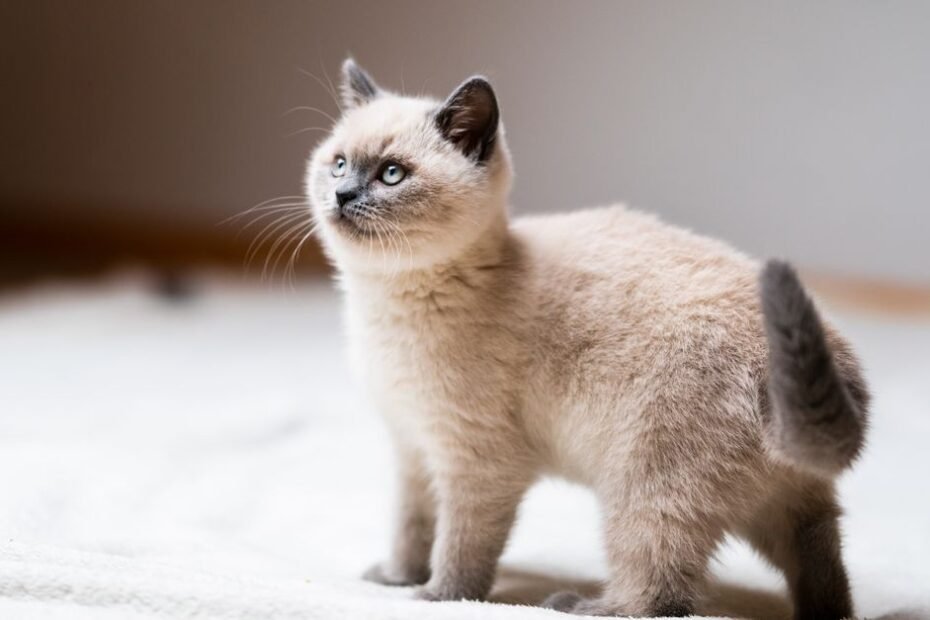
To litter train a kitten, choose a low, easy-to-enter litter box, place it in a quiet, accessible spot, and gently place your kitten in it after meals and naps — then reward them for using it. Most kittens learn quickly because the instinct to bury their waste is natural. With the right setup, consistency, and patience, litter training a kitten is usually one of the easiest parts of pet parenthood.
Bringing home a new kitten is exciting, and the good news is that kittens are naturally inclined to use a litter box. Your job is mostly to set things up correctly and gently guide them. This step-by-step guide covers everything you need — from choosing the right box and litter to handling accidents — so your kitten is reliably litter trained in no time.
When to Start Litter Training
Kittens can usually begin learning to use a litter box around three to four weeks of age, and by the time most kittens go to a new home (around eight weeks), they often already have the basics down from watching their mother. If you’ve adopted a young kitten, you can start right away. The instinct to dig and bury is strong, so litter training is less about teaching and more about providing the right opportunity and gentle guidance. Starting early and being consistent sets your kitten up for lifelong good habits.
Also Read
-
How to Introduce a Kitten to Your Cat: Scent Diplomacy, the Barrier Ladder, and Cat Time

-
How Much Exercise Does a Dog Need? The Four Dials, the Sniff Economy, and the Settle Test

-
The Complete Pet Care Routine: Daily, Weekly, Monthly, and Yearly — The Four Loops

-
Why Do Dogs Eat Grass? Reasons, Risks & When to Worry (2026)

Choose the Right Litter Box
The right box makes all the difference for a small kitten. Choose one with low sides so your kitten can climb in and out easily — a high-sided box can be a real barrier for tiny legs. It should be roomy enough for them to turn around comfortably, but not overwhelming. Avoid covered boxes at first, as some kittens find them confining or scary. A simple, open, low litter box is ideal. As your kitten grows, you can upgrade to a larger box.
Choose the Right Litter
Pick a litter that’s safe and appealing for kittens. Many experts recommend a soft, unscented, non-clumping litter for very young kittens, since curious kittens sometimes taste their litter and clumping types can be harmful if ingested. Unscented is best because strong fragrances can put kittens off. Once your kitten is a bit older (around three to four months), you can transition to clumping litter if you prefer. A gentle, fine-textured unscented litter is comfortable on little paws and encourages use.
Where to Place the Litter Box
Location matters. Put the litter box in a quiet, low-traffic, easily accessible spot where your kitten feels safe but can still get to it quickly. Avoid placing it next to their food and water, as cats instinctively dislike eliminating near where they eat. Keep it away from loud appliances and busy areas. For a small kitten in a big house, start by confining them to a smaller area so the box is always nearby, then expand their space as they reliably use it. Easy access is key while they’re learning.
How to Litter Train Step by Step
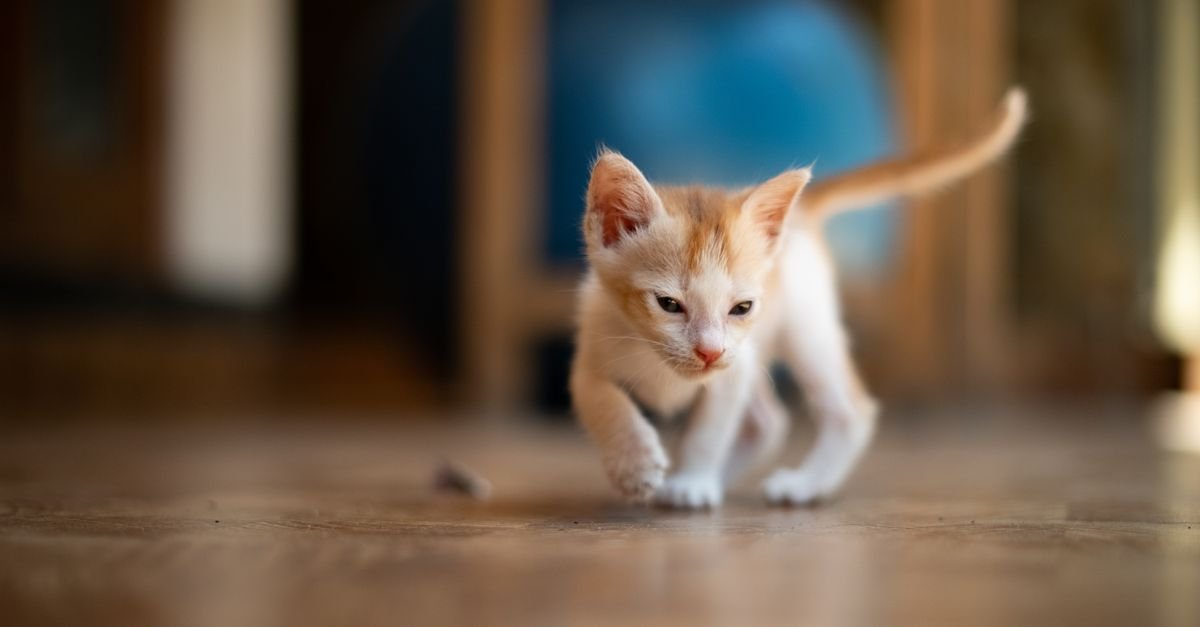
Here’s the simple process: after meals, naps, and play sessions — the most likely times a kitten needs to go — gently place your kitten in the litter box. Let them sniff and explore. If they dig or eliminate, calmly praise them. You can gently take a paw and make a light scratching motion in the litter to demonstrate, though most kittens figure it out themselves. Repeat consistently throughout the day. Within days, most kittens reliably head to the box on their own. Patience and repetition are all it takes.
Use Positive Reinforcement
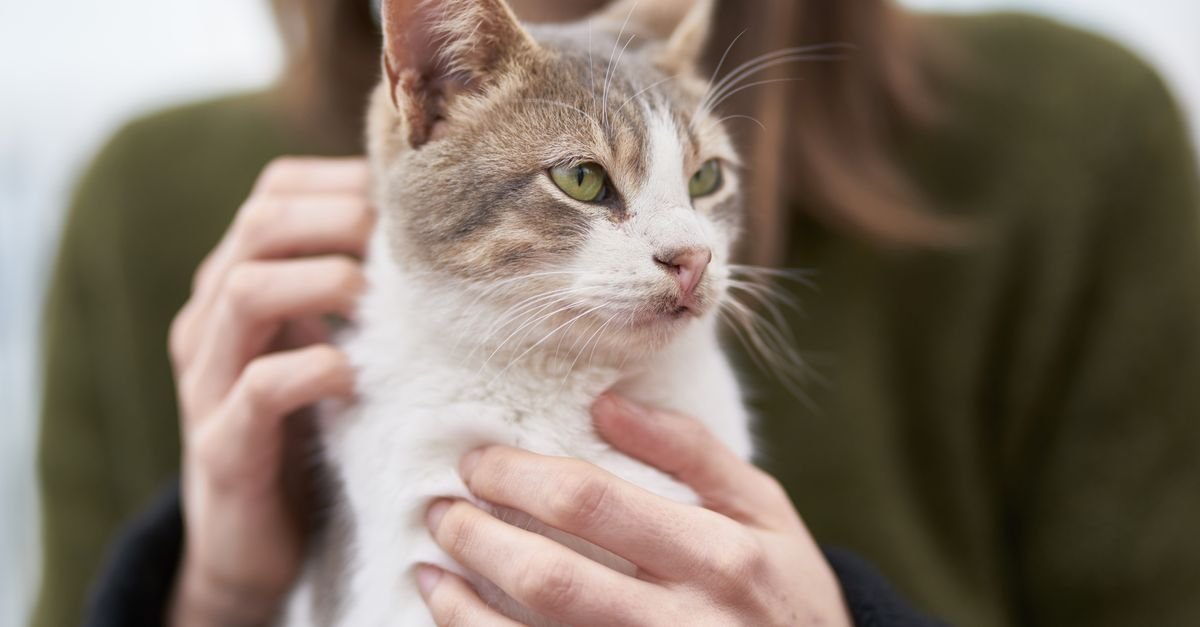
Reward and praise are powerful. Whenever your kitten uses the litter box correctly, offer gentle praise, a soft “good kitty,” or a small treat right afterward. This positive association helps them learn that using the box is a good thing. Never punish or scold a kitten for accidents — it only creates fear and can make litter problems worse. Cats don’t respond to punishment the way we might expect; they respond beautifully to encouragement. Keeping the whole experience calm and positive is the fastest, kindest way to build a reliable habit.
Keep the Litter Box Clean
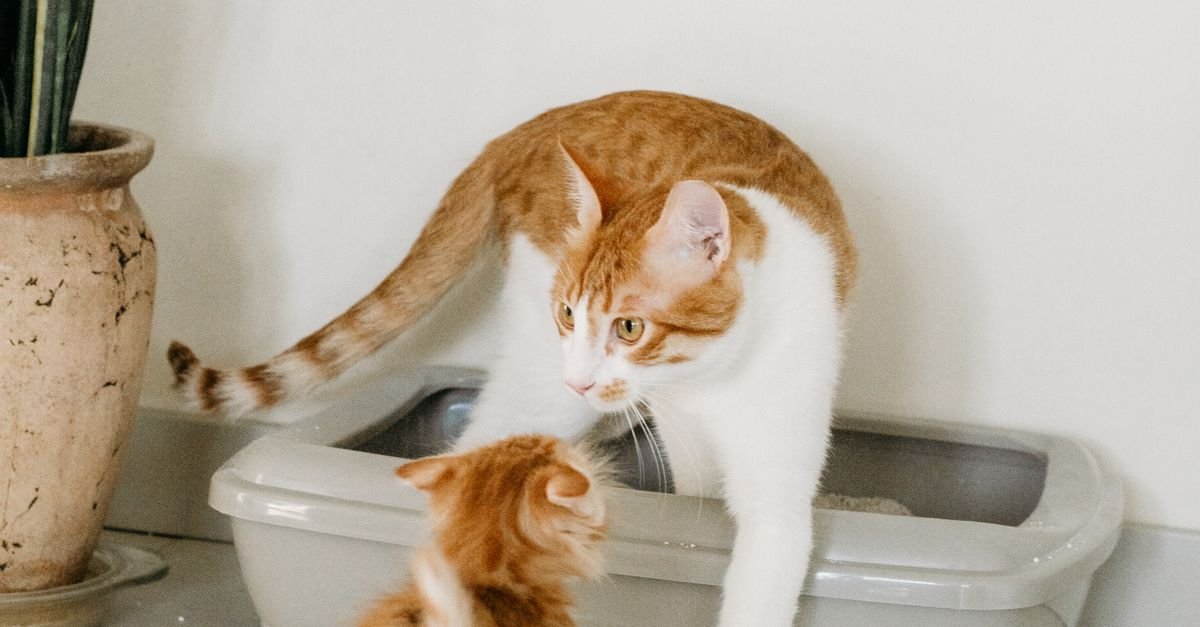
Cats are famously clean animals, and a dirty box is one of the top reasons kittens avoid using it. Scoop waste at least once or twice a day, and completely change the litter and wash the box regularly. A clean, fresh box invites your kitten to use it, while a smelly one may send them looking elsewhere. Avoid harsh-smelling cleaners, which can deter them — mild soap and water is best. Good litter box hygiene isn’t just pleasant for you; it’s essential for successful, lasting litter training.
Have Enough Litter Boxes
The general rule is one litter box per cat, plus one extra — so even a single kitten ideally has access to more than one box, especially in a larger home or over multiple floors. This ensures a box is always within easy reach, which matters a lot for a small kitten still learning. In multi-cat households, enough boxes prevent territorial issues and accidents. Spreading boxes around accessible, quiet locations makes it far more likely your kitten will always make it to one in time.
Handling Accidents
Accidents are normal during training, so stay calm and patient. Never punish your kitten — simply clean the area thoroughly with an enzyme-based cleaner that removes the scent completely, so they aren’t drawn back to the same spot. If accidents keep happening, check the basics: Is the box clean, low enough, and easy to reach? Is the litter type appealing? Is the location quiet? Most accidents come down to a setup issue that’s easy to fix. Adjust as needed, keep guiding gently, and your kitten will get there.
When Litter Problems May Be Health-Related
If a previously trained kitten suddenly stops using the litter box, or strains, cries, or has frequent accidents, it could signal a health issue such as a urinary tract problem, which can be serious in cats. Don’t assume it’s “bad behavior.” Schedule a visit with your veterinarian to rule out any medical cause. Sudden changes in litter box habits are one of the most important signs that something may be wrong. When in doubt, a quick vet check protects your kitten’s health and gives you peace of mind.
Helping a Shy or Nervous Kitten
A frightened or newly adopted kitten may take a little longer to settle into litter training. Give them a small, quiet, secure space with the litter box, food, and a cozy bed all within easy reach, and let them adjust at their own pace. Don’t overwhelm them with a big house too soon. Gentle handling, a calm environment, and patience help a nervous kitten feel safe enough to use the box confidently. Once they’re comfortable and reliably using the litter box, you can gradually give them access to more of your home.
Transitioning to a New Litter or Box
As your kitten grows, you may want to switch to clumping litter or a larger box. Make any change gradually to avoid putting them off. To change litter, mix a little of the new type in with the old, increasing the proportion over a week or two. When upgrading the box, place the new one near the old until your kitten is comfortable using it. Sudden changes can sometimes cause a cat to avoid the box, so slow, gentle transitions keep your kitten’s good habits intact throughout the changes.
Building Lifelong Good Habits
The habits your kitten forms now will last a lifetime, so it’s worth getting the basics right. Keep boxes clean, accessible, and appealing, maintain enough of them, and avoid sudden changes that might deter use. A cat that has always had a positive, stress-free litter box experience is far less likely to develop avoidance issues as an adult. Consistency and good hygiene are the foundation. With a solid setup and gentle guidance early on, your kitten will grow into a cat with reliable, fuss-free litter habits for years to come.
A Smooth Start for You and Your Kitten
Litter training is usually one of the easiest and most rewarding parts of welcoming a new kitten, precisely because you’re working with their natural instincts. Set up the right box and litter, choose a good location, guide them gently after meals and naps, reward success, and keep everything clean. Stay patient and positive through the occasional accident. Before long, your kitten will be using the litter box reliably on their own — giving you both a calm, clean, happy start to your life together.
Related reading: How to Stop Your Dog from Barking: Effective, Humane Tips (2026) · Complete Kitten Care Guide: Everything New Owners Need
Key Takeaways
- Kittens have a natural instinct to bury waste, so litter training is usually easy.
- Use a low, open litter box and a soft, unscented litter for young kittens.
- Place the box in a quiet, accessible spot away from food, and keep it clean.
- Place your kitten in the box after meals and naps, and reward success.
- Never punish accidents; see a vet if a trained kitten suddenly stops using the box.
Frequently Asked Questions
How long does it take to litter train a kitten?
Most kittens learn within a few days to a couple of weeks, because the instinct to bury waste is natural. Consistency, the right box, and gentle guidance after meals and naps speed things up.
What litter is best for kittens?
A soft, unscented, non-clumping litter is recommended for very young kittens, since clumping litter can be harmful if a curious kitten ingests it. You can switch to clumping litter around three to four months.
Where should I put my kitten’s litter box?
In a quiet, low-traffic, easily accessible spot, away from their food and water and loud appliances. For a small kitten, keep the box close by, confining them to a smaller area at first.
Should I punish my kitten for accidents?
No — never punish a kitten for accidents. It creates fear and can worsen litter problems. Clean the area with an enzyme cleaner, check your setup, and reward correct use instead.
How many litter boxes does one kitten need?
The rule is one box per cat plus one extra, so even one kitten benefits from at least two accessible boxes, especially in a larger or multi-level home.
If your kitten suddenly stops using the litter box, strains, or seems unwell, contact your veterinarian, as it may indicate a health problem.

Hello! I'm Khan Hisham, a dedicated student with a profound passion for enhancing the lives of pets through comprehensive care. At Pawspera, our mission—"Prospering Pets, Every Day"—drives everything we do. We are committed to providing the latest insights, tips, and products that ensure your pet's health and happiness. Join us at Pawspera as we explore innovative ways to care for our furry friends with love and dedication.