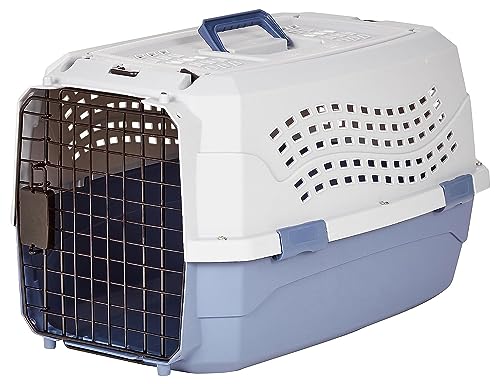
A good pet carrier makes travel safer and far less stressful — for vet trips, flights, road trips, or just getting your pet from A to B. The wrong one, though, can be cramped, unsafe, or a nightmare to get your pet into. This guide covers how to choose the best pet carrier for your dog or cat: the types available, what features actually matter, how to get the sizing right, and tips to help your pet feel comfortable inside.
Why the Right Carrier Matters
A carrier isn’t just a box — it’s your pet’s safe space during stressful journeys and a key piece of safety equipment. A properly sized, secure, well-ventilated carrier keeps your pet contained, calm, and protected, whether you’re in a car, a waiting room, or an airplane cabin. Getting it right means less anxiety for your pet and far less hassle for you.
Types of Pet Carriers
Hard-Sided Carriers
Sturdy and protective, hard plastic carriers are durable, easy to clean, and offer solid protection — ideal for car travel and nervous pets that might scratch through soft material. They’re often required for airline cargo travel too.
Also Read




Soft-Sided Carriers
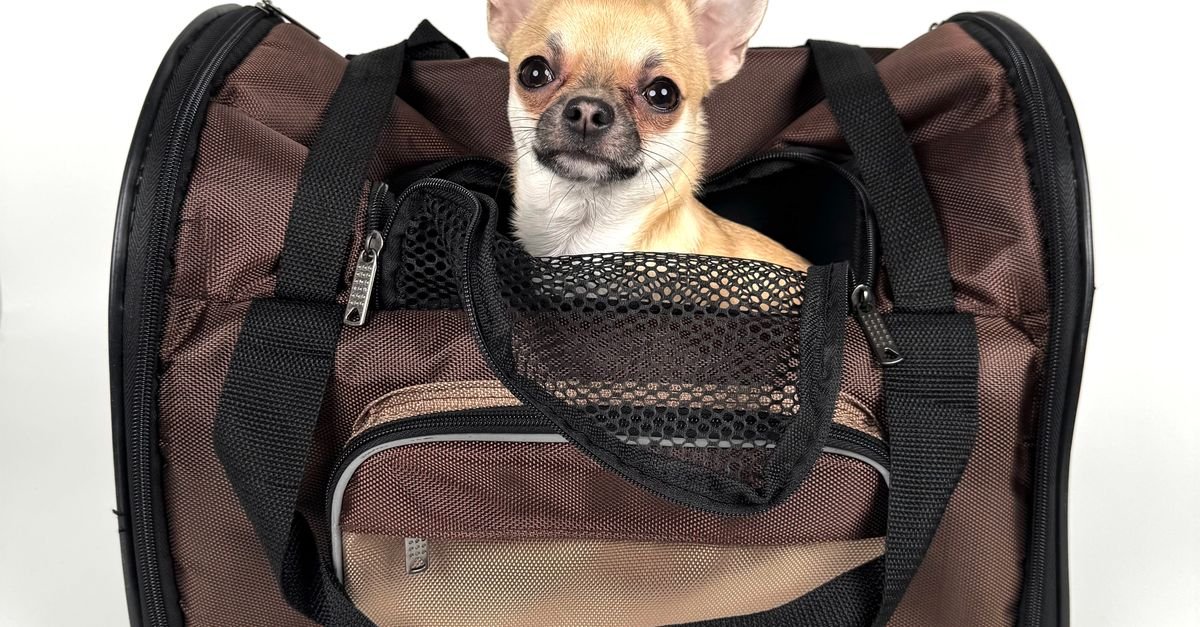
Lightweight and flexible, soft carriers are comfortable to carry and usually fit under an airplane seat, making them popular for in-cabin air travel and smaller pets. They’re easier to store but less protective than hard-sided.
Backpack & Sling Carriers
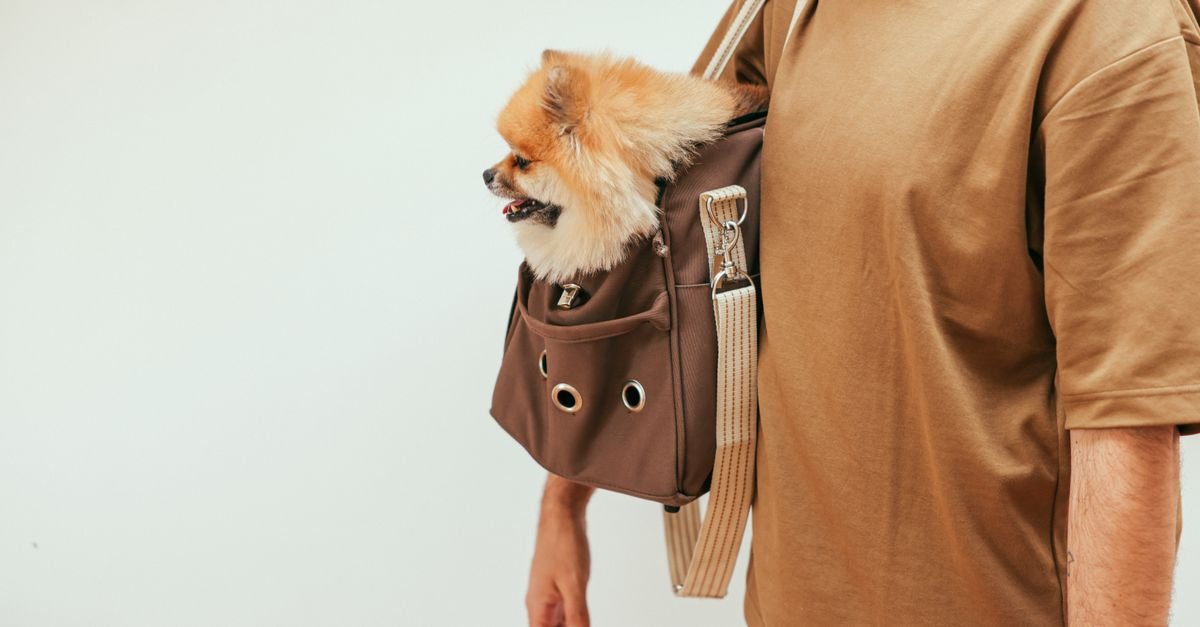
Hands-free options for small pets, great for walks, hikes, or busy travel. Look for good ventilation and secure fastenings so your pet stays safe and can breathe easily.
Rolling Carriers
Carriers with wheels spare your back for heavier pets or long airport walks, though they’re bulkier and best on smooth surfaces.
Pet carrier picks on Amazon
Find the right carrier for your pet:
Key Features to Look For
- Correct size — your pet should be able to stand, turn around, and lie down comfortably.
- Good ventilation — mesh panels or vents on multiple sides for airflow.
- Secure closures — sturdy zippers or latches a clever pet can’t escape.
- Easy access — top and side openings make loading a reluctant pet far easier.
- Comfort — a padded, washable base.
- Safety features — seatbelt loops for car travel and leash clips inside.
- Airline compliance — if you’re flying, check the airline’s exact size rules first.

How to Size a Carrier Correctly
Measure your pet’s length (nose to base of tail) and height (floor to top of head or ears) while standing, then choose a carrier that lets them stand and turn comfortably — with a little room, but not so much space that they slide around in transit. For growing puppies or kittens, size for their expected adult size or be prepared to upgrade. Check weight limits too, especially for soft carriers and slings.
Helping Your Pet Love the Carrier
The secret to stress-free travel is making the carrier familiar before the trip. Leave it open at home with a soft blanket and treats inside so your pet explores it willingly. Feed meals near or in it, and take short practice trips to build positive associations. A familiar-smelling blanket or toy inside helps, and for anxious pets a calming spray can ease nerves. Never force a frightened pet in — patience and positive reinforcement work far better.
A Note on Safety
In a car, secure the carrier with a seatbelt rather than leaving it loose. Never leave a pet in a carrier in a hot car. For air travel, confirm your airline’s carrier rules and your pet’s health suitability with your vet beforehand, especially for flat-faced breeds that can struggle with breathing in stressful conditions.
Frequently Asked Questions
What size pet carrier do I need?
One large enough for your pet to stand, turn around, and lie down comfortably — with a little extra room but not so much they slide around. Measure your pet’s length and height standing, and check the carrier’s weight limit.
Are soft or hard carriers better?
Soft carriers are lighter and often fit under airplane seats, good for small pets and in-cabin travel. Hard carriers are more protective and durable, better for car travel, nervous pets, or airline cargo. Choose based on your needs.
How do I get my pet used to a carrier?
Leave it open at home with a blanket and treats so your pet explores it, feed meals nearby, and take short practice trips to build positive associations before any big journey. Never force a scared pet inside.
Can I use the carrier for air travel?
Yes, if it meets your airline’s specific size and type rules — always check before booking. Soft carriers usually fit under the seat for in-cabin pets; confirm your pet’s suitability to fly with your vet.
Key Takeaways
- The right carrier keeps your pet safe, contained, and calm during travel.
- Choose between hard, soft, backpack, or rolling carriers based on how you travel.
- Prioritize correct size, ventilation, secure closures, and easy access.
- Measure your pet and check weight limits; for flying, confirm airline rules first.
- Make the carrier familiar with treats and practice trips so travel is stress-free.
A well-chosen carrier turns stressful trips into manageable ones for both you and your pet. Pick the right type and size, prioritize safety and ventilation, and take time to make it a comfortable, familiar space. Explore more in our Pet Gear & Accessories guides.

Hello! I'm Khan Hisham, a dedicated student with a profound passion for enhancing the lives of pets through comprehensive care. At Pawspera, our mission—"Prospering Pets, Every Day"—drives everything we do. We are committed to providing the latest insights, tips, and products that ensure your pet's health and happiness. Join us at Pawspera as we explore innovative ways to care for our furry friends with love and dedication.