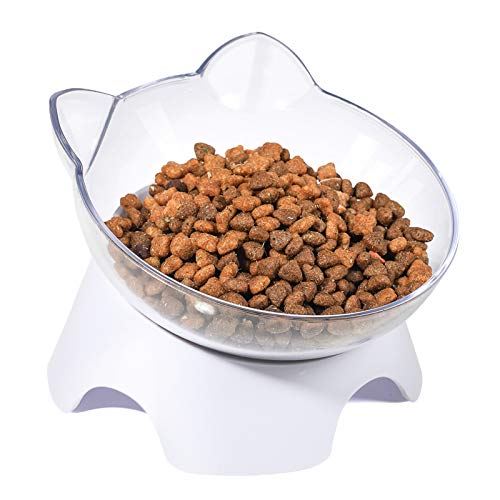
As cats age, their bodies and nutritional needs change — and the right food can make a real difference to a senior cat’s comfort, weight, and quality of life. Older cats may face reduced kidney function, joint stiffness, dental issues, and a changing appetite, all of which the right diet can help support. This guide explains what to look for in food for elderly cats, how senior nutrition differs, and how to keep your aging feline eating well and thriving.
When Is a Cat “Senior”?
Cats are generally considered senior from around 11 years old, with “mature” middle age starting earlier and “geriatric” cats being the oldest. But age is individual — some cats slow down sooner, others stay sprightly well into their teens. Watch for signs like weight changes, less activity, stiffness, or altered appetite, and adjust diet and vet care accordingly rather than relying on age alone.
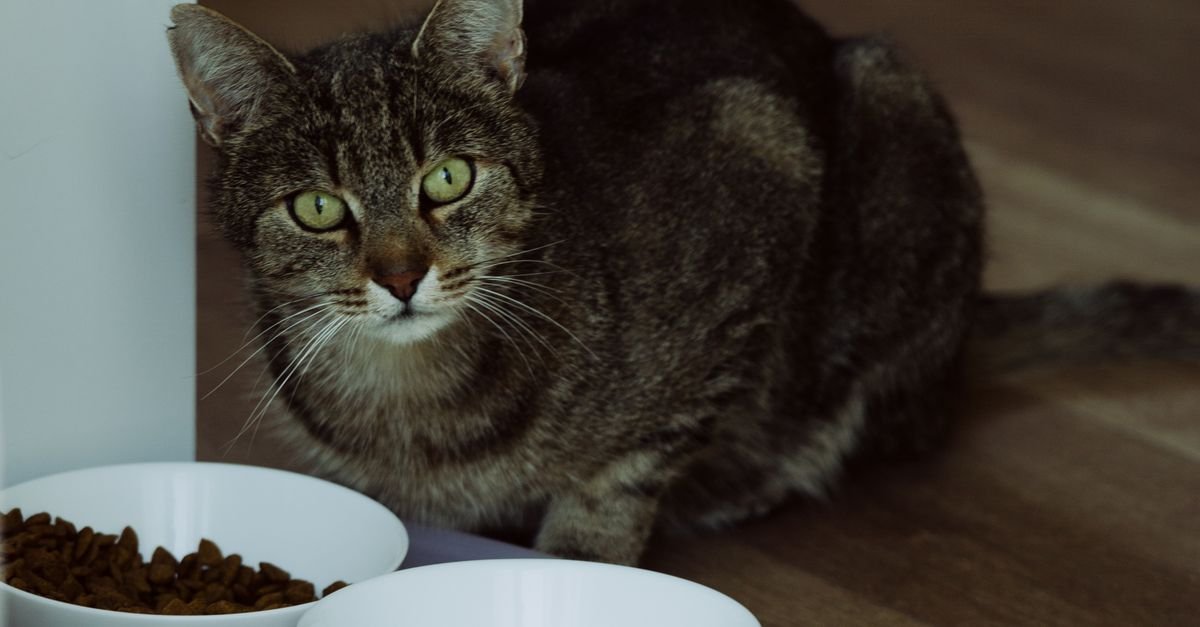
How Senior Cats’ Nutritional Needs Change
- Easily digestible protein — older cats need good-quality protein to maintain muscle, but it should be easy on aging digestion and kidneys.
- Kidney support — controlled phosphorus and appropriate protein levels matter, as kidney decline is common in older cats.
- Joint support — ingredients like omega-3s and added joint nutrients can help stiff, aging joints.
- Moisture — senior cats are even more prone to dehydration, so wet food or added moisture is valuable.
- Easy to eat — softer textures help cats with dental problems or reduced appetite.
What to Look For in Senior Cat Food
Choose a food labeled for senior or mature cats, with a named animal protein first and a “complete and balanced” statement for that life stage. Favor high moisture (wet food or pâté), quality digestible ingredients, and added omega-3s for coat and joints. Avoid excessive fillers and low-quality by-products. If your cat has a diagnosed condition like kidney disease, your vet may recommend a specific therapeutic diet — follow their guidance over general advice.
Also Read




Senior cat food picks on Amazon
Options formulated for older cats:
Wet Food Is Often Ideal for Seniors
For many older cats, wet or canned food is the better choice: the moisture supports kidney and urinary health, the soft texture is easier on sensitive teeth and gums, and the strong aroma tempts cats whose appetite has waned. If your senior eats dry food, consider adding water or switching some meals to wet. Warming wet food slightly can boost the smell and encourage a reluctant eater.
Encouraging a Senior Cat to Eat
Appetite often dips with age. To help: offer smaller, more frequent meals; warm food gently to release aroma; try different textures and flavors; keep food bowls in quiet, easy-to-reach spots (away from where stiff joints have to jump or bend awkwardly); and keep fresh water nearby. A sudden or ongoing drop in appetite, though, isn’t just “old age” — it warrants a vet visit, as it can signal an underlying health issue.
A Note on Your Senior Cat’s Health
Older cats benefit from more frequent veterinary checkups — often twice a year — because conditions like kidney disease, hyperthyroidism, diabetes, and dental problems become more common and are very diet-relevant. Always involve your vet when choosing food for a senior cat with health concerns, and report changes in weight, appetite, thirst, or litter-box habits promptly. The right diet works hand in hand with good veterinary care.
Frequently Asked Questions
What is the best food for an elderly cat?
One labeled for senior/mature cats with a named protein first, high moisture, digestible ingredients, and joint-supporting omega-3s. Wet food is often ideal for seniors. For diagnosed conditions, follow your vet’s specific diet recommendation.
Should senior cats eat wet or dry food?
Wet food is often better for seniors thanks to its moisture (supporting kidneys), soft texture (easier on teeth), and strong aroma (tempting reduced appetites). Some cats do well on a mix — add water to dry food if needed.
At what age should I switch to senior cat food?
Many cats transition around 11 years, but watch the individual cat. If you see weight changes, stiffness, or appetite shifts, talk to your vet about adjusting the diet — age is a guide, not a strict rule.
Why is my senior cat not eating?
Reduced appetite can stem from dental pain, kidney or thyroid issues, nausea, or other conditions — not simply age. Try warming food and offering soft textures, but a persistent appetite drop should be checked by a veterinarian.
Key Takeaways
- Cats are typically senior from around 11, but adjust based on the individual.
- Senior diets should offer digestible quality protein, kidney and joint support, and high moisture.
- Wet food suits many seniors — easier to eat, hydrating, and more aromatic.
- Encourage eating with warm, small, frequent meals in easy-to-reach spots.
- Senior cats need more frequent vet care; involve your vet for any health-related diet change.
The right food helps your senior cat stay comfortable, nourished, and active in their golden years. Prioritize moisture, digestible protein, and easy eating — and partner with your vet to catch age-related issues early. Explore more in our Pet Nutrition & Diet guides.

Hello! I'm Khan Hisham, a dedicated student with a profound passion for enhancing the lives of pets through comprehensive care. At Pawspera, our mission—"Prospering Pets, Every Day"—drives everything we do. We are committed to providing the latest insights, tips, and products that ensure your pet's health and happiness. Join us at Pawspera as we explore innovative ways to care for our furry friends with love and dedication.