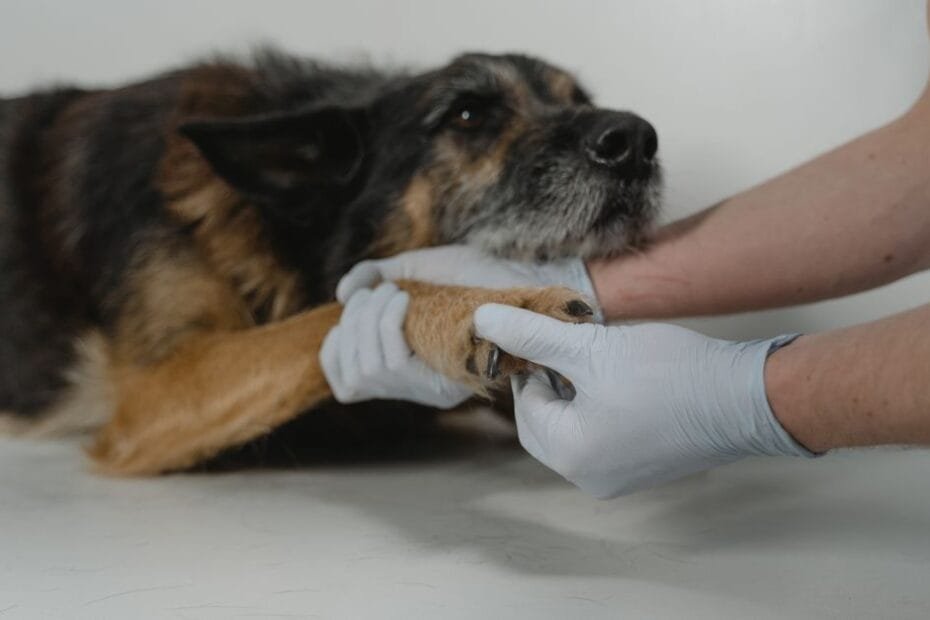
Removing a tick from a dog is a thirty-second job done right: fine-tipped TWEEZERS or a tick-removal tool gripped at the SKIN (the head, never the body), a slow STRAIGHT upward pull — no twisting, no jerking, no folklore — the site cleaned with antiseptic, the tick saved in a sealed bag with the date (your vet may want to identify it), and the calendar note that starts the watch window for the illness signs that matter. The folklore ban is the guide’s most important paragraph: matches, nail polish, petroleum jelly, and alcohol-soaking all IRRITATE the embedded tick into regurgitating into the wound — actively increasing disease-transmission risk while feeling like first aid — and the squeeze-the-body grip does the same by injection; slow, straight, and boring wins every time. Educational guide, standing rule: heavy infestations, ticks in ears or eyelids, retained mouthparts that inflame, or any illness signs in the weeks after — your vet, promptly.
This is the complete tick playbook: the removal technique step-by-step (with the tool tiers compared), the folklore ban explained, the after-care and the save-the-tick protocol, the watch window and the illness signs worth the call, the tick-check habit that catches them before they embed, the prevention layer this guide rides on, and the yard-and-region honesty about where ticks actually ambush from.
Key Takeaways
- Grip at the skin with fine tweezers or a tick tool, pull slow and straight up — no twisting, squeezing, or jerking.
- The folklore ban is safety-critical: matches, vaseline, polish, and alcohol make embedded ticks regurgitate into the wound.
- Save the tick sealed and dated — identification guides the vet if illness signs follow.
- The watch window runs weeks: lethargy, lameness that shifts legs, fever, appetite loss, or swollen nodes are call-the-vet signs.
- The post-adventure tick check (ears, armpits, toes, tail base) catches most ticks before they embed — speed matters for disease.
- Prevention is the real system: vet-sourced preventives on schedule, per the counterfeit warning.

The Removal, Step by Step
THE GRIP: fine-tipped tweezers (household flat-tips squeeze the body — the thing we’re avoiding) or a purpose-made tick tool, placed as close to the SKIN as possible, around the embedded mouthparts — part the fur, get the light right (the grooming station’s lamp does double duty), and a second person paying treats per the cooperative-care playbook converts the whole event from wrestling to routine.
Also Read
-
Why Does My Cat Drink So Much Water? The Benign List, the Big Three, and the Measure

-
How to Protect Dog Paws From Hot Pavement: The Seven-Second Test and Three Substitutions

-
How to Keep Dogs Cool in Summer: The Schedule, the Risk Tiers, and the Emergency Protocol

-
The Complete Pet Health Guide: Prevention, Warning Signs, and When to Call the Vet

THE PULL: slow, steady, STRAIGHT up — even pressure until the tick releases (a few seconds that feel longer) — no twisting (mouthparts snap off), no jerking (same), no crushing (injection); the tick-hook tools run their own slide-and-lift motion per their instructions, and both methods end the same way: intact tick, minimal drama.
THE RETAINED-MOUTHPART honesty: sometimes the head fragment stays despite good technique — DON’T dig (the excavation does more damage than the fragment) — clean it, let the skin push it out like a splinter over days, and call the vet only if the site swells, reddens hot, or weeps; a small hard bump for a week is the normal healing story.
The veterinarian’s removal tutorial above shows the grip-and-pull on a real dog — watch the tweezer placement at the skin line; that millimeter is the whole technique.
The Folklore Ban (Why the Old Tricks Backfire)
THE MECHANISM: an embedded tick under stress — heat, suffocation, chemical irritation — responds by REGURGITATING its gut contents into the wound before (maybe) detaching, and the gut contents are precisely where the pathogens live; the match, the vaseline smother, the nail-polish coat, and the alcohol soak all trade a clean mechanical removal for a chemically-provoked injection, which is how first-aid folklore becomes a transmission risk.
THE SQUEEZE version of the same error: gripping the tick’s body (fingers, blunt tweezers) compresses the same gut contents through the mouthparts like a syringe — the reason the entire technique reduces to “grip the head at the skin” — and the barehanded-crush disposal method adds a human-exposure note: tick fluids carry the same diseases, so disposal runs sealed-bag, taped, or flushed, never popped.
THE TIME MATH that motivates the whole guide: disease transmission for the major tick-borne illnesses generally requires many hours of attachment — often a day-plus — which converts every prompt removal into genuine prevention and every same-day tick-check into the highest-value habit in this post.
After-Care, the Saved Tick, and the Watch Window
THE SITE PROTOCOL: antiseptic wipe or pet-safe cleanser, hands washed, the spot photographed with the phone (the baseline the watch window compares against), and the standing note that a red bump for several days is normal healing while expanding redness, heat, or discharge books the vet.
THE SAVED TICK: sealed zip bag or taped to a card, DATED, kept a few weeks — species identification changes the disease question regionally, and the vet presented with “this tick, removed this date, from this dog” is running diagnostics instead of guesses; the phone photo of the tick before disposal is the minimum version of the same file.
THE WATCH WINDOW, the guide’s YMYL core: for several weeks after any embedded tick, the four dials watch for lethargy, appetite loss, fever-warm ears and dullness, the SHIFTING-LEG lameness that classically flags tick-borne joint illness, swollen lymph nodes, or unexplained bruising — any of them books the prompt vet visit WITH the dated tick bag, and the standing honesty applies: most single-tick encounters end with nothing, the window exists for the exceptions, and knowing which weeks to watch is what the calendar note bought.

The Tick-Check Habit (Catching Them Pre-Embed)
THE ROUTE MAP, run after every grass-brush-and-woods outing: EARS (inside and the fold), around the eyes and muzzle, under the collar, ARMPITS and groin, between every TOE, and under the TAIL base — ticks seek thin warm skin, and the hands-flat massage that doubles as the body scan finds the poppy-seed-to-raisin bump fur hides from eyes.
THE TIMING: the check runs at the trailhead-exit AND again hours later (ticks wander before embedding — the second pass catches the commuters), the light-colored towel rubdown after wet outings doubles as a tick screen, and the camping kit’s nightly check is the multi-day version of the same discipline.
THE HABITAT HONESTY: ticks ambush from grass tips and brush edges (not trees) — the tall-grass meadow and the trail margin are the exposure, the mowed center-path less so — and the YARD tier responds to management: mowed grass, cleared leaf litter, and the woodpile-and-fence-line margins treated per your region’s reality; the dog park’s manicured turf and the meadow romp are different exposure days, and the check calibrates accordingly.
Prevention, Products, and the Regional Calendar
THE PREVENTION LAYER this whole guide rides on: modern vet-prescribed preventives (the oral and topical tiers your vet matches to region and lifestyle per the parasite chapter) kill ticks before the transmission window closes — the removal skill is the backup system, not the plan — and the treatments roundup covers products with the standing counterfeit warning at full strength: parasite preventives are a documented knockoff category; vet, manufacturer, or verified pharmacy only.
THE TOOL KIT, assembled once: fine-tipped tweezers AND a tick-hook in the first-aid kit, a mini version in the hiking pack and glovebox, antiseptic wipes beside them, and the zip bags that make the save-the-tick protocol frictionless — the whole kit costs less than one vet visit’s parking.
THE CALENDAR HONESTY: tick season is longer than intuition — spring and fall PEAK in much of the country, summer never stops, and mild winters barely pause it (any day above freezing can produce questing ticks) — so the preventive schedule runs year-round where vets advise it, the check habit follows exposure rather than months, and the “it’s October, we’re safe” assumption is how November ticks embed unchecked.


Frequently Asked Questions
How do you remove a tick from a dog?
Fine-tipped tweezers or a tick tool gripped at the SKIN around the mouthparts — never the body — then a slow, steady, straight-up pull until it releases. Clean the site, wash hands, save the tick sealed and dated, and note the date for the watch window.
What should you never put on a tick?
Matches, petroleum jelly, nail polish, and alcohol — all provoke the embedded tick into regurgitating into the wound, actively raising disease risk. Squeezing the body does the same by pressure. Slow mechanical removal at the skin is the entire correct method.
What if the tick’s head stays in?
Don’t dig — the excavation harms more than the fragment. Clean it and let the skin push it out like a splinter over days; a small hard bump for a week is normal healing. Call the vet only for spreading redness, heat, or discharge.
What symptoms after a tick bite mean the vet?
Over the following weeks: lethargy, appetite loss, fever signs, lameness that shifts between legs (the classic tick-disease flag), swollen nodes, or unusual bruising — prompt visit, with the dated tick bag. Most single-tick encounters end with nothing; the window exists for the exceptions.
Where do ticks hide on dogs?
Thin warm skin: inside and around the ears, around eyes and muzzle, under the collar, armpits and groin, between toes, and under the tail base. Run the hands-flat check after every grassy or wooded outing — and again hours later for the wanderers.
Do I still need tick prevention if I check my dog?
Yes — prevention is the plan and removal is the backup: vet-matched preventives kill ticks before the transmission window closes, run year-round where vets advise, and come only from vet, manufacturer, or verified pharmacies per the counterfeit warning.
The Tick Species Note (And What Your Region Changes)
THE ID BASICS worth one glance: the tiny DEER-TICK tier (poppy-seed nymphs — the Lyme vector, and the hardest to spot: the between-toes check earns its keep here), the larger DOG-TICK tier (easier to find, different disease list), and the LONE-STAR’s expanding range — the point isn’t amateur entomology; it’s that the SAVED tick converts “a tick” into “this species, this date,” which is why the zip bag outranks identification skills you don’t need.
THE REGIONAL CONVERSATION your vet is waiting to have: Lyme-endemic regions run different vaccine-and-testing calendars than the arid West, the annual heartworm test often bundles tick-disease screens (the four-way test many clinics run — ask what yours covers), and the travel note: the dog who summers in tick country and winters elsewhere carries BOTH regions’ risk profiles to every appointment — say where you’ve been.
THE EMBEDDED-VS-CRAWLING triage that calms most discoveries: the crawling tick hasn’t bitten — lint-roll or tape it off, seal, done, no watch window; the embedded tick runs this guide’s full protocol; and the engorged tick (the raisin tier) has fed longest and earns the promptest removal plus the most attentive watch window — size is a timeline, and the timeline is the risk.
The Post-Removal Bath Question
The common follow-up answered: the bath can wait — washing doesn’t affect transmission risk after a proper removal, and the site prefers a day of ordinary healing over immediate soap and scrubbing; the exception is the multi-tick discovery after a heavy-exposure day, where the full grooming-table inspection (and the vet call at genuine infestation scale) outranks any single removal — ticks travel in cohorts on bad days, and finding one funds the search for the rest.
The Bottom Line
Grip at the skin, pull slow and straight, ban the folklore, bag and date the evidence, watch the weeks that matter, run the post-adventure check like the habit it should be, and let vet-sourced prevention do the heavy lifting — the tick is a thirty-second problem with a good technique and a season-long problem without one.
The cat-and-household postscript: CATS get ticks too (outdoor and window-box cats especially) — the same technique applies with the towel-wrap restraint honesty and the feline preventive caveat at full volume: several dog products (permethrin-based topicals) are TOXIC to cats, which makes the vet-sourced species-matched product rule non-negotiable in mixed households, down to keeping treated dogs and cats separated while topicals dry. And the HUMAN postscript: the household that walks the same trails checks its own ankles and hairlines by the same route map — the tick that skipped the dog didn’t necessarily skip the family, and the sealed-bag protocol serves your own doctor exactly as it serves the vet.
The tick counted on going unnoticed. The check, the tweezers, and the calendar note are how it loses.

Hello! I'm Khan Hisham, a dedicated student with a profound passion for enhancing the lives of pets through comprehensive care. At Pawspera, our mission—"Prospering Pets, Every Day"—drives everything we do. We are committed to providing the latest insights, tips, and products that ensure your pet's health and happiness. Join us at Pawspera as we explore innovative ways to care for our furry friends with love and dedication.