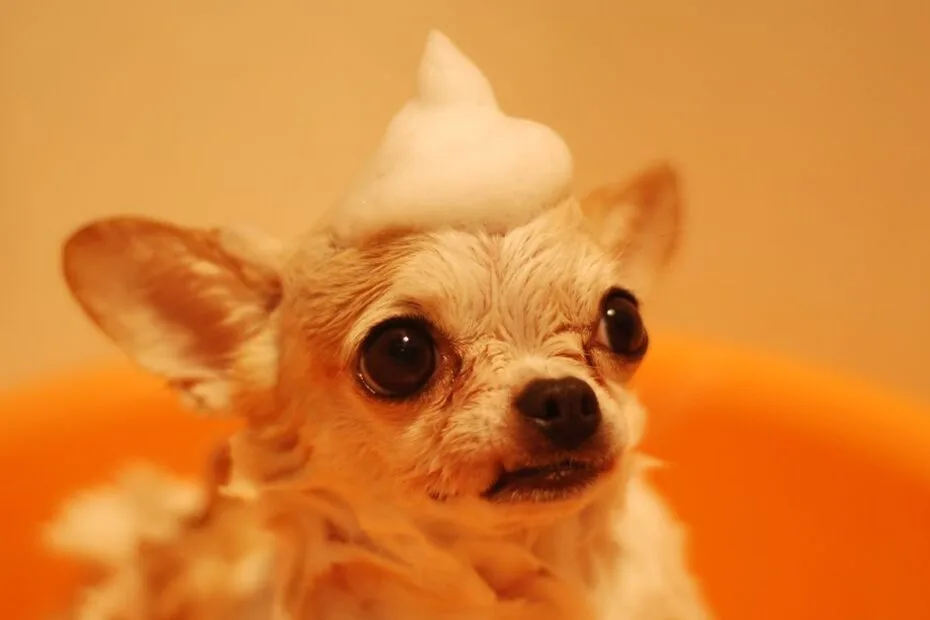
All grooming decisions start with COAT TYPE — smooth, double, long, curly, or wire (plus the feline versions) — because the coat dictates the tools, the schedule, and where the professional takes over: smooth coats need a weekly rubber mitt, double coats need an undercoat rake and a firm never-shave rule, long coats need line-brushing to the skin or they mat, curly coats need professional clips on a four-to-eight-week clock, and every cat needs more brushing than its reputation admits. The home program owns brushing, baths, nails, ears, and teeth; the pro owns clips, blowouts, and the rescue jobs — and the bridge between animal and either groomer is the cooperative-care training that makes handling a paid, consensual routine instead of a wrestling match.
This is Pawspera’s complete grooming pillar — the guide behind our tools, shampoo, and technique spokes: coat typing with each type’s program, the tool wall matched to coat, brushing technique and the mat-prevention discipline, the bath protocol with frequency honesty, nails-ears-teeth as the maintenance trio, shedding season survival, the cat chapter grooming guides usually skip, puppy-and-senior adaptations, and the professional relationship — what groomers actually do, what it costs, and how to be their favorite client.
Key Takeaways
- Coat type decides everything: identify smooth, double, long, curly, or wire first — tools and schedules follow.
- Never shave a double coat: it’s insulation in both seasons, and it often regrows wrong — deshed instead.
- Line-brush long coats to the skin: surface brushing over a forming mat is the classic path to a shave-down.
- Bathe on dirt, not calendar — with pet-pH shampoo only; over-bathing strips the coat’s own maintenance system.
- Nails, ears, and teeth are the health trio: clicking floors, sour smells, and skipped brushing all bill later.
- Cooperative care is the master upgrade: tool-treat-duration training converts grooming from wrestling to routine.
Coat Typing (The Decision That Decides the Rest)
SMOOTH COATS (boxers, beagles, most tabbies): the easy tier — weekly rubber mitt or hound glove, dirt-based baths, done; their owners’ only trap is skipping everything because it looks maintenance-free while the shedding quietly upholsters the house. DOUBLE COATS (huskies, shepherds, corgis, most northern breeds): a soft outer guard layer over dense undercoat — the undercoat rake and deshedding tool program below, twice-yearly coat blows, and the never-shave rule this pillar will repeat until it sticks.
Also Read
LONG COATS (yorkies, shih tzus, collies, Persians): beauty on a mat-prevention subscription — the pin brush and comb, LINE brushing (below), and the honest choice every long-coat household eventually makes between the full-coat commitment and the puppy-cut compromise (both legitimate; unbrushed is the only wrong answer). CURLY-AND-WOOL COATS (poodles, doodles, bichons): hair that grows indefinitely and mats enthusiastically — the every-other-day comb-through at home AND the professional clip cycle; the doodle owner who expected low-maintenance was sold marketing, and the long-hair tool guide is their new best friend.
WIRE COATS (terriers, schnauzers): the specialist tier — hand-stripping preserves texture where clipping softens it; pet households mostly clip and that’s fine, stated honestly. THE CAT VERSIONS run parallel — shorthairs on the weekly mitt, longhairs on the line-brush law — and get their own chapter below because cats are not small dogs at the grooming table either.
The Tool Wall (Matched to Coat, Bought Once)
THE CORE FOUR most households need: a SLICKER brush (the all-rounder for fluff and tangle-lift), a metal COMB (the honesty tool — if the comb won’t pass to skin, the brushing isn’t done), the coat-matched SPECIALIST (undercoat rake for doubles, pin brush for longs, grooming gloves for the brush-averse cat), and nail gear — the tools roundup and home-kit guide price the wall by coat.
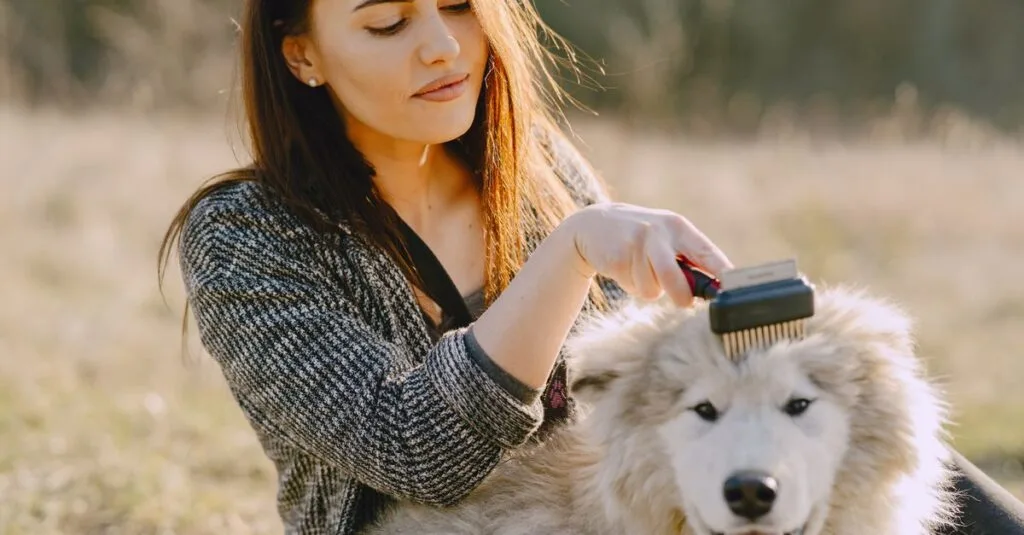
THE UPGRADE TIER, bought by job per the buying framework: clippers for households doing home trims (with the guard-comb discipline and the never-near-skin-until-trained rule), shears for face-feet-and-sanitary touch-ups (round-tips near eyes, always), the self-cleaning slicker convenience tier, and the high-velocity dryer that separates home deshedding from pro-grade — the one tool where the professional’s version genuinely outclasses anything a home should bother buying.
THE MAINTENANCE OF THE MAINTENANCE: brushes de-haired after every session, combs washed monthly, clipper blades oiled and cooled mid-session (a hot blade is how “he hates clippers” stories start), and the tool audit joining the care pillar’s monthly loop — a bent slicker pin scratches skin invisibly and teaches brush-fear efficiently.
The full professional groom above — from a fourteen-year groomer — shows the whole sequence this pillar teaches in parts: prep brush, bath, dry, and finish, with handling that keeps the dog a volunteer.
Brushing Technique and the Mat Discipline
LINE BRUSHING, the long-coat law: part the coat to SKIN, brush the exposed line outward layer by layer, advance the part, repeat — ten minutes a section — because surface-brushing glides over the forming mat at the undercoat level until the comb finds a felted plate the slicker never saw; the comb-test after every session is the audit that keeps the coat honest.
THE MAT PROTOCOL when prevention slipped: small mats work apart with fingers and corn-starch patience, the mat-splitter tier handles the stubborn (cutting ALONG the hair growth, never across skin — and never scissors-under-a-mat blind: mats sit tighter to skin than they look, and the scissors-nick is the classic home injury), and the felted-plate tier goes to the professional WITHOUT shame — the shave-down done kindly beats the four-hour detangling ordeal every time, and the regrowth restarts the program properly.
THE SHED-SEASON CHAPTER for the double-coated: the twice-yearly coat blow (spring’s the epic) surrenders to daily rake sessions for two-to-three weeks, the warm bath mid-blow accelerates the release (dry THOROUGHLY — damp undercoat is hot-spot habitat per the health pillar), the deshedding tool works in moderation (it cuts coat — weekly, not daily), and the NEVER-SHAVE rule gets its reasons: the double coat insulates against heat as well as cold, shaved guard hairs often regrow patchy and wrong, and the “summer shave” kindness is a myth the rake retires.
The Bath Protocol (Frequency Honesty Included)
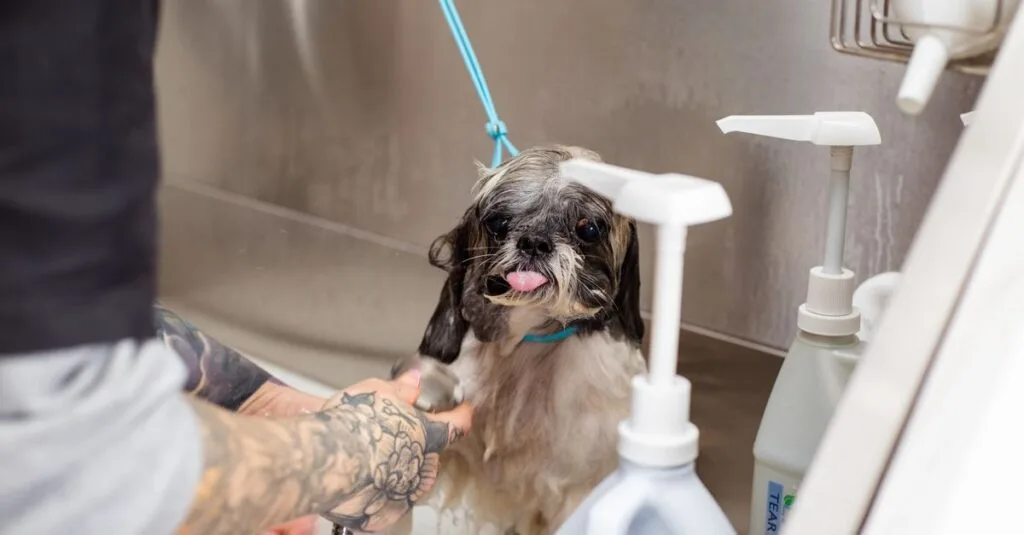
THE FREQUENCY TRUTH: dogs bathe when DIRTY or smelly — monthly-ish for most, weekly only for the skin-conditions tier on vet instruction — because over-bathing strips sebum and dries skin into itch; cats mostly self-clean for life (the bath cases: the longhair with a mess, the senior who’s stopped, the medicated protocol) — and the pre-bath BRUSH-OUT is mandatory for everyone, since water tightens existing mats into felt.
THE PRODUCT LAW: pet-pH shampoo only (human products, baby shampoo included, sit at the wrong pH for pet skin — the shampoo guide and conditioner-set review pick by coat and skin type), diluted per label for lather that rinses, medicated formulas on veterinary instruction only, and the RINSE done past the point of certainty — residue is the itch complaint’s most common author.
THE PROCESS that keeps water off the ceiling: warm not hot, cotton-ball-guarded ears and a washcloth face (never the sprayer at the head), the non-slip mat underneath, towel-then-dryer on COOL with the dryer introduced as a treat dispenser first, and the whole event trained per the cooperative-care bridge — the dog who gets peanut-butter lick-mat baths from puppyhood is the adult who steps into the tub voluntarily, which is the entire trick.
Nails, Ears, and Teeth (The Health Trio)
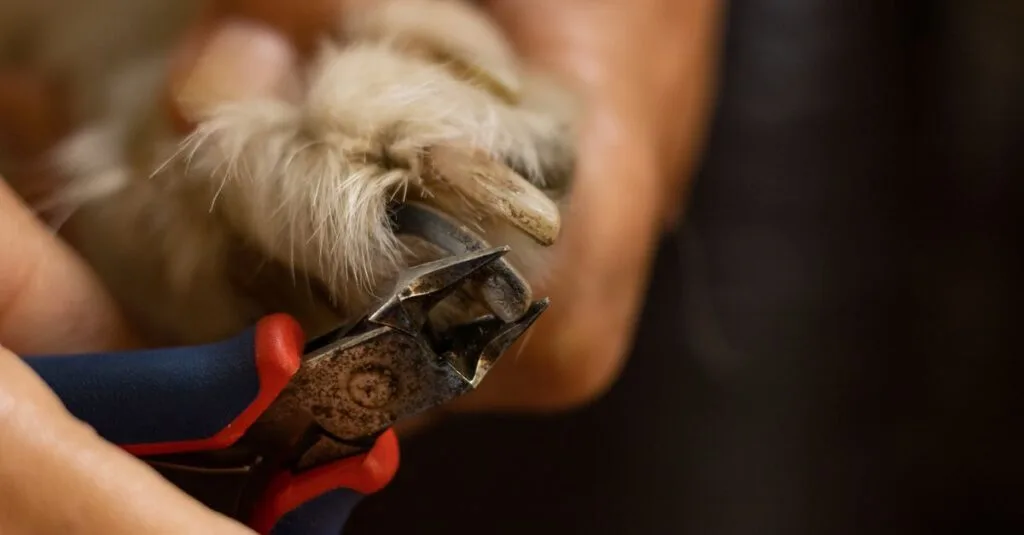
NAILS: clicking on floors means overdue — the quick grows out WITH the nail, so overgrown nails trim little-and-often (weekly slivers walk the quick back) rather than one dramatic correction; clipper versus grinder is temperament’s choice, the styptic sits within reach before the first cut, cats extend claws with gentle pad pressure and trim the clear tips only — and the black-nail households angle-cut conservatively or graduate to the grinder’s incremental safety.
EARS: the weekly look-and-sniff (clean and pink wins; redness, debris, head-shaking, or the sour-yeast smell books the vet per the health pillar’s call tier — ear infections are treated, not groomed), surface cleaning with solution-damp cotton PADS only (swabs pack debris deeper and injure canals — the ear-cleaning guide demonstrates), and the floppy-eared and swimming tiers on a routinized drying habit.
TEETH, the trio’s heavyweight: the health pillar already made the case (most common diagnosed condition, pain that hides); grooming’s contribution is the ROUTINE — pet toothpaste, the finger-brush-to-brush-kit ladder, the gradual-acceptance protocol, daily as the goal and several-weekly as the honest floor — built into the evening loop where habits survive.
The Cat Chapter (Not a Small Dog at the Table)
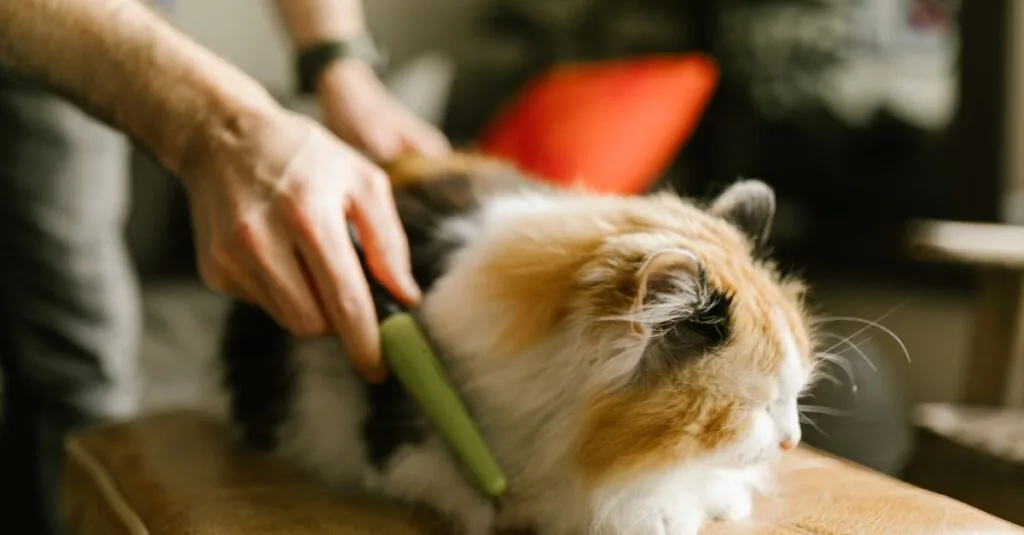
THE FELINE RULES: sessions run SHORT and end before the tail says so (the twitch is the two-minute warning), the glove tier recruits the brush-averse by disguising grooming as petting, longhairs run the line-brush law with special attention to the friction zones (armpits, britches, behind ears — where every Persian mat is born), and the long-haired-cat guide plus the cat-hygiene guide run the full feline program.
THE SENIOR-CAT CLAUSE that doubles as a health monitor: cats groom themselves until arthritis makes reaching hard — the senior whose coat goes greasy or clumped at the spine base is reporting mobility, not laziness (health pillar, call tier) — and the owner’s brush quietly takes over the job the cat is losing, which is as much dignity work as coat work.
THE HAIRBALL ECONOMY: brushing is the intervention — every hair on the brush is a hair not swallowed — with the fiber-and-paste tiers as vet-conversation add-ons for the chronic cases, and the sudden hairball uptick reading as an overgrooming flag (stress or skin trouble) before it reads as normal.
Puppies, Seniors, and the Cooperative-Care Bridge
THE PUPPY PROGRAM is handling-first, grooming-second: paws, ears, mouth, and tail touched and PAID daily from week one, tools introduced as treat dispensers (the clipper that only hums near a lick mat for two weeks), the first baths short and warm and absurdly rewarded — ten treats a day for a month buys a decade of easy grooming, the cheapest trade in this entire pillar; the senior program inverts to comfort: padded surfaces, shorter sessions, the arthritis-aware handling that skips the hip-stressing poses, and the tools softened as skin thins.
THE COOPERATIVE-CARE BRIDGE, formalized from the training pillar: consent behaviors (the chin-rest that says “go ahead,” the lifted paw that offers itself), the mark-pay engine running through every session, and the STOP honored when the animal withdraws consent — which sounds precious until you price it: the animal that trusts the table costs less to groom, vet, and medicate for its entire life.
THE STRESS-SIGNAL LITERACY that keeps sessions honest: lip licks, yawns, whale eye, and the frozen stillness that isn’t calm — each one a pace-down instruction; and the two-person protocol for the hard jobs (one pays, one works) that beats the wrestling match every time it’s tried.
The Professional Relationship (And Being Their Favorite Client)
WHAT THE PRO OWNS: breed clips and scissor finishing, the high-velocity BLOWOUT that makes pro desheds last (the tool argument settled above), anal-gland expression where vet-appropriate, the matted-coat rescues, and the trained hands for the animals whose home sessions failed — on the four-to-eight-week cycle curly and long coats require, priced by size-coat-and-condition, with the find-a-groomer guide covering the vetting: certifications, cage-dryer policy asked directly (unattended cage drying is the safety question that matters), and a shop that smells like work rather than crisis.
BEING THE FAVORITE CLIENT, which buys better grooms: arrive brushed (the pro detangling hour is billed and miserable), disclose health issues and sore spots up front, keep the pickup time honest (kenneled waiting undoes the session’s calm), tip like it’s the skilled physical labor it is — and run the home program between visits, because the groomer can tell in one comb-pass whether this pillar is being followed, and the coat bills accordingly.
THE HOME-VERSUS-PRO BUDGET LINE, drawn honestly: the home program above saves real money on the easy coats and BUYS the pro cycle on the hard ones — the doodle household that skips the pro to save is buying the shave-down at double; the grooming-tips guide and budget-tools roundup stretch the home half without pretending it replaces the whole.
The Home Grooming Station (Setup That Makes It Happen)
THE STATION doctrine, imported from every system on this network: grooming happens where its tools live — one caddy (brushes, comb, nail gear, styptic, ear supplies, treats) at the grooming spot, a non-slip mat that MEANS grooming (the mat itself becomes the cue, and the cooperative-care chin-rest happens on it), good light for the nail quick and the skin checks, and the towel stack within reach — the session that starts with a supply hunt is the session that gets skipped.
THE BATH LOGISTICS by dog size: small dogs in the sink or a tub-bin (back-saving and less intimidating), big dogs in the tub with the sprayer attachment that pays for itself in one rinse, and the warm-months outdoor option with the hose honesty (tepid days only — cold-hosing a dog teaches bath-hatred efficiently); cats bathe rarely and in a SINK with an inch of warm water pre-run — running water mid-bath is the panic trigger.
THE MESS TREATY that keeps the household enthusiastic: brush outdoors or over a sheet during coat blows, the drain-hair catcher before the first bath (one clogged drain funds a lifetime of catchers), and the post-session two-minute reset per the standing teardown doctrine — the station that resets ready is the program that happens again Thursday.
The Grooming Calendar (Season by Season)
SPRING: the double-coat blow’s main event (the daily-rake fortnight), allergy-season skin watched at every session, and the first tick checks of the year joining the brush-out. SUMMER: paw pads checked against hot pavement, the never-shave rule defended annually, and swim-season ears on the drying protocol. FALL: the second, gentler coat transition, the burr-and-seed patrol after every hike (foxtails are an emergency-tier find in the regions that have them). WINTER: salt and ice-melt on the paw-wipe protocol, longer coats between trims by design in cold climates, and the humidity-drop dandruff answered with diet and brushing before products — one coat, four costumes, and the station runs them all.
What the Brush Reports (The Feedback Loop)
THE SESSION AS SCAN: every brushing doubles as the health pillar’s body check — lumps and ticks found at the skin the line-brush exposes, flea dirt announcing itself on the comb (the wet-paper-towel test: reddish smear = flea dirt = the parasite chapter, today), dandruff and greasiness reporting diet or skin trouble, and the flinch at one spot reporting pain before any limp does — the groomer’s hands find what eyes miss, and this pillar quietly deputizes yours.
THE COAT-QUALITY DIAL, read on the nutrition pillar’s four-to-eight-week clock: gloss, softness, and shed volume track diet quality visibly — the coat is the slowest, most honest lab report the household owns — and the dull-coat conversation at the annual exam starts with what the brush has been collecting all quarter.
Frequently Asked Questions
How often should I groom my dog or cat?
By coat: smooth coats weekly with a mitt, double coats weekly raking (daily during coat blows), long and curly coats every-other-day line brushing plus the pro cycle every four-to-eight weeks; cats brush weekly (longhairs near-daily). Baths run on dirt, not calendar; nails on the clicking test.
Can I shave my double-coated dog in summer?
No — the double coat insulates against heat as well as cold, shaved guard hairs often regrow patchy, and the summer-shave kindness is a myth. Deshed instead: the undercoat rake program, the mid-blow warm bath, and thorough drying.
How do I keep my long-haired pet from matting?
Line brushing to the SKIN — part, brush the layer, advance — then the metal-comb audit after every session; surface brushing glides over forming mats. Work small mats apart with fingers, never scissors blind under a mat, and take felted coats to the professional without shame.
What’s the safest way to trim nails at home?
Little and often: weekly slivers walk an overgrown quick back, styptic within reach, cats’ claws extended with gentle pad pressure and clear tips only. Black nails cut conservative angles or use a grinder’s increments — and clicking on floors always means overdue.
How often should dogs be bathed?
When dirty or smelly — roughly monthly for most dogs; over-bathing strips skin oils into itch. Always pet-pH shampoo (never human products), always a pre-bath brush-out (water felts existing mats), rinse past certainty, and dry double coats completely.
What does a professional groomer do that I can’t?
Breed clips and scissor work, the high-velocity blowout that makes desheds last, matted-coat rescues, and trained handling for the hard cases — on a four-to-eight-week cycle for curly and long coats. Vet the shop (certifications, cage-dryer policy), arrive brushed, and run the home program between visits.
The Bottom Line
Type the coat, buy its tool wall once, line-brush to skin and audit with the comb, bathe on dirt with the right pH, keep the nails-ears-teeth trio on the loop, respect the cat’s clock, train the consent, and partner with a pro where the coat demands it — grooming is health care wearing a towel, and the program costs minutes once it’s a habit.
The coat never lies: it reports the brushing, the diet, and the health in one comb-pass. Make it a good report.

Hello! I'm Khan Hisham, a dedicated student with a profound passion for enhancing the lives of pets through comprehensive care. At Pawspera, our mission—"Prospering Pets, Every Day"—drives everything we do. We are committed to providing the latest insights, tips, and products that ensure your pet's health and happiness. Join us at Pawspera as we explore innovative ways to care for our furry friends with love and dedication.