
Dental care is the most neglected part of dog ownership — and one of the most important. By the age of three, most dogs already show signs of dental disease, which doesn’t just cause bad breath and discomfort but can lead to serious health problems affecting the heart, liver, and kidneys. The single best thing you can do to prevent it is also one of the simplest: brush your dog’s teeth. And yes, with the right approach, almost any dog can learn to accept it.
This step-by-step guide covers how to brush your dog’s teeth, how to get a reluctant dog comfortable with it, how often to do it, and the other dental-care steps that keep your dog’s mouth healthy.
Why Brushing Matters So Much
Just like in humans, plaque builds up on a dog’s teeth and hardens into tartar, leading to gum disease, painful infections, and tooth loss. Beyond the mouth, the bacteria from dental disease can enter the bloodstream and strain vital organs over time. Bad breath isn’t just unpleasant — it’s often the first sign of a problem. Regular brushing removes plaque before it hardens, making it by far the most effective at-home defense against all of this.
Also Read





What You’ll Need
Use a toothbrush designed for dogs (or a finger brush), which is softer and angled for their mouths. Most importantly, use toothpaste made for dogs — never human toothpaste. Human toothpaste contains ingredients like fluoride and sometimes xylitol that are toxic to dogs, who swallow rather than spit. Dog toothpaste is safe to swallow and comes in flavors (like poultry) that make brushing more appealing.
Step-by-Step: How to Brush
Step 1: Go Slow and Build Comfort
If your dog has never had its teeth brushed, don’t rush in with a full session. Spend a few days simply letting them lick a little dog toothpaste off your finger so they associate it with a treat. Then gently touch and lift their lips, rewarding calm behavior. This gradual desensitizing is the secret to a dog that tolerates — even enjoys — brushing.
Step 2: Introduce the Brush
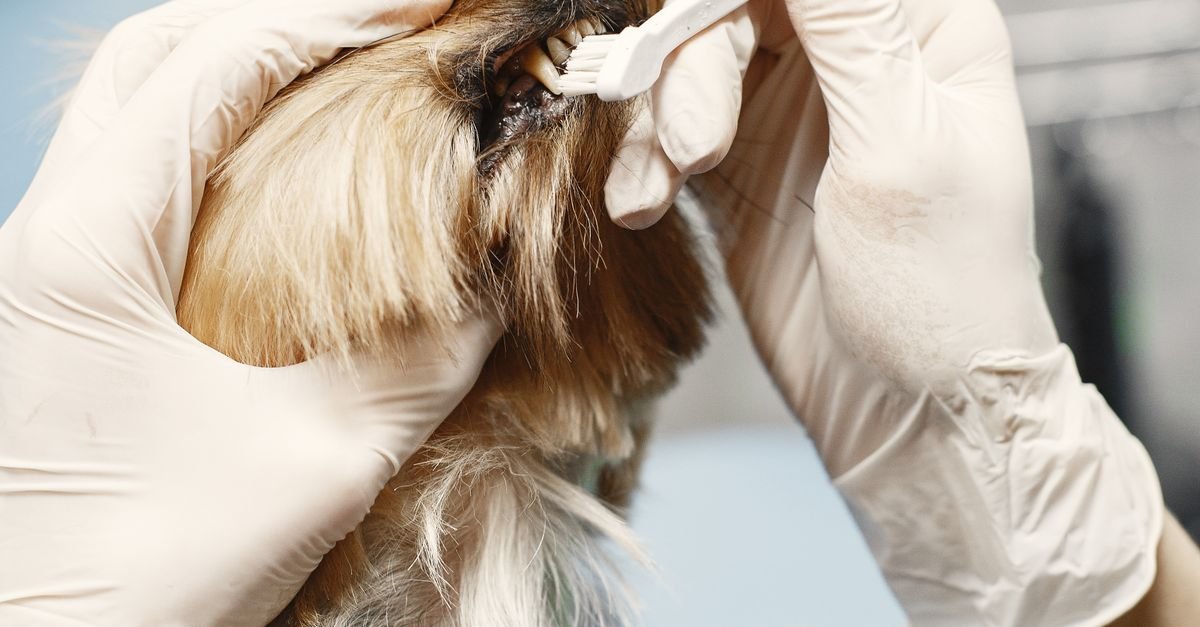
Once your dog is comfortable, put a little toothpaste on the brush and let them taste it. Then gently lift the lip and brush a few teeth, focusing on the outer surfaces where plaque builds most. Use small, circular motions at a slight angle toward the gumline. Start with just a few teeth and a few seconds — you can build up over sessions.
Step 3: Work Up to a Full Mouth
Over days and weeks, gradually brush more teeth for longer, always keeping it calm and positive. Pay attention to the back teeth, which collect the most tartar. You don’t need to scrub the inner surfaces heavily — the dog’s tongue helps there, and the outer surfaces matter most. Aim for a gentle, thorough pass.
Step 4: Reward Every Time
Finish each session with praise and a treat or play. Keeping the experience positive ensures your dog cooperates next time. Brushing should feel like a bonding routine, not a battle.
Recommended on Amazon
Dog dental-care essentials:
As an Amazon Associate, Pawspera earns from qualifying purchases.
How Often Should You Brush?
Ideally, brush your dog’s teeth daily, just as you brush your own — plaque starts hardening into tartar within a couple of days. If daily isn’t realistic, several times a week still makes a big difference and is far better than nothing. Consistency matters more than perfection; a regular routine keeps plaque from getting a foothold.
Other Ways to Support Dental Health
Brushing is the gold standard, but a few extras help. Dental chews and treats designed to reduce plaque give a mechanical cleaning action and freshen breath between brushings. Certain chew toys help scrape teeth as your dog gnaws. Dental-formula diets and water additives can support oral health too. These supplements don’t replace brushing, but they’re useful allies — especially for dogs that tolerate brushing only occasionally.
Don’t Skip Professional Cleanings
Even with great home care, dogs benefit from professional dental check-ups and cleanings by a vet, who can remove hardened tartar below the gumline that brushing can’t reach and spot problems early. Your vet can advise how often your individual dog needs this. Watch for warning signs that need a vet visit: persistent bad breath, red or bleeding gums, broken or loose teeth, difficulty eating, or pawing at the mouth. Catching dental disease early is far easier and cheaper than treating advanced problems.

Frequently Asked Questions
Can I use human toothpaste on my dog?
No — never. Human toothpaste contains fluoride and sometimes xylitol, which are toxic to dogs. Always use toothpaste made specifically for dogs, which is safe to swallow.
How often should I brush my dog’s teeth?
Daily is ideal, since plaque hardens within days. If that’s not possible, several times a week still helps a lot. Consistency is what counts.
My dog hates having its teeth brushed — what do I do?
Go slow. Spend days letting them lick dog toothpaste and getting used to having their lips touched before introducing the brush, rewarding calm behavior throughout. Most dogs come around with patience.
Do dental chews replace brushing?
No, but they help. Dental chews and toys reduce plaque and freshen breath between brushings, but brushing remains the most effective method. Use chews as a supplement, not a substitute.
Key Takeaways
- Dental disease is common and affects whole-body health — brushing is the best prevention.
- Use a dog toothbrush and dog toothpaste only; human toothpaste is toxic to dogs.
- Introduce brushing gradually with rewards, focusing on the outer surfaces and back teeth.
- Brush daily if possible, or several times a week — consistency matters most.
- Support with dental chews and don’t skip professional vet cleanings and check-ups.
Brushing your dog’s teeth is a small daily habit with a big payoff in health, comfort, and fresh breath. Start slow, keep it positive, and stay consistent. For more, read our Complete Pet Care Guide and explore more Pet Grooming & Hygiene tips.

Hello! I'm Khan Hisham, a dedicated student with a profound passion for enhancing the lives of pets through comprehensive care. At Pawspera, our mission—"Prospering Pets, Every Day"—drives everything we do. We are committed to providing the latest insights, tips, and products that ensure your pet's health and happiness. Join us at Pawspera as we explore innovative ways to care for our furry friends with love and dedication.