One of the best things about cats is that litter training is mostly built in — the instinct to bury waste in a sandy substrate is hardwired. But “mostly” isn’t “completely,” especially with a young kitten or a newly adopted cat in a strange home. A little guidance from you makes the process smooth, prevents bad habits, and avoids the frustration of accidents. Done right, most kittens are reliably using the litter box within days.
This complete guide covers how to litter train a kitten: choosing the right setup, the simple training steps, solving common problems, and keeping the box appealing so your cat keeps using it for life.
Start With the Right Setup
Success begins before any training, with the right equipment and placement. Getting this foundation right prevents most problems.
Also Read
-
How to Stop a Cat Scratching Furniture: The Reroute, the Placement Law, and the Specs

-
How to Crate Train a Dog: The Four Stages, the Whining Tree, and the Physiology Table

-
Back to School With Pets: The Two-Week Taper, the Alone-Time Rebuild, and the Distress Line

-
The Complete Dog & Cat Training Guide: Positive Reinforcement That Works

Choose the Right Litter Box
For a kitten, pick a box with low sides so they can climb in and out easily — a tall box is a barrier to a tiny cat. The box should be large enough for the cat to turn around comfortably; you can upgrade to a bigger one as a kitten grows. Many cats prefer uncovered boxes, which feel less confining, though some like the privacy of a hood. Start simple.
Pick a Suitable Litter
Most cats prefer a fine, unscented, clumping litter, which feels natural under their paws. Strong scents that appeal to humans can actually deter cats. For very young kittens, avoid clumping litter until they’re past the age where they might eat it; a non-clumping option is safer for tiny kittens. Once you find a litter your cat likes, stick with it — sudden changes can cause boycotts.
Place It Wisely
Put the box in a quiet, accessible, low-traffic spot where your cat has privacy but can reach it easily — not next to their food and water (cats dislike eliminating near where they eat), and not somewhere noisy or hard to get to. The general rule is one litter box per cat, plus one extra, placed in different locations.
Recommended on Amazon
Litter-training essentials for kittens:
As an Amazon Associate, Pawspera earns from qualifying purchases.
The Training Steps
Step 1: Show Them the Box
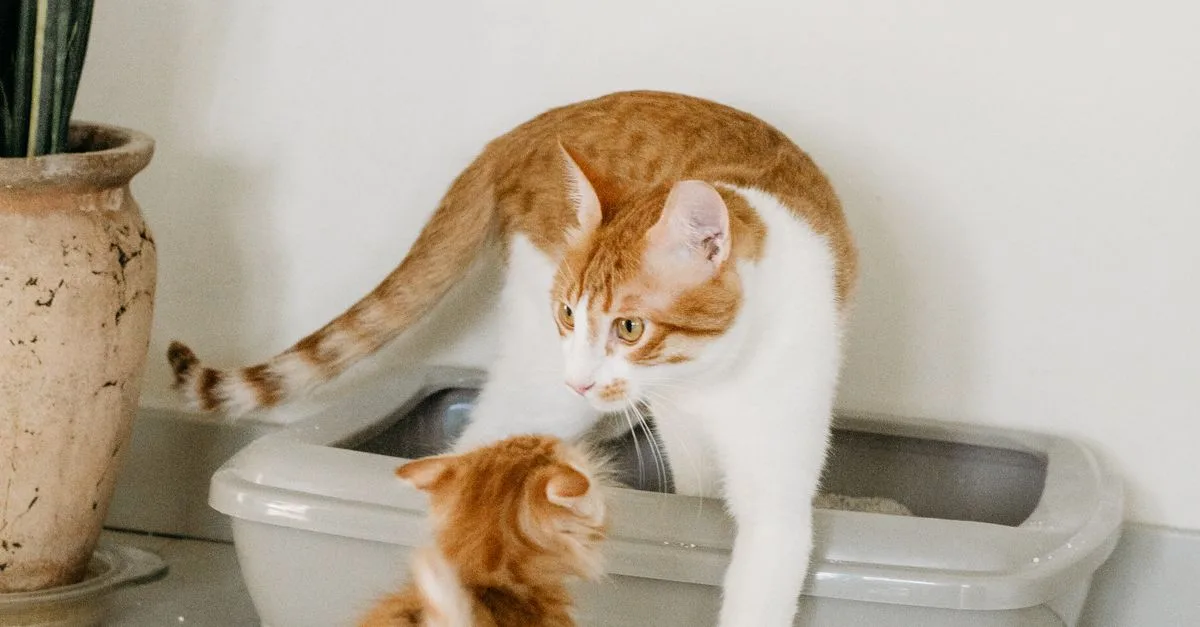
When your kitten arrives, gently place them in the litter box so they know where it is, and let them sniff and explore it. Cats learn the location by investigating. Repeat this introduction a few times in the first days.
Step 2: Time It Right
Place your kitten in the box at the moments they’re most likely to need it: shortly after waking, after eating, and after play. These are natural elimination times, so putting them in the box then increases the chance they’ll go there and form the habit.
Step 3: Let Instinct Take Over
Most kittens will start digging and burying on their own once in the litter — the instinct is strong. You usually don’t need to do much more than provide the opportunity. Avoid hovering or startling them; give them quiet space to do their business.
Step 4: Reward and Encourage
When your kitten uses the box, calmly praise them. Keep the experience positive. Never punish a kitten for accidents — it only creates fear and anxiety, which makes litter problems worse, not better.
Keep the Box Clean — This Is Crucial
Cats are fastidious and will avoid a dirty box, so cleanliness is the number-one factor in consistent litter use. Scoop waste at least once or twice a day, and completely change the litter and wash the box regularly. A clean box is the best guarantee your cat keeps using it; a dirty one is the most common reason cats start going elsewhere. If you take away one thing from this guide, make it this.
Solving Common Problems
If your kitten has accidents or avoids the box, there’s almost always a fixable reason. Clean any accident spots thoroughly with an enzymatic cleaner so lingering odor doesn’t invite repeats. Check that the box isn’t too dirty, too tall, too hidden, or too close to food. Make sure you have enough boxes for the number of cats. A litter attractant can help draw a hesitant kitten to the box. If a previously trained cat suddenly stops using the box, rule out a medical issue with your vet — urinary problems often show up as litter avoidance.
Patience and Consistency
Most kittens learn quickly thanks to instinct, but every cat is an individual, and a new environment can take adjustment. Keep the setup consistent, the box clean, and your reactions calm and positive. Avoid changing litter types or box locations once things are working. With a good setup and a little patience, your kitten will be a reliable litter-box user in no time — and stay one for life.
Frequently Asked Questions
How long does it take to litter train a kitten?
Often just a few days, because the instinct to bury waste is strong. Providing the right box, litter, and placement — and showing them where it is — usually does most of the work.
What kind of litter is best for kittens?
Most cats prefer fine, unscented, clumping litter. For very young kittens, use a non-clumping litter until they’re past the age of possibly eating it.
How many litter boxes do I need?
The general rule is one box per cat plus one extra, placed in different quiet, accessible locations away from food and water.
Why is my kitten not using the litter box?
Common reasons include a dirty box, a box that’s too tall or poorly placed, scented litter, too few boxes, or lingering odor from past accidents. A sudden change in a trained cat may be medical — see your vet.
Key Takeaways
- Start with the right setup: a low-sided box, fine unscented litter, and a quiet, accessible spot away from food.
- Show your kitten the box and place them in it after waking, eating, and play.
- Let instinct do the work, reward success, and never punish accidents.
- Keep the box scrupulously clean — it’s the #1 factor in consistent use.
- Solve avoidance by checking cleanliness, placement, and box count; see a vet for sudden changes.
Litter training a kitten is mostly about setting them up for success and keeping things clean — their instincts handle the rest. Be patient and consistent, and you’ll have a reliably trained cat fast. For more, read our Complete Pet Care Guide and explore more Pet Training & Behavior tips.

Hello! I'm Khan Hisham, a dedicated student with a profound passion for enhancing the lives of pets through comprehensive care. At Pawspera, our mission—"Prospering Pets, Every Day"—drives everything we do. We are committed to providing the latest insights, tips, and products that ensure your pet's health and happiness. Join us at Pawspera as we explore innovative ways to care for our furry friends with love and dedication.