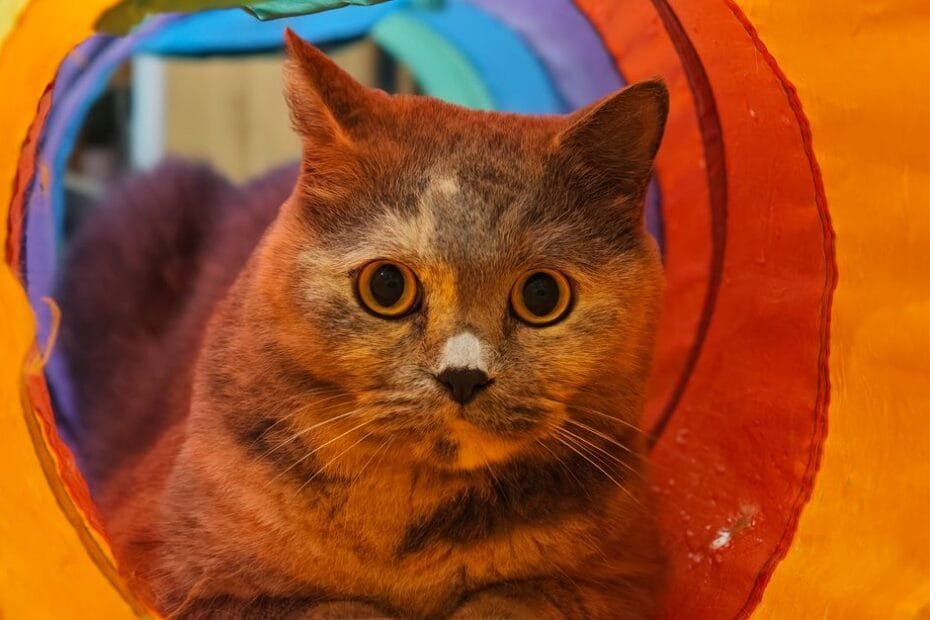
The best cat tunnels are CRINKLE-FABRIC or nylon pop-up tunnels with at least one SIDE PORTHOLE and a dangling interior toy — because the tunnel is hunting furniture, not a bed: cats use it to stalk, ambush, and escape, and the specs that matter serve those instincts — a diameter the cat can turn in (the big-cat honesty most listings skip), multiple exits (single-mouth tunnels are dead ends prey animals distrust), collapse-flat storage, and the crinkle question answered by YOUR cat’s temperament: half the cats in America love the sound, and the noise-startled tier needs the quiet fabric version. At single-digit-to-twenty-dollar prices the tunnel is the enrichment budget’s cheapest line — and the multi-cat household’s best chase infrastructure — which is why it earns a slot beside the window perch and the tree in the indoor cat’s complete territory.
This is the complete cat-tunnel guide: why cats need tunnels (the ambush instinct explained), the shapes and materials compared (straight, T- and Y-junction, cube-combo, and the crinkle question), the specs by cat size and count, tunnel games that convert the toy into exercise, placement in the territory map, the DIY tier honestly graded, and the care-and-replacement rules.
Key Takeaways
- The tunnel is hunting furniture: stalk, ambush, escape — buy for instincts, not cuteness.
- Side portholes and multiple exits are the spec: dead-end tunnels get used half as much.
- Diameter honesty for big cats: the cat must TURN inside — the ten-inch tunnel fails a Maine Coon.
- Crinkle is a temperament question: beloved by half of cats, a startle for the noise-sensitive tier.
- Tunnels are multi-cat chase infrastructure — the Y-junction is the two-cat household’s best ten dollars.
- Play WITH it: the wand-toy-through-the-porthole game converts furniture into the daily hunt.
Why Cats Need Tunnels (The Ambush Instinct)
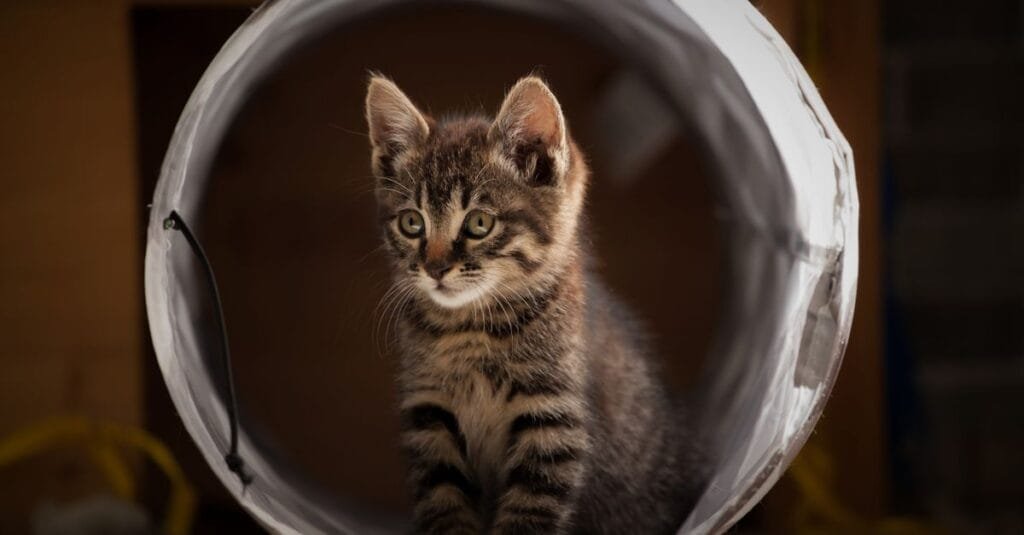
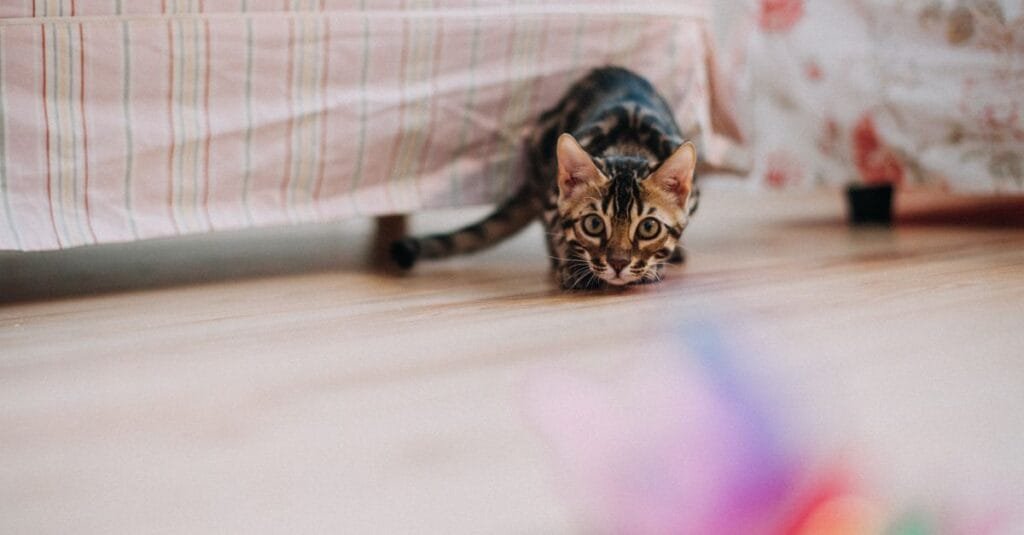
THE PREDATOR-PREY DOUBLE LIFE: cats are ambush hunters AND prey-sized animals — the tunnel serves both wirings at once: a concealed stalking lane toward “prey” (the toy, the other cat, your ankles) and a covered escape route through open floor the prey-brain reads as exposed — which is why tunnels see the most use in exactly the homes where cats otherwise cross rooms low and fast along the walls.
Also Read




THE ENRICHMENT MATH from the exercise doctrine’s feline paragraph: the two-to-three daily hunt sessions want STAGES, and the tunnel is the stage set — the stalk-pounce-retreat loop that a flat room can’t host — while the solo-play hours between sessions run on the tunnel’s self-service: the dangling toy, the crinkle, the porthole peek-a-boo cats play alone.
THE CONFIDENCE PRESCRIPTION, matching the perch guide’s elevation therapy: the under-the-bed cat graduates through covered routes — the tunnel bridging the safe room toward the living room is a behaviorist’s standard move for shy-cat integration, and the behavior hub’s hiding-and-territory chapters explain the wiring this ten-dollar fabric tube serves.
The DIY tunnel build above shows how strongly the instinct runs — the cat doesn’t care about price point; it cares about the geometry, which is the whole buying lesson in one video.
Shapes and Materials (The Catalog Decoded)
THE SHAPES: the STRAIGHT tunnel is the entry tier (fine for kittens and small rooms), the S-CURVE adds the concealment bend cats prefer, the T- AND Y-JUNCTIONS are the multi-cat pick (three mouths = chase infrastructure, ambush options, and no dead-end standoffs), and the CUBE-AND-TUNNEL combos bolt the hideout onto the highway — the modular tier that grows with the enthusiasm.
THE MATERIALS: CRINKLE nylon (the classic — the rustle mimics prey-in-leaves and triggers half the cats in the country; the other half startle, and the quiet-fabric tier exists for them — know your cat before the cart), FELT-AND-PLUSH tunnels (quieter, warmer, the winter tier), the RIGID woven tier (holds shape for the heavier cats), and the spring-wire pop-up frame that makes all of them collapse flat — with the wire-end check at purchase and monthly after: an exposed wire tip in a play tunnel is the category’s one real hazard.
THE SPECS BY CAT: diameter the cat can TURN in (nine-to-ten inches suits average cats; the Maine Coon and ragdoll tier needs twelve-plus — the big-cat honesty listings skip), length by room (four feet is the sweet spot; the mega-tunnels serve multi-cat homes), and the base-weight or anchor question for the skid-prone hard floor: a tunnel that rockets away mid-pounce ends the game.
Tunnel Games (Converting Furniture Into Exercise)
THE WAND-THROUGH-THE-PORTHOLE game, the category’s crown jewel: the wand toy dragged past a side hole while the cat is inside — the ambush fires, the toy escapes, the cat resets — ten minutes of this IS the daily hunt session, ending per the play-sequence rule with a caught toy and a treat so the hunt completes.
THE MULTI-CAT CHASE LOOP: two cats and a Y-junction self-organize into pursuit games no human could choreograph — the tunnel legalizes the chase that open-floor wrestling escalates from, gives the pursued cat the escape geometry that keeps play from tipping into conflict, and the introduction protocols use exactly this: shared play infrastructure with exits is how new cats build a relationship at their own pace.
THE SOLO-SERVICE LAYER: the dangling interior toy refreshed monthly (novelty is the free multiplier), a treat tossed deep into the tunnel at random moments (the slot-machine schedule from the training engine), and the tunnel’s position rotated occasionally — moved furniture is new territory, and new territory is free enrichment.
Placement in the Territory Map
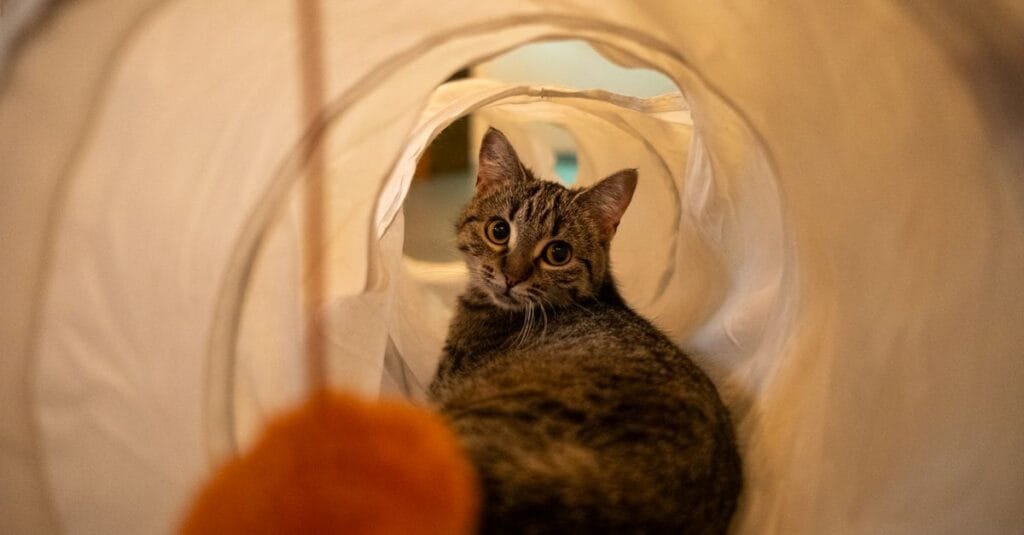
THE HIGHWAY LOGIC: tunnels serve as covered ROUTES between territory assets — the perch window to the food station, the safe room toward the living room — and placement along walls (where cats naturally travel) gets triple the traffic of the room-center showpiece placement humans prefer for photos.
THE MULTI-PET GEOMETRY: in dog households the tunnel is cat-sized sovereignty the dog can’t follow into — place it as the escape link between the dog zone and the cat’s vertical assets, and suddenly the floor-level standoffs drop; the dog-cat protocol counts covered routes among its integration tools.
THE DON’T-PLACE LIST: not in the litter path (ambush hardware near the box teaches box avoidance — the one genuinely counterproductive placement), not blocking the only room exit for the shy cat, and not under direct sun through glass all afternoon (the nylon oven nobody intends) — three ten-second audits, standing doctrine.
The DIY Tier, Care, and Replacement
THE DIY HONESTY: the paper-bag (handles cut — the strangle audit), the cardboard-box train taped mouth-to-mouth, and the video’s sewn version all WORK — cats grade geometry, not receipts — and the honest trade is durability and skid: bought tunnels survive the pounce economy and anchor better; the DIY tier is the trial run that proves your cat’s a tunnel cat before the twenty dollars.
THE CARE LOOP: fabric tunnels shake out weekly and spot-clean (the machine-wash tier exists — the removable-cover law’s cousin: check the label at purchase), the wire-frame inspection monthly per the hazard note, and the vacuum-the-crinkle honesty: crinkle layers hold fur and dust — the shake-out IS the maintenance.
THE REPLACEMENT CALLS: exposed frame wire retires a tunnel immediately (tape is a patch, not a fix, on a spring under tension), shredded interior lining that sheds threads joins the linear-foreign-body caution every cat guide carries, and the flattened-crinkle tunnel that lost its rustle can retire to the quiet-tier role for the noise-averse second cat — the hand-me-down economy, feline edition.
Frequently Asked Questions
Do cats actually use tunnels?
Heavily, when the geometry is right: tunnels serve the ambush instinct (stalk, pounce, escape) and the prey instinct (covered routes across open floor). The most-used tunnels have side portholes, multiple exits, and wall-adjacent placement on the cat’s natural travel lines.
What size cat tunnel should I buy?
Diameter the cat can turn inside — nine-to-ten inches for average cats, twelve-plus for Maine Coons and ragdolls (the big-cat honesty most listings skip) — and around four feet of length, with T- or Y-junctions for multi-cat chase games.
Why do some cats ignore crinkle tunnels?
The crinkle is a temperament split: the rustle mimics prey-in-leaves and delights half of cats while startling the noise-sensitive tier — who take enthusiastically to the identical tunnel in quiet felt or plush. Know your cat before the cart, or trial with the DIY tier first.
How do I get my cat to play with a tunnel?
Play WITH it: the wand toy dragged past a side porthole while the cat’s inside fires the ambush loop — ten minutes is a full hunt session, ended with a caught toy and a treat. Solo service runs on the dangling toy, random treat tosses, and occasional repositioning.
Are cat tunnels safe?
With two audits: the spring-wire frame checked at purchase and monthly for exposed tips (the category’s one real hazard — retire, don’t tape), and shredding interior linings retired before threads join the swallowed-string caution. Skip placement in the litter path and all-day sun.
Where should I put a cat tunnel?
Along walls on the cat’s natural travel lines, as a covered route between territory assets (perch to food station, safe room toward living room), and as the dog-proof escape link in multi-species homes — never blocking the shy cat’s only exit or crowding the litter box.
The Tunnel Rotation System (Keeping It New)
THE NOVELTY ENGINE: tunnels fade from favorite to furniture in a few weeks static — the rotation fix runs two or three configurations swapped fortnightly (straight this week, the Y-junction next, the cube-combo for company), positions migrated per the moved-furniture-is-new-territory rule, and the interior toy swapped from the household’s existing rotation box at zero cost.
THE SEASONAL DEPLOYMENTS: the crinkle tunnel earns its winter keep as the draft-free floor route in cold houses (cats read floor drafts we don’t), the summer version migrates OUT of sun patches per the nylon-oven note, and the holiday-guest configuration — tunnel as covered escape from the loud living room to the safe zone — is the December deployment the anxious-cat households discover by accident and then plan annually.
THE MULTI-SPECIES FOOTNOTE: small dogs use cat tunnels enthusiastically (fine where the cat approves and sizes allow — the terrier-and-tunnel video genre exists for a reason), rabbits treat them as warren infrastructure with the chew-audit doubled, and the toddler household’s tunnel doubles as the year’s best shared toy with the one rule that the CAT’s tunnel-time is sovereign — the retreat that gets invaded stops being a retreat.
The Tunnel-First Shopping Rule
For the enrichment budget deciding its order: the tunnel buys before the robot toys and after the wand — the wand is the relationship, the tunnel is the terrain, and the electronics tier automates what the first two already built; a household with a wand, a tunnel, and a window perch has covered the hunt-hide-watch triad for under forty dollars, which is why the gadget aisle’s hundred-dollar tier keeps losing to fabric and feathers.
The Photography Bonus
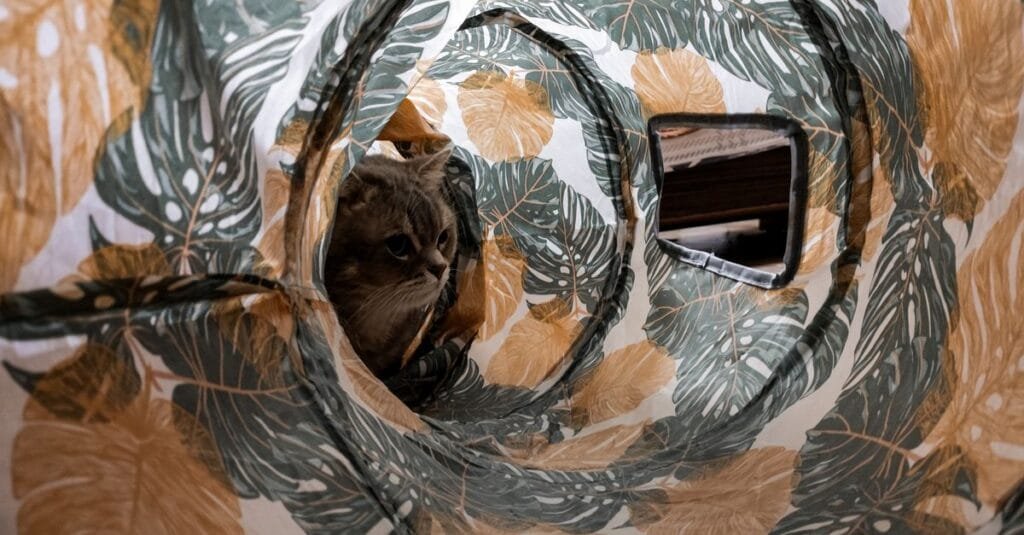
A frivolous truth the category has earned: the porthole headshot — the cat’s face framed in the tunnel’s side window — is the most reliable cat photo in amateur photography, which is why half the product reviews are accidentally excellent portraits; the tunnel pays for itself in camera-roll currency alone, and the household album quietly agrees.
The Bottom Line
Buy portholes and junctions at your cat’s true diameter, answer the crinkle question honestly, place it on the wall-lines between territory assets, and spend ten wand-minutes a day converting the fabric into the hunt — the tunnel is the cheapest hunting ground in the enrichment catalog, and the geometry was always the product.
Two edge cases that round out the category: the OUTDOOR-catio tunnel tier — the rigid mesh tunnels that connect window boxes to enclosures give indoor cats supervised outdoor range, a different product wearing the same name (bought on frame gauge and UV-rated mesh, per the catio doctrine) — and the SENIOR-cat note: aging cats abandon floor-level play less from disinterest than from stiffness, so the senior’s tunnel runs shorter, wider, and beside the food route where walking through IS the game; the arthritic cat who resumes tunnel transit after a vet-guided joint plan is one of the tidier before-and-afters in feline care, and one more case of a toy doubling as a health instrument.
And the kitten-proofing crossover for this week’s adopters: the tunnel is the new kitten’s best first furniture — a safe-room asset that travels to the living room as territory expands, carrying familiar scent into new ground per the introduction protocol’s scent diplomacy.
Every cat in every home is already patrolling invisible tunnels. Ten dollars just makes one of them real.

Hello! I'm Khan Hisham, a dedicated student with a profound passion for enhancing the lives of pets through comprehensive care. At Pawspera, our mission—"Prospering Pets, Every Day"—drives everything we do. We are committed to providing the latest insights, tips, and products that ensure your pet's health and happiness. Join us at Pawspera as we explore innovative ways to care for our furry friends with love and dedication.