The best cat litter is the one your CAT votes for — and the electorate overwhelmingly favors unscented, fine-grained, soft-underfoot CLUMPING CLAY — but the modern ballot runs five real parties: clumping clay (the performance standard: tight clumps, easy scooping, heavy bags), CRYSTAL silica (low-dust, low-tracking, moisture-wicking, pricier), PELLET tiers in pine and recycled paper (low-track, compost-adjacent, different scooping logic), TOFU-and-plant litters (flushable-where-legal, clumping, the fastest-growing tier), and the walnut-corn-wheat naturals — each honest about its trade-offs in clumping, dust, tracking, odor, and price-per-month. The two rules that outrank every brand: UNSCENTED always (perfume serves the human nose and drives cats to your laundry pile — odor control is scooping, not fragrance), and CHANGE LITTERS GRADUALLY (the transition-mix protocol), because the switched-overnight box is the most preventable litter-avoidance case in the genre.
This is the complete cat-litter guide: the five types with their honest trade-offs, the cat’s-vote criteria (texture, scent, depth), the scooping-and-full-change schedule that does the real odor work, dust and tracking managed, the multi-cat and kitten calibrations, the flushing-and-disposal truth, the price-per-month math, and the litter-change red flags that are health signals wearing a housekeeping costume.
Key Takeaways
- Cats vote for unscented, fine-grained, soft-pawed litter — fragrance serves humans and causes avoidance.
- Clumping clay is the performance standard; crystal, pine, paper, and tofu tiers trade honestly against it.
- Odor control is scooping daily plus full changes on schedule — never perfume.
- Switch litters gradually with the transition mix — the overnight swap is the classic avoidance trigger.
- Depth matters: two-to-three inches — cats dig, and the quarter-inch economy pour defeats clumping entirely.
- Sudden litter-habit changes are health signals first: the box reports before the bloodwork does.
The Five Types (Trade-Offs, Honestly)
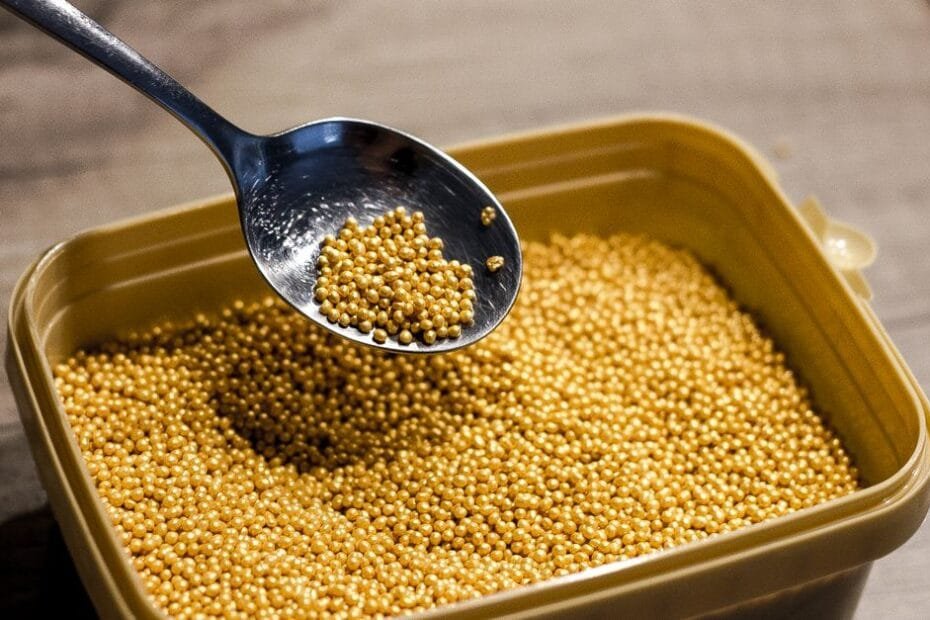
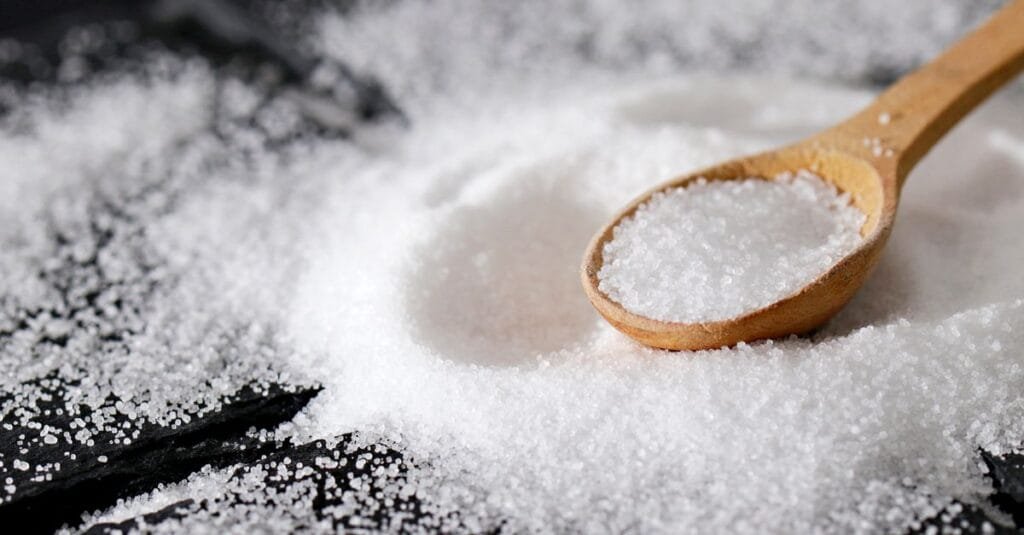
CLUMPING CLAY: the bentonite standard — tight scoopable clumps, the best urine-odor lockdown per dollar, universally accepted by cats — against real costs: dust (the low-dust formulations earn their label premium), tracking (fine grains travel — the mat section handles it), bag weight, and the strip-mined provenance the eco tiers exist to answer. NON-CLUMPING clay survives as the budget-and-kitten tier (below) with the weekly-dump economics that erase its sticker savings.
Also Read
-
Best Kitten Toys: The Four Jobs, the Hands-Are-Never-Toys Law, and the Hunt Sequence

-
Best Dog Camping Gear: The Four Layers, the Backyard Test, and the Camp “Place”

-
Best Cat Tunnels: Portholes, the Crinkle Question, and Ambush Geometry That Gets Used

-
Best Elevated Dog Beds: Airflow Physics, the Three Specs, and the “Place” Bonus

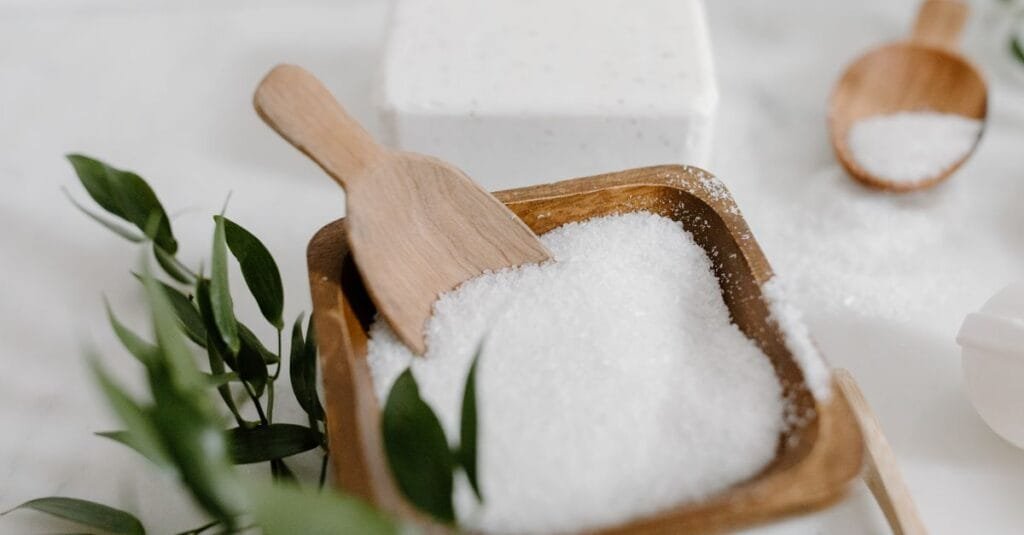
CRYSTAL SILICA: moisture-wicking beads that dehydrate waste — genuinely low-dust and low-track, lighter bags, strong odor run between changes — traded against price, the texture minority of cats who refuse beads underfoot, and the you-must-stir discipline (unstirred crystal saturates in patches and fails early).
THE PLANT TIERS: PINE pellets (sawdust-collapse mechanics, forest smell, near-zero tracking, sifting-box logistics), PAPER pellets (the post-surgery and dust-allergy prescription tier — zero dust, gentle, weak odor control), and TOFU-and-pea litters (clumping AND plant-based, flushable where local rules allow, the price still settling as the tier scales) — plus walnut-corn-wheat clumping naturals with the one honest caveat that grain litters must stay DRY in storage (the aflatoxin note) and appeal-tested like everything else; the framework’s job-first rule picks between them by which trade-off your household actually feels.
The five-litter test above runs the comparison hands-in-the-box — clump integrity and dust plumes on camera, which is exactly the data bags don’t print.
The Cat’s Vote (Texture, Scent, and Depth)
THE TEXTURE PREFERENCE, rooted in paw comfort: most cats favor fine, sand-soft substrate (the desert inheritance again) — declawed and senior cats need it (pellets underfoot can genuinely hurt tender paws — the softness becomes a welfare spec), while a minority imprint happily on pellets when raised on them; the kitten’s first litter writes preferences that last, per the same imprinting the litter-training guide leverages.
THE SCENT LAW, restated as the hill it is: cat noses run orders of magnitude beyond ours, “fresh scent” formulations sit at nose height IN the box, and scented litter is the silent variable behind a real share of avoidance cases — unscented plus baking-soda-modest plus SCOOPING is the entire legitimate odor program; the robot-box tier automates the scooping half for the households that want it.
THE DEPTH SPEC nobody reads: two-to-three inches — enough to dig and bury (the instinct the whole apparatus serves), not so deep the footing goes dune-soft — and the quarter-inch economy pour fails twice: clumps weld to the pan floor AND the cat’s burying instinct goes unserved, which the nearest potted plant will eventually report.
The Schedule (Where Odor Is Actually Controlled)
DAILY: the scoop, non-negotiable, per the care loops — it’s the odor program, the health monitor (the clump-count diagnostics), and the avoidance prevention in one ninety-second habit; top up to depth after scooping, because scooped volume walks out of the box a clump at a time.
THE FULL CHANGE: clumping litters run two-to-four weeks between complete dumps (the box washed with mild soap, never bleach-adjacent scents that linger at cat-nose scale), non-clumping weekly, crystal on its saturation calendar — and the box itself replaces annually-ish, because scratched plastic holds odor no change cycle clears, per the same scarred-plastic logic as the food bowls.
THE TRANSITION PROTOCOL for any litter switch: 25% new mixed into old, stepping up over a week-plus (slower for the set-in-their-ways), watching the box like the ballot it is — abandonment mid-transition means the new litter lost the election, and the graceful concession beats a protest campaign conducted on your duvet.
Dust, Tracking, and the Placement System
THE DUST MANAGEMENT: pour low and slow (the waterfall pour is the plume), the low-dust formulations for asthmatic cats AND humans (feline asthma is real and litter dust is a trigger — the paper tier is the prescription version), and the mask-while-dumping habit for the sensitive households.
THE TRACKING SYSTEM: a textured litter MAT at the box exit (the honest fix — it harvests paw-grains before the hallway does), the high-sided or top-entry box tier for the enthusiastic diggers, pellet tiers for the tracking-hostile household, and the handheld-vacuum station parked nearby per the standing point-of-use doctrine.
THE PLACEMENT-AND-COUNT rules imported from the resource math: boxes-plus-one, spread apart, quiet-but-not-cornered locations with escape sightlines, never beside the food station, and never inside the ambush geometry the tunnel guide warned about — the best litter in the wrong location still loses.
Calibrations, Disposal Truth, and the Money Math
THE KITTEN CALIBRATION: non-clumping or plant litters until the eat-everything phase passes (clumping clay ingested by a litter-tasting kitten can clump internally — the standard caution worth its sentence), shallow pans, and the imprint note from above working FOR you. THE MULTI-CAT calibration: clumping performance matters more per box, the change cadence tightens, and the boxes-plus-one law does more for odor than any premium formula.
THE DISPOSAL TRUTH: bag-and-trash is the standard answer; FLUSHING is a qualified one — only litters explicitly labeled flushable, never in septic systems, and banned outright in some coastal jurisdictions over marine-pathogen concerns (the toxoplasmosis-and-otters story is real regulation, not folklore) — check local rules before believing any bag; composting suits plant litters for ORNAMENTAL beds only, never food gardens.
THE PRICE-PER-MONTH MATH that beats sticker comparison: clumping clay’s heavy bag lasts long (the budget king per month), crystal’s premium amortizes across its longer cycle, pellets sit mid-pack, tofu pays for its virtues — and the auto-ship discount applies per the subscribe-after-the-second-purchase rule, because litter is the definition of a settled consumable once the cat has voted.
Which Box for Which Litter (The Pairing Nobody Mentions)
THE MECHANICAL TRUTH: litters and boxes are a SYSTEM, and mismatches waste good litter — clumping clay wants an open or high-sided box with real floor area (clumps need somewhere to be that isn’t the wall), pine and paper PELLETS want the two-tray SIFTING box that separates spent sawdust from live pellets (pellets in a normal pan mean scooping blind), and crystal wants a shallow, stirrable bed rather than a deep pour.
THE COVERED-BOX CAVEAT restated for the litter aisle: hoods concentrate odor AT CAT LEVEL (the human’s solved problem is the cat’s worsened one), which punishes exactly the low-dust premium you paid for — if the hood stays, the scooping cadence tightens to compensate, and the first avoidance incident is the hood’s exit interview.
THE AUTOMATION PAIRING: robot boxes are engineered around clumping litter almost exclusively (pellets jam rakes, crystal fights conveyors — check the manual before pouring anything exotic), so the household planning the automatic upgrade should settle the cat on a clumping formula FIRST; the machine inherits the litter vote, it doesn’t overrule it.
The Five Litter Mistakes (A Confession Checklist)
MISTAKE ONE: buying scented because the AISLE smelled nice — the purchase decision made at human nose height for a product used at cat nose height. MISTAKE TWO: the overnight switch — new bag, full dump, confused cat, protest puddle; the transition mix exists because this mistake is universal.
MISTAKE THREE: the shallow economy pour — a quarter-inch of premium litter performs worse than two honest inches of budget litter, because clumping needs depth to work; the savings evaporate in pan-scraping and floor-welded clumps. MISTAKE FOUR: topping up forever without full changes — the box that “never smells” to its habituated household announces itself to every guest; the calendar, not the nose, schedules the dump-and-wash.
MISTAKE FIVE: blaming the litter for a location problem — the box beside the furnace that scared the cat mid-squat, the hallway ambush corridor, the food-adjacent placement — and switching brands three times before moving the box once; when avoidance starts, audit PLACE and HEALTH before product, in that order.
Frequently Asked Questions
What is the best cat litter?
The one your cat votes for — overwhelmingly unscented, fine-grained clumping clay as the default, with crystal (low-dust), pine and paper pellets (low-track, gentle), and tofu (plant-based, flushable-where-legal) trading honestly against it. Run any switch through the gradual transition mix.
Is scented or unscented litter better?
Unscented, always — cat noses run far beyond ours, fragrance sits at nose height in the box, and scented litter drives a real share of avoidance cases. Odor control is daily scooping and scheduled full changes, never perfume.
How often should you change cat litter?
Scoop daily (it’s the odor program AND the health monitor), top up to two-to-three inches, full-change clumping litter every two-to-four weeks with a mild-soap box wash, non-clumping weekly — and replace the scratched box itself about yearly.
Can you flush cat litter?
Only litters explicitly labeled flushable, never with septic systems, and not at all in jurisdictions that ban it over marine-pathogen concerns — check local rules before trusting any bag. Bag-and-trash is the standard; plant litters compost for ornamental beds only.
What litter is best for kittens?
Non-clumping or plant litters through the litter-tasting phase (ingested clumping clay can clump internally), in shallow pans — and choose deliberately, because the first litter imprints preferences that last a lifetime.
Why did my cat stop using the litter box after I changed litter?
The overnight swap is the classic trigger — run the 25%-mix transition over a week-plus instead. If habits changed WITHOUT a litter change, think health first: box changes are the earliest signal for urinary and kidney trouble, and the vet call beats the brand experiment.
Storage, the Bulk-Buy Math, and the Odor Emergency
THE STORAGE RULES that protect the purchase: litter lives in an AIRTIGHT bin (clay and crystal are humidity sponges — the damp garage bag pours pre-clumped and half-spent), grain-and-plant litters double the dryness discipline for the storage reason already named, and the bin location stays scoop-adjacent, because a refill that requires a trip to the basement is a depth spec that quietly erodes.
THE BULK MATH honestly run: the forty-pound tier prices dramatically under the small boxes per pound — but only AFTER the cat’s vote is settled; the bulk buy of a litter still on probation is how garages accumulate monuments to feline opinion, so the sequence is fixed: small bag, transition mix, two settled weeks, THEN the bulk-and-subscribe tier.
THE ODOR EMERGENCY PROTOCOL (guests at six, box announcing itself at four): scoop first — always first — then a thin baking-soda dusting under a fresh top-up, the bathroom fan or a cracked window doing honest ventilation work, and the hard truth that a box still loud after all three is overdue for the full dump-and-wash, not another product; air fresheners layered over an unscooped box combine the two smells into a third, worse one, at cat height AND guest height.
The Bottom Line
Run unscented fine-grain as the default, let the five tiers trade on the costs your household actually feels, scoop daily and change on schedule, pour to real depth, transition every switch gradually, and read sudden box changes as the health signals they are — the litter aisle is noisy, but the cat’s ballot has three lines and they never change.
The cat can’t review the litter. The laundry pile is where bad reviews get filed — so win the election the first time.

Hello! I'm Khan Hisham, a dedicated student with a profound passion for enhancing the lives of pets through comprehensive care. At Pawspera, our mission—"Prospering Pets, Every Day"—drives everything we do. We are committed to providing the latest insights, tips, and products that ensure your pet's health and happiness. Join us at Pawspera as we explore innovative ways to care for our furry friends with love and dedication.