
Protecting dog paws from hot pavement runs on one test and three substitutions: the SEVEN-SECOND TEST (back of your hand flat on the surface — if you can’t hold it seven seconds, the walk doesn’t happen there), and when the pavement fails, you substitute TIME (dawn and post-dusk, because asphalt banks heat all day and radiates it into the evening), SURFACE (grass, dirt trails, and shaded sidewalks over asphalt and artificial turf — which runs hottest of all), or GEAR (boots for the unavoidable crossings, conditioned properly because no dog accepts them cold). The stakes are burn physics: asphalt can pass 125°F when air reads the mid-80s, pad burns happen in under a minute at those surfaces, and the burned dog often walks ON the injury because the alternative is standing on it — which is why prevention owns this guide and the burn protocol at the end is short, serious, and ends at the vet.
This is the complete hot-pavement playbook: the surface physics and the seven-second test, the timing windows that make the whole problem disappear, the surface map from grass to artificial turf, the boot program (fit, conditioning, and the drunk-walk phase), the balm-and-boots division of labor, the burn recognition-and-response protocol, and the city-dog systems for households with no grass option.
Key Takeaways
- The seven-second test governs: back of hand flat on the surface — can’t hold it, can’t walk it.
- Asphalt banks heat: it can hit 125°F+ in mid-80s air and stays dangerous past sunset — test the evening walk too.
- Surface map: grass and dirt beat concrete, concrete beats asphalt, and artificial turf runs hottest of everything.
- Boots work only conditioned: fit measured, introduced as treat dispensers, and the drunk-walk phase laughed through.
- Balm conditions pads; it does not fireproof them — the division of labor matters on 90-degree days.
- Burn signs — limping after walks, licking paws, pads discolored or blistered — are vet calls, not balm jobs.
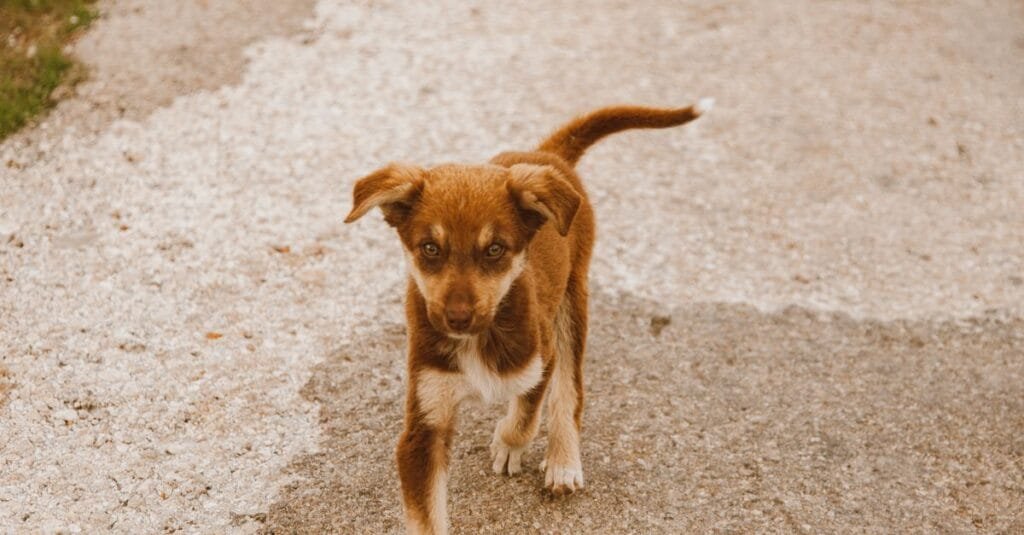
The Physics and the Seven-Second Test
THE HEAT-BANKING TRUTH: dark asphalt absorbs solar load all day and re-radiates it for hours — surface temperatures run 40–60 degrees above air temperature in direct sun, cross the pad-burn threshold around 125°F while the air still reads “nice,” and hold dangerous heat into the evening — which is why the 8 p.m. summer walk still gets the hand test, and why “but it’s cooler now” burns paws every July.
Also Read



THE TEST, formalized: back of the hand (more heat-sensitive than the palm) FLAT on the walking surface for a slow seven-count — comfortable means go, wincing means substitute, and the test repeats per surface on mixed routes because the shaded concrete and the sun-soaked asphalt fifty feet apart are different planets.
THE PAW-PHYSIOLOGY NOTE that explains the stakes: pads are tough against abrasion, not heat — and dogs mask early burn pain in motion (the excitement of the walk outvotes the signal), so the first owner-visible sign is often the AFTER-walk limp or lick, when the damage is already booked; prevention isn’t caution theater here, it’s the only version of protection that works.
The paw-care walkthrough above — from a professional groomer — covers the pad-inspection and maintenance habits this guide’s prevention system stands on.
Timing and the Surface Map
THE WINDOWS, shared with the cooling guide because they solve both problems: DAWN owns the long walk (surfaces at their overnight coolest), post-dusk hosts the second outing WITH the hand test (the banking effect), and midday shrinks to grass-adjacent necessities — the schedule substitution that makes boots and balm mostly unnecessary for suburban dogs with route options.
THE SURFACE LADDER, coolest to cruelest: shaded grass and dirt trails (the sniff-walk doctrine’s favorite venues anyway), light-colored concrete in shade, light concrete in sun, dark asphalt — and ARTIFICIAL TURF at the bottom: plastic grass runs hotter than asphalt in direct sun and has burned paws at dog parks whose owners assumed “grass”; the turf dog-run gets the hand test every single visit.
THE ROUTE AUDIT city households run once: map the standing shade (building shadows move predictably — the north-side route), the grass verges and pocket parks, the crossings where asphalt is unavoidable (short, quick, or booted), and the destination logic — drive-then-walk to the trail beats the sidewalk death-march to it, per the same honest math as every route choice.
The Boot Program (Fit, Conditioning, and the Drunk Walk)
THE FIT PROTOCOL: paw width measured standing (weight spreads the paw — the standing trace, per the boot guide), straps snug at two-finger, and the boot that stays on through a play bow before it’s trusted on a route — lost boots are the category’s main complaint and they’re a fit-and-conditioning symptom, not a product defect.
THE CONDITIONING LADDER, because no dog accepts boots cold: boots as treat dispensers on the floor for days, one boot worn indoors for thirty paid seconds, the full set with the DRUNK-WALK phase (the high-stepping flamingo comedy every boot dog performs — film it, laugh, keep paying), then short outings before real routes — the training pillar’s ladder applied to footwear, one week start to finish for most dogs.
THE DIVISION OF LABOR with the balm guide, stated cleanly: BOOTS block heat and salt (the physical barrier tier for unavoidable hostile surfaces), BALM conditions the pads themselves (the night-cream tier for crack prevention) — balm before a hot walk is not protection, and the marketing that implies otherwise is how burned pads happen with a product receipt attached.
The Burn Protocol (Recognition and Response)
THE SIGNS: limping or lameness AFTER a walk, obsessive paw-licking, pads that look discolored (white patches, deep red, or darker-than-normal), visible blisters or loose pad flaps, and the reluctance to walk that reads as stubbornness until the paws get looked at — the post-walk paw glance on hot days is the sixty-second habit that catches all of it early.
THE FIRST RESPONSE: flush with cool (not ice) water or a cool-water soak for several minutes, no ointments or home creams on burned tissue (they seal heat and complicate the vet’s job), no licking (the cone or a loose sock for transport), and the VET CALL for anything past mild redness — pad burns are open wounds on a weight-bearing surface with infection stakes, and they heal well treated early and miserably treated late.
THE HEALING HONESTY: burned pads mean days-to-weeks of restricted, booted, or carried outings (the indoor exercise substitutions earn their keep), bandage changes done as prescribed, and the return-to-pavement gradual — new pad tissue burns easier than the leather it replaced, which is one more argument for never booking the injury at all.
City Systems and the Special Tiers
THE NO-GRASS HOUSEHOLD’S KIT: the dawn-shifted schedule as the backbone, the shade-route map, boots normalized YOUNG (the city puppy who learns boots at four months owns the sidewalk for life), the balcony-and-indoor enrichment bank for heat-wave days, and the paw-cleaner station handling what city surfaces deposit regardless of temperature.
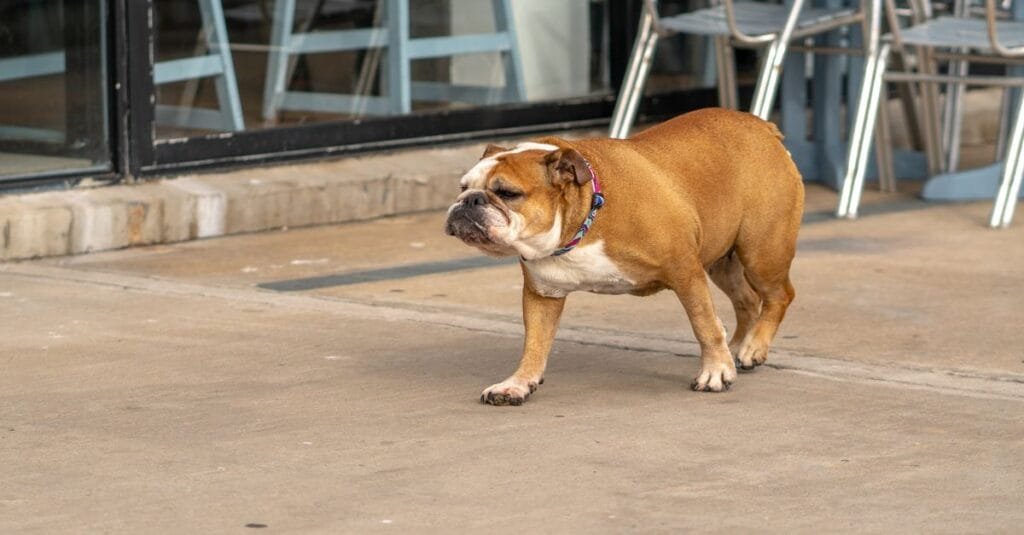
THE SPECIAL TIERS: PUPPIES have baby-soft pads that burn faster and toughen only with gradual, cool-surface mileage (the pavement conversation and the vaccine-schedule conversation happen in the same vet visit), SENIORS shuffle and drag more (more contact time per step — stricter windows), and the FLAT-FACED breeds stack pavement risk atop their cooling risk: the bulldog’s summer walk is short, dawn, grass, and done — both guides in one sentence.
THE WINTER MIRROR, noted for the year-round readers: everything here inverts in January — salt and ice replace heat, the same boots and the balm’s barrier-layer trick carry the season, and the paw-inspection habit never takes a month off; the pads are the same leather all year, and so is the sixty-second glance.
Frequently Asked Questions
How hot is too hot for dog paws on pavement?
Pad burns start around 125°F surface temperature — which asphalt reaches in mid-80s air and holds past sunset. Skip the math and use the seven-second test: back of your hand flat on the surface; if you can’t hold it, the walk substitutes time, surface, or boots.
What is the seven-second rule for dogs?
Place the back of your hand flat on the walking surface for a slow seven-count — comfortable means walk, wincing means don’t. Re-test per surface (shaded concrete and sunny asphalt are different planets) and re-test in the evening, because asphalt banks heat for hours.
Do dogs really need boots for hot pavement?
Only where timing and surface substitutions run out — unavoidable asphalt crossings, city summers, post-burn healing. And boots work only conditioned: measured fit, the treat-dispenser introduction, the indoor drunk-walk phase, then real routes — about a week, start to finish.
Does paw balm protect against hot pavement?
No — balm conditions pads against cracking; it doesn’t insulate against 125°F asphalt, and softened pads can be more vulnerable. Boots block; balm conditions; timing and surface choice do most of the real work.
How do I know if my dog’s paws are burned?
After-walk limping, obsessive licking, discolored pads (white patches, deep red), blisters, or loose pad flaps. Flush with cool water, block the licking, skip home ointments, and call the vet for anything past mild redness — pad burns are open wounds on weight-bearing surfaces.
Is artificial turf safe for dogs in summer?
It runs HOTTER than asphalt in direct sun — the “grass” assumption burns paws at dog parks every summer. Hand-test turf every visit, favor real grass and shade, and treat sunny turf hours as booted-or-skipped.
The Alternative-Surface Bank (Beyond the Sidewalk)
THE VENUE LIST for pavement-hostile weeks: the dawn beach where local rules allow (wet sand at low tide is the summer’s kindest surface — dry sand hand-tests like asphalt by noon), the forest trail’s permanent shade, the school field’s off-hours grass, the pet-store-and-hardware-store indoor walk (the sniff-rich air-conditioned lap that counts as an outing), and the sniff-spot session — twenty minutes in one shaded, smell-dense corner spends the budget without mileage at all.
THE CAR-LOGISTICS note the venue list requires: the drive-to-walk pattern runs the parked-car law in reverse — the dog never waits in the vehicle at either end — and the shade-parked, windows-managed, human-stays-with-dog standard applies to every trailhead lot in July.
THE PAD-CONDITIONING truth that ties the week together: pads toughen on honest, gradual, COOL-surface mileage — the spring ramp that builds summer leather — and the all-carpet dog dropped onto July concrete has the least protection of any paw in the neighborhood; conditioning is a calendar, not a product, and it starts in April.
The Burn-Season Calendar Note
The regional honesty: the danger window runs longer than intuition — southern-tier asphalt fails the hand test from May through September and desert cities nearly year-round, while the northern surprise is the first 85-degree June weekend when unconditioned spring paws meet summer-hot pavement for the first time; the calendar’s worst single day for pad burns is early summer everywhere, because neither the pavement nor the paws had warmed into the season yet — test earliest in the year, not latest.
The Windshield-Test Companion
One more field instrument: if the car’s parked dashboard reads untouchable, the asphalt beneath it is worse — the parking-lot crossing at the trailhead deserves the same seven seconds as the sidewalk, and the truck-bed note writes itself: unshaded metal truck beds fail every test this guide owns, every summer hour, no exceptions.
The Bottom Line
Test with your hand, walk at the day’s cool ends, choose the surface ladder’s top rungs, condition boots before you need them, keep balm in its conditioning lane, and treat every post-walk limp as the report it is — hot-pavement safety is one habit and three substitutions, and the dog never has to learn what asphalt costs.
The community footnote for the dog-park and sidewalk-cafe set: the test travels — the patio outing checks the standing surface under the table (a dog stands on that spot for an hour), the dog-park visit checks the turf AND the water-bowl situation before committing, and the group-walk organizer who calls the route by surface and shade earns every dog’s feet a better afternoon. Paw safety is mostly invisible when it works, which is exactly the compliment: the dog who never learned what asphalt costs walks past it, sniffing, toward the grass someone chose on purpose.
Seven seconds of your hand against a lifetime of their feet. The test was never optional.