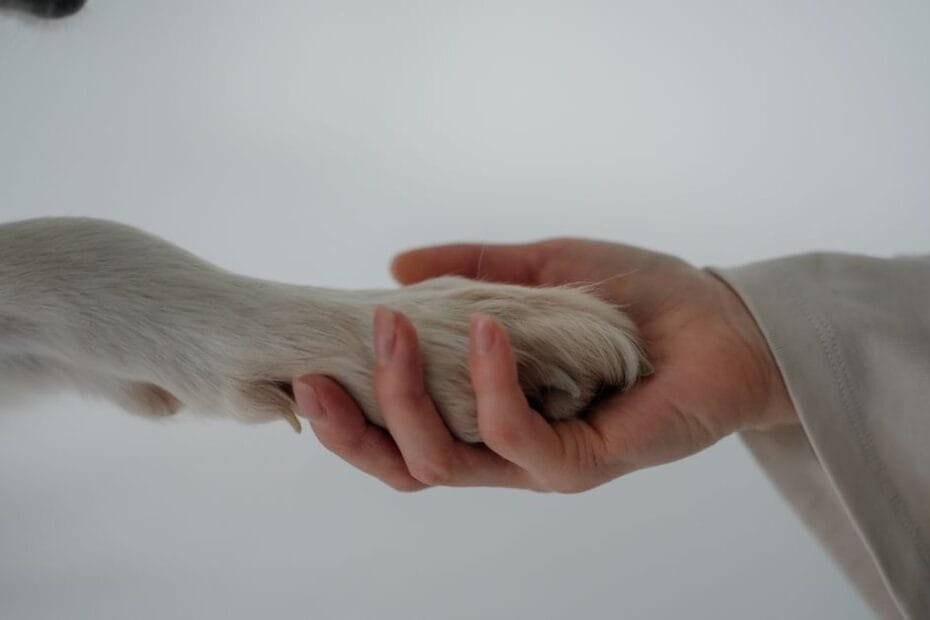
The best dog paw balm is a NATURAL-WAX formula (beeswax or plant-wax base with shea, coconut, or vitamin-E tier oils) that is LICK-SAFE by design — because every applied balm is a tasted balm — applied thin at bedtime so it absorbs before the floor tax collects it, and used as a CONDITIONING layer for dry, cracked, and rough pads rather than as armor: balm improves pad resilience, but it does not fireproof paws against summer asphalt or de-ice winter salt — that job belongs to boots, timing, and the route choices this week’s pavement guide covers. The buying filter runs short: ingredient lists you can read aloud, no essential-oil cocktails (several are toxic licked at volume), a tin or stick format your patience matches, and the honest note that healthy pads want to be LEATHERY — the goal is supple and crack-free, not baby-soft, because soft pads injure faster.
This is the complete paw-balm guide: what balm actually does (and the armor myth retired), the ingredient list decoded with the lick-safety filter, tin versus stick versus spray formats, the application protocol that survives a dog’s opinion, the paw-inspection habit that catches what balm can’t fix, the seasonal calendar (summer pads versus winter salt), and the vet line for the cracks that are symptoms.
Key Takeaways
- Balm conditions; it doesn’t armor: resilience for dry and cracked pads — boots and timing handle heat and salt.
- Everything applied gets licked: readable natural-wax ingredients only, and no essential-oil cocktails.
- Healthy pads are leathery on purpose — the goal is supple and crack-free, not soft.
- Apply thin at bedtime: absorption beats the floor tax, and the sock trick covers the determined lickers.
- The weekly paw inspection outranks any product — cracks with limping, bleeding, or licking are vet calls.
- Cooperative-care training makes the whole category work: paws handled and paid daily are paws you can treat.
What Balm Actually Does (The Armor Myth, Retired)
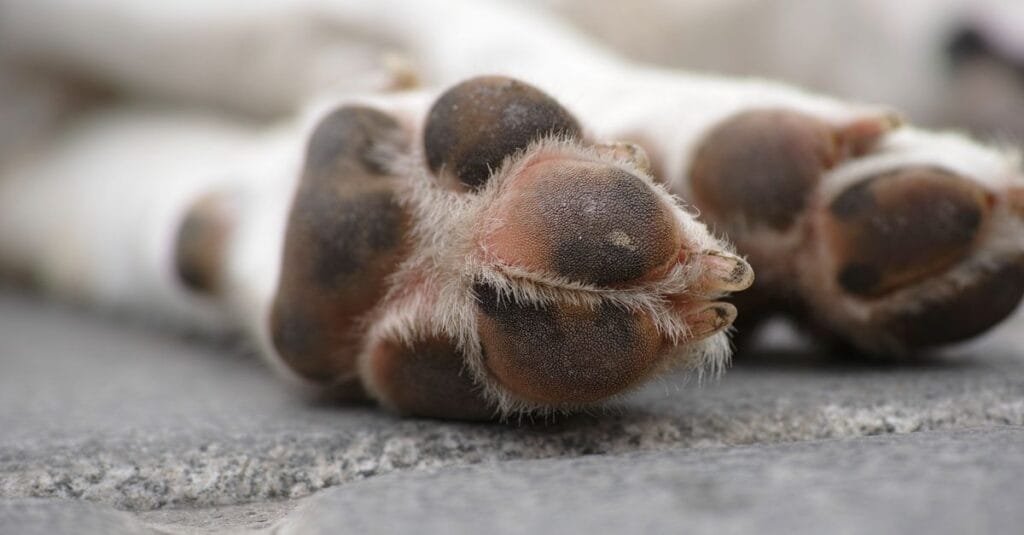
THE CONDITIONING JOB: pad skin is thick keratin that dries, cracks at the edges, and roughens under weather and mileage — wax-and-oil balms slow moisture loss and restore flexibility, which genuinely prevents the crack-deepening cycle where small fissures collect grit and widen — and used a few nights a week on a dry-pad dog, the before-and-after is visible inside a month.
Also Read

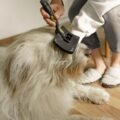
THE ARMOR MYTH: a millimeter of wax does not insulate against 125°F asphalt (the pavement guide’s physics), does not block de-icing salt’s chemistry for more than a few steps, and the balm-then-hot-walk routine can even soften pads into MORE vulnerability — balm is the night cream, boots are the work gloves, and the marketing that blurs them sells burned paws.
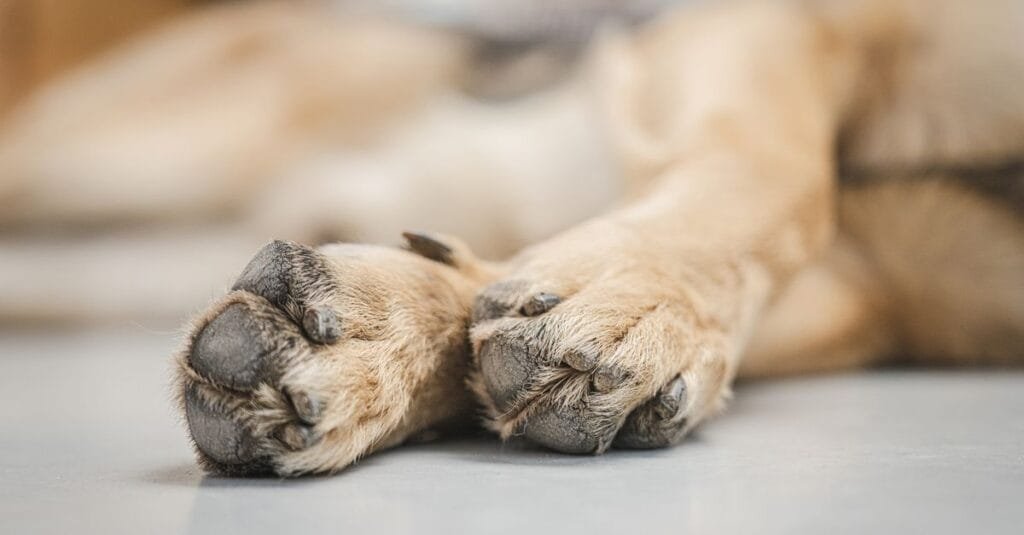
THE LEATHERY TRUTH the category undersells: pads toughen with honest mileage on varied surfaces, and that toughness is protective — the goal is CONDITIONED tough (flexible, crack-free), not cosmetic softness; the barefoot-hiking dog with supple leather pads is the spec, and the balm exists to keep that leather from cracking, not to babyfy it.
The veterinarian’s balm guide above covers the cracked-pad triage and the ingredient logic — including the DIY recipe for the households that want to read every single ingredient because they made it.
The Ingredient Filter (Lick-Safe by Design)
THE GOOD LIST: beeswax or candelilla base (the moisture seal), shea butter and coconut oil (the conditioners), calendula and vitamin E (the gentle support tier), and the readable-aloud rule from the buying framework — a paw balm’s ingredient list should sound like a pantry, because the application site is two licks from the stomach.
THE SKIP LIST: essential-oil cocktails (tea tree, pennyroyal, and several others are genuinely toxic to dogs at ingestion volumes — and “a dog-safe amount” on an unregulated label is a promise, not a measurement), zinc-oxide formulas (toxic licked — it’s a human diaper-cream crossover error), petroleum-heavy bases (safe-ish but gut-upsetting at licked volumes and the least effective conditioners), and anything with “fragrance” — the pads don’t care and the tongue collects it.
THE HUMAN-PRODUCT QUESTION answered plainly: plain coconut oil works as a light conditioner in a pinch (and gets enthusiastically licked off before absorbing — the format argument below), human lotions and creams are formulated for skin that doesn’t get licked and mostly belong off the menu, and the purpose-made lick-safe tin costs single dollars a season — the DIY tier (beeswax, shea, coconut, the video’s recipe) is the one honest alternative.
Formats and the Application Protocol
THE FORMAT LADDER: the TIN (scoop and massage — best absorption control, coldest-weather stiffness), the STICK (deodorant-style glide — fastest for wiggly dogs and the winter-door routine), and the SPRAY-AND-FOAM tier (quickest, thinnest, best for maintenance weeks and worst for genuine cracks); most households end at tin-for-nights plus stick-by-the-door, which is also the seasonal split below.
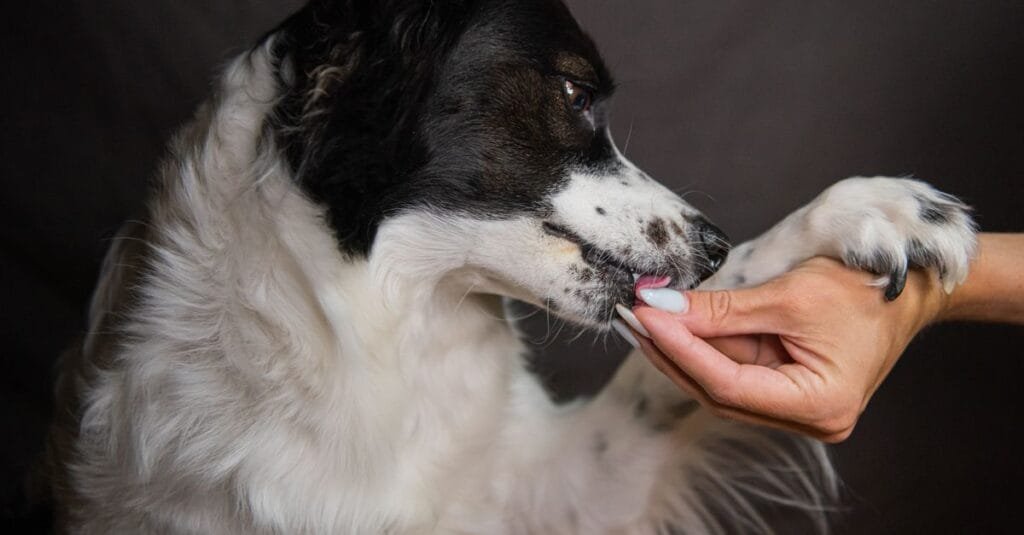
THE BEDTIME PROTOCOL: thin layer massaged pad-by-pad (including the often-missed carpal pad up the leg), thirty seconds of massage per foot (absorption plus the health pillar’s hands-on scan in disguise), a treat cadence through the whole event per cooperative care, and the settle-on-mat or sleep timing that beats the immediate lick-off — the SOCK TRICK (a breathable dog sock for twenty minutes) covering the determined lickers.
THE HANDLING FOUNDATION this product secretly requires: paws touched and paid daily from the training pillar’s earliest sessions — the dog that offers a paw for treats accepts balm in ten seconds; the paw-guarding dog needs the cooperative-care ladder BEFORE the product, and no tin fixes that sequencing.
The Inspection Habit (What Balm Can’t Fix)
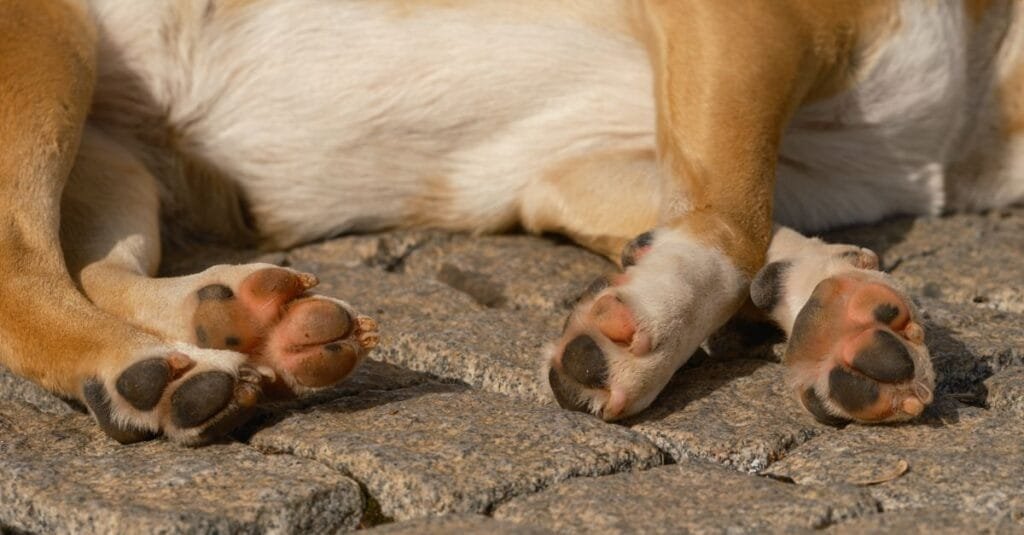
THE WEEKLY PAW CHECK, sixty seconds a dog: pads scanned for cracks-with-depth, cuts, blisters, and burns; BETWEEN the toes for grass awns, burrs, pebbles, and the matted-fur pellets that torque toes (the grooming pillar’s trim territory); nails per the clicking test; and the lick-audit — a dog focused on one paw is reporting something, and the report deserves the flashlight look before the balm.
THE VET-LINE LIST: limping with any pad issue, bleeding cracks, burn blisters (the pavement aftermath — white or ragged pad surface is the emergency-tier version), swelling between toes (foxtail country especially — awns migrate and become surgical), persistent licking of one spot, and cracked pads on ALL FOUR feet (systemic dryness can flag conditions the health pillar’s call-tier handles — hyperkeratosis and its cousins are diagnoses, not product categories).
THE CLEANING PARTNER: the paw cleaner and the door-mat wipe routine remove the salt, mud, and chemistry BEFORE they dry into the cracks balm then has to fix — the wash-then-condition order every skin-care system runs, at dog height.
The Seasonal Calendar (Summer Pads, Winter Salt)
SUMMER: pads dry under mileage and heat — the balm cadence rises to nightly in the hot months, the pavement guide’s timing rules do the actual protection, and the post-beach protocol (rinse the sand and salt, then condition) saves the seaside dogs’ feet; the burn-aftermath note repeats deliberately: suspected pavement burns are vet calls, not balm applications.
WINTER is the category’s heavy season: de-icing salts crack pads chemically and get licked off painfully — the door-side routine runs stick-balm BEFORE the walk (a thin barrier layer is the one legitimate “light armor” use, against salt’s minutes-long contact rather than heat’s instant physics), the warm-water paw dip AFTER, and the boot tier for the salted-city dogs who’ll tolerate them.
THE MAINTENANCE YEAR: spring and fall drop to the few-nights-a-week conditioning cadence, the tin’s expiry honored loosely (natural waxes keep a year-plus; rancid oil smell is the retirement notice), and the balm slot in the grooming caddy per the station doctrine — products used live where they’re used.
Frequently Asked Questions
What is the best paw balm for dogs?
A lick-safe natural-wax formula — beeswax or plant-wax base with shea, coconut, and vitamin-E tier conditioners — with an ingredient list that reads like a pantry: no essential-oil cocktails, no zinc oxide, no fragrance. Tin for bedtime conditioning, stick for the winter door routine.
Does paw balm protect against hot pavement?
No — a wax layer doesn’t insulate against 125°F asphalt, and softened pads can be MORE vulnerable. Balm conditions dry and cracked pads; heat protection comes from timing, routes, the seven-second test, and boots — the companion guide covers that whole system.
Is it OK if my dog licks paw balm?
With a lick-safe formula, yes — that’s the design requirement, since every applied balm is a tasted balm. Apply thin at bedtime, massage it in, distract with a treat cadence, and use the twenty-minute sock trick for determined lickers.
How often should I put balm on my dog’s paws?
Nightly during summer mileage and winter salt season, a few nights weekly for maintenance — thin layers always. The goal is supple, crack-free leather, not softness: pads are tough on purpose, and the balm protects the toughness.
When are cracked paws a vet problem?
Limping, bleeding, burn blisters (white or ragged pad surface), swelling between toes, fixation on one paw, or cracking across all four feet — systemic dryness can flag real conditions. Balm treats weathering; symptoms see the vet first.
Can I use coconut oil or human lotion on dog paws?
Plain coconut oil works in a pinch (and gets licked off before absorbing); human lotions are formulated for un-licked skin and mostly belong off the menu. The purpose-made tin costs single dollars a season, and the DIY beeswax-shea recipe is the honest homemade route.
The Balm Buying Checklist (Assembled)
THE FILTER, in checkout order: ingredient list readable as a pantry (beeswax or plant wax + shea/coconut + vitamin E), NO essential-oil cocktail, no zinc, no fragrance; the format matched to the job (tin for bedtime, stick for the door); size honesty (tins run seasons — the giant jar outlives its freshness); replacement-availability for the format your routine adopts; and the price sanity check — the category runs single-digit dollars, and the luxury tier is buying packaging.
THE STORAGE-AND-TRAVEL notes: tins soften in hot cars and stiffen in winter mudrooms (the stick’s glide survives both better), the hiking kit carries the mini-tin beside the first-aid basics for trail cracks and the post-hike condition, and the expiry nose-test stands — rancid oil smell retires the tin regardless of remaining volume.
THE ROUTINE INTEGRATION that makes any product work: balm lives in the grooming caddy, applies at the same nightly anchor (the settle-mat, the last-out-then-bed sequence), and pairs with the weekly inspection — because the product is thirty percent of pad health and the HABIT is the rest, which is the entire recurring thesis of this site’s care wing.
The Sock-and-Settle Combo
For the household whose dog treats every application as an appetizer: the breathable dog sock (or a toddler sock for small breeds) over the balmed paws during a twenty-minute settle-mat session with a chew — absorption wins, the chew redirects the tongue, and the routine converts the whole event into one more paid cooperative-care rep; by month two most dogs skip the sock because the licking habit starved.
The Multi-Dog Tin Economy
One tin serves the household — balm doesn’t cross-contaminate the way medications do — but the ROUTINE runs per-dog: separate inspection minutes (each dog’s paws have their own history), the size-appropriate layer (the chihuahua’s pads take a fingertip; the shepherd’s take the scoop), and the color-coded sock sets for the households running the settle-combo on a pack.
The Bottom Line
Buy the pantry-list tin, apply thin at bedtime with the massage and the treat cadence, run the weekly inspection that catches what conditioning can’t, shift to the stick-before-walks routine when the salt arrives, and let boots and timing do the armor work — the balm’s job was always the leather, and the leather’s job is the miles.
The species footnote: CAT paw care runs gentler and rarer — indoor cats’ pads self-maintain and mostly need the between-toes fur trim for the longhairs and the senior-cat check as grooming flexibility fades; balm applies only for vet-flagged dryness, in the thinnest lick-safe layer, because cats out-lick dogs by an order of magnitude. And the NOSE crossover the tins advertise: the same lick-safe formulas condition the dry, crusty nose tier (seniors and certain breeds) — a legitimate second job with the same rule: persistent nose changes (crusting, color loss, cracking that returns) are dermatology questions for the vet before they’re product questions for the tin.
Four paws carry the whole adventure budget. Sixty seconds and a thin layer a night is cheap rent.