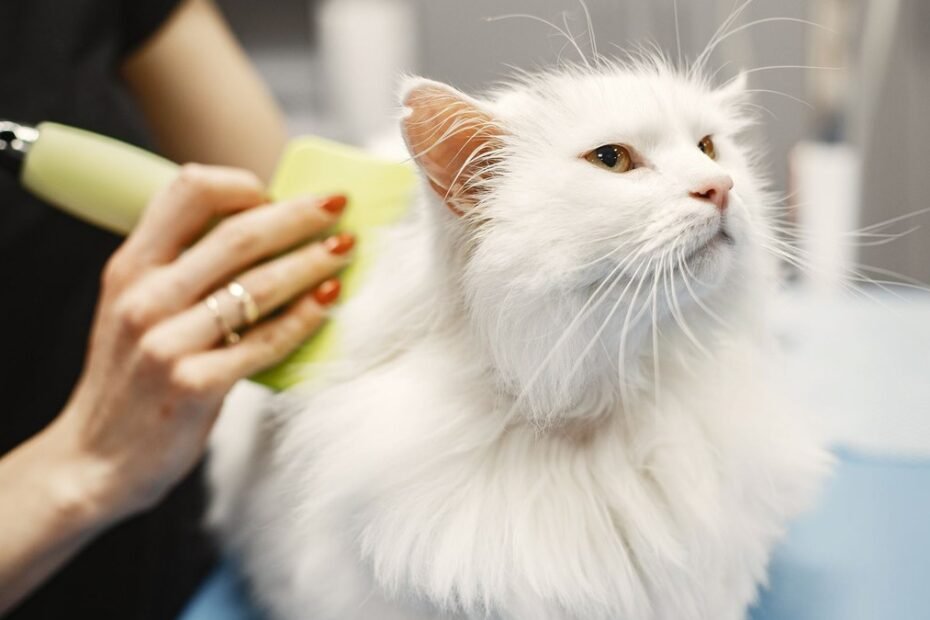
If your cat hates being brushed but your home is covered in fur, cat grooming gloves might be the answer you’ve been looking for. These soft, silicone-tipped gloves let you groom your cat simply by petting them — gentle, soothing, and far less stressful than a traditional brush for many cats. They remove loose hair, reduce shedding and hairballs, and double as a bonding massage. This guide covers everything about cat grooming gloves: how they work, the benefits, what to look for, how to use them, and which cats benefit most.
What Are Cat Grooming Gloves?
Cat grooming gloves are wearable gloves with soft rubber or silicone bristles (little nubs) on the palm and fingers. As you stroke your cat the way you’d normally pet them, the gentle bristles catch and collect loose fur. To your cat, it feels like a pleasant petting session or massage rather than being “groomed” — which is exactly why so many cats that resist brushes happily accept the gloves. After grooming, the collected fur peels off the glove in a satisfying sheet for easy disposal.
Why Use Grooming Gloves?
Grooming gloves solve a common problem: many cats dislike or fear traditional brushes, turning grooming into a battle. Because the gloves mimic petting, they’re gentle, calming, and stress-free, making it possible to groom even brush-averse or nervous cats. They effectively remove loose hair before it ends up on your furniture and clothes, help reduce hairballs (by removing fur your cat would otherwise swallow while self-grooming), and provide a relaxing massage that strengthens your bond. For a lot of cat owners, the gloves transform grooming from a chore into a pleasant shared moment.
Also Read



The Benefits of Cat Grooming Gloves
- Less stress — feels like petting, so anxious or brush-hating cats accept it.
- Reduces shedding — removes loose fur before it covers your home.
- Fewer hairballs — less loose fur for your cat to swallow while self-grooming.
- Bonding & massage — the soothing motion relaxes your cat and deepens your connection.
- Easy to use — just pet your cat; no technique required.
- Reaches tricky spots — the glove contours to your hand for legs, chest, and face areas.
Cat grooming glove picks on Amazon
Gentle grooming your cat will actually enjoy:
Grooming Gloves vs. Traditional Brushes
Both have their place. Brushes (slicker brushes, deshedding tools, combs) are more thorough for heavy deshedding, dense undercoats, and removing mats — but many cats dislike them. Gloves are gentler, more soothing, and far better tolerated, ideal for regular maintenance grooming and for cats that won’t accept a brush. For short-haired cats and routine fur removal, gloves are often all you need. For long-haired cats or serious deshedding and detangling, you may want a brush too. Many owners use gloves for everyday, calming grooming and a brush occasionally for a deeper job — the best of both.
What to Look For in Grooming Gloves
- Soft, well-placed bristles — silicone or rubber nubs that catch fur gently without scratching.
- Good fit — an adjustable strap so the glove stays snug and you keep control.
- Easy fur removal — the collected hair should peel off easily for quick cleanup.
- Comfortable material — breathable and comfortable for you to wear.
- Washable — easy to clean and reuse.
- One or two gloves — some come as a pair; one is often enough, but a pair speeds things up.
How to Use Cat Grooming Gloves
Using them couldn’t be simpler — that’s the appeal. Put on the glove, then stroke your cat in the direction of their fur, just as you would when petting them, paying attention to the back, sides, chest, and gently around the legs and neck. The bristles collect loose hair as you go. Go slowly and gently, especially at first, and let your cat enjoy it like a massage. Peel the accumulated fur off the glove and dispose of it. Keep sessions short and positive, and your cat will likely come to look forward to “glove time.” Avoid sensitive areas like the face and belly unless your cat is comfortable, and never force it.
Which Cats Benefit Most?
- Brush-averse cats — those who hate or fear traditional brushes accept gloves far more readily.
- Shedding cats — regular glove grooming keeps loose fur off your home.
- Short-haired cats — gloves are often all the grooming they need.
- Anxious or sensitive cats — the gentle, petting-like motion is calming.
- Senior cats — a soft, soothing way to groom older cats who may find brushes uncomfortable.
- Cats prone to hairballs — removing loose fur reduces what they swallow.
Grooming as Bonding Time
One of the loveliest things about grooming gloves is how they turn grooming into quality time. Because it feels like affectionate petting, glove grooming relaxes your cat and reinforces the bond between you — many cats purr through it. Building a gentle, regular grooming routine also gets your cat used to being handled, which makes vet visits and other care easier. It’s a win-win: your cat enjoys the attention and massage, and you keep their coat healthy and your home fur-free. Few grooming tools double so naturally as a bonding activity.
Other Grooming Tools to Pair With Gloves
Gloves are great for everyday fur removal, but a complete grooming kit includes a few more items: a slicker brush or deshedding tool for deeper work and long coats, a comb for detangling and finishing, nail clippers for claw care, and pet-safe wipes for quick cleanups. For long-haired cats especially, gloves alone won’t prevent mats, so pair them with a proper brush. Building a small, varied grooming kit — led by the gentle gloves your cat enjoys — covers all your cat’s coat-care needs.
How Often Should You Groom Your Cat?
It depends on coat and shedding. Short-haired cats benefit from a glove grooming a few times a week, while long-haired cats need more frequent attention (often daily) to manage their coat and prevent mats. During heavy shedding seasons, you’ll want to groom more often. Because glove grooming is so pleasant, frequent short sessions are easy and even enjoyable for your cat. Regular grooming keeps shedding under control, reduces hairballs, and gives you a chance to check your cat over — little and often is the ideal approach.
A Note on Your Cat’s Skin and Health
Grooming is a perfect opportunity to check your cat’s skin and coat for any issues. While you groom, feel for lumps, bumps, scabs, fleas, ticks, bald patches, or areas that seem sore or sensitive, and notice changes in coat condition. Catching these early helps. If you find anything unusual — persistent skin irritation, excessive scratching, hair loss, parasites, or lumps — check with your vet. Grooming gloves are gentle, but always be careful around sensitive spots, and stop if your cat shows discomfort. A gentle grooming routine doubles as a regular health check.
Keeping Your Grooming Glove Clean
Like any grooming tool, gloves work best when kept clean. After each session, peel off the collected fur for disposal, and periodically wash the glove to remove oils, dander, and buildup — most are easy to rinse or hand-wash, and some are machine-washable (check the label first). Let it dry fully before storing to prevent odor or mildew. A clean glove grips loose fur more effectively and stays hygienic for both you and your cat. Keeping it somewhere handy — near where you relax with your cat — also makes it easy to grab for those frequent, quick grooming sessions. A well-maintained glove lasts longer and keeps working well, session after session.
Frequently Asked Questions
Do cat grooming gloves actually work?
Yes — for removing loose hair and reducing shedding, especially on short-haired cats, they work well and are gentle. Because they feel like petting, they’re great for cats that hate brushes. For long-haired cats or heavy deshedding and mats, pair them with a proper brush.
Are grooming gloves better than a brush?
They’re gentler and far better tolerated, ideal for routine grooming and brush-averse cats. Brushes are more thorough for dense undercoats, long coats, and mats. Many owners use gloves daily and a brush occasionally for a deeper job — the two complement each other.
How do I use a cat grooming glove?
Put it on and stroke your cat in the direction of their fur, just like petting, focusing on the back, sides, and chest. The bristles collect loose hair, which peels off for disposal. Go gently, keep sessions short and positive, and avoid sensitive areas unless your cat is comfortable.
Will grooming gloves reduce shedding and hairballs?
Yes — regularly removing loose fur means less ends up on your furniture and less is swallowed by your cat during self-grooming, which helps reduce hairballs. Consistent grooming, especially during shedding seasons, makes a noticeable difference.
Are grooming gloves good for long-haired cats?
They help with surface loose fur and are gentle, but long-haired cats also need a proper brush or comb to prevent and remove mats, which gloves can’t fully handle. Use gloves for pleasant routine grooming and a brush for deeper detangling.
How often should I use grooming gloves?
A few times a week for short-haired cats, more often (even daily) for long-haired cats or during heavy shedding. Since cats usually enjoy the petting-like motion, frequent short sessions are easy and keep shedding and hairballs under control.
Key Takeaways
- Cat grooming gloves remove loose fur as you pet your cat — gentle, soothing, and great for brush-averse cats.
- They reduce shedding and hairballs, double as a bonding massage, and are easy to use.
- Look for soft well-placed bristles, a good adjustable fit, easy fur removal, and washability.
- Ideal for short-haired, shedding, anxious, and senior cats; pair with a brush for long coats and mats.
- Groom regularly, use it as a skin/health check, and see your vet about any lumps or skin issues.
Cat grooming gloves are a brilliant, gentle solution for keeping your cat’s coat healthy and your home fur-free — especially if your cat hates being brushed. Turn grooming into a relaxing bonding session your cat enjoys, pair the gloves with a brush for long coats, and make it a regular routine. Explore more in our Pet Grooming & Hygiene guides.

Hello! I'm Khan Hisham, a dedicated student with a profound passion for enhancing the lives of pets through comprehensive care. At Pawspera, our mission—"Prospering Pets, Every Day"—drives everything we do. We are committed to providing the latest insights, tips, and products that ensure your pet's health and happiness. Join us at Pawspera as we explore innovative ways to care for our furry friends with love and dedication.