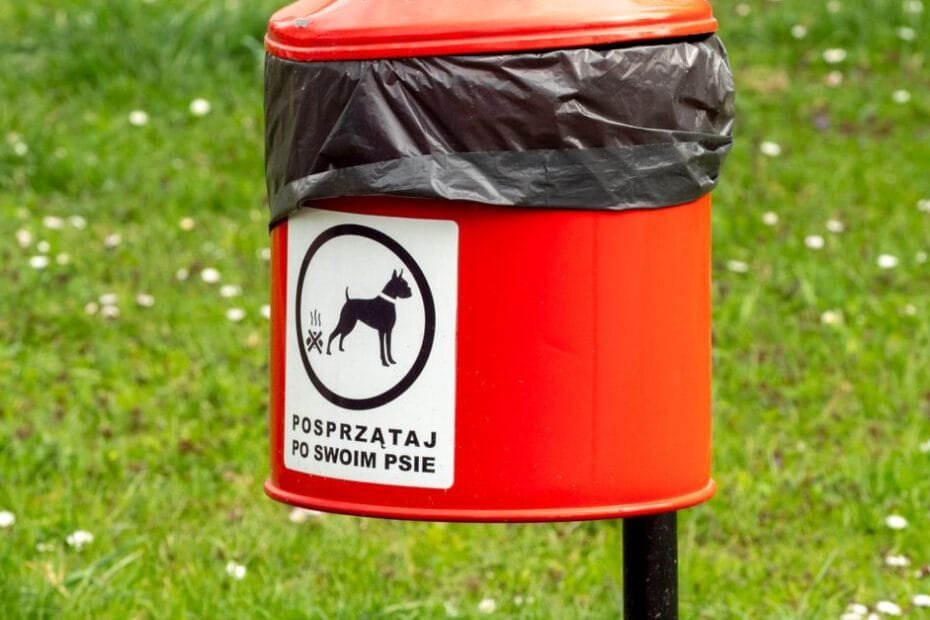
Choose dog poop bags by checking the bag dimensions, room to tie the opening and whether the roll fits your dispenser. Compare the exact product information instead of assuming every thick-looking or “eco” bag performs the same way.
This existing guide covers bag formats, dispenser fit, environmental labels and disposal. The aim is a practical buying check, not a tested product ranking or a promise that a bag makes cleanup germ-free.
Why Poop Bags Matter
Pick up after your dog and dispose of the waste using the method accepted locally. CDC dog-care guidance explains that dog poop can carry germs, and recommends washing hands after contact with poop even when a bag was used.
Also Read
-
Best Cat Litter: The Five Types, the Unscented Law, and the Cat’s Vote

-
Best Kitten Toys: The Four Jobs, the Hands-Are-Never-Toys Law, and the Hunt Sequence

-
Best Dog Camping Gear: The Four Layers, the Backyard Test, and the Camp “Place”

-
Best Cat Tunnels: Portholes, the Crinkle Question, and Ambush Geometry That Gets Used

Check the rules for the park, property or municipality where you walk rather than assuming that one legal requirement applies everywhere. A bag is a cleanup tool, not proof that your hands or the surrounding area are germ-free.
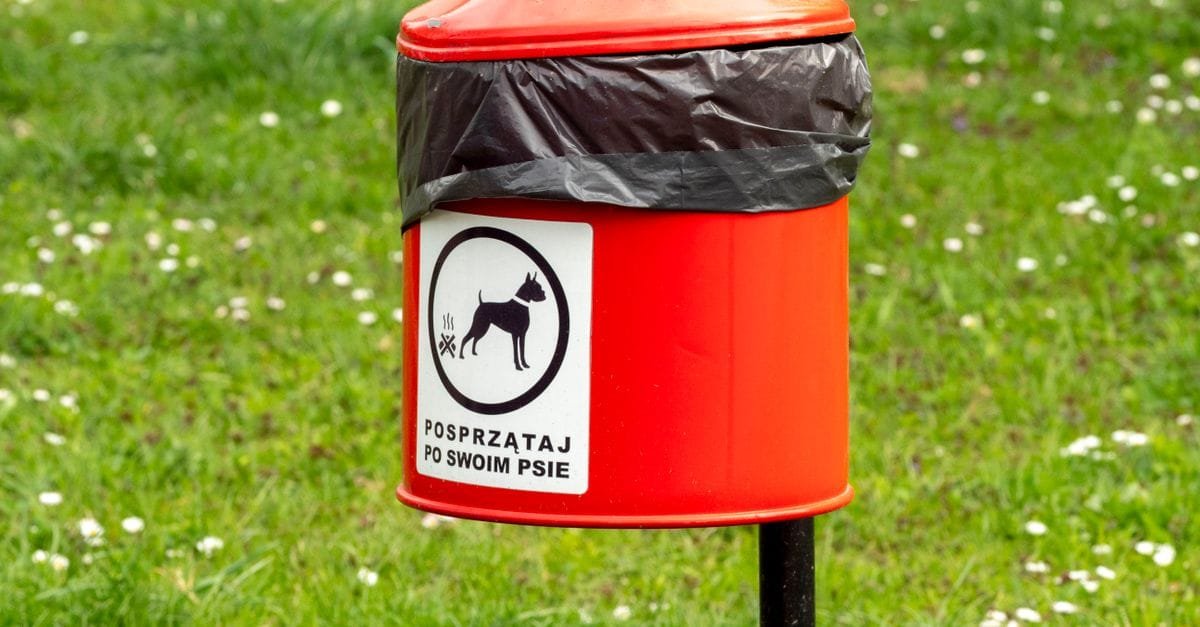
Types of Dog Poop Bags
Standard Plastic Bags
These are basic plastic bags, often sold on rolls. Compare the actual dimensions, material and price rather than assuming every plastic bag performs the same way. This guide does not establish an overall environmental ranking among materials.
Biodegradable & Compostable Bags
Marketed as breaking down faster or being made from plant-based materials, these appeal to eco-conscious owners. A compostable label describes specified conditions; it does not by itself establish a lower overall environmental impact or mean that a local service accepts the used bag.
Scented Bags
Lightly scented to help mask odor — a nice-to-have for carrying a tied bag until you find a bin, though the scent is mild and personal preference varies.
Bags With Handles / Tie Handles
Bags with built-in handles make tying them shut quick and clean, keeping your hands further from the mess — a small but appreciated convenience.
Dispenser Refill Rolls
Rolls may fit a leash-mounted dispenser, but compare the roll dimensions with the exact holder before buying. Check the supply before each walk and carry a spare if useful for your routine.
Dog poop bag picks on Amazon
Compare bag sizes, roll formats and dispensers; these are category searches, not tested product recommendations:
What to Look For in a Poop Bag
- Claimed leak resistance and material condition — check the exact product information and inspect the bag for damage before use. Thickness alone does not establish performance.
- Adequate size — big enough for your dog’s output (larger dogs need larger bags).
- Easy to open — few things are more frustrating than fumbling to separate a bag mid-walk; good bags open easily.
- Comfortable to use — handles or a generous size make tying and carrying cleaner.
- Dispenser-compatible — if you use a leash dispenser, get rolls that fit it.
- Environmental claims — check the exact certification or claim, required disposal conditions and whether your local service accepts pet waste in that bag.
The Truth About “Biodegradable” Bags
Do not treat “biodegradable” and “compostable” as interchangeable promises. The FTC summary of its Green Guides explains that environmental claims need evidence and appropriate qualifications, including the conditions and availability of composting.
Read what the exact product claims, which standard or certifier is named and where the bag is intended to go after use. A certificate for the bag does not show that a facility accepts dog waste, and a green label does not mean a used bag will harmlessly disappear in a landfill.
Ask your local waste service about an accepted disposal route for both the bag and its contents. This guide does not claim that one bag material is universally greener, and it does not recommend putting dog waste in an ordinary home garden-compost pile.
Poop Bag Dispensers and Holders
A dispenser keeps a roll with the leash or walking bag, but only if you refill it. Compare the holder opening and roll dimensions, and check that its attachment suits the leash or bag you use.
A separate holder for a tied bag may be convenient until you reach an accepted bin. It is an optional accessory, not a requirement or a guarantee that you will never run out.
How Many Poop Bags Do You Need?
Estimate the number you use on a typical walk and keep enough for that routine plus a sensible spare. Check the dispenser before leaving home; buying a large pack is optional, and a lower unit price is useful only if the bags fit and you will use them.
Flushable Bags: A Word of Caution
Do not assume that a “flushable” label means your local wastewater service accepts the bag or dog waste. For this bagged-cleanup routine, tie the bag and use a bin designated for pet waste or accepted by the local waste service; ask that service about any uncertainty.
Disposing of Dog Waste Responsibly
Always tie the bag securely and dispose of it in a designated waste or dog-waste bin — never leave a tied bag on the ground or hang it on a fence (a surprisingly common and unhelpful habit). Don’t put dog waste in home compost or recycling. Use a composting facility only if it explicitly accepts both pet waste and that specific bag; certification alone does not establish acceptance. Responsible disposal completes the job — picking up is only half of it; getting the bag into the right bin is the rest.
Poop Bags for Travel and Multiple Dogs
For travel or several dogs, estimate the extra bags your outing may need and check the local disposal options. Keep spares with the supplies you actually take, and follow the bag manufacturer’s storage instructions rather than leaving stock indefinitely in a hot vehicle.
A Note on Your Dog’s Health
Notice changes from your own dog’s usual stool, but do not use this buying guide to diagnose illness or decide that a particular appearance proves health. Ask your veterinarian about persistent changes, blood or other signs that concern you.
Common Poop Bag Mistakes to Avoid
- Buying without checking the details — compare usable size, inspect material condition and read the exact product information before choosing a pack.
- Running out — not keeping spares stocked in your dispenser, bag, and car.
- Leaving tied bags behind — on the ground or hung on fences; always bin them.
- Trusting vague “eco” claims — check the claim, conditions and an accepted local disposal route.
- Flushing bags unsafely — risking plumbing clogs.
- Composting dog waste at home — it can carry harmful pathogens.
Storing and Organizing Your Poop Bags
Keep the dispenser and a sensible spare near the leash, then check the supply before each outing. Store remaining bags according to their manufacturer’s instructions and inspect any damaged packaging before use.
A bag in the cupboard cannot help if it never makes it onto the walk. Choose one place to check and refill the walking kit rather than assuming that buying in bulk makes preparation automatic.
Frequently Asked Questions
What should I look for in dog poop bags?
Compare the bag’s dimensions with the amount it needs to hold, check that you can open and tie it comfortably, and confirm the roll fits your dispenser. A thickness or leak-resistance claim is not a guarantee; check the exact product information and the condition of each bag.
Are biodegradable poop bags really better for the environment?
A label alone does not establish an overall environmental advantage. Check the exact evidence or certification, the conditions needed for breakdown and whether a local service accepts that bag with pet waste inside.
Can I flush dog poop bags?
Do not assume the bag is accepted by your local wastewater service. For the bagged routine here, use an accepted pet-waste or household-waste bin and ask the local service if the instructions are unclear.
How many poop bags should I buy?
Base the quantity on your actual walks, with a sensible spare. Check fit before committing to a large pack, and check the dispenser before each outing.
Do I need a poop bag dispenser?
A dispenser is optional. If you use one, compare the roll dimensions with its holder, check the supply before each walk and carry a sensible spare where it is easy to reach.
How should I dispose of dog waste?
Tie it securely and use a bin accepted for pet waste locally. Do not leave it on the ground, put it in recycling or assume a composting service accepts it; check the local collection instructions.
Key Takeaways
- Pick up after your dog, follow local disposal instructions and wash your hands afterward, even if you used a bag.
- Check the claimed leak resistance, actual material condition, usable size and dispenser fit; thickness is not a performance guarantee.
- Check environmental claims against their conditions and an accepted local disposal route; certification is not an overall impact ranking.
- Check the supply before each outing, carry a sensible spare and use an accepted local disposal bin.
- Notice changes from your dog’s usual stool and ask your veterinarian about changes that concern you.
Start with the fit: check the bag dimensions, how it opens and ties, and whether its roll fits your dispenser. Carry enough for the outing, use an accepted local disposal bin and wash your hands afterward; browse our Pet Gear & Accessories guides for more equipment topics.

Hello! I'm Khan Hisham, a dedicated student with a profound passion for enhancing the lives of pets through comprehensive care. At Pawspera, our mission—"Prospering Pets, Every Day"—drives everything we do. We are committed to providing the latest insights, tips, and products that ensure your pet's health and happiness. Join us at Pawspera as we explore innovative ways to care for our furry friends with love and dedication.