
To clean your dog’s ears safely, squeeze a vet-approved ear cleaner into the ear canal, gently massage the base of the ear for a few seconds, let your dog shake its head, then wipe the visible part of the ear with a cotton ball. Never push anything deep into the ear. This step-by-step guide walks you through it, plus the mistakes to avoid and when to call your vet.
Key Takeaways
- Use a dog-specific ear cleaner — not water, alcohol or human products.
- Never use cotton swabs deep in the ear — they can push debris further in and cause damage.
- Clean only the visible part — the cleaner and your dog’s head shake do the rest.
- Don’t over-clean — most healthy dogs need it only occasionally.
- See your vet if you notice redness, a bad smell, discharge or pain — those can signal infection.
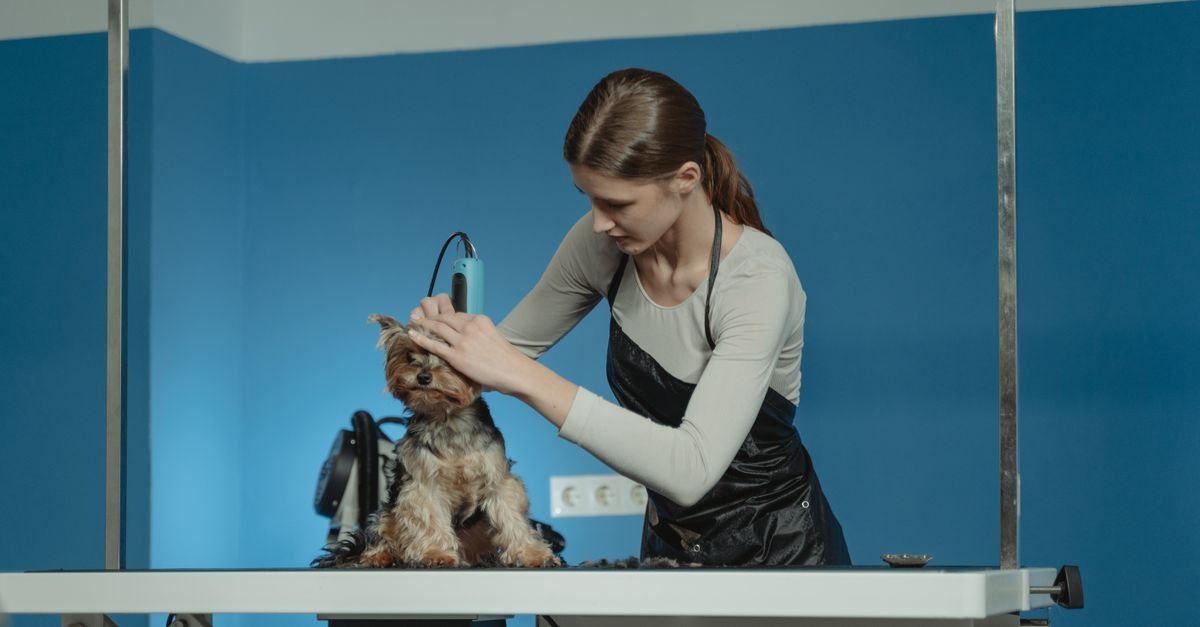
Why cleaning your dog’s ears matters
Your dog’s ears naturally collect wax, dirt and moisture. Left to build up, that can lead to discomfort and infections.
Regular, gentle cleaning helps keep the ears healthy and lets you spot problems early.
Also Read



It’s a simple habit that supports your dog’s overall grooming routine — much like brushing or bathing. For the full picture, see our guide to grooming your dog at home.
How often should you clean your dog’s ears?
It depends on the dog. Many healthy dogs need their ears cleaned only once a month or even less.
Dogs with floppy ears, lots of ear hair, allergies, or those who swim often may need more frequent cleaning.
The rule of thumb: clean when the ears look slightly dirty, not on a rigid schedule. Over-cleaning can irritate healthy ears.
What you’ll need
Gather everything before you start so the process is quick and calm.
- A dog-specific ear cleaning solution — you can find vet-formulated dog ear cleaners on Amazon.
- Cotton balls or gauze — never cotton swabs for inside the ear.
- A towel — your dog will shake, and it can get messy.
- Treats — to reward and keep the experience positive.
Choose a cleaner made for dogs. Human ear products, alcohol, vinegar or hydrogen peroxide can sting or harm the ear.
How to clean your dog’s ears step by step
- Settle your dog. Pick a calm spot and reward them for relaxing.
- Fill the ear canal. Gently squeeze the recommended amount of cleaner into the ear.
- Massage the base. Rub the base of the ear for 20–30 seconds — you’ll hear a squishing sound as it loosens debris.
- Let them shake. Step back and let your dog shake its head; this brings debris up and out.
- Wipe the visible area. Use a cotton ball to wipe the outer ear and the part of the canal you can see — no deeper.
- Reward and repeat. Give a treat, then do the other ear.
Keep it gentle and upbeat. If your dog seems in pain at any point, stop and check with your vet.
Mistakes to avoid
- Pushing swabs deep. Cotton swabs can pack debris down and injure the eardrum.
- Using the wrong liquid. Skip water, alcohol, vinegar and human products.
- Over-cleaning. Cleaning healthy ears too often can cause irritation.
- Cleaning an infected ear. If the ear is red, smelly or painful, see the vet first.
- Rushing. A calm, rewarded dog makes every future cleaning easier.
Which dogs need more frequent ear cleaning?
Some dogs are more prone to ear buildup and infections.
Breeds with long, floppy ears (like Cocker Spaniels and Basset Hounds) trap more moisture and warmth.
Dogs that swim, dogs with allergies, and breeds with hairy ear canals also tend to need extra attention.
If your dog fits one of these groups, check their ears weekly even if you don’t clean that often.
Signs your dog’s ears need attention
Watch for these between cleanings:
- Frequent head shaking or scratching at the ears.
- Redness or swelling inside the ear.
- A bad or yeasty smell.
- Dark or excessive discharge.
- Whining or pain when you touch the ears.
These can be early signs of a problem — and often overlap with other common signs of illness in pets.
Understanding your dog’s ear (and why swabs are risky)
A dog’s ear canal isn’t a straight tube — it bends in an L shape before reaching the eardrum. That shape naturally traps wax and moisture, which is exactly why buildup and infections happen more in dogs than in people.
It’s also why cotton swabs are risky. A swab can push debris around that bend and pack it against the eardrum, or damage the delicate canal.
Liquid cleaner works with the ear’s shape instead of against it. You pour it in, massage, and let your dog shake the loosened debris up and out — no poking required.
How to clean a puppy’s ears
Puppies benefit hugely from gentle, early handling, because it makes ear care feel normal for the rest of their life. Start young and your dog will barely notice ear cleaning as an adult.
Use the same dog-safe cleaner you’d use for an adult, but go extra slowly and keep every session very short. A puppy’s patience is limited, so a quick, positive experience beats a thorough struggle.
Reward generously with treats and praise at each step. You’re not just cleaning ears — you’re teaching your puppy that having its ears handled is a good thing.
Are homemade or natural ear cleaners safe?
It’s tempting to mix up a DIY cleaner, but caution is wise. Vinegar, hydrogen peroxide and alcohol can sting, dry out or irritate the ear, especially if the skin is already inflamed or broken.
A proper dog ear cleaner is pH-balanced for a dog’s ear and formulated to break down wax safely. That makes it gentler and more effective than most kitchen-cupboard mixes.
If your dog already has an ear problem, don’t experiment at all. Ask your vet what they recommend, since the wrong liquid can make an infection worse.
How much does dog ear cleaning cost?
Cleaning your dog’s ears at home is very affordable. A single bottle of dog ear cleaner is inexpensive and lasts a long time, since you use only a small amount each session.
Professional grooming often includes ear cleaning in the package, and your vet will clean ears during a check-up or while treating a problem. Those are convenient, but cost more per clean than doing it yourself.
For routine maintenance, home cleaning is easily the most economical choice once you’re comfortable with the steps.
How to prevent ear problems in the first place
A little prevention cuts down how often you deal with dirty or infected ears. The single biggest tip is to dry your dog’s ears after baths and swimming, because trapped moisture is a leading cause of trouble.
Keep ear hair managed if your breed grows a lot inside the ear, since it traps debris and reduces airflow. If your dog has allergies, work with your vet to manage them, as allergies are a common driver of chronic ear issues.
Finally, check the ears regularly even when you’re not cleaning. Catching a small change early is far easier than treating a full infection later.
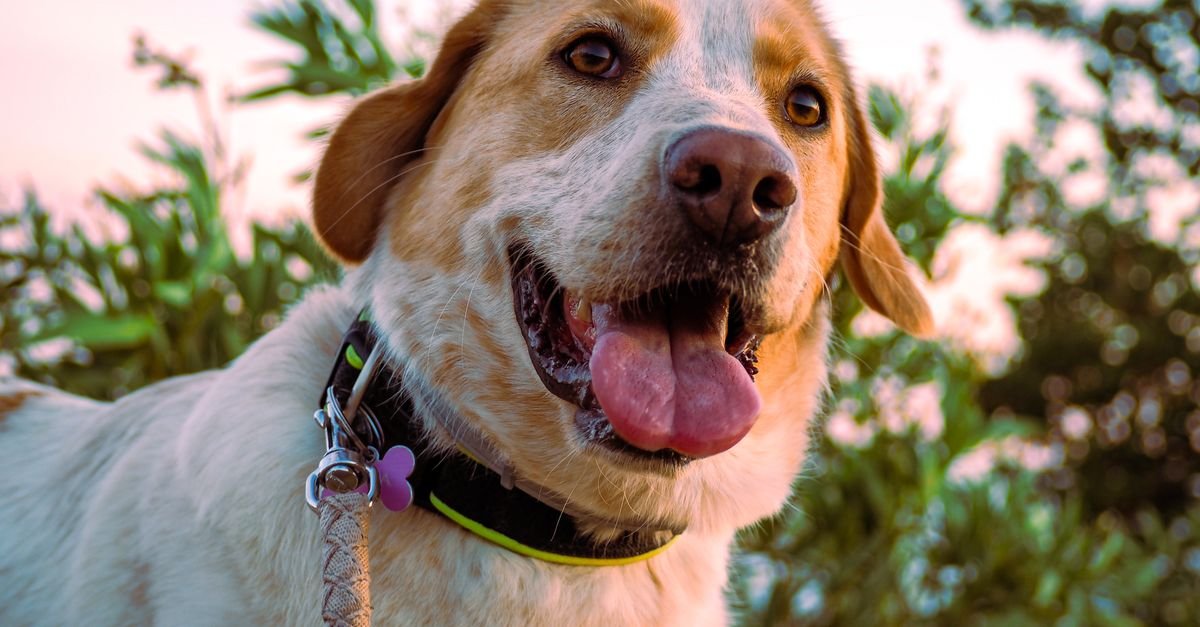
What does a healthy dog ear look like?
Knowing what “normal” looks like makes trouble easy to spot. A healthy ear is pale pink inside, has very little odor, and shows only a small amount of light-colored wax.
There should be no redness, swelling, dark or heavy discharge, or strong smell. Your dog also shouldn’t flinch, whine or scratch when you touch the ears.
If everything looks and smells fine, your dog’s ears may not need cleaning right now — and that’s perfectly okay.
Make ear care part of your grooming routine
Ear cleaning works best as one piece of a regular grooming habit rather than a random chore. Pairing it with brushing, nail trims and baths means it never gets forgotten.
A steady routine keeps your dog comfortable and used to being handled all over. It also gives you frequent, natural chances to notice anything unusual early.
Build the habit while your dog is calm and relaxed, and ear care becomes a quick, stress-free part of life together.
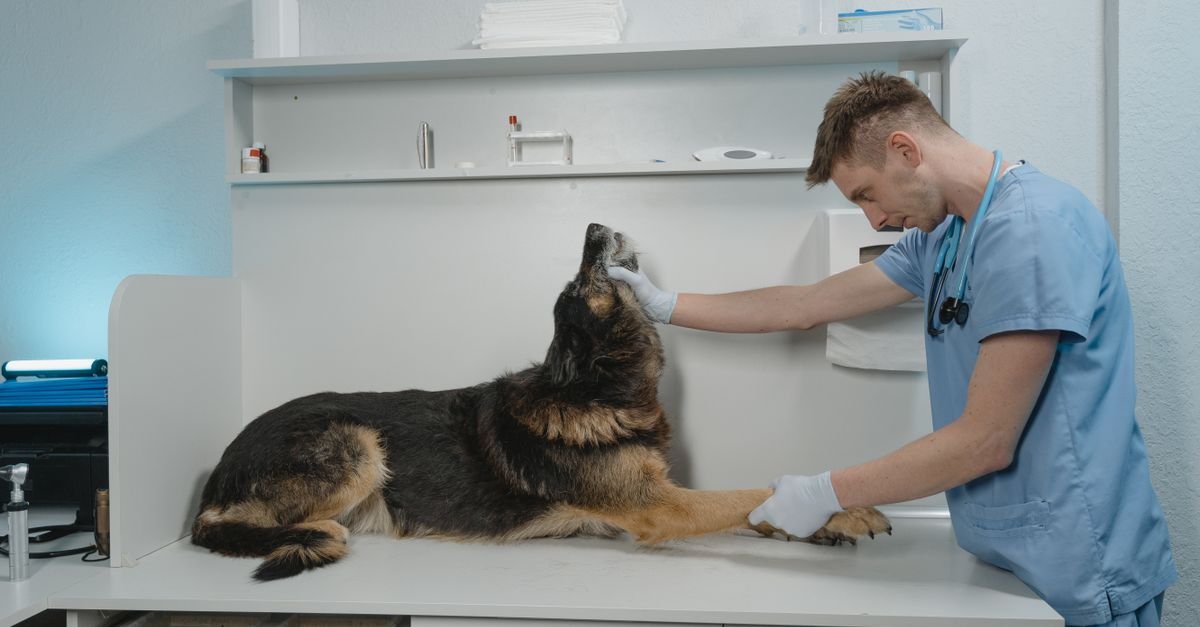
When to see your vet
Home cleaning is for maintenance, not treatment.
If you see redness, swelling, a strong odor, discharge, or your dog is clearly in pain, book a vet visit rather than cleaning.
Ear infections and mites need proper diagnosis and medication — cleaning alone won’t fix them, and poking a sore ear can make things worse.
This guide is general information, not veterinary advice. When in doubt, always consult your vet.
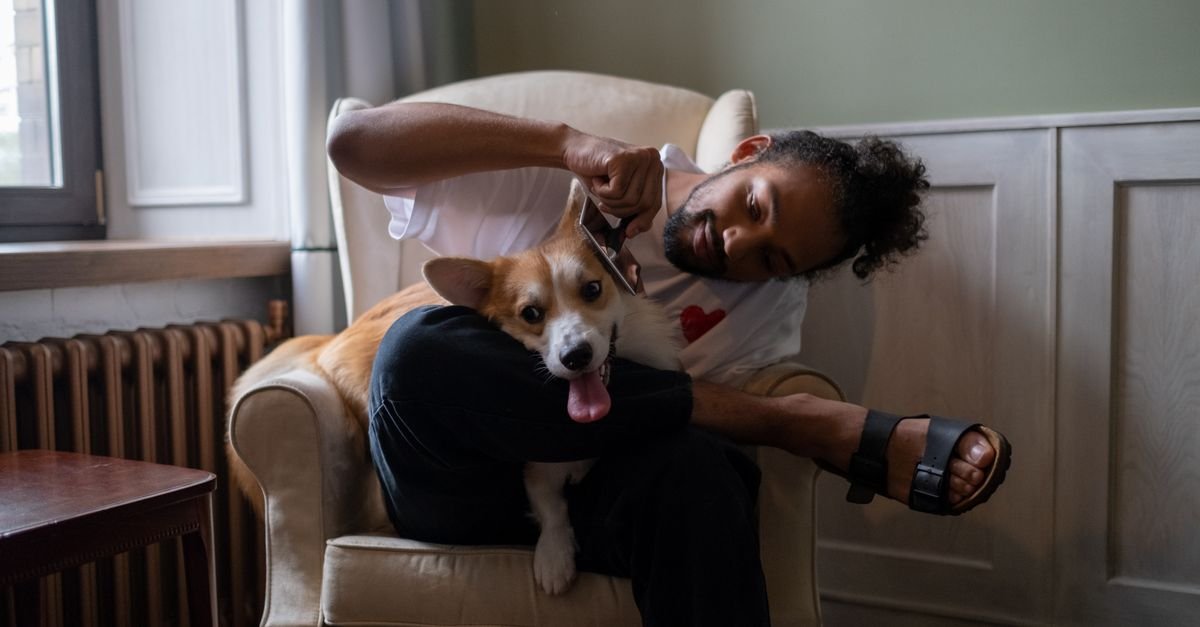
How to make ear cleaning easier
The secret is positive associations.
Start young if you can, keep sessions short, and pair every step with treats and praise.
Handle your dog’s ears gently at other times too, so the ears aren’t only touched at cleaning time.
A dog that trusts the routine will sit calmly — turning a chore into a quick, stress-free habit.
Frequently Asked Questions
How often should I clean my dog’s ears?
Most healthy dogs need it only about once a month or less. Dogs with floppy ears, allergies, or those who swim may need more frequent cleaning. Clean when the ears look slightly dirty rather than on a fixed schedule, since over-cleaning can irritate healthy ears.
Can I use cotton swabs to clean my dog’s ears?
No. Cotton swabs can push wax and debris deeper and risk damaging the eardrum. Use cotton balls or gauze on the visible part of the ear only, and let a dog-specific cleaner and your dog’s head shake remove the rest.
What can I use to clean my dog’s ears at home?
Use a dog-specific ear cleaning solution, cotton balls or gauze, a towel and some treats. Avoid water, alcohol, vinegar and human ear products, which can sting or harm your dog’s ear.
Why does my dog’s ear smell bad?
A bad or yeasty smell often signals an ear infection or excess yeast or bacteria. Don’t just clean it — book a vet visit, as infections need proper diagnosis and medication.
Is it bad to clean my dog’s ears too often?
Yes. Over-cleaning can irritate the ear’s natural balance and cause problems in otherwise healthy ears. Clean only when needed, and check with your vet if you’re unsure how often your dog requires it.
Can I clean my dog’s ears with water?
No. Water can get trapped in the L-shaped ear canal and actually encourage infection. Use a dog-specific ear cleaner instead, which is designed to break down wax and help the ear dry properly.
How do I clean my dog’s ears if they hate it?
Go slowly and build positive associations. Start by just touching the ears and giving treats, then add one step at a time over several days, keeping sessions short and upbeat. Never force a struggling dog — if it’s a real fight, ask your vet or groomer for help.
The bottom line
Cleaning your dog’s ears is a simple, valuable habit when you do it gently and with the right products.
Use a dog-specific cleaner, clean only what you can see, never push swabs deep, and don’t overdo it.
Most importantly, know the warning signs and see your vet when something looks off. For more care tips, see our guides to grooming your dog at home and the best dog shampoos.

Hello! I'm Khan Hisham, a dedicated student with a profound passion for enhancing the lives of pets through comprehensive care. At Pawspera, our mission—"Prospering Pets, Every Day"—drives everything we do. We are committed to providing the latest insights, tips, and products that ensure your pet's health and happiness. Join us at Pawspera as we explore innovative ways to care for our furry friends with love and dedication.