
Bringing home a new puppy is one of life’s great joys — and one of its bigger responsibilities. Those first weeks and months shape your puppy’s health, behavior, and bond with you for the rest of their life. It can feel overwhelming: feeding, vaccinations, house training, socialization, chewing, sleep, vet visits… where do you even start? This complete puppy care guide walks you through everything a new puppy parent needs to know, step by step, so you can raise a healthy, happy, well-adjusted dog with confidence. Think of it as your roadmap for the whole first year.
Before You Bring Your Puppy Home
A little preparation makes the transition far smoother for both of you. Before your puppy arrives, get your home and supplies ready so you’re not scrambling on day one.
Puppy-Proof Your Home
Puppies explore the world with their mouths and get into everything, so puppy-proofing is essential. Get down to their level and look for hazards: electrical cords (tuck them away), small objects they could swallow, toxic plants, cleaning products and medications (lock them up), and gaps they could squeeze into or fall from. Block off stairs and off-limits rooms with baby gates, and secure trash cans. Removing temptations and dangers protects your puppy and saves your belongings.
Also Read


Essential Puppy Supplies
Have the basics ready before your puppy comes home: food and water bowls, a quality puppy food, a collar with an ID tag and a leash, a crate and a comfortable bed, puppy pads (for house training), safe toys (including teething toys), grooming tools, poop bags, and cleaning supplies for inevitable accidents. Our new puppy checklist covers the full list. Having everything ready means you can focus on settling your puppy in rather than rushing to the store.
The First Days and Weeks
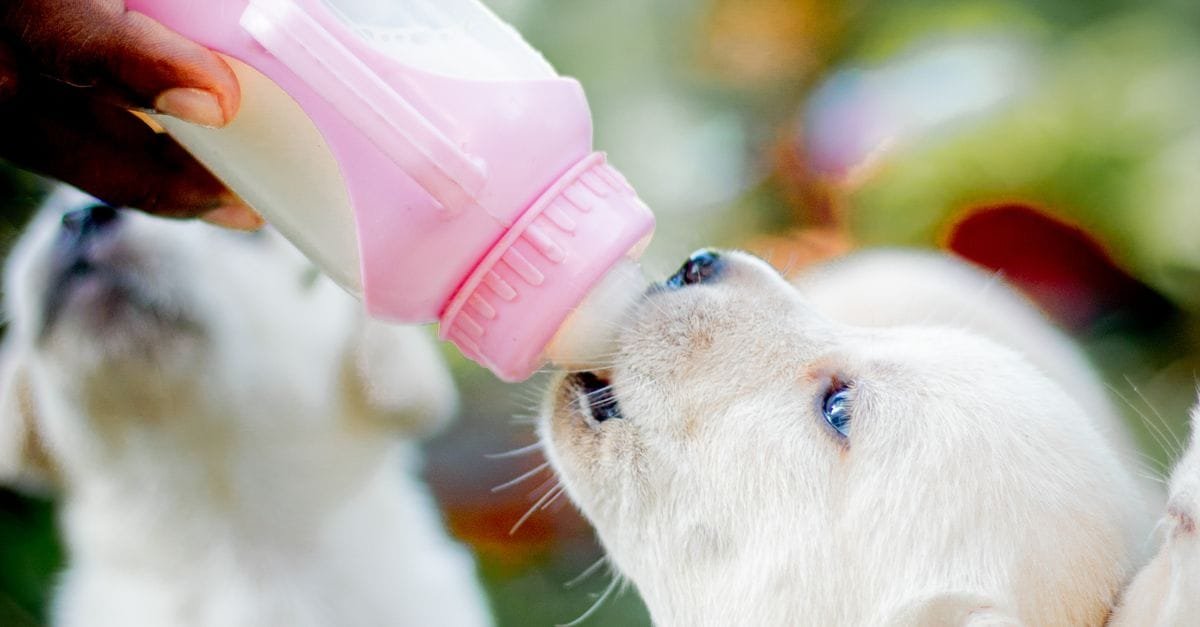
The first days are a big adjustment — your puppy has just left their mother and littermates for a strange new world. Keep things calm and gentle. Give them a quiet, safe space to retreat to, introduce family members slowly, and don’t overwhelm them with visitors or noise. Start establishing a routine right away (more on that below), as predictability helps a puppy feel secure. Expect some whining, especially at night — it’s normal as they adjust. Patience, gentleness, and consistency in these early days lay the foundation for a confident, trusting dog.
Establishing a Routine
Puppies thrive on routine. Feed, potty, play, train, and sleep at consistent times each day. A predictable schedule speeds up house training, reduces anxiety, and helps your puppy understand what to expect. Build in regular potty breaks (especially after eating, sleeping, and playing), short training and play sessions, and plenty of nap time — puppies need a lot of sleep. The routine you set now becomes the rhythm of your dog’s life.
Feeding Your Puppy
Good nutrition fuels your puppy’s rapid growth, so it matters enormously in the first year. Feed a complete, balanced food formulated specifically for puppies (or all life stages) — puppies need more protein, calories, and certain nutrients than adult dogs. Look for a named animal protein first and DHA for brain development. Our guide to the best puppy food covers exactly what to look for.
How Often and How Much
Puppies have small stomachs and high energy needs, so they eat little and often. Young puppies typically need around 3–4 meals a day, reducing to 2–3 as they grow. Follow the feeding guide on the packaging for your puppy’s age and weight, measure portions, and keep fresh water available at all times. Avoid overfeeding, as puppy obesity is harmful, and don’t switch foods abruptly — transition gradually over about a week to avoid tummy upset. Your vet can confirm the right amounts for your specific puppy and breed.
Foods to Avoid
Never feed puppies foods toxic to dogs — chocolate, grapes, raisins, onions, garlic, xylitol (a sweetener), and others are dangerous. Avoid cow’s milk (many dogs are lactose intolerant), cooked bones (which splinter), and fatty, salty, or sugary human foods. When in doubt, stick to puppy food and vet-approved treats, and keep treats to no more than about 10% of daily calories.
Vaccinations and Veterinary Care
One of the first things to arrange is a vet visit. Your vet will set up a vaccination schedule to protect your puppy from serious diseases, typically given in a series over the first months. Puppies also need deworming and flea and tick prevention, and your vet will discuss these. Keeping vaccinations and parasite control up to date is essential — it protects your puppy’s health during a vulnerable stage. Until your puppy is fully vaccinated, be careful about where you take them and which animals they meet, as their immunity is still developing. Build a good relationship with your vet early; they’re your key partner in your puppy’s health.
Spaying and Neutering
Talk to your vet about spaying or neutering your puppy. Beyond preventing unwanted litters, it has health and behavioral benefits, and your vet can advise the best timing based on your puppy’s breed, size, and health. It’s an important decision to discuss as part of your puppy’s overall care plan.
Microchipping and ID
Make sure your puppy has identification — a collar with an ID tag, and ideally a microchip (a permanent ID your vet can implant). Puppies are curious and can slip out or get lost, and proper ID dramatically improves the chances of a happy reunion if that happens. Keep the registered details up to date.
House Training (Potty Training)
House training is often the first big challenge, and consistency is the secret to success. Take your puppy outside frequently — first thing in the morning, after meals, after naps, after play, and before bed — and always to the same spot. Reward them enthusiastically the moment they go in the right place. Supervise closely indoors, watch for signs they need to go (sniffing, circling), and clean accidents thoroughly to remove the scent. Never punish accidents; it only creates fear. With patience and a consistent routine, most puppies grasp house training within weeks. For a full step-by-step, see our guide on how to potty train a puppy.
Crate Training
A crate, used kindly, is one of the most useful tools for raising a puppy. Far from being a cage, a properly introduced crate becomes your puppy’s safe den — a cozy place to rest and feel secure, and a huge help with house training (puppies avoid soiling where they sleep). Introduce it gradually and positively: feed meals in it, add a comfy bed and toys, and never use it for punishment. Keep crate time appropriate to your puppy’s age (they can’t hold it long when young), and make it a happy place. A crate-trained puppy has a secure retreat and is easier to house train and keep safe.
Socialization: The Critical Window
Socialization is one of the most important things you’ll do, and there’s a limited window — roughly the first three to four months — when puppies are most open to new experiences. During this time, gently and positively expose your puppy to a wide variety of people, sights, sounds, surfaces, other vaccinated dogs, and situations. Well-socialized puppies grow into confident, friendly, well-adjusted adults, while under-socialized ones are more prone to fear and behavior problems. Keep every experience positive and never force a frightened puppy — let them explore at their own pace, with treats and praise. Puppy socialization classes (once your vet says it’s safe) are excellent. This early investment pays off for life.
Basic Training and Commands
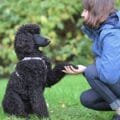
Start training right away — puppies can begin learning simple commands from a young age, and early training prevents problems later. Use positive, reward-based methods: reward good behavior with treats, praise, and play, and your puppy will happily repeat it. Begin with the basics — name recognition, sit, come, and gentle leash walking — in short, fun sessions of just a few minutes. Be consistent, patient, and upbeat, and get the whole household using the same cues. Good training treats make a big difference as motivation. Training isn’t just about obedience; it builds your bond and your puppy’s confidence.
Avoid Punishment-Based Training
Modern, humane training relies on positive reinforcement, not punishment. Harsh methods, yelling, or physical correction create fear and anxiety and can damage your bond and worsen behavior. Reward what you want to see, redirect what you don’t, and stay patient. A puppy taught with kindness and consistency learns faster and trusts you more.
Teething and Chewing
Puppies chew — it’s natural, and it ramps up during teething (which can last several months as adult teeth come in). The goal isn’t to stop chewing but to redirect it onto appropriate items. Provide plenty of safe puppy toys and teething toys (some can be chilled to soothe sore gums), and whenever your puppy chews something they shouldn’t, calmly swap it for an approved toy and praise them. Keep valuables and hazards out of reach. With consistent redirection and the right toys, your puppy learns what is and isn’t theirs to chew — and your shoes survive.
Exercise and Play
Puppies have bursts of energy and need exercise and play to stay healthy and happy — but the right amount matters. Too little leads to boredom and mischief; too much, or the wrong kind, can stress growing joints (avoid forced, repetitive, or high-impact exercise in young puppies, especially large breeds). Short walks, play sessions, and games suited to their age are ideal, along with plenty of mental stimulation through training and puzzle toys. As your puppy grows, you can gradually increase activity. A well-exercised, mentally engaged puppy is calmer, happier, and easier to live with.

Grooming Your Puppy
Getting your puppy used to grooming early makes life much easier later. Gently introduce brushing, handling their paws, looking in their ears, and touching their mouth, pairing it all with treats and praise so they learn it’s nothing to fear. Basic puppy grooming includes regular brushing (suited to their coat), occasional baths with puppy-safe shampoo, nail trims, ear checks, and starting a tooth-brushing routine with dog toothpaste. Keeping nails trimmed is important for comfort — see our guide to dog nail clippers. Early, positive grooming experiences create a dog who tolerates — even enjoys — being handled and cared for.
Sleep and Rest
Puppies sleep a lot — often 18 to 20 hours a day — and that sleep is vital for healthy growth and development. Provide a comfortable, quiet place to rest (their crate or bed), and don’t disturb a sleeping puppy. An overtired puppy, like an overtired toddler, gets cranky, nippy, and hard to manage, so make sure yours gets plenty of downtime between bouts of activity. Establishing a calm bedtime routine helps everyone sleep better, and a crate near you at first can ease nighttime anxiety.
Recognizing Health Problems
Part of good puppy care is knowing when something’s wrong. Puppies can go downhill faster than adult dogs, so watch for warning signs: loss of appetite, vomiting or diarrhea (especially if persistent or with blood), lethargy or weakness, difficulty breathing, a swollen belly, coughing, discharge from eyes or nose, or anything that seems off. Contact your vet promptly if you notice these — early attention can be crucial. Keep up with vaccinations, deworming, and parasite control, and don’t hesitate to call your vet with concerns; it’s always better to check.
Puppy Safety
Beyond puppy-proofing your home, keep your puppy safe day to day: never leave them unsupervised near hazards, keep them away from toxic foods and plants, be careful around water and traffic, and don’t leave them in hot cars. Use a secure collar, harness, and leash on walks, and make sure your yard is escape-proof. Until fully vaccinated, limit exposure to unknown dogs and high-risk areas. A watchful eye in these early months prevents most accidents.
Building a Strong Bond
Everything you do — feeding, training, playing, grooming, comforting — builds the bond between you and your puppy. Spend quality time together, use positive reinforcement, respect your puppy’s needs and limits, and be a calm, reliable presence. Trust and affection grow through consistency and kindness. The strong bond you build now is the foundation of a wonderful lifelong friendship, and it makes everything from training to vet visits easier.
Common Puppy-Raising Mistakes to Avoid
- Skipping socialization — missing the critical window leads to fearful, reactive adults.
- Inconsistency — different rules from different people confuse your puppy and slow learning.
- Punishing accidents or mistakes — it creates fear, not understanding.
- Too much freedom too soon — supervise and confine appropriately until trained.
- Over- or under-exercising — match activity to your puppy’s age and breed.
- Neglecting vet care — vaccinations and parasite control aren’t optional.
- Expecting too much too fast — puppies need time, patience, and repetition.
Puppy Milestones Through the First Year
Every puppy develops at their own pace, but the rough journey looks like this: the first weeks are about settling in, bonding, and starting house and crate training; the socialization window (up to about 3–4 months) is prime time for positive exposure and basic training; teething runs through the early months; adolescence (often from around 6 months) can bring a testing, energetic “teenage” phase that calls for extra patience and consistency; and by around a year (later for large breeds), your puppy transitions toward adulthood and adult food. Knowing what’s coming helps you support your puppy through each stage with the right care.
Introducing Your Puppy to Other Pets and Children
If you have other pets or children, careful introductions set everyone up for a happy home. Introduce your puppy to resident pets slowly and on neutral ground where possible, keep first meetings short and calm, supervise closely, and never force interactions — let them get used to each other’s scent and presence gradually, rewarding calm behavior. With children, teach them to be gentle and quiet, to respect the puppy’s space (especially while eating or sleeping), and to handle the puppy properly, always under adult supervision. Both puppies and kids need to learn boundaries with each other. Patient, supervised introductions build positive relationships and prevent fear or injury, helping your puppy become a confident, friendly member of the family.
Leaving Your Puppy Alone
Puppies shouldn’t be left alone for long stretches — they’re social, have small bladders, and can become distressed. Build up alone-time gradually so your puppy learns that being alone is normal and that you always come back. Start with very short absences and slowly extend them, leaving your puppy in a safe space with a comfortable bed and a couple of safe toys. Keep departures and returns low-key so they aren’t a big event. Teaching your puppy to be calmly alone in small steps helps prevent separation anxiety, which can lead to barking, accidents, and destructive behavior. If your puppy shows real distress when alone, address it early with gradual training and, if needed, advice from your vet or a behaviorist.
Understanding Your Puppy’s Breed and Individual Needs
Every puppy is an individual, but breed (or mix) gives useful clues about your puppy’s likely size, energy level, coat and grooming needs, and natural tendencies. A high-energy working breed needs more exercise and mental stimulation than a laid-back companion breed; a long-coated breed needs more grooming; some breeds are more independent, others more eager to please. Learning about your puppy’s breed traits helps you meet their needs, anticipate behaviors, and tailor training, exercise, and care accordingly. That said, treat your puppy as the individual they are — observe their personality and adjust. Understanding both their breed and their unique character helps you give them exactly the care they need to thrive.
Frequently Asked Questions
What do I need before bringing a puppy home?
The essentials: food and water bowls, puppy food, a collar, ID tag and leash, a crate and bed, toys (including teething toys), grooming tools, puppy pads, poop bags, and cleaning supplies — plus a puppy-proofed home and a vet appointment booked.
How often should I feed my puppy?
Young puppies usually need around 3–4 meals a day, reducing to 2–3 as they grow. Feed a complete puppy food, follow the packaging guide for their age and weight, and keep fresh water available. Your vet can confirm amounts for your puppy.
When should I start training and socializing my puppy?
Right away. Puppies can learn basic commands young, and the key socialization window is roughly the first three to four months — expose them positively to new people, places, sounds, and experiences during this time for a confident adult dog.
How long does house training take?
It varies, but with a consistent routine — frequent potty breaks, rewarding success, supervising closely, and never punishing accidents — most puppies grasp house training within a few weeks to a couple of months. Consistency is the key.
Why does my puppy chew everything?
Chewing is natural and increases during teething. Provide plenty of safe chew and teething toys, redirect your puppy to a toy whenever they chew something they shouldn’t, and keep valuables out of reach. With consistency, they learn what’s theirs to chew.
How much sleep does a puppy need?
A lot — often 18 to 20 hours a day. Sleep is essential for healthy growth, so provide a quiet, comfortable resting spot and let your puppy nap undisturbed. An overtired puppy becomes cranky and nippy, so plenty of rest matters.
When should I take my puppy to the vet?
Book a first visit soon after bringing them home to start vaccinations, deworming, and parasite prevention. After that, follow your vet’s schedule, and contact them promptly for any warning signs like vomiting, diarrhea, lethargy, or loss of appetite.
Key Takeaways
- Prepare before your puppy arrives — puppy-proof your home and gather the essential supplies.
- Establish a consistent routine for feeding, potty, play, training, and sleep from day one.
- Feed a complete puppy food, keep up with vet care, vaccinations, and parasite prevention.
- Prioritize socialization in the first 3–4 months and use positive, reward-based training.
- Redirect chewing onto toys, get your puppy used to grooming early, and ensure plenty of rest.
- Watch for health warning signs, keep your puppy safe, and build your bond with patience and kindness.
Raising a puppy is a big job, but an incredibly rewarding one — and with the right knowledge, you’ve got everything you need to do it well. Take it one step at a time, lean on your vet, stay patient and consistent, and enjoy these fleeting puppy months. The loving care you put in now creates a healthy, happy, well-behaved companion for years to come. For more specific guides, explore our Pet Care Tips and Pet Training & Behavior sections.

Hello! I'm Khan Hisham, a dedicated student with a profound passion for enhancing the lives of pets through comprehensive care. At Pawspera, our mission—"Prospering Pets, Every Day"—drives everything we do. We are committed to providing the latest insights, tips, and products that ensure your pet's health and happiness. Join us at Pawspera as we explore innovative ways to care for our furry friends with love and dedication.