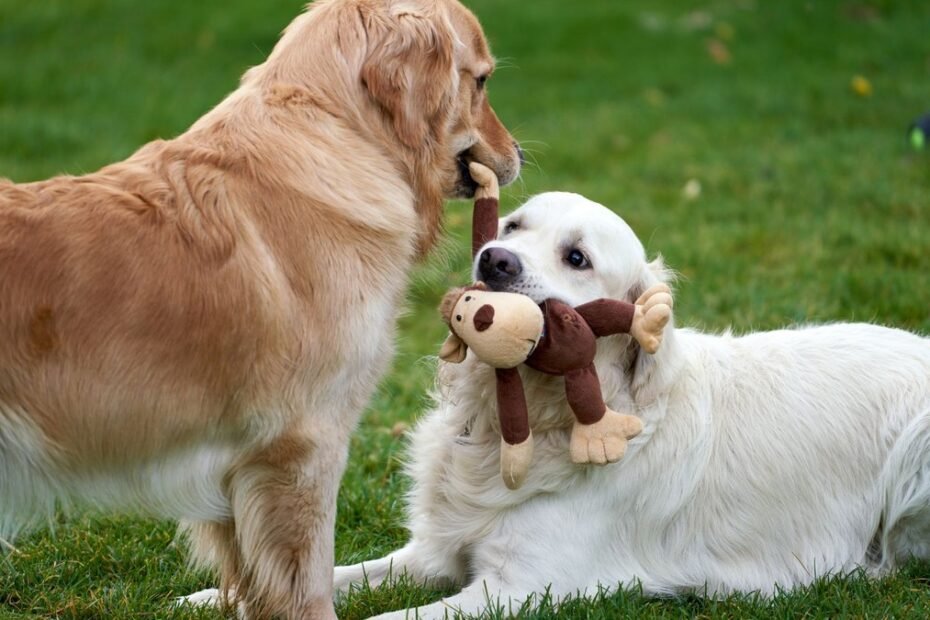
A new puppy is a bundle of energy, curiosity, and very sharp teeth — and the right toys are essential for channeling all of that into healthy development instead of your shoes and furniture. Puppy toys aren’t just fun; they support teething, mental growth, training, and the bond between you. But not all toys are safe or suitable for a puppy, and the wrong one can be a choking hazard or fall apart in minutes. This guide covers the best puppy toys, the types you’ll want, how to choose safe ones, and how to use them to raise a happy, well-behaved dog.
Why Puppy Toys Matter
Toys do far more than entertain. For a puppy, they’re tools for healthy development. Chewing relieves the discomfort of teething and satisfies a natural urge (better a toy than your table leg). Play builds coordination, burns off energy, and prevents the boredom that leads to destructive behavior. Puzzle and treat toys exercise a puppy’s growing brain, and interactive play with you strengthens your bond and lays the groundwork for training. In short, the right toys keep a puppy physically active, mentally stimulated, and out of trouble — which makes life better for both of you.
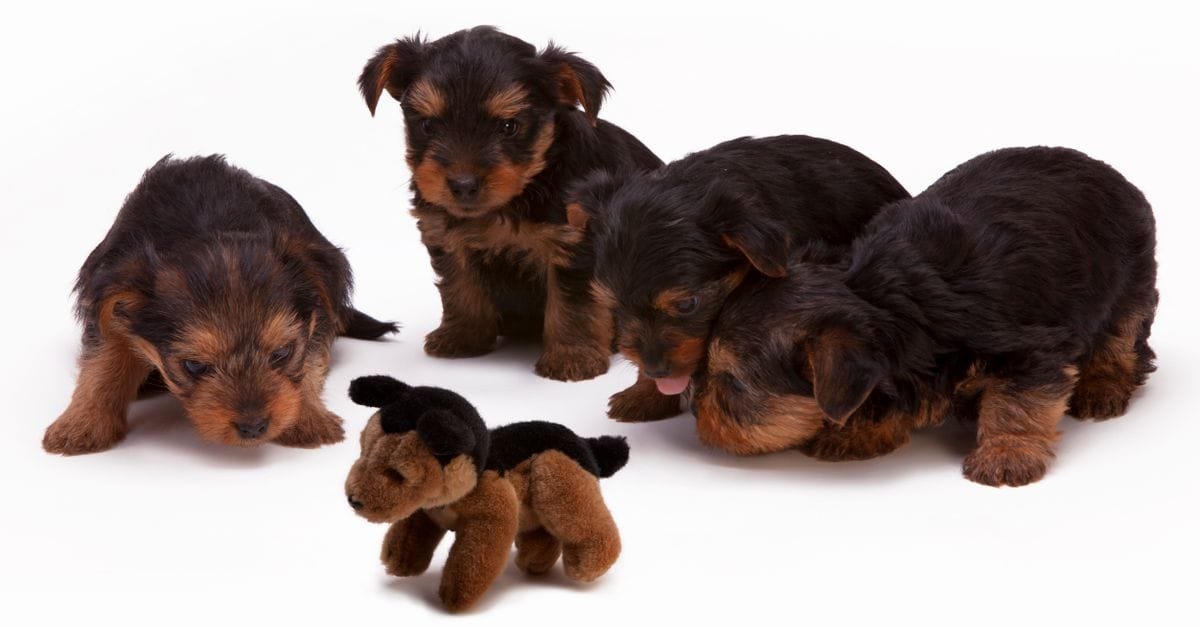
Types of Puppy Toys
Chew Toys
Durable toys made for gnawing — essential for teething puppies and for satisfying the chewing instinct. Look for ones sized and made specifically for puppies, soft enough for developing teeth but tough enough to last.
Also Read
-
How to Stop a Cat Scratching Furniture: The Reroute, the Placement Law, and the Specs
-
How to Crate Train a Dog: The Four Stages, the Whining Tree, and the Physiology Table
-
Back to School With Pets: The Two-Week Taper, the Alone-Time Rebuild, and the Distress Line

-
The Complete Dog & Cat Training Guide: Positive Reinforcement That Works

Teething Toys
Designed to soothe sore gums, some can be chilled in the fridge or freezer for extra relief. A teething puppy will thank you for a cool, soft, chewable toy during those uncomfortable weeks.
Plush & Comfort Toys
Soft toys offer comfort and companionship, and many puppies love to carry, cuddle, or gently “hunt” them. Choose sturdy ones with secure stitching, and supervise puppies who tend to rip and swallow stuffing.
Puzzle & Treat Toys
Toys you fill with treats or kibble that your puppy has to work at — rolling, nudging, or solving — provide brilliant mental stimulation and keep a puppy busy and happy, especially when alone for short periods.
Fetch & Tug Toys
Balls, soft fetch toys, and rope tug toys are great for active play, exercise, and bonding. Tug toys also help with gentle training, and rope toys can support dental health through chewing.
Puppy toy picks on Amazon
Keep your puppy happy, busy, and out of mischief:
What to Look For in Puppy Toys
- Right size — big enough that your puppy can’t swallow or choke on it, suited to their breed and mouth size.
- Safe, non-toxic materials — made specifically for puppies, free of harmful chemicals and easily breakable small parts.
- Appropriate durability — tough enough to survive chewing, but soft enough for delicate puppy teeth (very hard toys can damage teeth).
- No small detachable parts — avoid toys with buttons, squeakers, or pieces that can be chewed off and swallowed.
- Easy to clean — puppy toys get slobbery and dirty fast.
Toys for Teething Puppies
Teething usually peaks in the first several months and can make a puppy chew everything in sight as their gums hurt and adult teeth come in. The best relief is a selection of safe teething toys — soft, chewable, and ideally some you can chill for a soothing cool sensation. Offering the right teething toys (and redirecting your puppy to them whenever they chew something they shouldn’t) protects your belongings and your puppy’s mouth. This is also a key training window: consistently swap forbidden items for an approved toy, and your puppy learns what is and isn’t theirs to chew.
Toys for Mental Stimulation
A tired puppy is a good puppy — and mental tiredness counts as much as physical. Puzzle toys, treat-dispensing toys, and snuffle-style toys make your puppy think and work for rewards, which burns mental energy, reduces boredom-related mischief, and builds problem-solving skills. They’re especially useful for keeping a puppy calmly occupied when you’re busy or for short periods alone. Rotating a few different puzzle toys keeps the challenge fresh and your puppy engaged.
Safety First: Avoiding Hazards
Puppy safety with toys comes down to a few rules. Always choose the right size so nothing can be swallowed or lodge in the throat. Inspect toys regularly and throw away any that are damaged, frayed, or coming apart — broken pieces are a choking and intestinal-blockage risk. Supervise play, especially with new toys, plush toys, or strong chewers, and remove toys that your puppy is destroying or trying to swallow. Avoid toys with small parts, and never give a puppy items not meant for chewing (cooked bones, household objects). When in doubt, supervise — a watched puppy is a safe puppy.
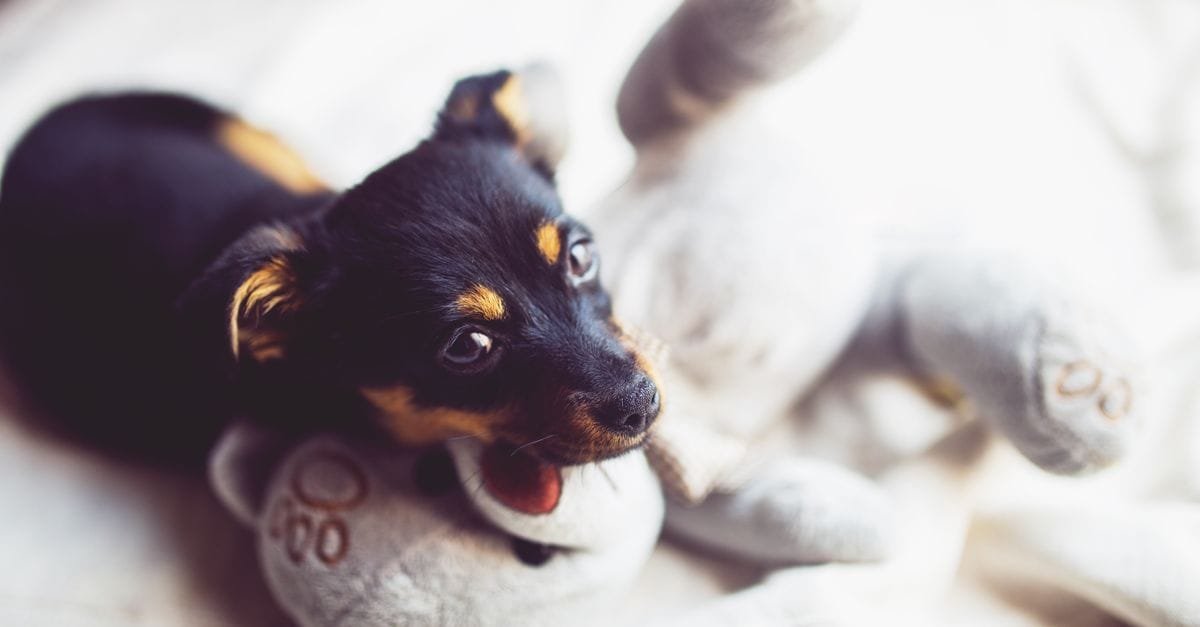
How Many Toys Does a Puppy Need?
You don’t need a mountain of toys, but variety helps. A good starter set covers the bases: a couple of chew/teething toys, a plush comfort toy, a puzzle or treat toy, and a fetch or tug toy. Then rotate them — keep some put away and swap them every few days — so the toys feel new again and your puppy doesn’t get bored. Rotation keeps interest high without constantly buying more, and it’s an easy, free way to keep play fresh.
Match Toys to Your Puppy
- Small breeds / young puppies — smaller, softer toys suited to little mouths and delicate teeth.
- Large breeds & strong chewers — bigger, more durable toys that stand up to powerful jaws.
- Teething puppies — soft, chillable teething toys for sore gums.
- Bored or high-energy puppies — puzzle and treat toys for mental work.
- Cuddlers — sturdy plush comfort toys (with supervision).
Using Toys for Training and Bonding
Toys are a fantastic training aid. Use them to redirect unwanted chewing (swap your shoe for a chew toy and praise), to reward good behavior, and to teach commands through fetch and tug games (which also teach impulse control and “drop it”). Interactive play builds trust and strengthens your bond, and a treat-puzzle toy can keep a puppy happily occupied during calm time. Keep play positive and end on a good note, and toys become a cornerstone of a well-adjusted, well-trained dog.
When to Replace Toys
Toys don’t last forever, especially with a determined puppy. Replace any toy that’s torn, has loose or missing pieces, is small enough to swallow as it wears down, or is simply falling apart. Regularly check the condition of chew and plush toys in particular. Tossing worn toys promptly keeps your puppy safe from choking and swallowing hazards — it’s a small cost for real peace of mind.
Toys to Avoid for Puppies
Some popular items aren’t safe for puppies. Avoid toys that are too small (a choking risk) or too hard — very hard nylon bones, antlers, cooked bones, and rigid plastic can crack a puppy’s developing teeth. Steer clear of toys with small detachable parts, button eyes, or squeakers a strong chewer can rip out and swallow, and skip anything not designed as a pet toy (children’s toys, household objects, or sticks that can splinter). Be cautious with rawhide and cheap imported chews of unknown quality. When unsure, choose reputable puppy-specific toys and supervise — it’s not worth the risk to your puppy’s teeth or stomach.
You Don’t Have to Spend a Fortune
Quality matters more than price when it comes to puppy toys. Plenty of affordable toys are perfectly safe and fun, and puppies often love simple things — a sturdy rope, a treat-stuffable rubber toy, or a ball — as much as expensive ones. It’s worth spending a little more on durable chew toys for strong chewers, where cheap ones fall apart fast and become hazards, but you don’t need a pricey collection. A few well-chosen, safe toys plus regular rotation keeps a puppy happier than a bin full of flimsy ones.
Frequently Asked Questions
What are the best toys for a puppy?
A mix is best: safe chew and teething toys for sore gums, a plush comfort toy, puzzle or treat toys for mental stimulation, and fetch or tug toys for active play and bonding. Choose puppy-specific, correctly sized, non-toxic toys and rotate them to keep things interesting.
What toys are safe for teething puppies?
Soft, chewable toys made specifically for teething puppies — some can be chilled for extra relief. Avoid very hard toys that can damage developing teeth, and anything with small parts that could be chewed off and swallowed.
How many toys does a puppy need?
A small variety covering chewing, comfort, mental stimulation, and active play is plenty. Rotate them — keep some put away and swap every few days — so they feel new and your puppy stays engaged without you constantly buying more.
Are plush toys safe for puppies?
They can be, with supervision. Choose sturdy plush toys with secure stitching, and watch puppies that tend to rip them open and swallow stuffing. Remove and replace any plush toy that’s coming apart.
How do I stop my puppy chewing everything?
Provide plenty of appropriate chew toys, and consistently redirect your puppy to a toy whenever they chew something they shouldn’t, praising them when they use it. Combine this with puppy-proofing your home and supervision — it teaches them what’s theirs to chew.
When should I throw away a puppy toy?
Whenever it’s torn, fraying, has loose or missing parts, or has worn down small enough to swallow. Damaged toys are a choking and blockage risk, so inspect toys regularly and replace worn ones promptly.
Key Takeaways
- Puppy toys support teething, development, mental stimulation, training, and bonding.
- Cover the bases with chew/teething, plush, puzzle/treat, and fetch/tug toys.
- Choose puppy-specific, correctly sized, non-toxic toys with no small swallowable parts.
- Supervise play, inspect toys often, and replace any that are damaged.
- Rotate toys to keep interest fresh, match them to your puppy, and use them to redirect chewing and reward good behavior.
The right toys turn a mischievous, teething puppy into a happy, engaged, well-behaved companion — while saving your shoes in the process. Build a safe, varied toy set, supervise play, and use toys to teach and bond, and you’ll set your puppy up for a great start. Explore more in our Pet Training & Behavior guides.

Hello! I'm Khan Hisham, a dedicated student with a profound passion for enhancing the lives of pets through comprehensive care. At Pawspera, our mission—"Prospering Pets, Every Day"—drives everything we do. We are committed to providing the latest insights, tips, and products that ensure your pet's health and happiness. Join us at Pawspera as we explore innovative ways to care for our furry friends with love and dedication.