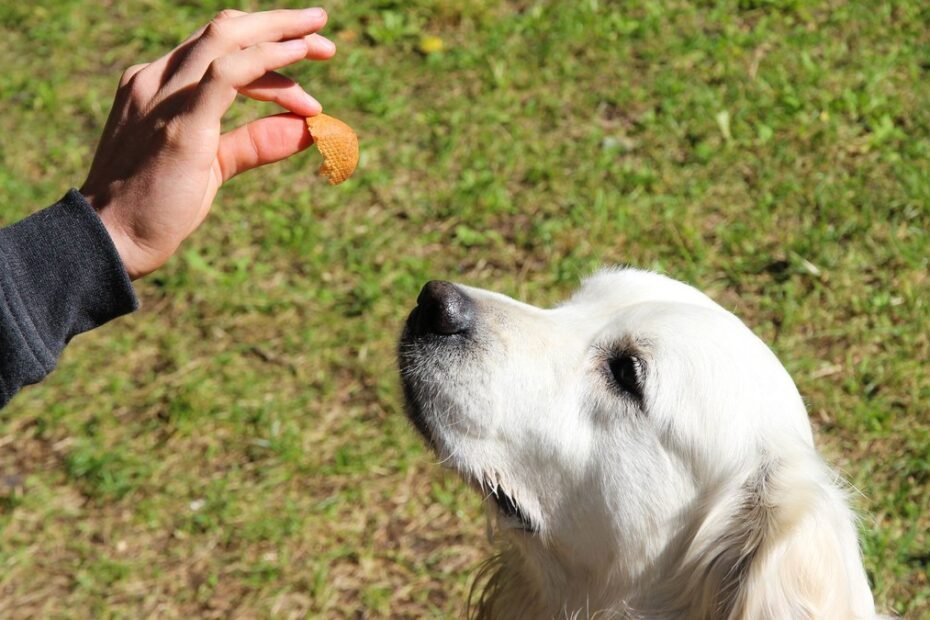
Training treats are one of the most powerful tools you have for raising a well-behaved, happy dog. The right treat turns training into a game your dog loves — it motivates, rewards, and communicates “yes, that’s exactly right!” in a way your dog instantly understands. But not all treats work well for training, and using them the wrong way can undo your progress or pile on the pounds. This guide covers the best dog training treats, what makes a great one, the types available, and how to use them effectively to teach your dog without overfeeding.
Why Training Treats Matter
Dogs learn brilliantly through positive reinforcement — when a behavior earns something good, they repeat it. A well-timed treat is the clearest, most motivating reward you can give, marking the exact moment your dog did the right thing. Treats build focus, speed up learning, and make training fun and stress-free for both of you. They’re especially valuable for teaching new commands, reinforcing good manners, and rewarding calm behavior. Used well, training treats are the currency that pays for good behavior — and a happy, motivated dog learns far faster than one trained through pressure.
What Makes a Good Training Treat
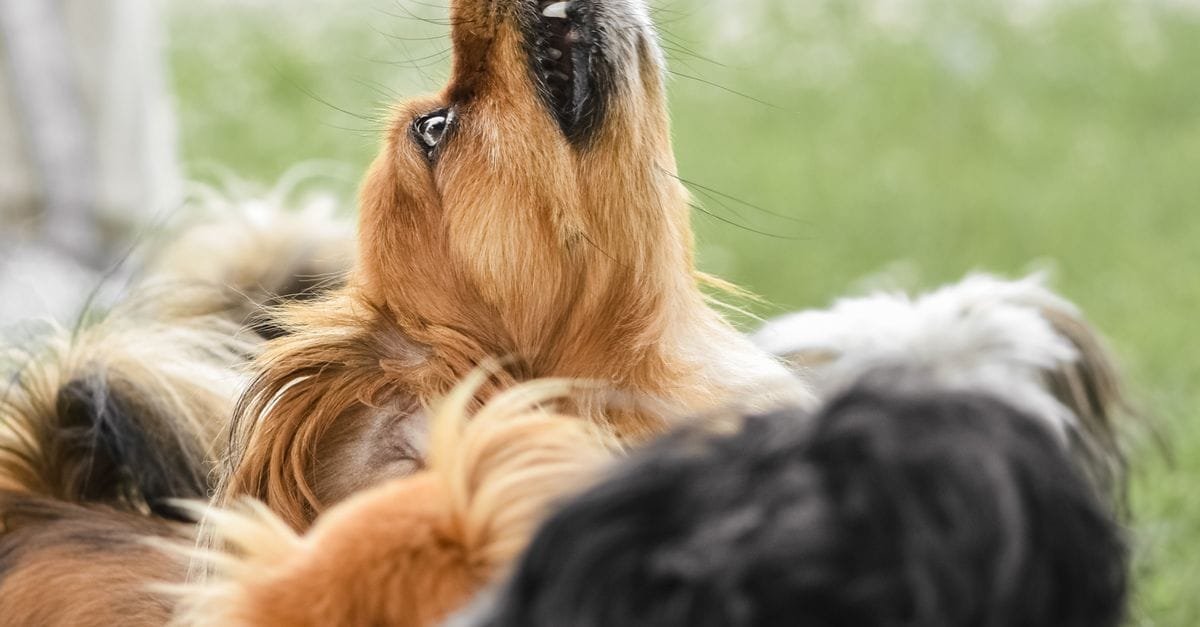
The best training treats share a few key traits:
Also Read
-
How to Stop a Cat Scratching Furniture: The Reroute, the Placement Law, and the Specs

-
How to Crate Train a Dog: The Four Stages, the Whining Tree, and the Physiology Table
-
Back to School With Pets: The Two-Week Taper, the Alone-Time Rebuild, and the Distress Line

-
The Complete Dog & Cat Training Guide: Positive Reinforcement That Works

- Small — tiny (pea-sized or smaller), so your dog can eat it fast and keep training without filling up.
- Soft — quick to chew and swallow; hard, crunchy treats slow training down and crumble.
- Smelly & tasty — strong-smelling, high-value treats grab your dog’s attention and motivate them.
- Low in calories — since you’ll give a lot, low-calorie treats keep training healthy.
- Easy to carry — not too greasy or messy for your pocket or treat pouch.
If a treat ticks these boxes, it’ll serve you well through countless training sessions.
Types of Training Treats
Soft Commercial Treats
Small, soft, chewy treats made specifically for training are the go-to for most owners — convenient, the right size, and dogs love them. Many come in low-calorie versions ideal for frequent rewarding.
Freeze-Dried Treats
Freeze-dried meat or liver treats are high-value, single-ingredient, and intensely appealing to dogs — perfect for tough distractions or teaching difficult commands. They’re a great “high-value” option.
Semi-Moist Treats
Soft and flavorful, easy to break into small pieces. Tasty and effective, though check the ingredients for excess sugar or artificial additives.
Homemade Treats
Simple homemade options — tiny pieces of cooked plain chicken, or dog-safe baked treats — let you control ingredients and keep them healthy and cheap. Great for dogs with sensitivities.
Everyday Kibble
For easy training or food-motivated dogs, a portion of their normal kibble works as a low-calorie reward — handy for at-home practice without extra calories.
Training treat picks on Amazon
Motivate your dog with the right rewards:
High-Value vs. Low-Value Treats
Not all rewards are equal in your dog’s eyes, and smart trainers use this. Low-value treats (like kibble or basic biscuits) are fine for easy tasks in a calm environment. High-value treats (freeze-dried meat, chicken, cheese, liver) are the big guns — save them for hard commands, new behaviors, or training around major distractions. Matching the treat’s value to the difficulty keeps your dog motivated without “spending” your best rewards on easy wins. Having a range on hand lets you raise the stakes exactly when you need to.
Keeping Treats Healthy: Size and Calories
Because training involves a lot of repetition, treats add up fast — so keeping them tiny and low-calorie is essential to avoid weight gain. Break treats into pea-sized (or smaller) pieces; most dogs care about getting a reward, not how big it is. A useful rule is the 10% guideline: treats should make up no more than around 10% of your dog’s daily calories, with the rest from balanced food. On heavy training days, reduce their regular meal slightly to balance it out. Healthy treating means your dog can train often without getting chubby.
Training Treats for Puppies vs. Adult Dogs
Puppies are learning sponges and respond wonderfully to treat training, but their tiny tummies and developing systems mean treats should be very small, soft, and puppy-appropriate — and counted within their careful feeding routine. Adult dogs can handle a wider range, and you can use higher-value treats for advanced training. For all ages, soft and small wins, and you should always introduce any new treat gradually to make sure it agrees with your dog.
Treats for Dogs With Allergies or Sensitivities
If your dog has food allergies or a sensitive stomach, choose limited-ingredient or single-protein treats, and avoid common triggers and artificial additives. Freeze-dried single-ingredient treats or simple homemade options (like plain cooked chicken or sweet potato) are ideal because you know exactly what’s in them. Always check ingredient lists, introduce new treats slowly, and consult your vet if your dog has a diagnosed allergy or keeps reacting — the wrong treat can undo a carefully managed diet.
How to Use Treats Effectively in Training
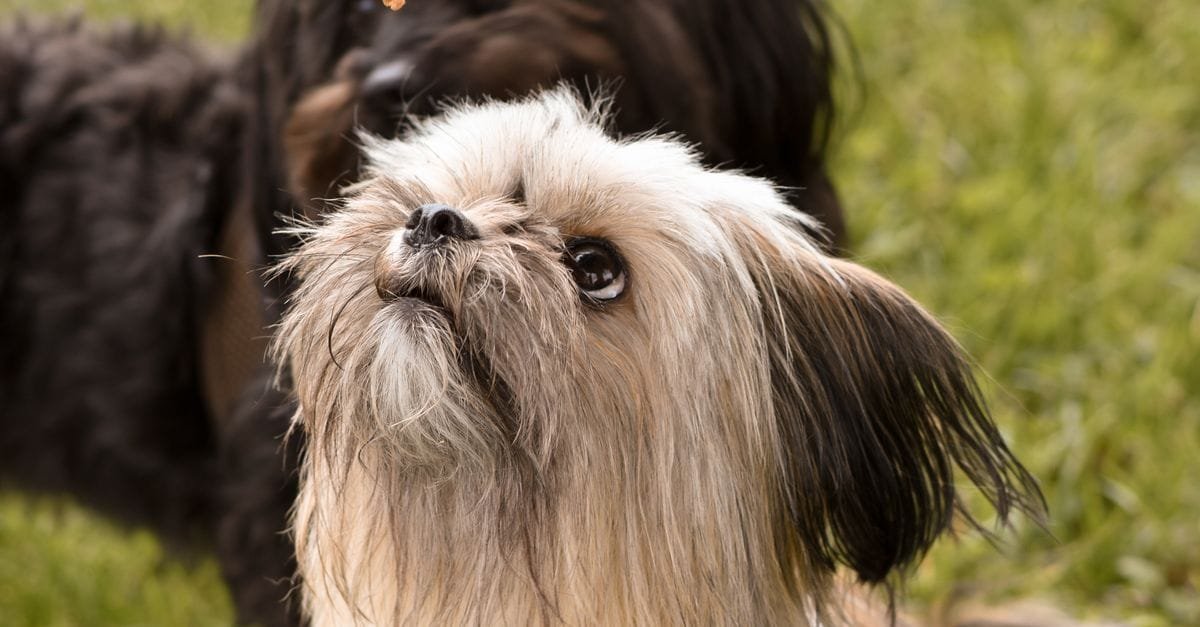
- Timing is everything — reward within a second or two of the behavior so your dog connects the treat to the right action.
- Use a marker — a clicker or a word like “yes!” the instant they get it right, then treat.
- Keep sessions short and fun — a few minutes of focused, rewarding practice beats long, tiring sessions.
- Use a treat pouch — so rewards are instantly accessible at the crucial moment.
- Jackpot big wins — give several treats in a row for a breakthrough to make it memorable.
Fading Out the Treats
Treats are a teaching tool, not a forever bribe. Once your dog reliably performs a behavior, gradually reduce how often you treat — reward intermittently (sometimes, not every time), and mix in praise, play, and affection as rewards. This actually strengthens the behavior, because your dog keeps trying for the unpredictable reward. The goal is a dog who responds to your cue whether or not a treat is visible. Treats get you there; consistency and gradual fading keep the behavior for life.
Treats and Foods to Avoid
Never use foods toxic to dogs as treats — chocolate, grapes, raisins, onions, garlic, xylitol (a sweetener in some gums and snacks), and others are dangerous. Avoid greasy, salty, or sugary human foods, cooked bones (which can splinter), and very high-calorie treats given in quantity. Be cautious with cheap, low-quality treats full of fillers and artificial additives. When in doubt, stick to treats made for dogs or simple vet-approved whole foods, and keep portions small.
Treat Pouches and Handy Training Tools
The right accessories make treat training smoother. A treat pouch that clips to your waist keeps rewards instantly accessible, so you can mark and reward in the split second that matters — fumbling in a pocket loses the moment. A clicker pairs perfectly with treats, giving a crisp, consistent “yes!” your dog learns to associate with a reward. For longer-lasting rewards or alone-time, a treat-stuffable toy or a lick mat smeared with something tasty keeps your dog engaged. None of these are essential, but together they make training faster, cleaner, and more consistent — which means quicker progress for your dog.
Simple Homemade Training Treat Ideas
You don’t have to buy treats — some of the best are already in your kitchen. Tiny pieces of plain cooked chicken or turkey are low-fat and irresistible to most dogs. Small bits of plain cooked sweet potato, carrot, or a little low-fat cheese work well in moderation. You can also bake simple dog-safe treats and cut them into tiny pieces. Homemade treats let you control exactly what your dog eats — ideal for dogs with sensitivities — and keep costs down. Just avoid seasoning, onion, garlic, and anything toxic, keep pieces tiny, and count them in the daily calorie budget like any treat.
A Final Word on Consistency
Whatever treats you choose, consistency is what truly makes training work. Use the same cues, reward the right behavior every time while your dog is learning, and make sure everyone in the household follows the same approach. Great treats motivate, but consistent, patient practice is what turns motivation into lasting good behavior.
Frequently Asked Questions
What are the best treats for training a dog?
Small, soft, smelly, low-calorie treats work best — commercial soft training treats and freeze-dried meat are popular choices. Keep a range of low- and high-value treats so you can match the reward to the difficulty of the task.
How many treats can I give during training?
As many tiny pieces as the session needs, as long as treats stay within about 10% of your dog’s daily calories. Keep pieces pea-sized, and trim their regular meal a little on heavy training days to balance it out.
What is a high-value treat?
A high-value treat is one your dog finds especially irresistible — like freeze-dried meat, chicken, cheese, or liver. Save these for hard commands, new behaviors, or training around big distractions, and use lower-value treats for easy tasks.
Can I use my dog’s regular food as training treats?
Yes — for food-motivated dogs and easy at-home training, a portion of their normal kibble is a great low-calorie reward. For harder tasks or distractions, you’ll usually need higher-value treats to keep them motivated.
Are training treats bad for my dog’s weight?
Only if overused. Keep treats tiny and low-calorie, follow the 10% guideline, and reduce meals slightly on big training days. Done right, you can train frequently without your dog gaining weight.
How do I stop relying on treats?
Once a behavior is reliable, fade treats gradually — reward intermittently and mix in praise, play, and affection. This strengthens the behavior, and over time your dog responds to your cue whether or not a treat is in sight.
Key Takeaways
- Training treats are a powerful positive-reinforcement tool for teaching and motivating your dog.
- The best treats are small, soft, smelly, tasty, and low in calories.
- Use low-value treats for easy tasks and high-value ones for hard commands or distractions.
- Keep treats within ~10% of daily calories, and adjust meals on heavy training days.
- Reward with perfect timing, fade treats gradually, and avoid toxic or unhealthy foods.
The right training treats — used with good timing and in healthy moderation — make training faster, easier, and more enjoyable for you and your dog. Build a little stash of small, tasty, low-calorie rewards, match the value to the task, and you’ll have a motivated, well-trained companion. Explore more in our Pet Training & Behavior guides.

Hello! I'm Khan Hisham, a dedicated student with a profound passion for enhancing the lives of pets through comprehensive care. At Pawspera, our mission—"Prospering Pets, Every Day"—drives everything we do. We are committed to providing the latest insights, tips, and products that ensure your pet's health and happiness. Join us at Pawspera as we explore innovative ways to care for our furry friends with love and dedication.