
Stairs can be a real hazard for dogs — especially puppies, senior dogs, and small breeds — and a dog gate is the simple solution that keeps your pet safely where they belong. A good dog gate for stairs prevents falls, blocks off-limits areas, and gives you peace of mind. This guide covers the types of stair gates, what features matter most, how to choose the right one, and how to install and use it safely.
Why You Might Need a Stair Gate
Dog gates at stairs serve several purposes: protecting puppies still learning coordination, keeping senior or injured dogs from risky climbs, preventing falls down steep staircases, and simply keeping dogs out of certain rooms or upstairs areas. They’re invaluable during house training, recovery from surgery, or any time you need to safely contain your dog without shutting them in a crate.
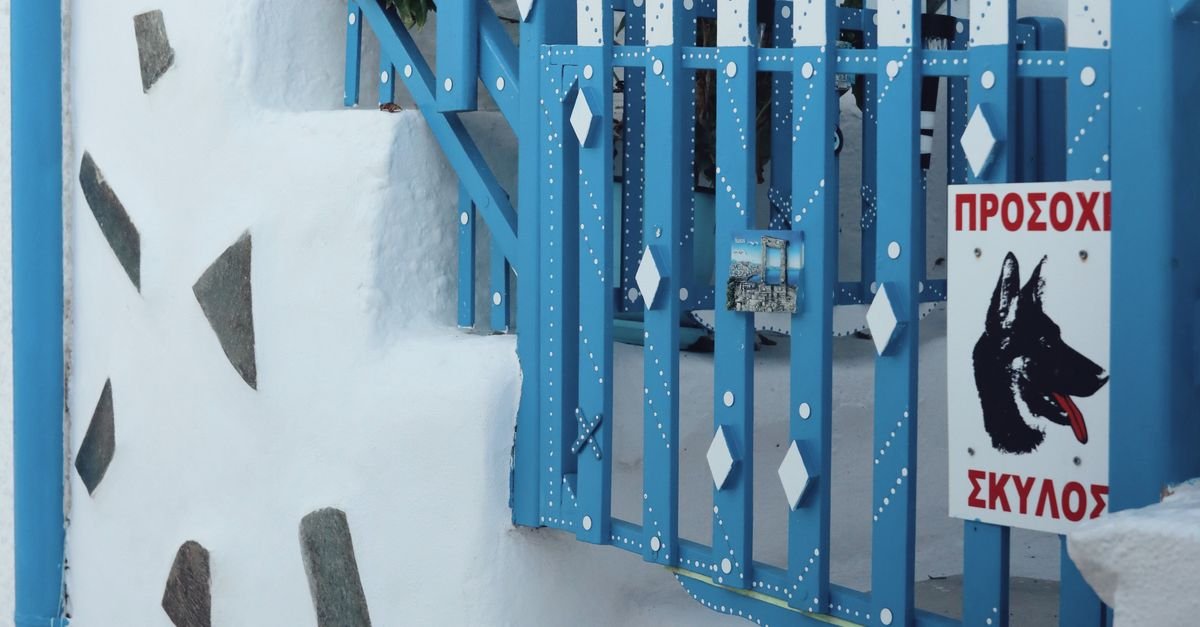
Types of Dog Gates for Stairs
Pressure-Mounted Gates
These wedge in place with tension and need no drilling, making them easy to install and move — great for doorways and the bottom of stairs. However, because they aren’t physically attached, they’re not recommended for the top of stairs, where a determined dog could push them loose.
Also Read
-
How to Remove a Tick From a Dog: The Grip, the Folklore Ban, and the Watch Window

-
Why Does My Cat Drink So Much Water? The Benign List, the Big Three, and the Measure

-
How to Protect Dog Paws From Hot Pavement: The Seven-Second Test and Three Substitutions

-
How to Keep Dogs Cool in Summer: The Schedule, the Risk Tiers, and the Emergency Protocol

Hardware-Mounted Gates
These screw into the wall or banister for a permanent, secure fit. They’re the only safe choice for the top of stairs, since they won’t budge under pressure. Slightly more effort to install, but far sturdier.
Auto-Close & Walk-Through Gates
Gates with a swinging, self-latching door let you pass through hands-free and close automatically behind you — convenient for busy households and preventing the “left it open” mistake.
Dog stair gate picks on Amazon
Keep your dog safe around stairs:
Key Features to Consider
- Correct height — tall enough that your dog can’t jump it (larger or athletic dogs need taller gates).
- Right width — measure your opening; many gates include extensions for wider gaps.
- Sturdy, safe material — metal is durable; ensure no gaps a small dog or puppy could squeeze through or get stuck in.
- Easy one-handed operation — handy when you’re carrying things.
- Secure latch — one your dog can’t nudge open.
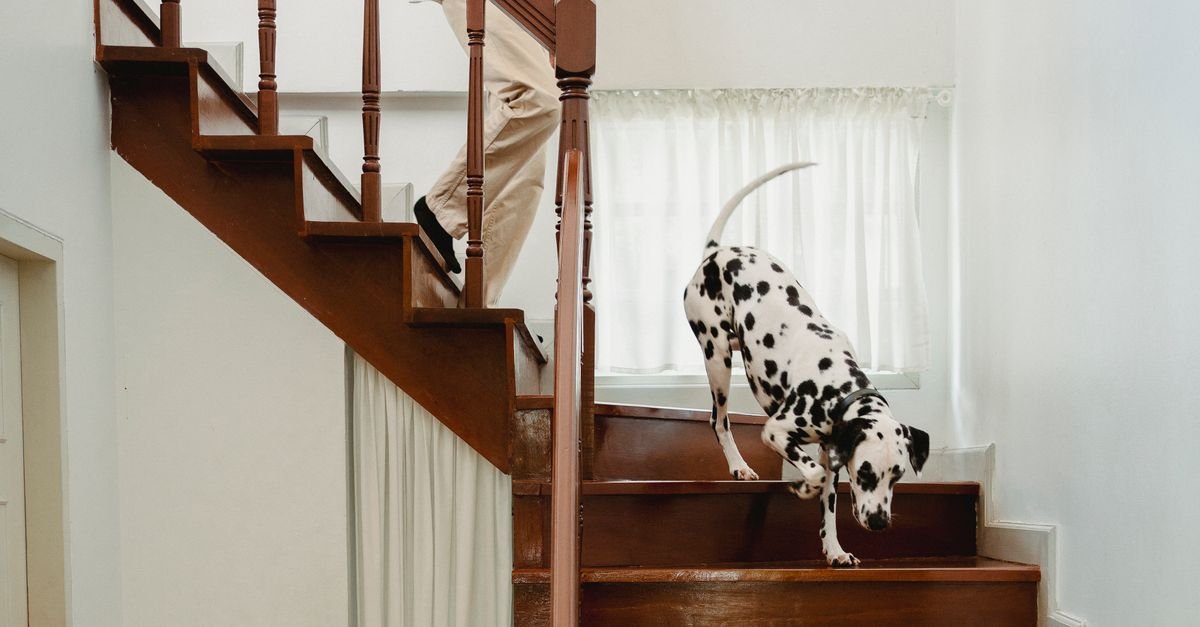
Installation Safety: Top vs. Bottom of Stairs
This is the most important point: at the top of stairs, always use a hardware-mounted gate screwed securely in place — a pressure-mounted gate can be pushed loose and cause a dangerous fall. Pressure-mounted gates are fine at the bottom of stairs and in doorways. Follow the manufacturer’s instructions, check the gate is firmly secured, and test it before trusting it with your dog. Re-check the fit periodically, as gates can loosen over time.
Helping Your Dog Adjust
Some dogs accept a gate immediately; others need time. Introduce it calmly, reward your dog for staying on the correct side, and never use it as punishment — it’s a safety boundary, not a penalty. For anxious dogs, a gate they can see through (rather than a solid barrier) often feels less isolating. Consistency helps your dog quickly learn the new boundary.
Frequently Asked Questions
What kind of dog gate is safe for the top of stairs?
Only a hardware-mounted gate that screws securely into the wall or banister. Pressure-mounted gates can be pushed loose and are not safe at the top of stairs — use those only at the bottom or in doorways.
How tall should a dog gate be?
Tall enough that your dog can’t jump over it — small dogs need less height, while large or athletic dogs need a taller gate. Check the gate’s height against your dog’s jumping ability.
Are pressure-mounted gates safe for dogs?
Yes, in the right spot — they’re fine at the bottom of stairs and in doorways. They’re just not recommended at the top of stairs, where a dog pushing on them could knock them loose.
How do I measure for a stair gate?
Measure the width of the opening at the point you’ll mount the gate, and check the gate’s adjustable range or available extensions. Also confirm the mounting surfaces (walls or banister) are solid enough to attach to.
Key Takeaways
- Dog gates prevent falls and keep puppies, seniors, and small dogs safe around stairs.
- Use hardware-mounted gates at the top of stairs; pressure-mounted are fine at the bottom and doorways.
- Choose the right height and width, sturdy material, a secure latch, and easy operation.
- Install per instructions, test before trusting it, and re-check the fit over time.
- Introduce the gate calmly with rewards — it’s a safety boundary, not a punishment.
A well-chosen, properly installed dog gate is a small investment that prevents serious accidents around stairs. Match the gate type to its location — hardware-mounted at the top, always — and your dog stays safe. Explore more in our Pet Health & Wellness guides.

Hello! I'm Khan Hisham, a dedicated student with a profound passion for enhancing the lives of pets through comprehensive care. At Pawspera, our mission—"Prospering Pets, Every Day"—drives everything we do. We are committed to providing the latest insights, tips, and products that ensure your pet's health and happiness. Join us at Pawspera as we explore innovative ways to care for our furry friends with love and dedication.