Bringing home a puppy is pure joy — and a little bit of chaos if you are not ready for it. Those first few days set the tone, and nothing makes them smoother than having the essentials waiting before your puppy walks through the door. I have helped plenty of first-time owners through this, and the same truth holds every time: you need fewer things than the pet store wants to sell you, but the right things make all the difference. Here is the honest, no-overwhelm checklist of what to get before your puppy comes home.
Start the Week Before
Do your shopping a few days early, not the morning of pickup. You want the crate built, the bed aired out, and the food bowls washed so day one is about bonding, not unboxing. Pick a quiet corner of the house to be your puppy’s “home base” and set it up in advance.
The Real Essentials
Food & bowls
Find out what food the breeder or shelter was using and buy the same to start — switching foods suddenly upsets little tummies. Transition slowly over a week if you want to change. Get a sturdy, tip-proof set of stainless steel bowls (stainless is easiest to keep clean), and see our guide to the best dog food brands when you are ready to choose.
Also Read
-
How to Protect Dog Paws From Hot Pavement: The Seven-Second Test and Three Substitutions

-
How to Keep Dogs Cool in Summer: The Schedule, the Risk Tiers, and the Emergency Protocol
-
The Complete Pet Health Guide: Prevention, Warning Signs, and When to Call the Vet
-
Why Does My Puppy Have Hiccups? The Adorable Spasm, Explained

A crate
A crate is not a cage — done right, it becomes your puppy’s safe den and your best house-training tool. Buy one sized for your puppy’s adult size with a divider you can move as they grow. A good crate with a divider saves you buying two.
A bed
Something washable and cosy. Puppies chew, so do not splurge on a fancy bed yet — a simple, durable washable bed is perfect for now.
Collar, leash & ID
An adjustable collar, a standard 6-foot leash, and an ID tag engraved with your phone number. Microchipping comes at the first vet visit; the tag is your instant backup.
Toys — especially chew toys
Teething puppies will chew; your job is to give them something better than your shoes. A few safe chew toys and a puzzle toy save your furniture and your sanity.
Cleanup supplies
Accidents happen. Stock up on enzyme cleaner (ordinary cleaners do not remove the scent that draws them back to the same spot) and potty pads if you are paper-training.
Grooming basics
A soft brush, puppy-safe nail clippers, and a gentle puppy shampoo. Start handling paws and ears early so grooming is never scary. For the right tools, see the best grooming tools for dogs.
Puppy-Proof Your Home
Get on the floor and look at your home from puppy height. Tuck away electrical cords, move toxic plants and cleaning products up high, secure the trash, and block off stairs or off-limits rooms with baby/pet gates. Puppies explore with their mouths, so anything small enough to swallow needs to go.
Book the First Vet Visit
Schedule a check-up within the first few days. Your vet will confirm your puppy is healthy, start or continue the vaccination schedule, set up parasite prevention, and microchip if needed. It is also your chance to ask every new-owner question on your list.
What You Do NOT Need Yet
Skip the expensive orthopedic bed (they will chew it), the giant toy haul, fancy outfits, and anything sized for a full-grown dog. Buy for the puppy you have now, and upgrade as they grow. Saving money here means more for the things that matter, like good food and vet care.
A Realistic Starter Budget
You can gather the genuine essentials — crate, bed, bowls, collar/leash/ID, starter food, a few toys, and cleanup supplies — without breaking the bank. Spend on the crate (you will use it for years) and food; save on toys and beds while your puppy is still chewing everything in sight.
The First Night Home
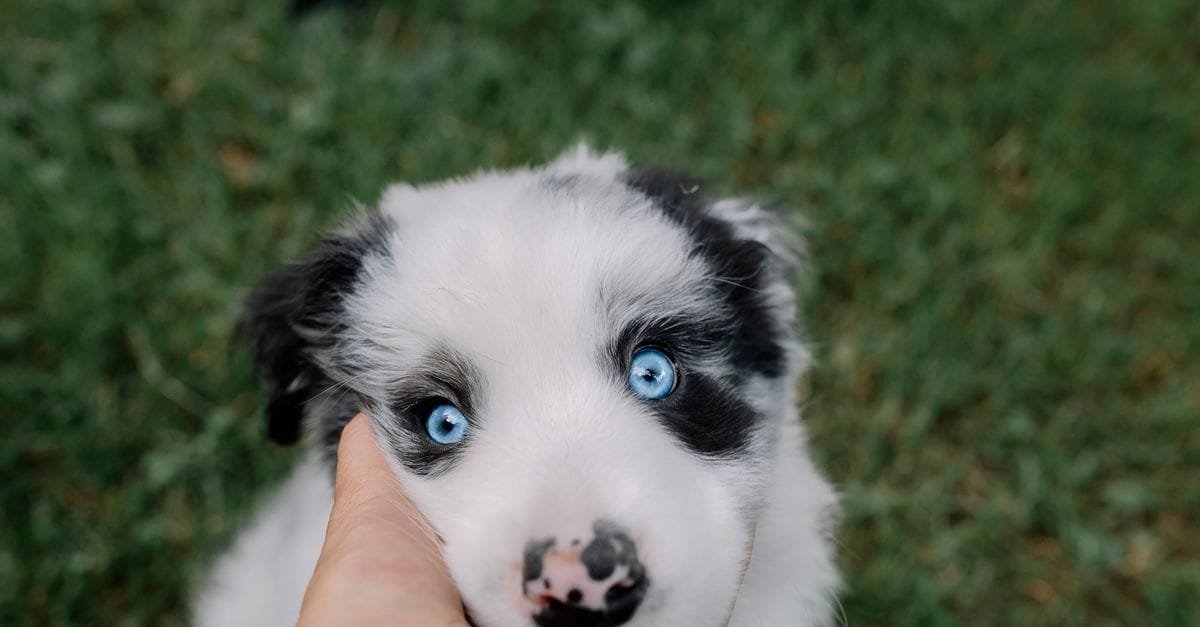
The first night is the hardest — for both of you. Your puppy has just left their mother and littermates, and the house is full of strange sounds and smells. Expect some crying; it is normal, not a sign you have done anything wrong. Set the crate beside your bed for the first few nights so your puppy can hear and smell you — it is far more reassuring than being alone in another room. A soft blanket and a safe comfort toy help, and a warm (well-wrapped, never hot) item can mimic the warmth of littermates. Keep that last potty trip right before bed, stay calm and quiet, and resist the urge to scoop them up every time they fuss, or you teach them that crying brings cuddles at 3 a.m. Within a few nights, most puppies settle beautifully.
House-Training From Day One
House-training works on a simple rhythm: take your puppy outside often, reward success immediately, and never punish accidents. Take them out first thing in the morning, after every meal, after naps, after play, and right before bed — plus every couple of hours in between for young pups, whose bladders are tiny. Pick one spot in the yard and use the same word (“go potty”) so they learn the cue. The moment they go in the right place, praise warmly and offer a small treat — timing is everything, so reward outside, not back indoors. Accidents will happen; clean them thoroughly with an enzyme cleaner so no scent remains to draw them back. This is where the crate earns its keep: dogs avoid soiling where they sleep, so a correctly sized crate teaches bladder control between trips. Be patient and consistent — most puppies are reliably trained within a few weeks.
Socialization: Your Puppy’s Most Important Job
If there is one thing that shapes your dog’s entire adult personality, it is socialization — and the window for it is short. The prime period runs roughly up to 14–16 weeks of age, when a puppy’s brain is wired to accept new experiences as normal. What they meet calmly now, they will likely be comfortable with for life; what they miss, they may fear forever. So during these weeks, gently and positively expose your puppy to as much of the world as you safely can: different people (men, women, children, hats, beards), other vaccinated and friendly dogs, household sounds (vacuum, doorbell, hairdryer), car rides, different floor surfaces, and being gently handled all over (paws, ears, mouth) so vet and grooming visits are never scary.
The key word is positive — pair new things with treats and praise, never force a frightened puppy, and keep experiences short and happy. Until your puppy’s vaccinations are complete, avoid high-risk areas like dog parks, but you can still socialise safely: carry them in public, invite healthy dogs to your home, and host friends. Puppy socialisation classes are gold. The effort you put in now prevents the fear, anxiety, and reactivity that are so hard to fix later.
Feeding Your Puppy: How Much and How Often
Puppies have tiny stomachs and big energy needs, so they eat more often than adult dogs. As a general guide: feed about four meals a day up to around 12 weeks, three meals from roughly 3 to 6 months, then settle into two meals a day. Use a quality puppy-specific food (puppies need more protein, fat, and calories than adults), and follow the portion guidance on the bag for your puppy’s age and expected adult weight as a starting point, adjusting with your vet’s input.
Avoid free-feeding (leaving food out all day) — scheduled meals help house-training and let you monitor appetite, which is an early health signal. Keep treats to about 10% of daily calories, and make fresh water always available. As your puppy grows, transition to adult food at the age your vet recommends (sooner for small breeds, later for large ones).
Common First-Week Mistakes to Avoid
- Too much freedom too soon. A puppy given run of the whole house will have more accidents and find more trouble. Use gates and the crate to keep their world small at first, then expand it.
- Skipping the crate. It feels kinder to let them sleep in your bed, but the crate builds independence and house-training. Use it from night one.
- Inconsistent rules. If “no jumping” applies sometimes but not others, your puppy learns nothing. Get the whole household agreeing on the rules from day one.
- Punishing accidents. Rubbing their nose in it or scolding only teaches fear. Reward the right behaviour instead.
- Overwhelming them. A new home is a lot. Give your puppy quiet downtime — they need 18–20 hours of sleep a day.
New Puppy FAQ
What is the single most important thing to buy?
A properly sized crate. It is your house-training tool, travel carrier, and your puppy’s safe space all in one.
How soon should my puppy see a vet?
Within the first few days of bringing them home, to confirm health and stay on track with vaccinations and parasite prevention.
Should I change my puppy’s food right away?
No — start with whatever they were already eating, then transition gradually over about a week if you want to switch, to avoid stomach upset.
The Takeaway
Getting ready for a puppy is not about buying everything — it is about having the right things ready before day one: a crate, a bed, bowls, the same food they know, ID, safe chew toys, cleanup supplies, and a puppy-proofed home. Set it all up the week before, book that first vet visit, and you will spend day one doing the best part — falling in love with your new best friend.