Choosing the best canned cat food for indoor cats can be challenging. There are countless options, each with different ingredients and benefits.
Indoor cats have unique dietary needs compared to their outdoor counterparts. They tend to be less active, requiring fewer calories, and often need more fiber to aid digestion. Quality canned cat food can provide the right balance of nutrients, ensuring your indoor cat stays healthy and happy.
Also Read
-
How to Remove a Tick From a Dog: The Grip, the Folklore Ban, and the Watch Window

-
Why Does My Cat Drink So Much Water? The Benign List, the Big Three, and the Measure

-
How to Protect Dog Paws From Hot Pavement: The Seven-Second Test and Three Substitutions

-
How to Keep Dogs Cool in Summer: The Schedule, the Risk Tiers, and the Emergency Protocol

This blog post will guide you through the top choices, highlighting key factors to consider when selecting the best canned food for your feline friend. From protein content to ingredient quality, we will explore what makes a great choice for your indoor cat’s diet. Let’s dive in and find the best options to keep your cat purring with satisfaction.
Nutritional Needs Of Indoor Cats
Understanding the nutritional needs of indoor cats is essential for their health. Indoor cats have different dietary requirements than outdoor cats. They tend to be less active, which means they need fewer calories. Their diet should also support their overall well-being and prevent obesity.
Caloric Requirements
Indoor cats require fewer calories than their outdoor counterparts. This is due to their lower activity levels. Overfeeding can lead to obesity, which can cause various health issues. A general guideline is that an adult indoor cat needs about 20 calories per pound of body weight per day.
| Cat’s Weight (lbs) | Daily Caloric Intake (cal) |
|---|---|
| 8 lbs | 160 cal |
| 10 lbs | 200 cal |
| 12 lbs | 240 cal |
Essential Nutrients
Indoor cats need a balanced diet rich in essential nutrients. These nutrients support their overall health and well-being. Here are some key nutrients:
- Protein: Cats need high-quality protein for muscle maintenance.
- Fat: Healthy fats provide energy and support skin and coat health.
- Vitamins: Vitamins like A, D, E, and K are crucial for various body functions.
- Minerals: Minerals such as calcium and phosphorus support bone health.
- Taurine: This essential amino acid is vital for heart and eye health.
Top Canned Cat Food Brands
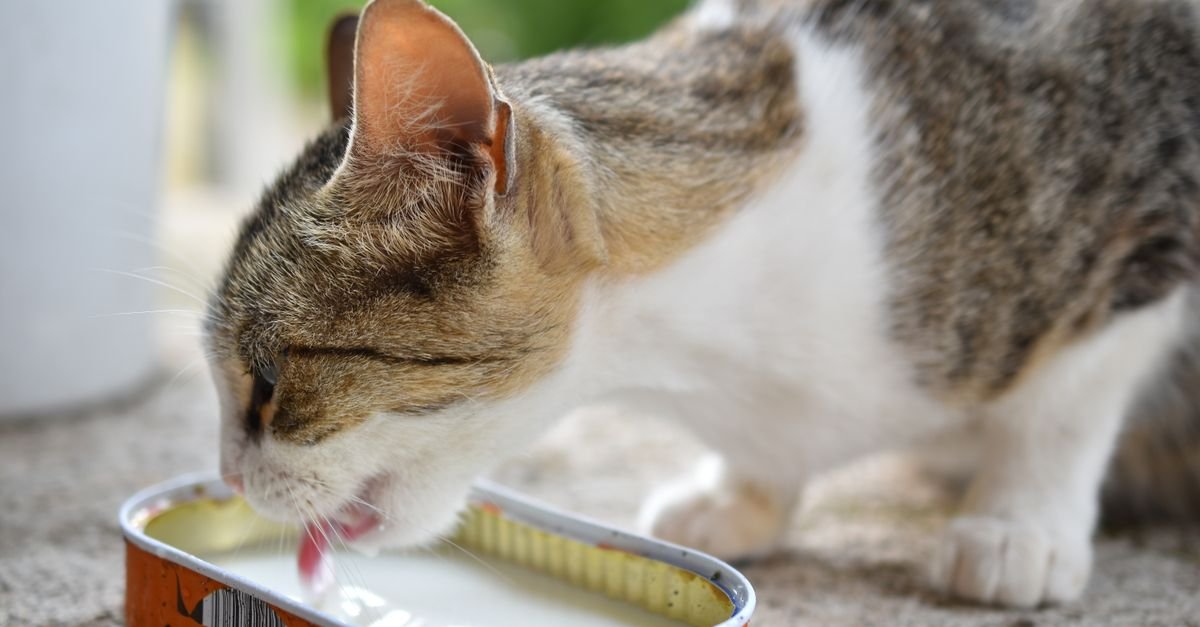
Indoor cats need a special diet to stay healthy. Finding the right canned cat food is crucial. Here are some of the top brands to consider.
Brand A Review
Brand A is known for its high-quality ingredients. This brand offers a variety of flavors that cats love.
- Protein-rich to support muscle health.
- Contains essential vitamins and minerals.
- Free from artificial preservatives.
Many pet owners report improved coat shine and increased energy levels in their cats. Brand A’s commitment to quality makes it a top choice.
Brand B Review
Brand B focuses on natural and organic ingredients. This brand is ideal for cats with sensitive stomachs.
- Grain-free options available.
- Includes real meat as the first ingredient.
- Rich in omega-3 and omega-6 fatty acids.
Cat owners notice fewer digestive issues and better overall health. Brand B’s use of natural ingredients sets it apart.
Special Dietary Needs
Indoor cats have unique dietary needs. Their lifestyle is more sedentary compared to outdoor cats. This often means their food must be carefully chosen. Special dietary needs can include grain-free options and formulas for sensitive stomachs. Let’s explore some top choices for these specific needs.
Grain-free Options
Grain-free cat food is ideal for cats with grain allergies. It helps in reducing digestive issues. These foods often contain higher quality ingredients. Here are a few top choices:
- Blue Buffalo Wilderness: High in protein and made with real chicken.
- Merrick Purrfect Bistro: Contains deboned chicken and sweet potatoes.
- Wellness CORE: Packed with turkey and chicken liver.
Grain-free options can improve your cat’s overall health. It can also make their coat shinier and softer.
Sensitive Stomach Formulas
Cats with sensitive stomachs need special care. They might experience vomiting or diarrhea with regular food. Sensitive stomach formulas are designed to be gentle. Here are some excellent choices:
- Hill’s Science Diet: Specifically for sensitive stomach and skin.
- Purina Pro Plan: Includes easily digestible ingredients.
- Royal Canin Digest Sensitive: Reduces stool odor and promotes healthy digestion.
These formulas often include prebiotics and fiber. This helps with better digestion and nutrient absorption.
| Brand | Type | Main Ingredients |
|---|---|---|
| Blue Buffalo Wilderness | Grain-Free | Chicken, Chicken Broth, Potato Starch |
| Merrick Purrfect Bistro | Grain-Free | Deboned Chicken, Chicken Broth, Turkey Broth |
| Hill’s Science Diet | Sensitive Stomach | Chicken, Corn Gluten Meal, Pork Fat |
| Purina Pro Plan | Sensitive Stomach | Turkey, Liver, Meat By-Products |
Wet Vs. Dry Cat Food
Choosing the right food for your indoor cat is essential. Many cat owners wonder whether wet or dry cat food is better. Both have their own benefits and drawbacks. Understanding these can help you make the best decision for your furry friend.
Pros And Cons Of Wet Food
Wet cat food is highly palatable and provides essential moisture. This can be especially helpful for cats who do not drink enough water.
- Pros:
- Higher moisture content which aids in hydration.
- Often more appealing to picky eaters.
- Can help with weight management due to lower calorie density.
- Cons:
- Typically more expensive than dry food.
- Shorter shelf life once opened.
- Can be messier to serve and store.
Balancing Wet And Dry Food
Many cat owners opt to balance wet and dry food. This approach can offer the best of both worlds.
| Aspect | Wet Food | Dry Food |
|---|---|---|
| Moisture Content | High | Low |
| Cost | Higher | Lower |
| Convenience | Requires refrigeration | Easy to store |
| Dental Health | Less beneficial | Can help reduce tartar |
Mixing wet and dry food ensures your cat gets balanced nutrition. This method can keep your cat hydrated while also supporting dental health.
For example, serve wet food in the morning and dry food in the evening. This way, your cat enjoys variety and balanced nutrients throughout the day.
Ingredients To Look For
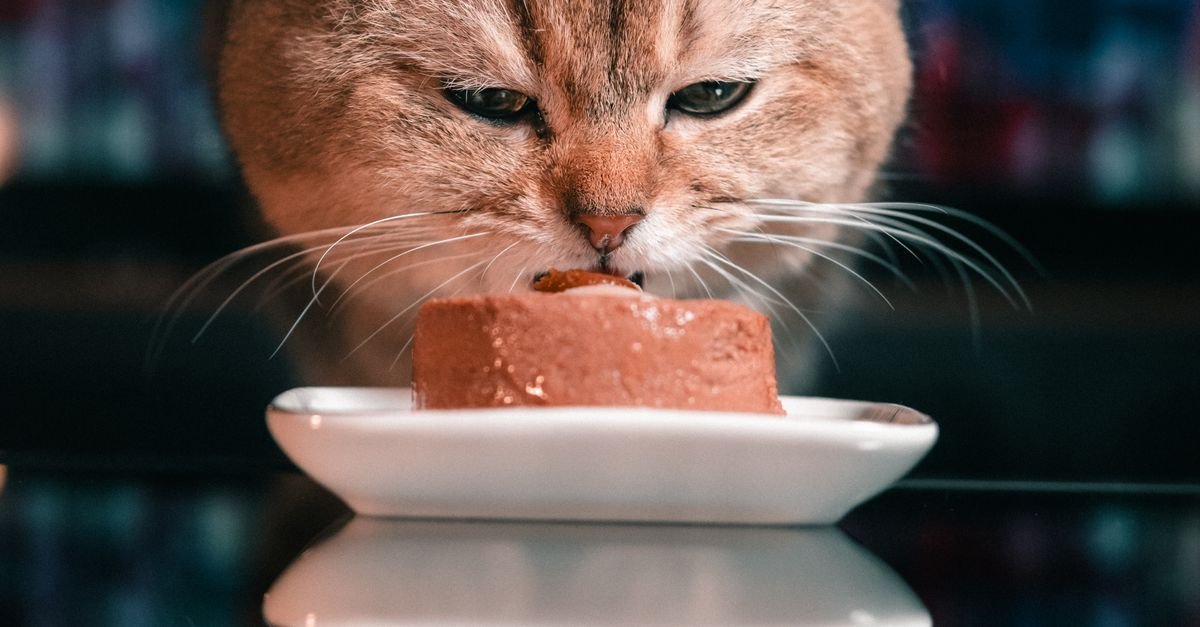
Choosing the best canned cat food for indoor cats requires careful consideration of ingredients. Indoor cats have unique dietary needs. They need food that supports their health and lifestyle. Here are some important ingredients to look for.
High-quality Proteins
Proteins are essential for your cat’s muscle maintenance and energy. Look for canned foods with named meat sources. Examples include chicken, turkey, or salmon. Avoid products with vague labels like “meat by-products” or “animal digest”. These often contain lower-quality proteins.
Ensure the first ingredient listed is a high-quality protein. This indicates the food has a high protein content. Cats are obligate carnivores. They need a diet rich in animal proteins. Plant proteins do not provide the same nutritional benefits.
Beneficial Additives
Additives can enhance the nutritional value of cat food. Look for foods with Omega-3 and Omega-6 fatty acids. These promote a healthy coat and skin. Taurine is another important additive. It supports heart and eye health in cats.
Some foods contain added vitamins and minerals. These support your cat’s overall health. Vitamin E and B vitamins are particularly beneficial. They boost the immune system and energy levels.
Fiber is also crucial for indoor cats. It helps with digestion and can reduce hairballs. Look for foods with natural fiber sources. Examples include pumpkin or beet pulp.
Ingredients To Avoid
Choosing the best canned cat food for indoor cats involves more than just picking a brand. It’s vital to know what ingredients to avoid. Certain ingredients can harm your feline friend. These can lead to health issues. Let’s explore some of these harmful components.
Artificial Additives
Artificial additives can cause trouble for your cat. These include artificial colors, flavors, and preservatives. They offer no nutritional benefits. They can even trigger allergies or digestive problems. Always check labels for these additives.
Common Allergens
Some ingredients are common allergens for cats. Corn, soy, and wheat are examples. These can cause skin issues and stomach upset. Avoid foods with these components. Opt for grain-free options instead.
Feeding Tips
Feeding your indoor cat the right food is essential. You want your cat to be healthy and happy. Proper feeding ensures good health. It helps maintain a healthy weight. Here are some feeding tips for your indoor cat.
Proper Serving Sizes
It’s important to serve the right amount of food. Overfeeding can lead to obesity. Underfeeding can cause malnutrition. Check the can for serving size recommendations. Usually, this depends on your cat’s weight. Divide the daily serving into several meals. This keeps your cat satisfied and prevents overeating.
Transitioning Foods
Switching cat food should be done gradually. Sudden changes can upset your cat’s stomach. Start by mixing a small amount of new food with the old food. Increase the new food slowly over a week. This helps your cat adjust and reduces the risk of digestive issues.
Frequently Asked Questions
What Is The Best Canned Cat Food For Indoor Cats?
The best canned cat food for indoor cats is high in protein, low in carbs, and contains essential nutrients. Look for brands with quality ingredients and no fillers or artificial additives.
How Often Should I Feed My Indoor Cat Canned Food?
Feed your indoor cat canned food twice a day. Adjust the portion size based on their weight and activity level. Consult your vet for personalized advice.
Is Canned Cat Food Better Than Dry Food?
Canned cat food is often better than dry food for hydration and maintaining a healthy weight. It contains higher moisture content and fewer carbohydrates, which benefits indoor cats.
Can Canned Cat Food Help With Weight Management?
Yes, canned cat food can help with weight management. It has higher moisture content, which can make your cat feel fuller and more satisfied.
Conclusion
Choosing the best canned cat food for indoor cats ensures their health. Indoor cats need balanced nutrition for energy and well-being. Always check ingredients and consult your vet. Quality food supports a happy, active life for your cat. Remember, a healthy diet means fewer vet visits and a happier pet.
Your furry friend deserves the best. Make informed choices and watch your cat thrive.
📚 Trusted Pet Resources
Always consult your veterinarian for advice specific to your pet.
Where to Buy Canned Cat Food for Indoor Cats
The food types and qualities described above are widely available online. To compare current options, ingredients, and prices, browse these categories:
Introduce any new food gradually over 7–10 days, and check with your veterinarian before changing the diet of a pet with a health condition.

Hello! I'm Khan Hisham, a dedicated student with a profound passion for enhancing the lives of pets through comprehensive care. At Pawspera, our mission—"Prospering Pets, Every Day"—drives everything we do. We are committed to providing the latest insights, tips, and products that ensure your pet's health and happiness. Join us at Pawspera as we explore innovative ways to care for our furry friends with love and dedication.