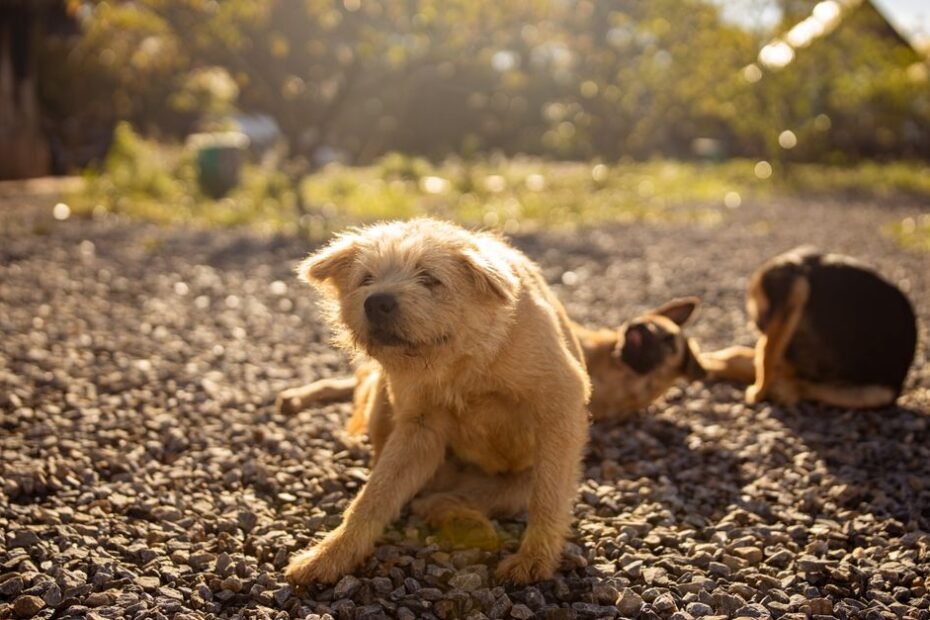
A hot spot is a red, raw, often painful patch of inflamed skin that appears when a dog repeatedly licks, scratches or chews one area — usually triggered by allergies, fleas, moisture or matted fur. They can spread alarmingly fast, and most need veterinary care to heal properly and to fix the underlying cause. This guide covers what hot spots are, how they’re treated, and how to prevent them.
Key Takeaways
- Hot spots are inflamed, oozing skin sores (acute moist dermatitis).
- They spread fast — a small patch can grow within hours.
- Common triggers: allergies, fleas, trapped moisture and matted coats.
- Stop the licking — it’s what makes hot spots worse.
- See your vet. Most hot spots need proper treatment and a cause fix, not just home care.
What is a hot spot on a dog?
A hot spot — medically called acute moist dermatitis — is a localized area of inflamed, infected skin. It develops when a dog fixates on one spot and licks, scratches or chews it raw.
That constant irritation damages the skin, letting bacteria take hold and creating a moist, angry sore. The behavior and the sore feed each other, so it worsens quickly.
Also Read
-
How to Remove a Tick From a Dog: The Grip, the Folklore Ban, and the Watch Window
-
Why Does My Cat Drink So Much Water? The Benign List, the Big Three, and the Measure

-
How to Protect Dog Paws From Hot Pavement: The Seven-Second Test and Three Substitutions

-
How to Keep Dogs Cool in Summer: The Schedule, the Risk Tiers, and the Emergency Protocol
Hot spots are common, especially in warm, humid weather — but they’re not something to simply wait out.
What do hot spots look like?
Hot spots are usually easy to spot once you know the signs.
- A red, raw or oozing patch of skin.
- Moist or matted fur around the area, or hair loss.
- Constant licking, scratching or biting at one spot.
- Swelling, a bad smell, or crusting.
- Signs of pain or heat when touched.
They often appear on the head, neck, hips or legs — anywhere a dog can reach to lick or scratch.
What causes hot spots in dogs?
A hot spot is really a symptom — something is making the skin itch or hurt first.
- Allergies — food or environmental allergies are a leading cause.
- Fleas and parasites — flea bites trigger intense itching.
- Trapped moisture — after swimming, baths or rain, especially under thick coats.
- Matted or dirty fur — traps moisture and irritates skin.
- Boredom or anxiety — stress licking can start a hot spot.
- Ear or anal gland problems, or pain — a dog licks the nearest area.
Because the trigger varies, finding and fixing the cause is just as important as treating the sore.
Which dogs are most prone to hot spots?
Any dog can get a hot spot, but some are more at risk.
Thick-coated and long-haired breeds like Golden Retrievers, German Shepherds and Saint Bernards are especially prone, as their coats trap heat and moisture. Dogs that swim a lot, have allergies, or aren’t groomed regularly are also higher risk.
Warm, humid seasons make hot spots more likely across all breeds.
Are dog hot spots serious?
Hot spots aren’t usually a life-threatening emergency, but they shouldn’t be ignored.
They’re painful, they can spread rapidly, and the skin infection can deepen if left untreated. What starts as a coin-sized patch can become a large, angry wound within a day.
Prompt attention keeps a minor irritation from turning into a serious, slow-to-heal infection.
How are hot spots treated?
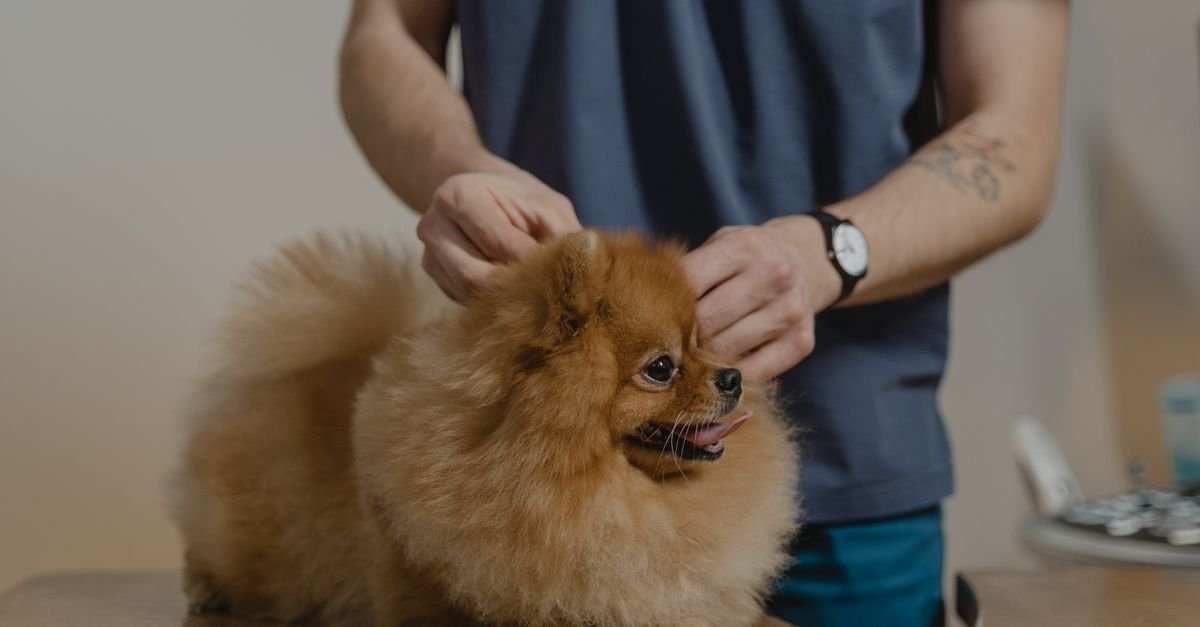
Proper treatment usually needs a vet, especially for anything more than a tiny patch.
A vet will typically clip the fur around the spot, clean the area, and prescribe treatment — which may include topical medication, and sometimes antibiotics or anti-inflammatories. They’ll also help identify and address the underlying trigger.
Clipping and cleaning let the skin dry and heal, while stopping the itch-lick cycle. This is why vet care works better than guessing at home.
Can you treat a dog hot spot at home?
For a very small, mild spot you can take first steps while you arrange a vet visit.
Gently trim the fur around it, clean it with a vet-approved antiseptic, keep it dry, and — most importantly — stop your dog licking it. A dog-safe hot spot spray can help soothe the skin alongside proper care.
But home care has limits: avoid human creams (dogs lick them off), and see your vet if the spot is large, spreading, smelly or painful. This is general information, not veterinary advice.
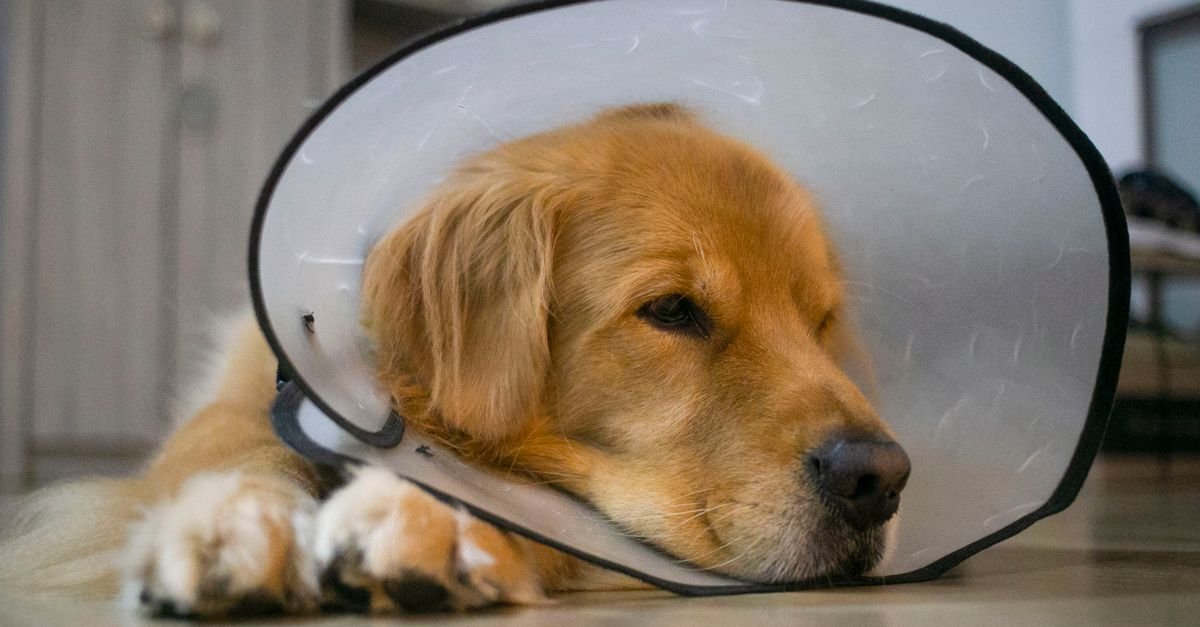
How to stop your dog licking the hot spot
Breaking the lick-scratch cycle is essential for healing.
A recovery cone (the classic “cone of shame”), a soft recovery collar, or a protective garment stops your dog reaching the sore. It feels mean, but it’s the fastest way to let the skin heal.
Keeping your dog gently distracted with walks and enrichment also reduces the urge to lick.
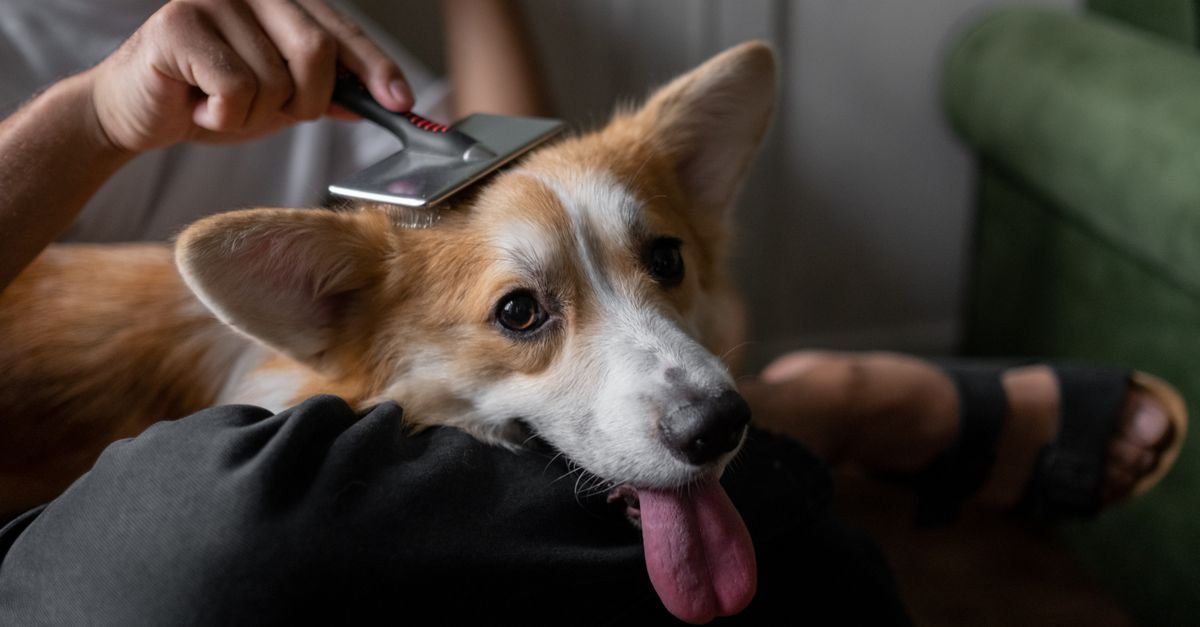
How to prevent hot spots
- Stay on top of flea control. See the best flea and tick treatments.
- Groom regularly. Brush out mats and keep the coat clean — our home grooming guide helps.
- Dry your dog thoroughly after swimming, baths and rain.
- Manage allergies with your vet, since they’re a top cause.
- Reduce boredom and stress that lead to compulsive licking.
Prevention is far easier than treating a full-blown hot spot.
Hot spots and allergies
If your dog gets hot spots again and again, allergies are a likely culprit.
Food or environmental allergies cause chronic itching that leads straight to hot spots. Managing the allergy — with your vet’s help, the right diet, and skin support — is the real fix.
Soothing shampoos and omega-3s can support the skin barrier; see our picks for pet shampoo for allergies and fish oil for pets.
Hot spots vs other skin problems
Hot spots can look like other skin issues, so it helps to know the difference.
Unlike slow, flaky dry skin, a hot spot appears suddenly and is moist, red and raw. It’s also different from ring-shaped ringworm or the widespread hair loss of mange — though only a vet can be sure with a proper exam.
If you’re not certain what you’re looking at, treat it as a reason to get a professional diagnosis rather than guessing.
Do hot spots hurt your dog?
Yes — hot spots are genuinely painful and itchy, which is exactly why dogs won’t leave them alone.
The raw, inflamed skin stings and itches at the same time, creating that miserable scratch-lick cycle. Your dog may flinch, whine or snap if the area is touched.
Because they hurt, prompt treatment isn’t just about healing — it’s about relieving real discomfort. Learn to spot pain with our guide on how to tell if your dog is in pain.
Why hot spots spike in summer
Hot spots are far more common in warm, humid weather.
Heat and humidity keep the coat and skin damp, especially after swimming, and fleas are more active in summer too. Thick-coated dogs trap that moisture against the skin, creating the perfect conditions for a flare-up.
Extra grooming, thorough drying and diligent flea control matter most during the warmer months.
Can diet help prevent hot spots?
Diet won’t cure a hot spot, but it can support healthier, more resilient skin.
A quality diet with the right nutrients — omega-3 fatty acids in particular — helps maintain the skin barrier. For dogs with food allergies, the right diet can also reduce the itching that leads to hot spots in the first place.
Talk to your vet about diet and supplements if your dog has recurring skin issues; fish oil for pets is a common skin-support option.
What not to do with a hot spot
- Don’t use human creams — dogs lick them off and some are toxic.
- Don’t ignore it — hot spots spread fast when left alone.
- Don’t let your dog keep licking — use a cone or recovery collar.
- Don’t scrub harshly — gentle cleaning only.
- Don’t skip the cause — treating the sore without fixing the trigger means it comes back.
How long do hot spots take to heal?
With prompt, proper treatment, many hot spots improve within a few days and heal over one to two weeks.
Healing is faster when the dog can’t lick the area and the underlying cause is addressed. Left untreated, they linger, spread and can become chronic.
Follow your vet’s instructions fully, even once it looks better, to prevent it flaring back up.
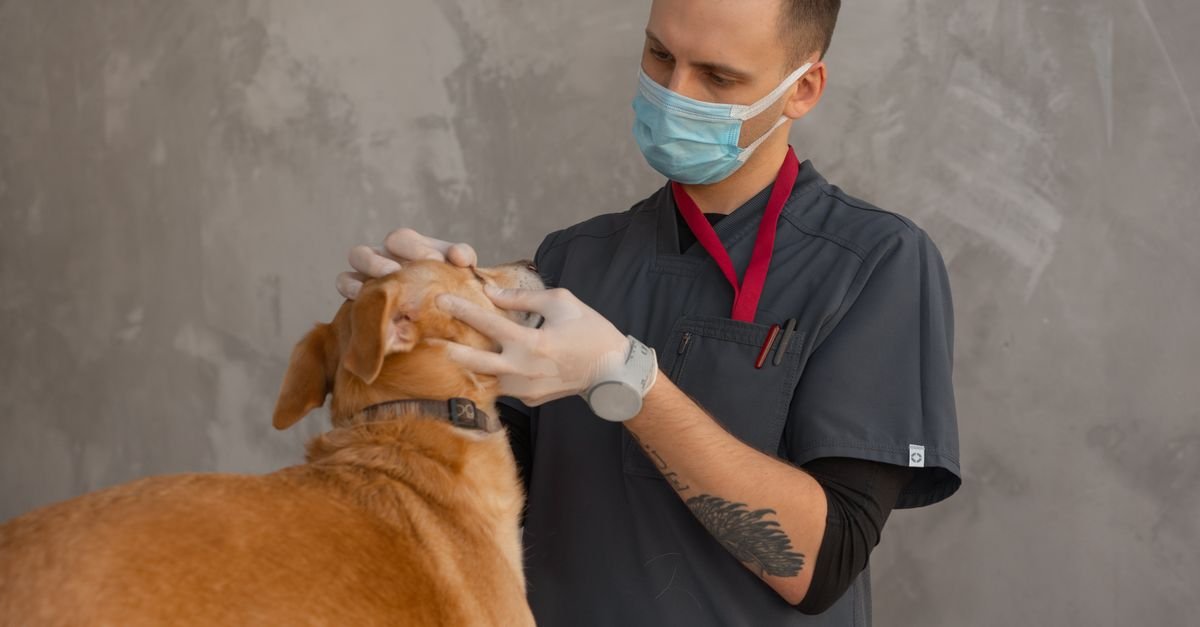
When to see the vet
It’s safest to have most hot spots checked by a vet.
Book a visit promptly if the spot is larger than a coin, spreading, oozing pus, smelly, very painful, or if your dog is unwell, or if hot spots keep coming back. Recurring hot spots point to an underlying issue that needs proper diagnosis.
Skin problems can also overlap with other signs of illness in pets, so don’t hesitate to get it looked at.
Frequently Asked Questions
What is the fastest way to treat a dog’s hot spot?
The fastest, safest route is a vet visit: they clip and clean the area and prescribe the right treatment to break the infection and itch cycle. Meanwhile, keep the spot clean and dry and stop your dog licking it. Avoid human creams, which dogs lick off.
Will a dog’s hot spot heal on its own?
Rarely, and usually not quickly — because the dog keeps licking it, the sore tends to spread and worsen. Most hot spots need treatment and a stop to the licking to heal properly. See your vet, especially if it’s large, spreading or painful.
What can I put on a dog hot spot?
Use only dog-safe products, such as a vet-recommended antiseptic or a dog hot spot spray, and keep the area clean and dry. Do not use human creams or ointments, as dogs lick them off and some are harmful. For anything beyond a tiny spot, get vet-prescribed treatment.
Are hot spots contagious to other pets or people?
Hot spots themselves aren’t contagious — they’re caused by a dog’s own licking and skin bacteria, not something that spreads to others. However, an underlying cause like fleas can affect other pets, so treat the root issue too.
Why does my dog keep getting hot spots?
Recurring hot spots usually mean an ongoing trigger — most often allergies, fleas, or trapped moisture from grooming and coat issues. Work with your vet to identify and manage the underlying cause, rather than only treating each flare-up.
The bottom line
Hot spots are painful, fast-spreading skin sores driven by a dog licking an itchy or irritated area — so the goal is to treat the sore, stop the licking, and fix what caused it.
Keep up flea control, grooming and allergy management to prevent them, and don’t leave a spreading or painful hot spot to chance.
When in doubt, see your vet — it’s the surest way to heal a hot spot and stop it coming back. For more, see our guide to the most common signs of illness in pets.

Hello! I'm Khan Hisham, a dedicated student with a profound passion for enhancing the lives of pets through comprehensive care. At Pawspera, our mission—"Prospering Pets, Every Day"—drives everything we do. We are committed to providing the latest insights, tips, and products that ensure your pet's health and happiness. Join us at Pawspera as we explore innovative ways to care for our furry friends with love and dedication.