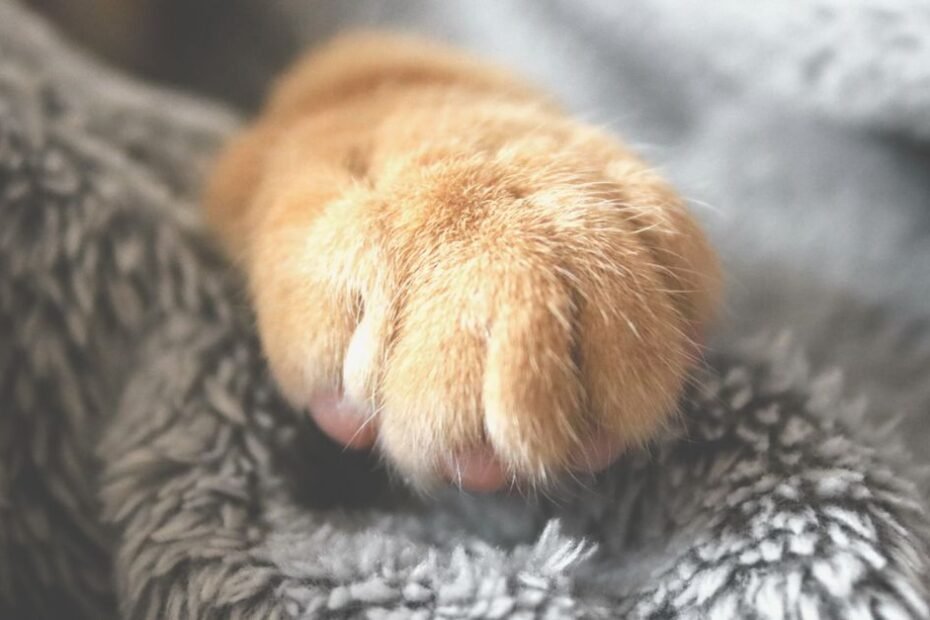
Cats knead — rhythmically pushing their paws in and out against a soft surface — mainly as a comforting, instinctive behavior left over from nursing as kittens. Most of the time it’s a happy sign that your cat feels safe and content, though it can also mean marking territory, making a cozy spot, or simply stretching. Here’s what kneading really means and how to handle the claws.
Key Takeaways
- Kneading (“making biscuits”) is normal, instinctive cat behavior.
- It starts in kittenhood — kittens knead while nursing.
- It usually means contentment — your cat feels relaxed and safe.
- Other reasons: marking scent, making a comfy spot, stretching, affection.
- Don’t punish it — protect yourself from claws with a blanket instead.
What is cat kneading?
Kneading is when a cat pushes its front paws in and out against a soft surface, alternating left and right in a rhythmic motion. People affectionately call it “making biscuits” because it looks like kneading dough.
Cats do it on blankets, cushions, laps and other soft spots, often while purring and looking blissed-out. Some just press gently; others go all-in with claws.
Also Read
-
How to Stop a Cat Scratching Furniture: The Reroute, the Placement Law, and the Specs

-
How to Crate Train a Dog: The Four Stages, the Whining Tree, and the Physiology Table

-
Back to School With Pets: The Two-Week Taper, the Alone-Time Rebuild, and the Distress Line

-
The Complete Dog & Cat Training Guide: Positive Reinforcement That Works

It’s one of the most common and endearing things cats do — and it almost always comes from a good place.
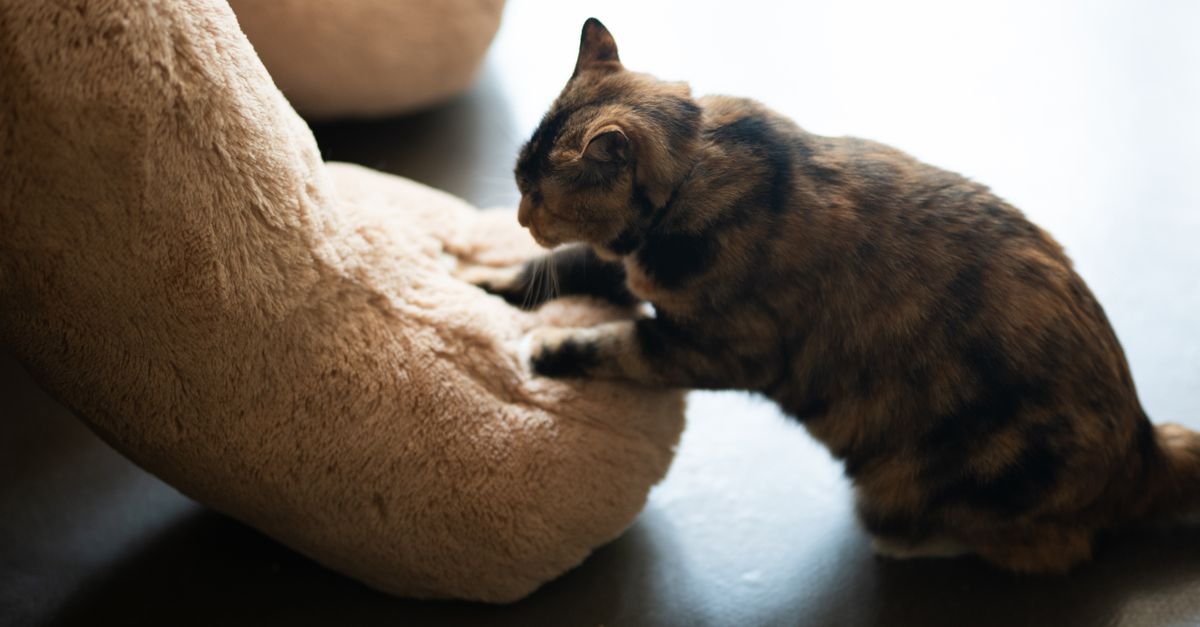
Why do cats knead? The main reasons
There are several overlapping explanations, and your cat may knead for more than one:
- Kittenhood comfort. Kittens knead their mother while nursing to stimulate milk, and the soothing association stays for life.
- Contentment. A relaxed, happy cat kneads to show it feels safe.
- Marking territory. Cats have scent glands in their paws, so kneading leaves their scent behind.
- Making a cozy spot. An instinct from wild ancestors who patted down grass or leaves to nest.
- Stretching. Kneading gently works the muscles of the paws and legs.
- Affection. Kneading you is often a sign of bonding and trust.
In short, kneading is mostly about comfort, security and communication.
Why does my cat knead me specifically?
If your cat kneads you, take it as a compliment.
It usually means your cat feels safe and bonded with you, echoing the comfort it felt with its mother. It’s also marking you with its scent — in cat terms, claiming you as part of its family.
So a cat kneading your lap is showing love, trust and belonging, all at once.
Why does my cat knead before lying down?
You’ll often see a cat knead a spot, circle, then settle.
This is the ancient nesting instinct at work — wild cats trampled grass and leaves to create a soft, safe place to rest. Your cat is “fluffing up” its bed even though the cushion is already comfy.
It’s a harmless leftover behavior that shows your cat is getting ready to relax.
Do cats knead when they’re happy?
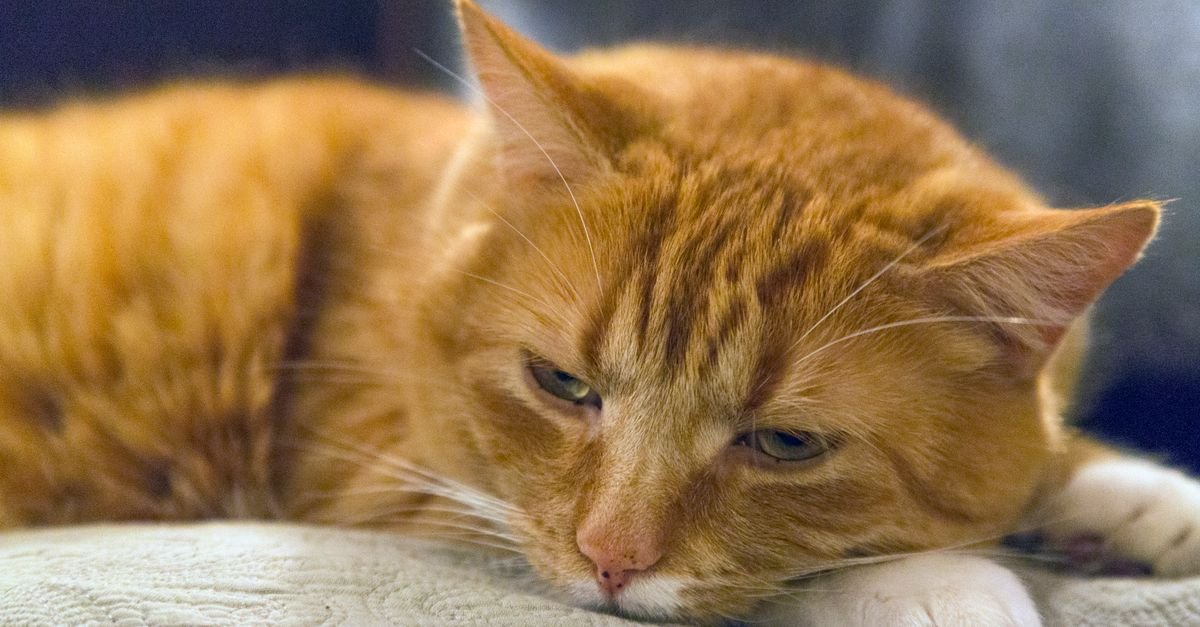
Most of the time, yes — kneading is a classic sign of a content, relaxed cat.
It’s frequently paired with purring, half-closed eyes, and a loose, calm body. All of these together say your cat feels safe and comfortable.
If your cat kneads on you while purring, it’s about as clear a “I’m happy” signal as cats give.
Why does my cat knead and suckle or bite?
Some cats knead while suckling on a blanket or gently mouthing it.
This is another echo of nursing, and it’s especially common in cats that were weaned early. It’s usually a self-soothing comfort behavior, not a problem.
As long as your cat isn’t eating fabric (which can be harmful) or seems distressed, gentle suckling alongside kneading is generally nothing to worry about.
Does it hurt when cats knead with their claws?
Enthusiastic kneading with claws out can definitely be uncomfortable on a lap.
Your cat isn’t trying to hurt you — it just gets carried away in the moment. The good news is you can manage it without stopping the behavior.
Lay a thick blanket over your lap, keep your cat’s nails trimmed, and gently redirect onto a soft surface if the claws get sharp. A soft cat blanket gives them a comfy place to make biscuits.
How should you respond when your cat kneads you?
The best response is simply to enjoy it — your cat is showing trust.
Stay calm and relaxed so your cat keeps feeling safe, and protect your legs with a blanket if the claws are sharp. Never scold or push your cat away roughly, as that can damage the bond.
If you’d rather not be kneaded, gently move your cat onto a cushion beside you instead.
Why does my cat knead and purr at the same time?
Kneading and purring together is the ultimate cat contentment combo.
Both behaviors trace back to nursing kittens, who knead and purr while feeding. When your adult cat does both at once, it’s recreating that deep sense of comfort and safety.
So a purring, kneading cat on your lap is telling you, in the clearest way it can, that it’s completely happy.
Do male and female cats knead differently?
Both male and female cats knead, and it’s normal for either.
There’s no major difference in why they do it — comfort, contentment and scent-marking apply to all cats. Some unspayed females may knead a little more when they’re in heat, but that’s the main exception.
Personality matters far more than sex when it comes to how much a cat kneads.
Kneading and your cat’s other affection signals
Kneading is just one of the ways cats show they love and trust you.
Watch for the whole picture: slow blinks, head-butting, following you around, purring, and rolling over to show their belly. Together, these paint a clear picture of a cat that feels safe with you.
Learning these signals helps you understand what your cat is really saying.
Why does my cat knead then gently bite?
Some cats knead, then add a soft nibble or “love bite.”
This is usually affectionate, or a sign of mild overstimulation — your cat is very content but has had just enough petting. It’s rarely aggressive.
If the bites get harder, calmly pause the attention and let your cat settle; never punish, as it damages trust.
Should you trim your cat’s nails for kneading?
Regular nail trims make kneading far more comfortable for you.
Keeping the claws blunt means happy biscuit-making doesn’t leave marks on your lap or snag your blankets. Introduce nail trimming gently and pair it with treats.
A scratching post and soft blankets also help keep claws healthy and give your cat great places to knead.
Is kneading ever a sign of a problem?
Kneading itself is almost always normal and healthy.
Occasionally, though, a sudden change in behavior is worth noticing — for example, frantic, restless kneading paired with signs of stress, or obsessive fabric-sucking and eating. Excessive licking or overgrooming of the paws is also worth a look.
If kneading comes with distress or other unusual signs, check for other signs of illness in pets and, if in doubt, ask your vet.
Where do cats like to knead?
Cats knead wherever they feel comfortable and safe.
Favourite spots include soft blankets, cushions, pet beds, your lap, and even other cats they’re bonded with. The softer and warmer the surface, the more inviting it is for a good biscuit-making session.
Giving your cat plenty of cozy, dedicated spots means it’s less likely to knead somewhere you’d rather it didn’t.
Do all cats knead?
Most cats knead, but not every cat does — and both are perfectly normal.
Some cats knead constantly, others rarely, and a few not at all. Personality, early experiences and individual habits all play a part.
If your cat doesn’t knead, don’t worry; it just has other ways of showing it’s comfortable.
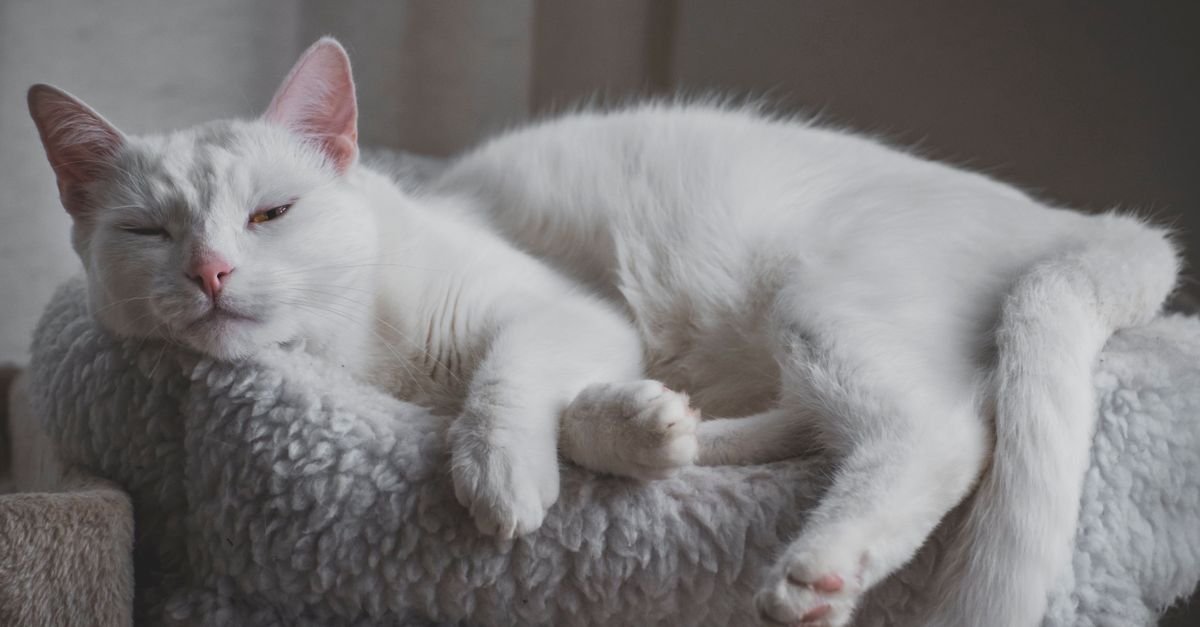
Should you stop your cat from kneading?
No — kneading is a natural, healthy behavior and there’s no reason to stop it.
The only thing worth managing is the claws, and that’s easily handled with a blanket and regular nail trims. Punishing kneading can confuse and stress your cat.
Giving your cat cozy, appropriate places to knead — soft beds and blankets — keeps everyone happy. See our picks for the best cat beds.
Keeping a happy, content cat
Kneading is one small sign of a cat that feels safe — and a secure cat is a happy one.
Plenty of enrichment, comfy resting spots and gentle attention all support that sense of security. A cat tree and an engaging environment help your cat feel confident at home.
For the full picture, see our guide to keeping an indoor cat happy and active.
Frequently Asked Questions
What does it mean when a cat kneads you?
When a cat kneads you, it usually means it feels safe, relaxed and bonded with you — a comfort behavior carried over from kittenhood. It’s also marking you with the scent glands in its paws, in effect claiming you as family. It’s a sign of trust and affection.
Why do cats knead blankets and soft things?
Cats knead soft surfaces like blankets because it’s comforting and instinctive, echoing how kittens knead while nursing. It also lets them mark the spot with their scent and “fluff up” a cozy place to rest, a leftover nesting instinct from their wild ancestors.
Is it bad if my cat kneads with claws out?
No, it’s normal — your cat isn’t trying to hurt you, it just gets absorbed in the moment. Protect yourself with a thick blanket and keep your cat’s nails trimmed. Don’t punish the behavior; simply redirect onto a soft surface if needed.
Do cats knead when they are stressed?
Kneading is usually a sign of contentment, not stress. Occasionally a cat may knead to self-soothe, but if it’s frantic or paired with other signs of anxiety or illness, it’s worth watching and checking with your vet if it continues.
Should I stop my cat from kneading?
No — kneading is natural and healthy, so there’s no need to stop it. Just manage the claws with a blanket and regular nail trims, and give your cat soft, appropriate places to knead. Punishing it can stress your cat and harm your bond.
Why do cats knead before they fall asleep?
Kneading before sleep is a nesting instinct — wild cats patted down grass to make a soft, safe bed. Your cat is “fluffing up” its spot and settling into a relaxed, secure state before dozing off, even on an already-soft cushion.
Do kittens knead more than adult cats?
Kittens knead a lot because it’s linked to nursing, but most cats keep kneading throughout their lives as a comfort behavior. Some knead more with age, some less — both are normal, driven mainly by personality and how safe the cat feels.
The bottom line
When your cat kneads, it’s usually telling you it feels safe, content and bonded — a sweet habit rooted in kittenhood.
Enjoy it as the compliment it is, manage the claws with a blanket and nail trims, and give your cat cozy spots to “make biscuits.”
Only a sudden change alongside other unusual signs is worth a vet’s attention. For more on a happy cat, see our guide to keeping an indoor cat happy.

Hello! I'm Khan Hisham, a dedicated student with a profound passion for enhancing the lives of pets through comprehensive care. At Pawspera, our mission—"Prospering Pets, Every Day"—drives everything we do. We are committed to providing the latest insights, tips, and products that ensure your pet's health and happiness. Join us at Pawspera as we explore innovative ways to care for our furry friends with love and dedication.