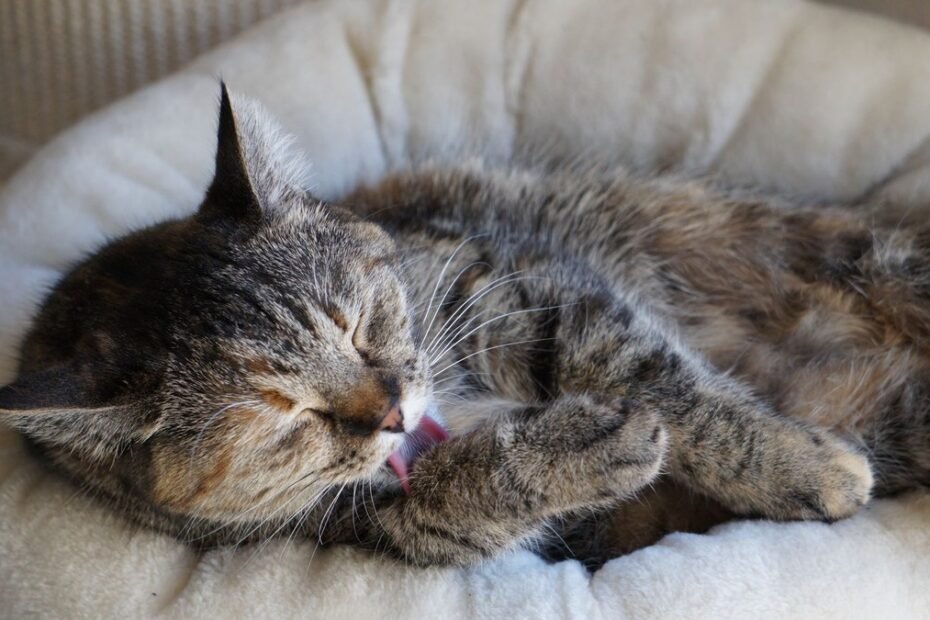
Cats sleep a lot — often 12 to 16 hours a day — so where they sleep genuinely matters to their comfort and wellbeing. A good cat bed gives your cat a warm, safe, cozy place of their own to rest, feel secure, and escape the hustle of the household. But cats are famously picky (you’ve probably watched yours ignore an expensive bed in favor of a cardboard box), so choosing the right one takes a little know-how. This guide covers the best cat beds, the types available, what to look for, and how to get your cat to actually use it.
Why the Right Cat Bed Matters
A dedicated bed does more than look cute. Cats feel safest when they have a spot that’s unmistakably theirs — somewhere warm, soft, and slightly enclosed where they can fully relax. A proper bed supports their joints (important for kittens, seniors, and less mobile cats), keeps them off cold hard floors, retains their body heat (cats love warmth), and gives anxious cats a secure retreat. It can also save your furniture and laundry by giving your cat a more appealing place to nap than your couch or clean clothes. The right bed simply makes for a happier, more settled cat.

Types of Cat Beds
Donut / Cuddler Beds
Round, plush beds with raised edges all around — perfect for cats who curl into a tight ball. The soft surround feels secure and lets them rest their head on the rim. One of the most popular and universally loved styles.
Also Read
-
Best Kitten Toys: The Four Jobs, the Hands-Are-Never-Toys Law, and the Hunt Sequence

-
Best Dog Camping Gear: The Four Layers, the Backyard Test, and the Camp “Place”

-
Best Cat Tunnels: Portholes, the Crinkle Question, and Ambush Geometry That Gets Used

-
Best Elevated Dog Beds: Airflow Physics, the Three Specs, and the “Place” Bonus

Cave / Covered Beds
Enclosed, hooded, or tent-style beds that cats can burrow into. Ideal for shy or anxious cats and those who love to hide — the enclosed space feels safe and warm, satisfying their instinct to tuck away in a den.
Heated Beds
Gently warmed beds (or self-warming ones that reflect body heat) that cats adore, especially in cold weather or for senior cats with stiff joints. Look for safe, low, regulated heat designed specifically for pets.
Window Perches & Hammocks
Beds that mount on a windowsill or attach to a window let your cat lounge in the sun and watch the outside world — a favorite spot for many cats that doubles as entertainment.
Bolster & Mat Beds
Bolster beds have a raised side or two to lean against; simple mat or pad beds are flat, versatile, and easy to place anywhere or inside a carrier or favorite box. Great as budget or extra beds around the home.
Cat bed picks on Amazon
Find a cozy spot your cat will love:
What to Look For in a Cat Bed
- The right size — cozy enough to feel secure but big enough to stretch out in. Many cats prefer a slightly snug bed they can curl into.
- Soft, warm materials — plush, cozy fabrics that hold warmth; cats gravitate to warm, soft surfaces.
- Machine-washable — removable, washable covers (or fully washable beds) are essential for hygiene, since beds collect hair and dander.
- Non-slip base — keeps the bed steady so your cat feels secure jumping in and out.
- A sense of security — raised edges or an enclosed design appeal to most cats’ instinct to feel protected while sleeping.
- Durable, safe construction — no loose parts or toxic materials.
Where Cats Like Their Beds
Placement can make or break whether a cat uses a bed. Cats prefer beds in warm, quiet, safe spots — often slightly elevated, in a sunny patch, or in a cozy corner where they can see the room but feel tucked away. Avoid busy, noisy, high-traffic areas. Many cats love height (a windowsill or a perch up high), warmth (near a sunny window or a warm room), and a vantage point where they can watch over their territory. Notice where your cat already chooses to nap, and place a bed there or nearby — you’re far more likely to win them over by working with their preferences than against them.
Match the Bed to Your Cat
- Curlers & nesters — donut or cave beds for a snug, secure feel.
- Shy or anxious cats — covered/cave beds give a safe place to hide.
- Senior cats — supportive, easy-to-enter beds (low sides) and heated options to soothe aging joints.
- Sun lovers & watchers — window perches and hammocks.
- Multi-cat homes — provide a bed (or several) per cat so they don’t have to compete; cats like their own space.
How to Get Your Cat to Use a New Bed
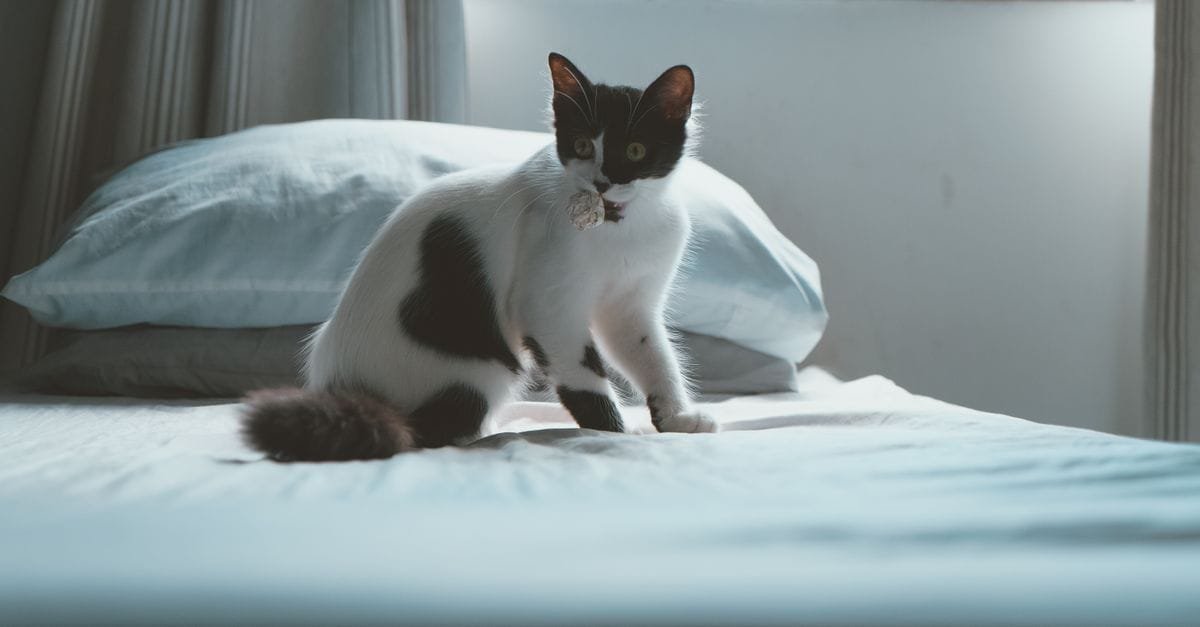
Cats can be suspicious of new things, so a little patience helps. Place the bed in a spot your cat already likes, and make it smell familiar by adding a blanket or item that carries their scent (or your own). A sprinkle of catnip on or in the bed often works wonders. Reward your cat with praise or a treat when they investigate or settle in it, and never force them — let curiosity do the work. If your cat ignores it, try moving it to a different favored location or a warmer, quieter spot. Sometimes simply giving it time, and keeping it in the right place, is all it takes for the bed to become their new favorite.
Keeping the Bed Clean
A clean bed is a healthy, appealing bed. Wash the cover (or bed) regularly to control hair, dander, and odor — this also helps with allergies in the home. Vacuum around it, and choose a bed with a removable, machine-washable cover from the start to make this easy. A fresh, clean bed is far more inviting to a fastidious cat, and regular washing extends the bed’s life and keeps your home more hygienic.
A Note on Your Cat’s Comfort & Health
If your cat suddenly stops using a favorite bed, struggles to climb into it, or seems stiff, reluctant to jump, or is hiding more than usual, it may signal a joint problem, pain, or illness — worth a vet check, and a sign a low-sided or heated orthopedic-style bed might help. Older cats especially benefit from warm, supportive, easy-access bedding. The right bed supports comfort, but changes in sleeping habits or mobility should be discussed with your veterinarian.
Cat Beds vs. Cat Trees, Boxes, and Your Furniture
Cats famously love cardboard boxes, laundry piles, and the warmest spot on your sofa — so do they even need a bed? A dedicated bed gives them everything they seek (warmth, security, softness) in one appropriate place, which helps protect your furniture and clothes. A cat tree with built-in beds or cubbies adds the height and vantage point many cats crave, combining a bed with climbing and scratching. The best setup often includes a cozy bed or two plus a tree or perch, so your cat has options for different moods — a snug bed for deep sleep and a high perch for watchful catnaps. Giving choices is the surest way to keep a fussy cat off your belongings.
Warm Beds for Winter, Cool Beds for Summer
Cats seek warmth, but their comfort changes with the seasons. In colder months, heated or thickly padded enclosed beds help cats — especially seniors and thin-coated breeds — stay cozy and ease stiff joints. In hot weather, a cat may abandon a plush bed for a cool tile floor, so a lighter, breathable bed, a raised cooling bed, or simply a bed in a cooler, shaded spot keeps them comfortable. Some owners rotate bedding seasonally or offer both a warm and a cool option year-round, letting the cat choose. Paying attention to temperature is a simple way to keep the bed appealing all year.
Frequently Asked Questions
What is the best type of cat bed?
It depends on your cat, but donut/cuddler beds and covered cave beds are the most universally loved — they offer the snug, secure feeling cats crave. Sun-loving cats adore window perches, and senior cats benefit from heated, easy-access beds. Notice how your cat likes to sleep and choose accordingly.
Why won’t my cat use its bed?
Usually it’s placement or the bed doesn’t feel secure or warm enough. Try moving it to a quiet, warm spot your cat already likes, add a familiar-smelling blanket or catnip, and be patient. Cats often warm up to a bed once it’s in the right place and smells right.
Do cats need a bed, or will they sleep anywhere?
Cats will sleep anywhere, but a dedicated bed gives them a warm, secure, comfortable spot of their own — better for their joints and sense of safety, and it can save your furniture. Most cats genuinely appreciate a cozy bed once they take to it.
What size cat bed should I get?
One cozy enough to feel secure but with room to stretch. Many cats prefer a slightly snug bed they can curl into. For larger cats or those who sprawl, size up; for curlers, a snug donut or cave bed works well.
Are heated cat beds safe?
Yes, when you choose one designed specifically for pets with safe, regulated low heat. They’re especially good for senior cats and cold climates. Follow the manufacturer’s instructions and avoid makeshift heating not intended for pets.
How many beds should I have for multiple cats?
Ideally one per cat, plus a spare, placed in different spots. Cats value their own space and may not want to share, so multiple beds reduce competition and let each cat claim a cozy spot.
Key Takeaways
- Cats sleep most of the day, so a warm, secure, comfortable bed genuinely improves their wellbeing.
- Popular types include donut/cuddler, covered cave, heated, window perch, and bolster/mat beds.
- Look for the right size, soft warm materials, a washable cover, a non-slip base, and a secure feel.
- Placement matters — warm, quiet, safe (often elevated) spots where your cat already likes to nap.
- Win your cat over with familiar scent and catnip, keep the bed clean, and see your vet if sleeping or mobility changes.
The right cat bed gives your feline a cozy, secure little sanctuary — and once they claim it, it becomes their favorite spot in the house. Match the style to how your cat likes to sleep, place it somewhere warm and quiet, and keep it clean and inviting. Explore more in our Pet Gear & Accessories guides.

Hello! I'm Khan Hisham, a dedicated student with a profound passion for enhancing the lives of pets through comprehensive care. At Pawspera, our mission—"Prospering Pets, Every Day"—drives everything we do. We are committed to providing the latest insights, tips, and products that ensure your pet's health and happiness. Join us at Pawspera as we explore innovative ways to care for our furry friends with love and dedication.