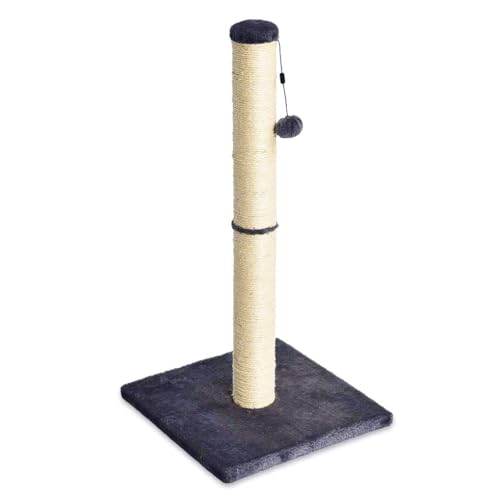
Scratching isn’t bad behavior — it’s a natural, healthy need for every cat. The trick is giving your cat somewhere appropriate to do it, so your furniture survives and your cat stays happy. A good cat scratching post protects your home, supports your cat’s claw health, and provides exercise and stress relief. This guide explains why cats scratch, how to choose the right post, and how to actually get your cat to use it.
Why Cats Need to Scratch
Scratching serves several real purposes: it removes the dead outer layer of the claws, marks territory (both visually and with scent glands in the paws), stretches muscles, and relieves stress. A cat denied an outlet for this will simply use your sofa or carpet instead. So a scratching post isn’t a luxury — it’s an essential that channels a natural behavior somewhere acceptable, which is far better for everyone than trying to stop it.
What to Look For in a Scratching Post
Height & Stability
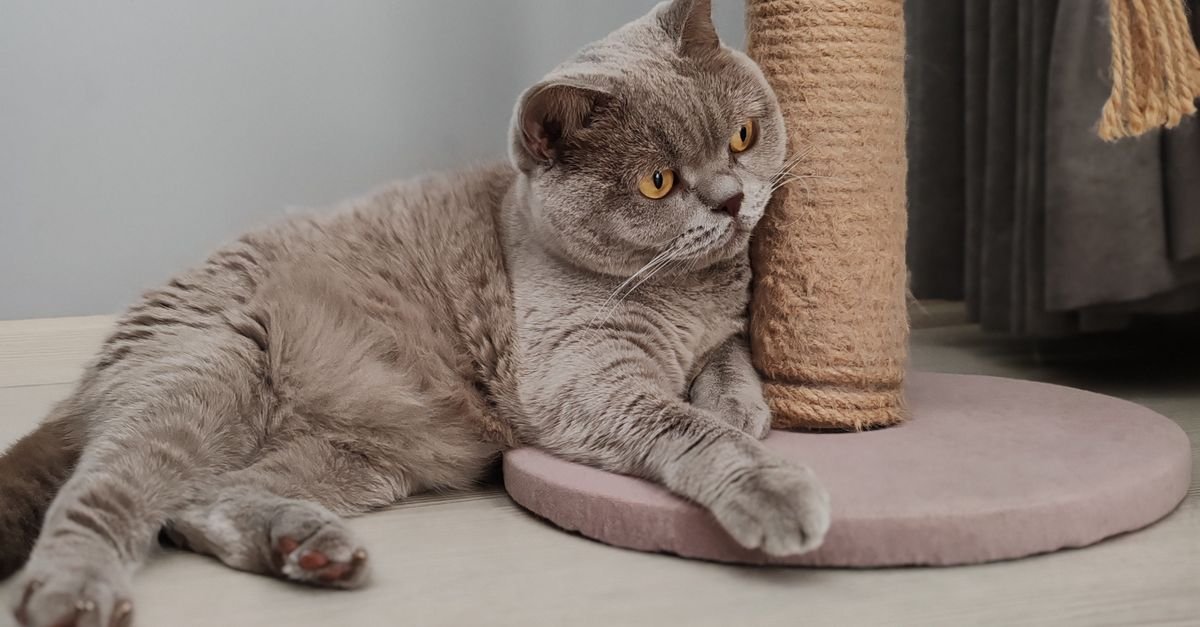
A post should be tall enough for your cat to stretch fully — at least as tall as your cat standing on hind legs — and heavy or wide-based enough that it won’t wobble or tip. Instability is the number-one reason cats reject a post; they won’t trust something that moves.
Also Read
-
Best Kitten Toys: The Four Jobs, the Hands-Are-Never-Toys Law, and the Hunt Sequence

-
Best Dog Camping Gear: The Four Layers, the Backyard Test, and the Camp “Place”

-
Best Cat Tunnels: Portholes, the Crinkle Question, and Ambush Geometry That Gets Used

-
Best Elevated Dog Beds: Airflow Physics, the Three Specs, and the “Place” Bonus

Material
Most cats love sisal rope or sisal fabric, which gives satisfying resistance. Others enjoy cardboard, carpet, or wood. It’s worth noticing what your cat already likes to scratch (rough fabric? carpet?) and matching the texture.
Orientation
Cats have preferences: some scratch vertically (upright posts), others horizontally (flat pads or angled ramps). If your cat claws the carpet, a horizontal scratcher may suit; if they target furniture legs, a vertical post is ideal. Offering both covers all bases.
Cat scratching post picks on Amazon
Save your furniture with the right scratcher:
How to Get Your Cat to Use It
Buying the post is half the battle — placement and encouragement do the rest:
- Put it where your cat already scratches — next to the sofa or in a favorite room, not hidden away.
- Use catnip — rub some on the post to attract your cat.
- Reward use — praise and treat your cat when they scratch the post.
- Make furniture less appealing — temporarily cover targeted spots or use deterrents while redirecting to the post.
- Have several — a post in each main area, especially in multi-cat homes.
Scratching Posts vs. Cat Trees
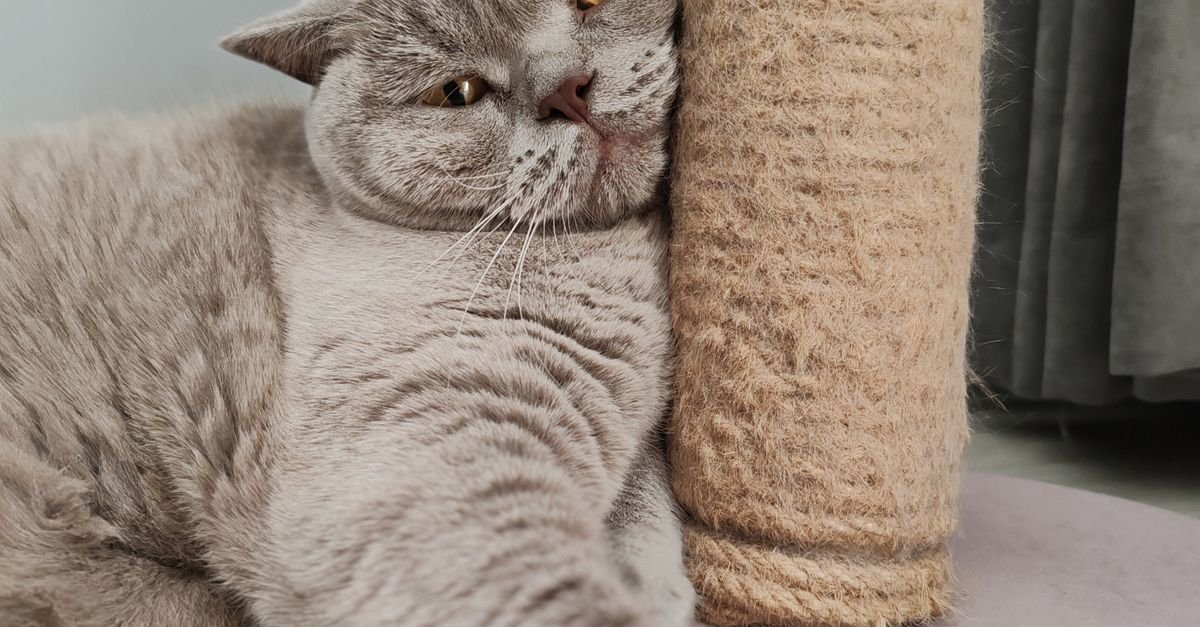
A simple post handles scratching; a cat tree adds climbing, perching, and play. If your cat is active or you have limited furniture-safe zones, a multi-level cat tree with built-in scratching surfaces offers more value — exercise, a high vantage point, and scratching in one. For just protecting furniture, a sturdy standalone post does the job affordably.
A Note on Claw Care
A scratching post supports natural claw maintenance, but regular nail trims still help, especially for indoor cats. Never consider declawing as an alternative — it’s a painful procedure widely opposed by veterinary bodies. Providing good scratching outlets and trimming nails is the humane, effective approach. If your cat suddenly scratches excessively or seems to have sore paws, check with your vet.
Frequently Asked Questions
How do I stop my cat scratching furniture?
Provide an appealing scratching post near the targeted furniture, attract your cat with catnip, reward them for using it, and make the furniture temporarily less appealing. You’re redirecting a natural behavior, not stopping it.
What material is best for a scratching post?
Most cats prefer sisal rope or fabric for its satisfying resistance, though some like cardboard or carpet. Notice what your cat already scratches and match that texture for the best chance of success.
How tall should a cat scratching post be?
Tall enough for your cat to stretch fully — at least their height standing on hind legs — and stable enough not to wobble. Instability is the main reason cats reject a post.
Do I need more than one scratching post?
Often yes — placing posts in multiple key areas (and one per cat in multi-cat homes) gives your cat convenient outlets and better protects your furniture throughout the house.
Key Takeaways
- Scratching is a natural, healthy need — provide an outlet rather than trying to stop it.
- Choose a tall, stable post in a material your cat likes (sisal is a favorite).
- Offer both vertical and horizontal options to match your cat’s preference.
- Place posts where your cat already scratches, and use catnip and rewards to encourage use.
- Pair scratching outlets with nail trims; never consider declawing.
A good scratching post keeps your cat healthy and your furniture intact — a win for everyone. Pick a sturdy post in the right material, place it smartly, and encourage your cat to use it. Explore more in our Pet Gear & Accessories guides.

Hello! I'm Khan Hisham, a dedicated student with a profound passion for enhancing the lives of pets through comprehensive care. At Pawspera, our mission—"Prospering Pets, Every Day"—drives everything we do. We are committed to providing the latest insights, tips, and products that ensure your pet's health and happiness. Join us at Pawspera as we explore innovative ways to care for our furry friends with love and dedication.