
Dogs scoot — dragging their bottom along the floor — because something back there is itchy, full or irritated, most often full or impacted anal glands, but also worms, allergies, or leftover residue. An occasional scoot may be minor, but repeated scooting means something needs sorting out, and often a vet’s help. Here’s what causes it and what to do.
Key Takeaways
- Scooting means your dog’s rear is itchy, full or sore.
- Full anal glands are the most common cause.
- Other causes: worms, allergies, diarrhea residue and skin irritation.
- Repeated scooting should be checked by a vet, not ignored.
- Don’t DIY anal glands without guidance — a vet or groomer is safer.
What is dog scooting?
Scooting is when a dog sits down and drags its bottom across the floor or grass. It’s usually a sign of irritation or discomfort around the rear end.
Dogs do it to relieve an itch or pressure they can’t reach any other way. You might also notice licking or biting at the area, or a lingering smell.
Also Read
-
How to Remove a Tick From a Dog: The Grip, the Folklore Ban, and the Watch Window
-
Why Does My Cat Drink So Much Water? The Benign List, the Big Three, and the Measure

-
How to Protect Dog Paws From Hot Pavement: The Seven-Second Test and Three Substitutions

-
How to Keep Dogs Cool in Summer: The Schedule, the Risk Tiers, and the Emergency Protocol
A one-off scoot after a poop may be nothing, but a dog that scoots repeatedly is telling you something is wrong.
Why is my dog scooting? The main causes
Scooting is a symptom, and several things can cause it:
- Full or impacted anal glands — the most common reason by far.
- Worms or parasites — tapeworms in particular cause itching.
- Allergies or skin irritation — itchy skin around the rear.
- Diarrhea or residue — leftover mess causing irritation.
- Grooming after-effects — irritation after a trim.
- Injury or infection — a sore or abscess near the bottom.
Because the causes differ so much, finding the right one is the key to stopping the scooting.
Anal glands: the most common cause
Dogs have two small scent sacs (anal glands) just inside the anus that normally empty when they poop.
If they don’t empty properly, they get full, uncomfortable and sometimes impacted or infected — so the dog scoots to relieve the pressure. A tell-tale sign is a strong, fishy smell.
Anal gland trouble is very common, especially in smaller breeds, and it’s the first thing a vet will check when a dog is scooting.
Could it be worms?
Intestinal parasites, especially tapeworms, can make a dog’s rear itchy and trigger scooting.
You might spot small rice-like segments near the anus or in the stool. Worms need proper diagnosis and deworming from your vet — over-the-counter guesswork often misses the specific parasite.
Good parasite prevention reduces the risk; see the best flea and tick treatments, since fleas can carry tapeworm.
Could it be allergies or skin irritation?
Itchy skin from allergies can affect the rear just like anywhere else.
Food or environmental allergies can leave the skin around the bottom red and irritated, prompting a dog to scoot and lick. This often comes with itching elsewhere too.
If your dog is itchy all over, allergies may be the root issue, and your vet can help you manage them.
Is scooting an emergency?
Occasional scooting usually isn’t an emergency, but it shouldn’t be ignored either.
It becomes urgent if you see swelling, a burst or bleeding area near the anus (a possible abscess), obvious pain, or if your dog is unwell. An impacted or infected anal gland can become painful quickly.
When in doubt, a prompt vet visit is the safest choice.
How is scooting treated?
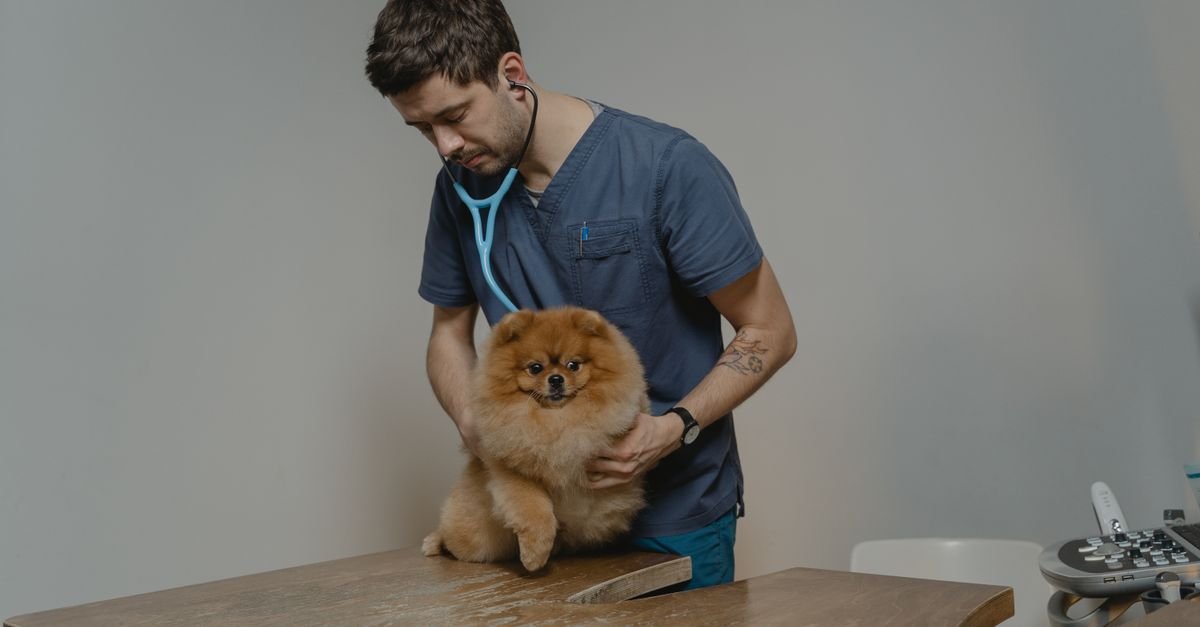
Treatment depends entirely on the cause, which is why a vet check matters.
A vet will examine the rear and may express blocked anal glands, prescribe deworming for parasites, or treat an allergy or infection. Fixing the underlying cause is what actually stops the scooting.
Treating the wrong thing — or just cleaning up — won’t help if the real issue is untreated glands or worms.
Should you express your dog’s anal glands at home?
This is best left to a professional unless your vet has shown you how.
Done wrong, at-home expression can hurt your dog or worsen the problem, and not every dog needs manual expression at all. A vet or experienced groomer can do it safely and check for infection at the same time.
If your dog’s glands fill often, ask your vet about the safest routine. This is general information, not veterinary advice.
Can diet help with scooting?
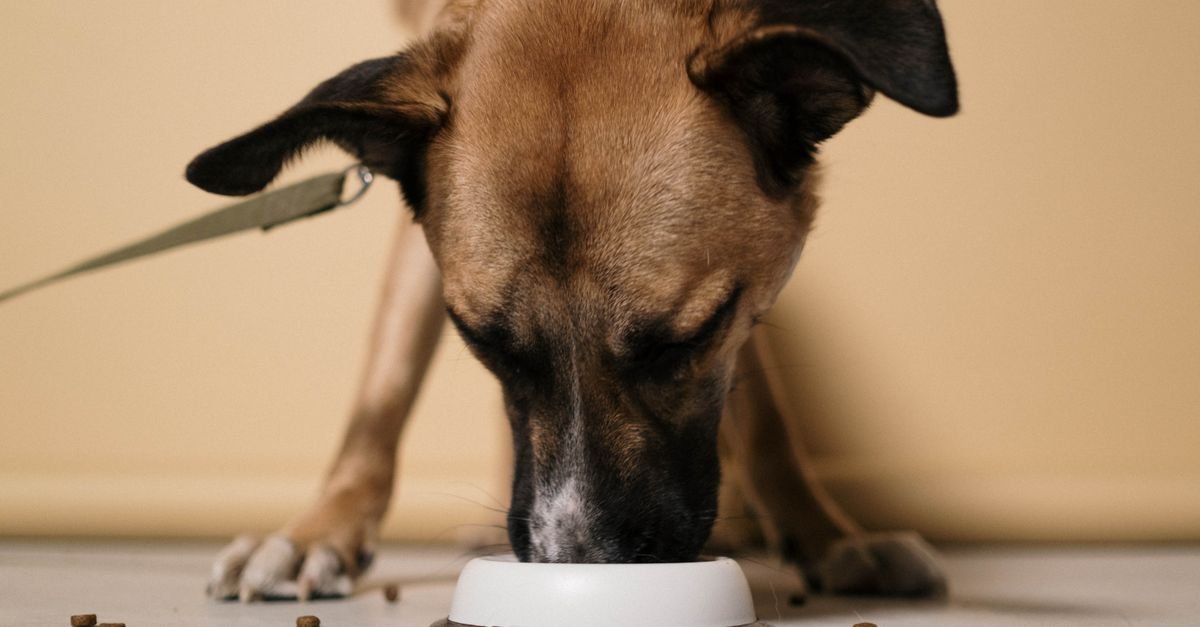
Diet plays a bigger role than many owners realize.
A higher-fiber diet produces firmer stools, which press on the anal glands and help them empty naturally as your dog poops. This can reduce recurring gland problems.
Ask your vet about fiber, and consider a dog fiber supplement or a suitable diet — our guide to food for dogs with sensitive stomachs may help.
Which dogs are most prone to scooting?
Any dog can scoot, but some are far more prone to the anal gland problems behind it.
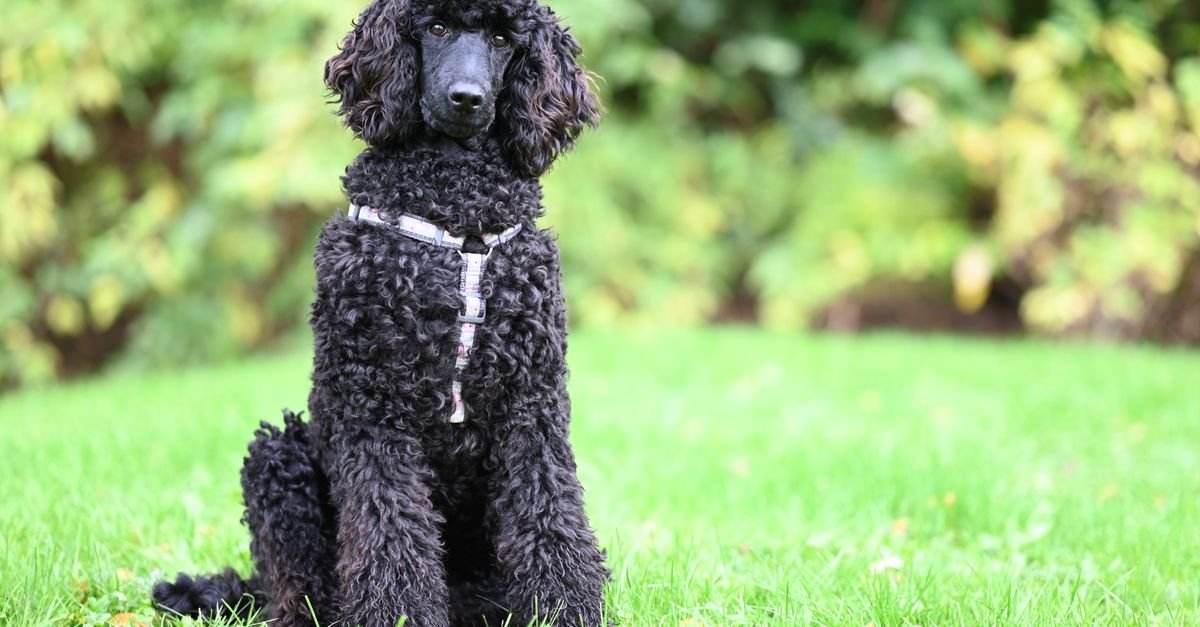
Small and toy breeds like Chihuahuas, Poodles and Shih Tzus top the list, and overweight dogs are at higher risk because extra fat makes the glands harder to empty. Dogs with chronic soft stools or allergies also struggle more.
If your dog fits one of these groups, keep a closer eye on its rear-end health.
Scooting vs licking the rear: is it the same thing?
Scooting and constant licking or biting at the rear are really two versions of the same message.
Both mean the area is itchy, full or sore, and both point to the same list of causes — anal glands, worms, allergies or irritation. Some dogs scoot, some lick, and some do both.
Whichever your dog does, treat it as the same signal to investigate the cause.
How often should anal glands be expressed?
There’s no one-size-fits-all schedule — many dogs never need manual expression at all.
Healthy dogs usually empty their glands naturally when they poop. Only dogs with recurring problems need regular expressing, and how often should be guided by your vet, not a fixed routine.
Over-expressing healthy glands can actually cause irritation, so it’s not something to do “just in case.”
Do cats scoot too?
Yes — cats can scoot for the same reasons, though it’s less common than in dogs.
Full anal glands, worms and irritation can all make a cat drag its bottom. As with dogs, occasional scooting may be minor, but repeated scooting in a cat warrants a vet check.
If you have both pets, the same principle applies: find and fix the cause.
Home care while you sort out the cause
While you arrange a vet visit, you can keep your dog comfortable.
Gently clean the area with a dog-safe wipe if there’s residue, keep long fur around the rear trimmed, and discourage excessive licking. Don’t apply human creams or attempt gland expression without guidance.
These steps ease irritation but don’t replace treating the underlying cause.
How to prevent your dog scooting
- Feed enough fiber for firm stools that empty the glands naturally.
- Keep up parasite control to prevent worms.
- Manage allergies with your vet if your dog is itchy.
- Keep the area clean — trim long fur and wipe after messy poops.
- Maintain a healthy weight, as obesity worsens gland issues.
Regular grooming helps too; see our home grooming guide.
What does the fishy smell mean?
That strong, fishy odor is a classic sign of anal gland trouble.
When the glands are full, impacted or leaking, they release a pungent, fishy smell that many owners notice on their dog or the furniture. It’s one of the clearest clues that the anal glands are behind the scooting.
If you notice this smell along with scooting, it’s a good prompt to book a vet or groomer visit.
When to see the vet
It’s worth having repeated scooting checked rather than waiting it out.
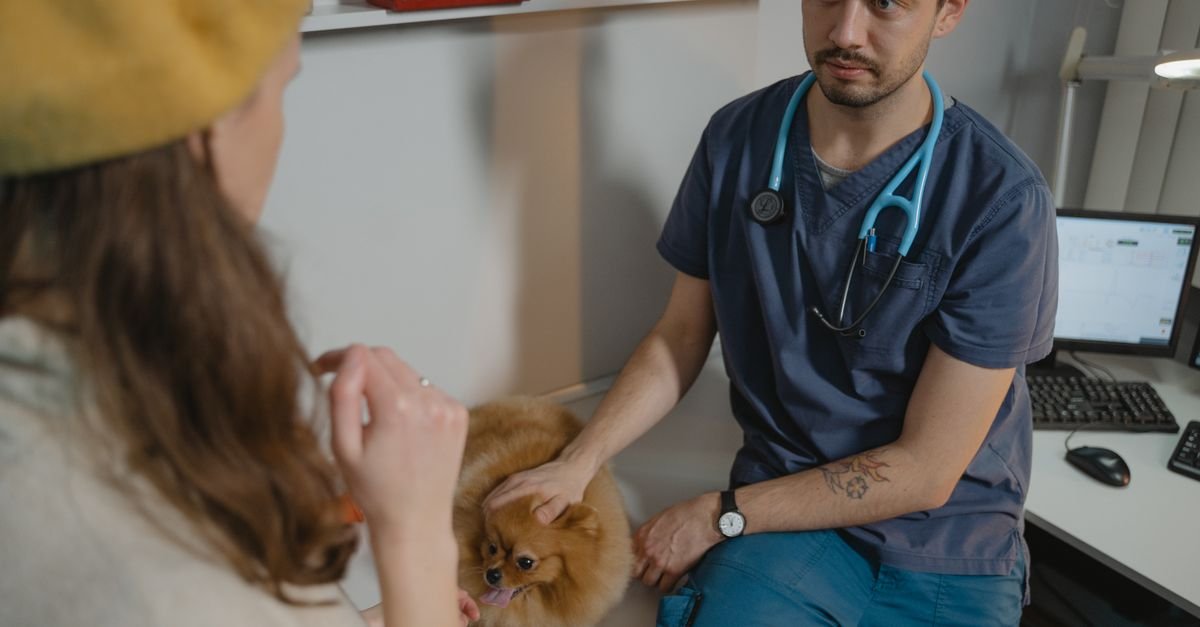
Book a visit if your dog scoots repeatedly, licks or bites the area constantly, has a fishy smell, swelling, bleeding, worms in the stool, or seems in pain. Recurring scooting points to a cause that needs proper treatment.
Scooting can also overlap with other signs of illness in pets, so don’t hesitate to get it looked at.
Frequently Asked Questions
Why is my dog scooting after pooping?
Scooting right after pooping is often a sign of full or irritated anal glands, or leftover residue causing itchiness. An occasional scoot may be minor, but if it happens regularly or comes with a fishy smell, have your vet check the anal glands.
Does dog scooting always mean worms?
No — while worms (especially tapeworms) can cause scooting, the most common cause is actually full or impacted anal glands. Allergies and skin irritation can also be to blame. A vet can identify the real cause rather than guessing.
How do I stop my dog from scooting?
The lasting fix is to treat the underlying cause, so start with a vet check. Depending on the cause, that may mean expressing the anal glands, deworming, or managing an allergy. A higher-fiber diet and good hygiene help prevent it coming back.
Is it bad to express my dog’s anal glands myself?
It can be risky if you haven’t been shown how — you could hurt your dog or make things worse, and not every dog needs it. It’s safer to have a vet or experienced groomer do it, and to have them check for infection at the same time.
What can I feed my dog to help its anal glands?
A higher-fiber diet helps produce firmer stools that empty the anal glands naturally. Ask your vet about adding fiber through a suitable diet or a dog fiber supplement. Keeping your dog at a healthy weight also reduces gland problems.
Why does my dog scoot but has no worms?
Scooting without worms is most often caused by full or impacted anal glands, which is actually the number one cause. Allergies, skin irritation and leftover residue can also be to blame. A vet can check the glands and skin to pinpoint the real reason.
Is dog scooting painful?
It can be. Full or impacted anal glands, infections and irritated skin are uncomfortable, which is exactly why the dog scoots for relief. If your dog seems to be in pain, or has swelling or bleeding, see your vet promptly.
Can I use wipes on my dog’s bottom?
Yes, dog-safe wipes can gently clean away residue and ease minor irritation. Avoid human wipes with fragrances or alcohol, which can sting. Wipes help with hygiene but won’t fix an underlying issue like full anal glands or worms — see your vet for those.
The bottom line
Scooting is your dog’s way of saying its rear is itchy, full or sore — most often from full anal glands, but sometimes worms, allergies or irritation.
An odd scoot may be nothing, but repeated scooting deserves a vet check to find and fix the real cause, plus fiber, hygiene and parasite control to prevent it.
When in doubt, see your vet. For more, see our guide to the most common signs of illness in pets.

Hello! I'm Khan Hisham, a dedicated student with a profound passion for enhancing the lives of pets through comprehensive care. At Pawspera, our mission—"Prospering Pets, Every Day"—drives everything we do. We are committed to providing the latest insights, tips, and products that ensure your pet's health and happiness. Join us at Pawspera as we explore innovative ways to care for our furry friends with love and dedication.