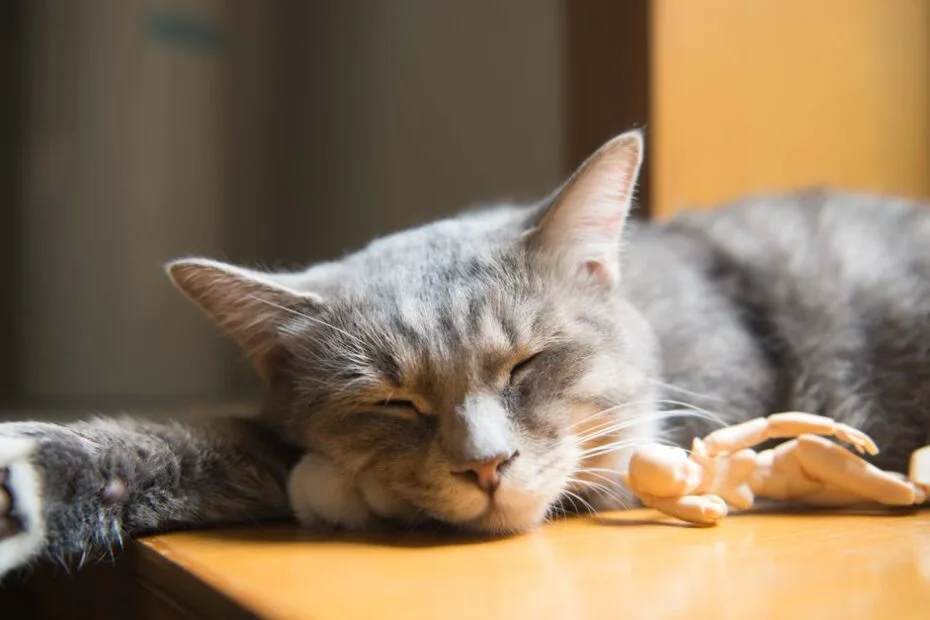
Cats sleep 12–16 hours a day — and kittens and seniors up to 20 — because they’re hardwired as predators to conserve energy between bursts of activity. So a cat that dozes most of the day is completely normal. What matters is a change: sleeping much more (or less) than usual, or sleeping paired with other symptoms. Here’s how to tell healthy snoozing from a warning sign.
Key Takeaways
- 12–16 hours a day is normal adult cat sleep; kittens and seniors sleep more.
- It’s predator energy-saving, not laziness — cats sprint, then recharge.
- Most cat sleep is light dozing, ready to spring awake.
- Cats are crepuscular: most active at dawn and dusk, sleepy midday.
- Watch for change: new oversleeping + other symptoms = vet check.
How much do cats normally sleep?
Prepare to feel envious: a healthy adult cat sleeps around 12 to 16 hours every day.
Kittens, seniors and cats recovering from illness can push that to 18–20 hours. Over a lifetime, your cat will spend roughly two-thirds of it asleep.
Also Read
-
How to Give a Cat a Pill: The Escalation Ladder, the Chaser Rule, and the Exits

-
How to Brush Your Cat’s Teeth: The Three-Week Ladder and the Paste Law

-
How to Remove a Tick From a Dog: The Grip, the Folklore Ban, and the Watch Window

-
Why Does My Cat Drink So Much Water? The Benign List, the Big Three, and the Measure

So if your cat seems to nap through most of the day — congratulations, you have a cat.
The AnimalWised video below covers what’s normal and when to pay attention.
Why do cats sleep so much?
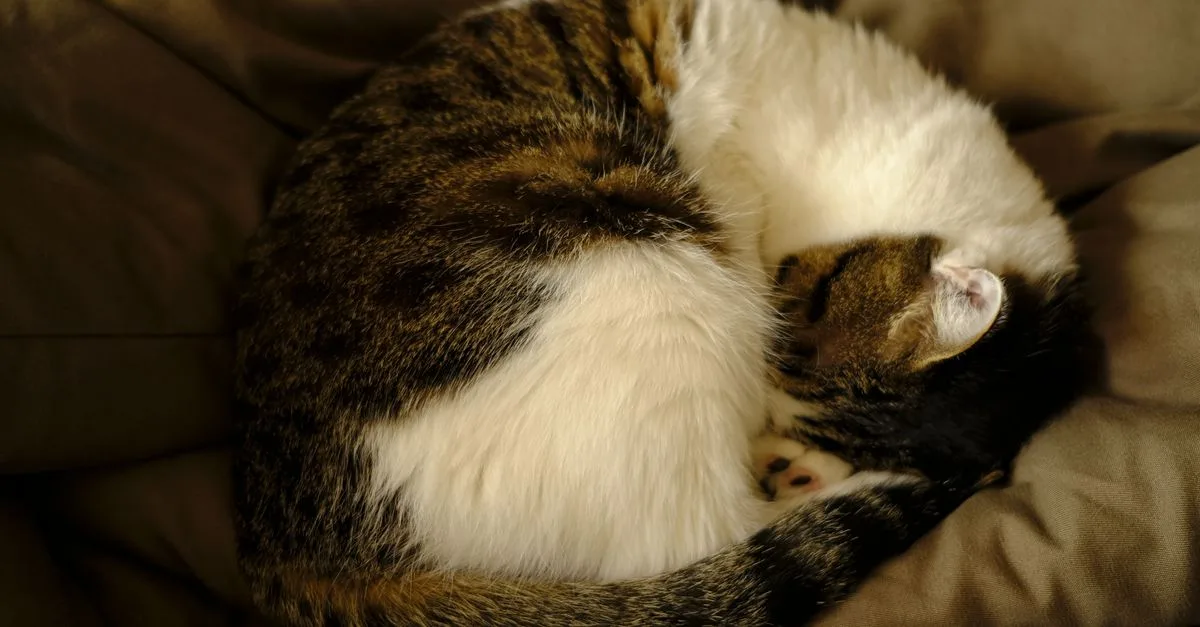
The answer is written in their biology: cats are ambush predators.
Hunting — stalking, pouncing, sprinting — burns enormous energy in short bursts. In the wild, the strategy is simple: hunt briefly, then conserve energy the rest of the time.
Your well-fed house cat kept the wiring. The “hunts” are now play sessions and 3am zoomies, but the energy-saving sleep schedule remains.
Cat sleep isn’t like our sleep
Here’s the part most owners don’t realize.
Most of those hours are light dozing — the “cat nap” — with ears swiveling and body ready to spring up in seconds.
Only a fraction is deep sleep, taken in short cycles. That’s why your “fast asleep” cat materializes instantly at the sound of a treat bag.
Why is my cat most active at dawn and dusk?
Cats aren’t nocturnal — they’re crepuscular.
Their prey (rodents, birds) is most active at twilight, so cats evolved to hunt at dawn and dusk and rest through midday and deep night.
This explains the classic pattern: morning madness, all-day napping, evening crazies — and why your cat thinks 5am is breakfast o’clock (our guide to excessive meowing has tips for that).
Do cats dream?
Almost certainly, yes.
Cats experience REM-like sleep, and the twitching whiskers, paddling paws and little chirps you see suggest they’re replaying cat business — likely hunting.
It’s normal, harmless and frankly adorable. Let sleeping cats dream.
How do kittens sleep?
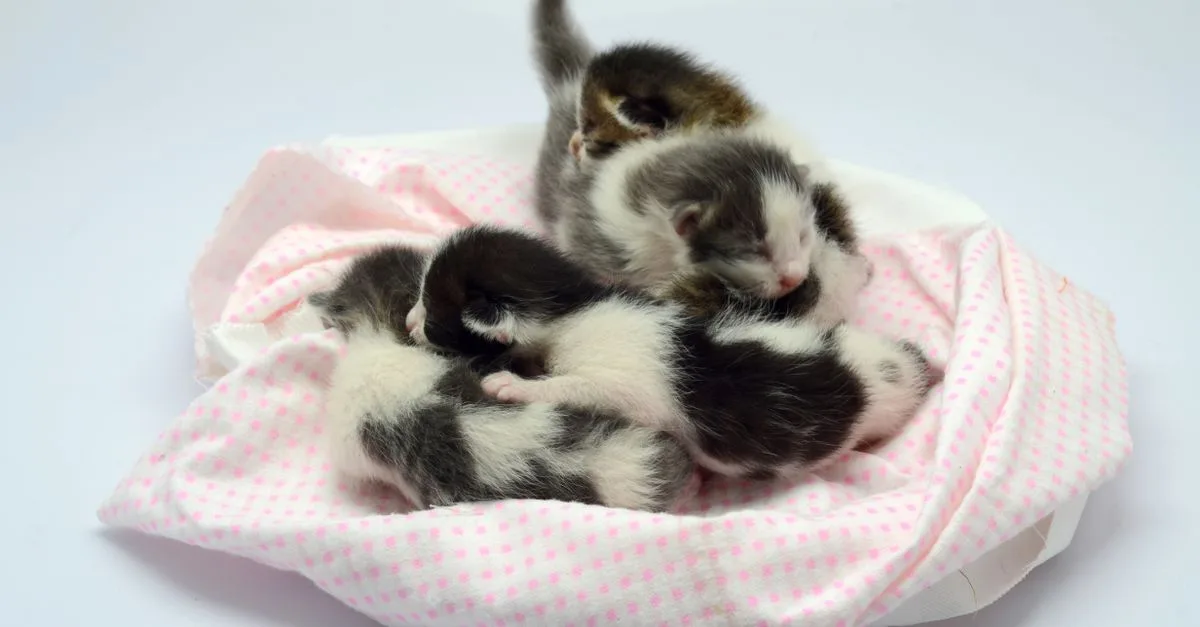
Kittens are sleep machines — up to 20 hours a day.
All that sleep is functional: growth hormone is released during sleep, and their little bodies and brains are building at full speed.
A kitten alternating between rocket-fueled play and total collapse is developing exactly as designed.
How do senior cats sleep?
Sleep creeps back up in the golden years.
Older cats naturally rest more — often 16–20 hours — as energy declines and joints stiffen.
The key with seniors is distinguishing “more rest” from “hiding and withdrawing,” and watching for night-time yowling or confusion, which can signal age-related decline worth a vet conversation.
Does weather affect cat sleep?
Noticeably, yes.
Rainy days, cold snaps and dark winter afternoons reliably increase cat sleep — the same instinct that tells wild cats hunting is poor in bad weather.
A cat that sleeps extra on a gray day and bounces back with the sunshine is just reading the forecast.
Boredom vs contentment: which sleep is it?
Here’s an honest nuance: some daytime sleep is boredom.
An indoor cat with nothing to hunt, chase or watch may sleep simply because nothing better is on offer.
The fix isn’t less sleep — it’s richer waking hours: play sessions, window perches, climbing space and puzzle feeders. See our picks for the best cat toys and cat trees.
Where your cat sleeps says a lot
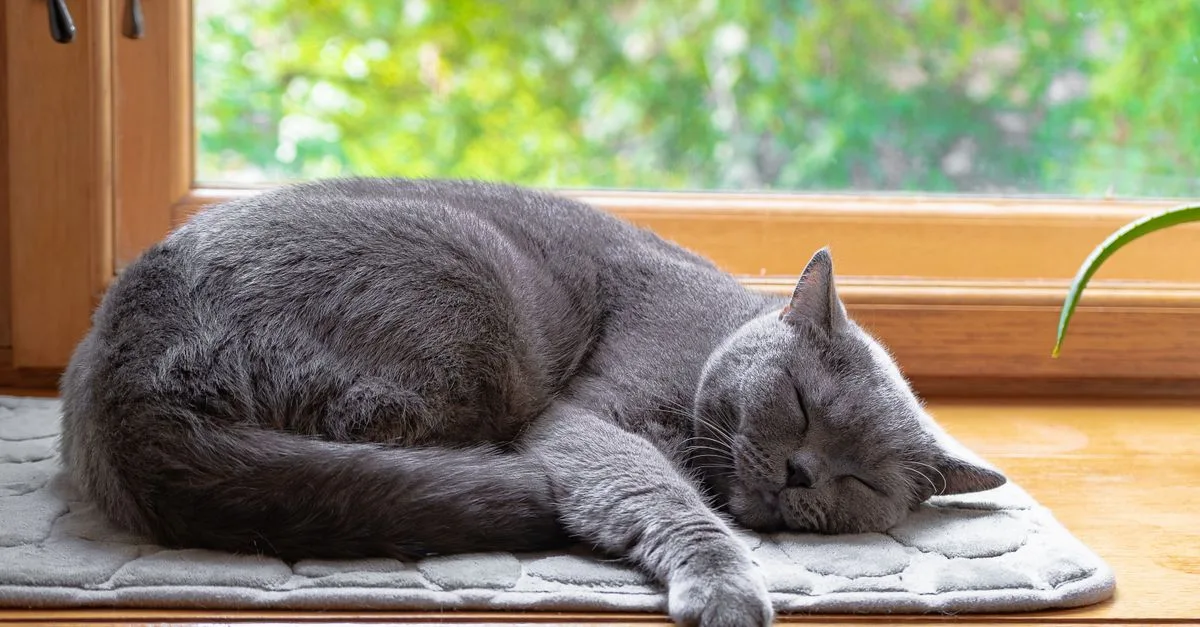
Location is information.
A cat sleeping belly-up in the open feels utterly safe. A cat curled tightly in a warm hideaway is conserving heat and feeling cozy. A cat suddenly sleeping in odd, hidden places — closets, under beds — may be stressed or unwell.
New hiding-to-sleep behavior, especially with other changes, deserves attention.
Is my cat sleeping too much?
The magic word is change.
Sixteen hours a day is normal for a cat that has always slept sixteen hours. The concern is a real shift: a formerly active cat now sleeping constantly, or sleep plus other symptoms.
You know your cat’s baseline better than anyone — trust it.
Warning signs that sleep is hiding illness
See your vet if extra sleep comes with any of these.
- Appetite changes — eating much less or more.
- Weight loss, vomiting or litter-box changes.
- Hiding, withdrawal or uncharacteristic grumpiness.
- Lethargy while awake — no interest in play, treats or you.
- Breathing changes, limping or signs of pain.
Cats famously mask illness, so “sleeping more” is sometimes the first visible sign. Our guide to common signs of illness in pets lists more red flags.
Lethargy vs sleepiness: an important difference
These look similar and mean very different things.
A sleepy cat wakes alert, stretches, eats and plays normally between naps. A lethargic cat is dull even when awake — uninterested in food, play or interaction.
Sleepiness is feline; lethargy is a symptom. Lethargy for more than a day warrants a vet call. This article is general information, not veterinary advice.
Can cats sleep too little?
The opposite problem exists too.
A cat that suddenly sleeps much less — pacing, yowling, restless at night, ravenous — can be signaling issues like an overactive thyroid, common in older cats.
Any big shift in either direction is worth mentioning to your vet.
Should I wake my sleeping cat?
Generally, let sleeping cats lie.
Sleep is when cats restore, grow and process — waking them repeatedly is stressful and can earn you a grumpy swat.
Exceptions: gently confirming a deeply sleeping senior is simply asleep, or a vet has asked you to monitor something specific.
How to support healthy cat sleep
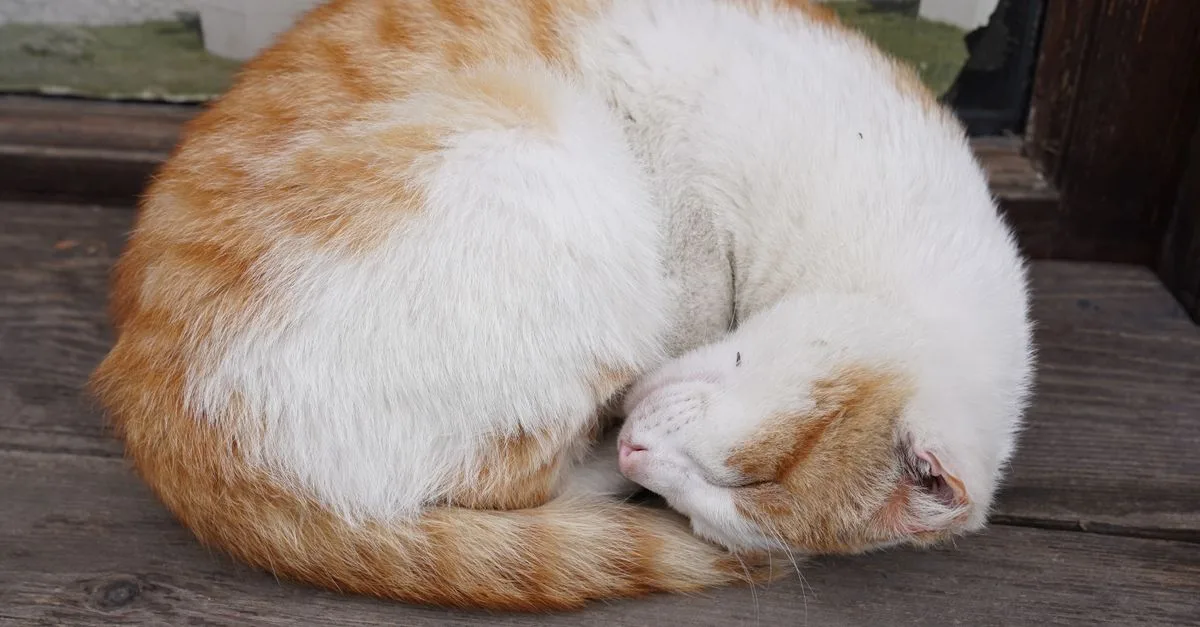
You can make those 16 hours great ones.
- Cozy options: a warm bed or cave in a quiet spot (cats love enclosed spaces).
- Height: a perch or tree lets them sleep where they feel secure.
- Warmth: sunny windowsills are feline five-star hotels.
- Respect: teach kids to leave a sleeping cat undisturbed.
See our picks for the best cat beds, or browse cozy cat caves on Amazon.
How to shift your cat’s schedule (a little)
You can’t rewire a crepuscular animal, but you can nudge it.
A vigorous play session in the evening followed by a meal mimics the hunt-eat-sleep cycle and encourages a longer overnight sleep — meaning fewer 4am wake-up calls for you.
Consistency is everything; cats are creatures of ritual.
Do indoor cats sleep more than outdoor cats?
Often, yes.
With no hunting, patrolling or territory drama, indoor life is safer but less stimulating — and the extra hours often go to sleep.
Enrichment (play, climbing, window views, foraging toys) gives indoor cats back the “work” hours, in safe form.
A day in the life of a healthy cat
Put together, a normal cat day looks like this:
Dawn: activity burst and breakfast. Morning: grooming, patrol, nap. Midday: deep napping (the long shift). Late afternoon: stir, stretch, snack. Dusk: prime time — play, zoomies, dinner. Night: alternating sleep and quiet patrols.
If that’s roughly your cat, all is well in the kingdom.
Common myths about cat sleep
- “Cats are nocturnal.” They’re crepuscular — twilight specialists.
- “Sleeping all day means depression.” Usually it just means cat; watch for real behavior changes.
- “A sleeping cat is a healthy cat.” Not always — change plus symptoms matters.
- “You can’t influence their schedule.” Evening play + meal genuinely helps.
Do cats sleep more after play or big meals?
Noticeably, and it’s exactly right.
The natural feline rhythm is hunt → eat → groom → sleep, so a solid play session followed by dinner reliably produces a long, satisfied snooze.
You can use this cycle deliberately to shape when the deep sleep happens — ideally overnight.
Why does my cat sleep on me?
Consider it a five-star review.
You’re warm, you smell like safety, and sleeping on you is bonding behavior straight from kittenhood pile-sleeping.
A cat that chooses your lap or chest for deep sleep trusts you completely — cats don’t fake vulnerability.
Do cats have sleep positions that mean something?
Position is a comfort report.
Curled in a ball conserves heat and protects the belly (standard mode). Loaf position means resting but ready. Full sprawl or belly-up means total security — and deep trust in the household.
A cat that regularly sleeps belly-up around you feels utterly safe.
Should I let my cat sleep in my bed?
Personal choice, with honest trade-offs.
Pros: warmth, bonding, and frankly it’s lovely. Cons: dawn wake-ups, allergens, and light sleepers may lose sleep to a 3am zoomie transit.
If the bed stays cat-free, a genuinely cozy alternative nearby — a heated bed or cave — makes everyone happy.
Do cats get insomnia or restless nights?
Cats can have disrupted sleep, usually with a cause.
Pain, itchy skin, hunger, an overactive thyroid or nighttime household activity can all fragment cat sleep — often showing up as pacing, yowling or restlessness instead of “insomnia” as we know it.
A normally sound sleeper who becomes restless at night deserves a vet conversation.
Tracking your cat’s sleep baseline
A little observation makes you a better advocate.
Note roughly when and where your cat sleeps for a week — favorite spots, active windows, night behavior. That’s your baseline.
When something changes later, you’ll spot it early and describe it precisely to your vet, which genuinely speeds diagnosis.
The quick self-check: healthy sleeper or hidden problem?
Four questions tell you most of what you need.
Does your cat wake alert and interested? Is it eating and using the litter box normally? Are the sleeping spots its usual favorites? Is the total sleep roughly its normal baseline?
Four yeses = a healthy professional napper. A no — especially on alertness or appetite — earns a vet call, because cats hide illness behind extra sleep.
Otherwise, let the champion snoozer snooze.
And a final note for worried owners: seasonal shifts, growth spurts and simple contentment all nudge sleep hours around. Watch trends over weeks rather than days, and let the daily variation be what it usually is — a cat being a cat.
Frequently Asked Questions
How many hours a day do cats sleep?
Healthy adult cats sleep about 12 to 16 hours a day, while kittens and senior cats can sleep 18 to 20. Most of it is light dozing rather than deep sleep, which is why cats wake instantly at interesting sounds. Sleeping most of the day is completely normal.
Why does my cat sleep all day?
Cats are ambush predators wired to conserve energy between short, intense bursts of activity — and they’re crepuscular, most active at dawn and dusk. Daytime is their natural rest period. Boredom can add extra hours, which enrichment and play sessions help balance.
Is my cat sleeping too much?
Judge by change, not hours. Sixteen hours is normal for a cat that has always slept that much. Be concerned if a previously active cat starts sleeping far more, hides to sleep, or shows other symptoms like appetite changes, weight loss or lethargy while awake — that combination warrants a vet visit.
What is the difference between a sleepy cat and a lethargic cat?
A sleepy cat wakes up alert, stretches, eats and plays normally between naps. A lethargic cat is dull even when awake — uninterested in food, play or people. Sleepiness is normal feline behavior; lethargy is a symptom that deserves a vet call if it lasts more than a day.
Do cats sleep more in winter or rainy weather?
Yes. Cold, dark and rainy conditions reliably increase cat sleep — an old instinct that hunting is poor in bad weather. A cat that snoozes extra on gray days and perks up with the sun is behaving perfectly normally.
Why is my cat so active at night?
Cats are crepuscular — wired for dawn and dusk activity — and an under-stimulated day can push energy into the night. A vigorous evening play session followed by a meal mimics the natural hunt-eat-sleep cycle and encourages longer overnight sleep.
Should I wake my cat up from sleeping?
Generally no — sleep is when cats restore and process, and repeated waking is stressful. Let them wake naturally. The exception is gently checking on a deeply sleeping senior or monitoring something your vet has specifically asked about.
The bottom line
A cat sleeping 12–16 hours a day isn’t lazy — it’s a precision-engineered predator running its factory settings.
Learn your cat’s normal, enrich the waking hours, provide glorious napping spots — and reserve concern for real changes paired with other symptoms.
Keep them thriving with our complete pet care guide and best cat beds.

Hello! I'm Khan Hisham, a dedicated student with a profound passion for enhancing the lives of pets through comprehensive care. At Pawspera, our mission—"Prospering Pets, Every Day"—drives everything we do. We are committed to providing the latest insights, tips, and products that ensure your pet's health and happiness. Join us at Pawspera as we explore innovative ways to care for our furry friends with love and dedication.