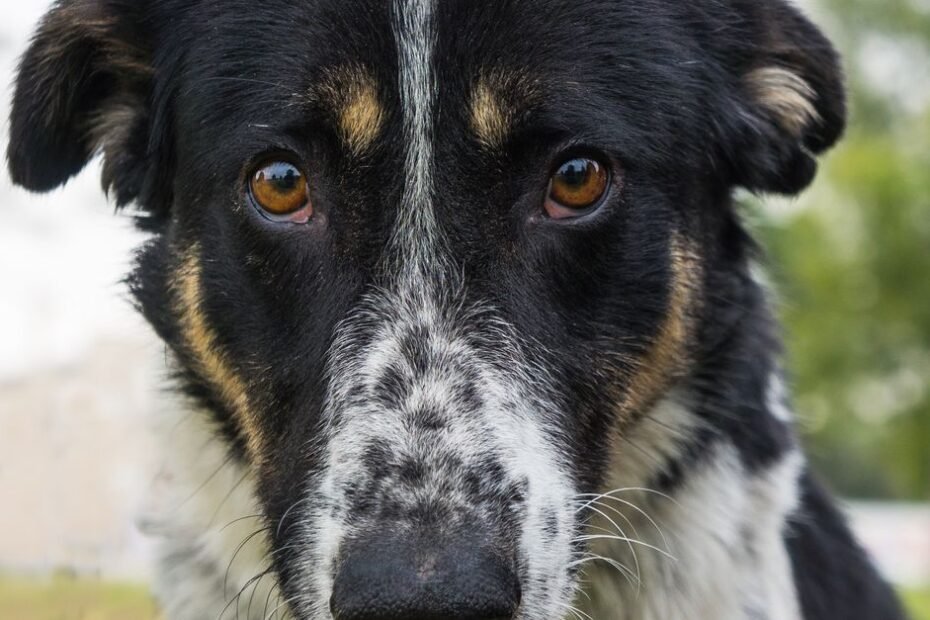
Dogs stare at you mostly to communicate and connect — reading your face for cues, asking for something (food, walks, attention), showing affection, or simply because staring has worked before. That soft gaze even releases oxytocin, the bonding hormone, in both of you. A hard, stiff stare is different territory. Here’s how to read every version.
Key Takeaways
- Staring is communication — dogs study our faces for information constantly.
- The soft gaze is bonding: mutual staring releases oxytocin in dogs AND humans.
- Most stares are requests: food, door, play, attention — you’ve been trained.
- Hard, stiff stares signal discomfort — give space, don’t punish.
- Sudden staring changes in older dogs deserve a vet check.
Why does my dog stare at me?
Feel eyes on you, look up, and there they are: your dog, gazing like you’re the most fascinating thing on Earth.
To your dog, you are. Dogs evolved alongside humans as professional people-watchers — our faces, hands and routines are their weather forecast, menu and social calendar in one.
Also Read
-
Puppy Teething: The Timeline, the Frozen Tier, and the Ten Thousand Trades

-
How to Socialize a Kitten: The Window, the Food Rule, and the Checklist

-
How to Stop a Cat Scratching Furniture: The Reroute, the Placement Law, and the Specs

-
How to Crate Train a Dog: The Four Stages, the Whining Tree, and the Physiology Table
Staring is rarely rude in dog-to-human language. It’s usually a question, a request, or plain devotion.
The video below from My Family Vets tackles this exact question — vet vs the internet.
The science: your dog is reading your face
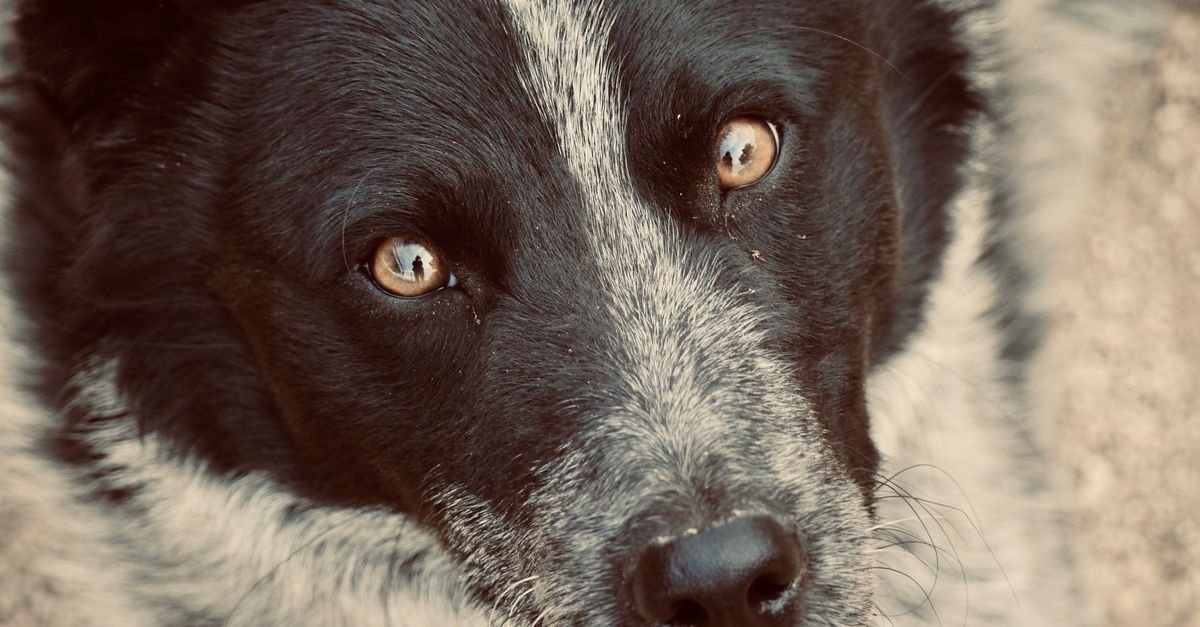
This isn’t sentimental fluff — it’s documented ability.
Dogs are among the few animals that study human faces for information, tracking our expressions and eye direction to predict what happens next.
Thousands of years beside humans built a specialist: your dog watches you because watching you has always paid.
The love stare (and the oxytocin loop)
The famous one: soft eyes, relaxed face, slow blinks, maybe a sigh.
Research has shown that mutual gazing between dogs and their humans raises oxytocin — the same bonding hormone at work between parents and babies — in both parties.
That warm, melty stare is chemically real affection. Feel free to stare back softly; you’re both getting the good stuff.
The dinner stare
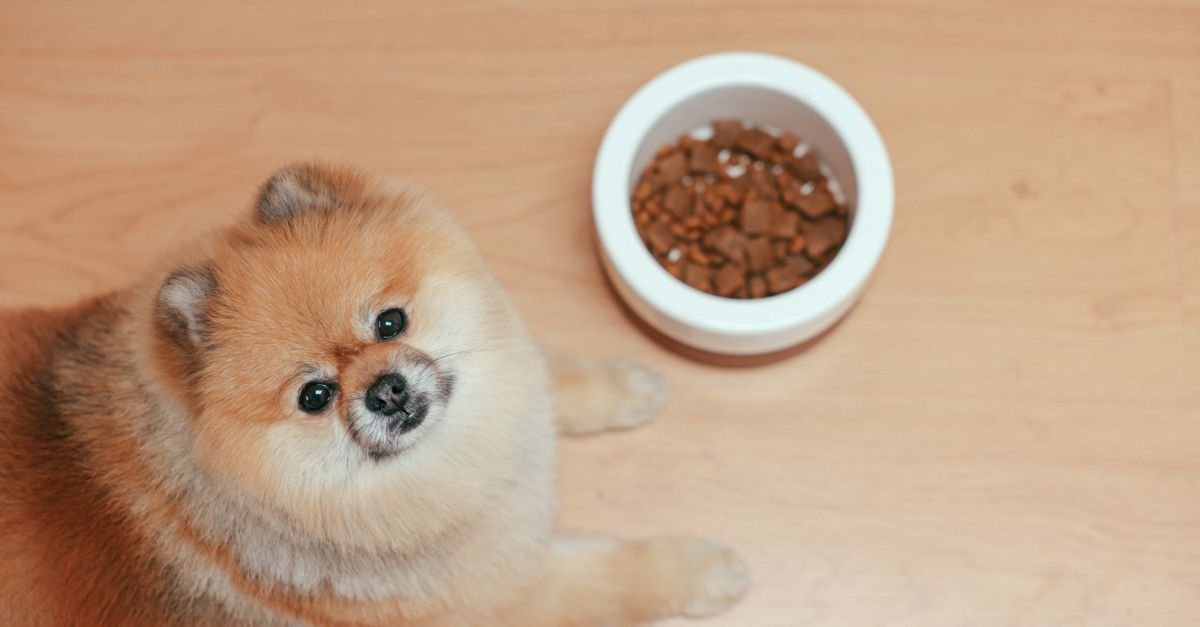
Every dog owner knows this laser.
Positioned by the bowl, or drilling holes into your sandwich: this stare means “food exists and I am aware of it.”
It works because it has worked — every dropped crust and early dinner taught your dog that staring pays. Consistency (and not feeding from the table) turns the laser down over time.
The request stare: door, walk, play
Staring is your dog’s politest ask.
Stare + sit by the door = “out, please.” Stare + toy at your feet = “throw it.” Stare + glance at the leash = subtle as a billboard.
This is genuinely clever communication — your dog composed a sentence with eyes and props. Answering consistent requests (and ignoring demanding ones) keeps the system polite.
The “waiting for instructions” stare
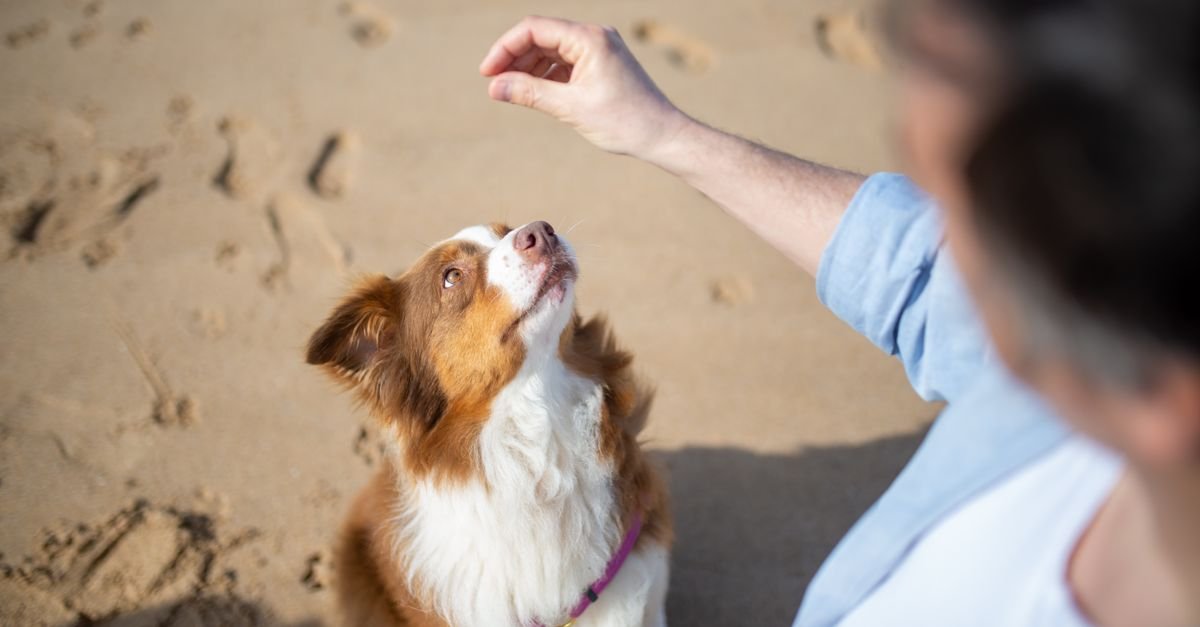
Well-trained and working-breed dogs check in constantly.
Mid-walk glances, the pause-and-look at a corner, the gaze during training: your dog is asking “what’s next, boss?”
This attentive stare is gold for training — reward it, and you have a dog that defaults to checking with you. Our guide to basic obedience training builds on exactly this.
The bathroom escort stare
Yes, they stare there too.
Between pack instinct (we stay together), curiosity, and the total absence of a privacy concept, your bathroom audience is completely normal dog behavior.
It pairs with the shadowing we covered in why dogs follow you everywhere.
The guilty look isn’t guilt
That sideways stare over the shredded pillow? Not remorse.
Studies suggest the “guilty look” — lowered head, averted eyes, whale eye — is a response to YOUR body language and tone, not to their crime. Dogs read that you’re upset and offer appeasement.
Useful takeaway: after-the-fact scolding teaches fear of your mood, not furniture ethics.
The hard stare: the one to respect
One stare means something very different.
A hard stare is stiff and frozen: rigid body, closed mouth, fixed unblinking eyes, sometimes over food, a toy or a resting spot. This is a dog saying “I’m uncomfortable — back off.”
Don’t punish it (punishment removes the warning, not the feeling). Give space, note the trigger, and if hard stares are frequent — especially around resources — work with a certified trainer or behaviorist.
Staring plus other body language: the full sentence
Eyes are one word; the body is the sentence.
Soft eyes + loose wiggly body = affection or invitation. Stare + play bow = game on. Stare + pacing to the door = urgent request. Stare + stiffness = discomfort. Stare + trembling or panting = anxiety — see our guide on why dogs shake.
Always read the whole dog, not just the eyes.
Why does my dog stare at me while pooping?
The internet’s favorite awkward question has a sweet answer.
Mid-squat is a vulnerable moment, and your dog watches YOU because you’re the lookout — trusted security detail while they can’t defend themselves.
It’s not weird. It’s a compliment with terrible timing.
Why does my dog stare at me while I eat?
Hope, mathematics and history.
Dogs quickly learn the odds: some percentage of human meals end in dog snacks, so attending every meal is simply good investing.
If the audience bothers you, teach a “go to mat” during meals and reward AFTER you finish — the stare relocates politely.
Why does my dog stare at walls or into space?
Occasional space-gazing is normal (sounds and smells you can’t perceive).
But frequent wall-staring, “star-gazing” upward, or looking vacant and unresponsive can signal medical issues — from digestive discomfort to neurological causes.
Film an episode and show your vet; video beats description every time.
Staring in senior dogs: when to pay attention
New staring habits in an older dog are worth noting.
Increased blank staring, getting “stuck” in corners, confusion at doors, or disrupted nights can be signs of canine cognitive decline — a manageable condition your vet can help with.
Vision loss also makes some seniors watch faces harder from closer. Gentle, predictable routines help both.
Is staring ever a health signal?
Sometimes the stare says “I don’t feel right.”
A dog in pain may stare intently at their person (asking for help the only way they can), stare at their own flank, or fixate oddly.
Paired with appetite loss, lethargy or unusual postures, see the vet. Our guide on how to tell if your dog is in pain lists the quiet signs. This article is general information, not veterinary advice.
Should you stare back at your dog?
Depends entirely on which stare.
With your own bonded dog giving soft eyes: yes — gentle mutual gazing is bonding (that oxytocin loop again). Add slow blinks; many dogs visibly soften.
With unfamiliar dogs: no. Direct sustained eye contact reads as confrontation in dog language — offer a soft sideways glance instead.
Can you train the staring?
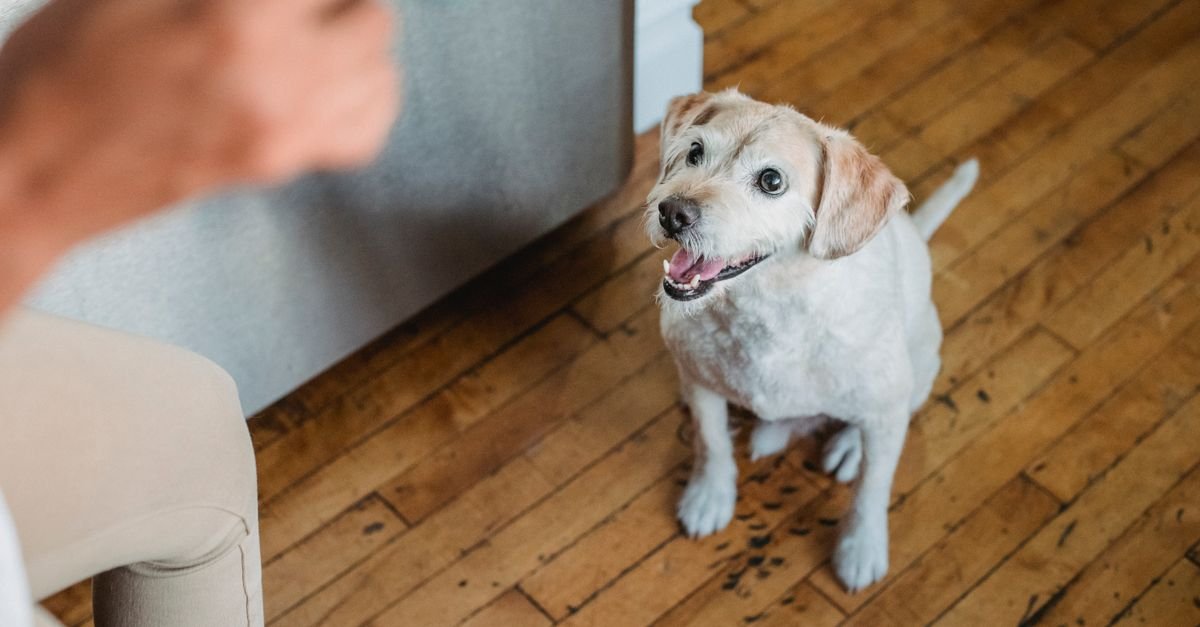
You already have — now do it on purpose.
Reward the check-ins you love (“watch me” is a foundational cue), give demand-stares nothing (no scolding either — that’s attention too), and answer polite request-stares consistently.
Attention is currency; spend it on the behaviors you want more of.
When staring becomes obsessive
Rarely, staring tips into fixation.
Unbreakable stares at lights, shadows, reflections or nothing — especially with pacing or snapping at air — can indicate compulsive behavior needing professional help.
A vet first (to rule out medical causes), then a veterinary behaviorist. Early help works best.
Common mistakes with dog staring
- Feeding the dinner-stare from the table, then resenting the audience.
- Punishing a hard stare — you silence the warning system, not the discomfort.
- Staring down strange dogs — confrontational in their language.
- Ignoring sudden staring changes in seniors — often the first sign something’s off.
- Reading guilt into appeasement and scolding after the fact.
Do some breeds stare more than others?
Absolutely — some dogs were bred to watch.
Herding breeds (Border Collies famously use “the eye” to move sheep), pointers and working companions are professional watchers; independent breeds may gaze far less.
If you own a herder, that intense monitoring is centuries of job training looking for an outlet — give it puzzle work and training games.
What is “whale eye”?
One specific look every owner should recognize.
Whale eye is when a dog turns its head away but keeps watching you, showing the white crescents of the eyes — usually with a stiff, frozen body.
It signals discomfort or guarding, not affection: give space, remove the pressure, and note what triggered it. It’s the polite warning before a growl.
Why does my dog stare at other pets?
Dog-to-dog staring has its own rules.
A soft glance between housemates is normal social checking; a fixed, hard stare at another pet — especially over food, toys or doorways — is tension that deserves management before it escalates.
Interrupt calmly, separate resources, and if hard staring between pets is routine, a trainer’s eye is worth it early.
Night staring: the silent silhouette
Waking to a dog staring at you in the dark is startling — and usually mundane.
Common causes: needing a bathroom trip, hunger on a shifted schedule, a noise you slept through, or simple “are we awake yet?” optimism.
If night staring is new and paired with pacing, panting or restlessness in a senior, mention it to your vet — nighttime discomfort and cognitive changes often debut after dark.
The head tilt + stare combo
The internet’s favorite dog expression, decoded.
The tilt likely helps dogs localize sounds and see past their muzzles — and because we melt and reward it, many dogs learn to deploy it strategically.
Stare plus tilt equals full-bandwidth listening. Enjoy it; it’s one of dogdom’s finest features.
Teaching “watch me”: the useful stare
Channel the gaze into a superpower cue.
Hold a treat by your eyes, say “watch me,” mark and reward the moment eyes meet yours. Build duration slowly, then practice around distractions.
A dog that defaults to checking in with you is easier to walk, train and keep safe — the stare becomes your communication channel.
Staring during grooming and vet visits
Context flips the meaning here.
A dog staring at you during nail trims or exams is seeking reassurance from its trusted person — your calm voice and slow breathing genuinely help.
Watch for the stress cluster (whale eye, lip licking, yawning): those say “I need a break,” and honoring them builds cooperation for next time.
Reading the tail with the eyes
The tail is the stare’s subtitle track.
Soft stare + loose sweeping tail = friendly engagement. Stare + slow stiff wag = arousal, assess the situation. Stare + tucked tail = worry, lower the pressure.
Eyes start the sentence; the tail finishes it. Read both and you’ll rarely misunderstand your dog.
Fun fact: your dog photographs terribly for a reason
A light note to end on.
Direct camera lenses read as giant staring eyes to many dogs, which is why so many pet photos feature averted gazes — your dog is being polite in its own language.
Trick: hold a treat beside the lens and use a soft voice; you’ll get the ears and eyes without the discomfort.
Frequently Asked Questions
Why does my dog stare at me for no reason?
There’s almost always a reason — affection, reading your face for cues, a polite request, or learned habit because staring has worked before. Dogs are professional people-watchers; a soft, relaxed stare is usually connection or curiosity, not emptiness.
Why does my dog stare at me while I eat?
Hope and history: dogs learn that human meals sometimes produce dog snacks, so supervising every meal is simply good odds. If it bothers you, teach a “go to your mat” cue during meals and reward afterward — and never pay the stare from the table if you want it to fade.
Why does my dog stare at me while pooping?
Because mid-squat is a vulnerable moment, and your dog is watching their trusted lookout — you — for security. It’s an instinctive safety behavior and a sign of trust, not weirdness.
Should I stare back at my dog?
With your own dog giving soft, relaxed eyes, yes — gentle mutual gazing strengthens bonding and raises oxytocin in both of you. Avoid hard, direct staring at unfamiliar dogs, which reads as a challenge in canine body language.
What does a hard stare from a dog mean?
A stiff, frozen, unblinking stare — often with a rigid body over food, toys or resting spots — signals discomfort and is a warning to give space. Don’t punish it; identify the trigger, and consult a certified trainer or behaviorist if it happens regularly.
Why does my old dog stare at walls?
Frequent wall-staring, getting stuck in corners, or blank unresponsive gazing in a senior dog can indicate canine cognitive decline or other medical issues. Film an episode and see your vet — these conditions are manageable, and video helps enormously with diagnosis.
Is dog staring a sign of dominance?
Between dogs, hard stares can be confrontational — but your dog gazing at you is communication, affection or requests, not a power play. The outdated dominance framing misreads what is usually a bonded animal studying its favorite person.
The bottom line
Your dog’s stare is a language: soft eyes say love, positioned stares place orders, check-ins ask for direction — and only the stiff, hard stare asks for distance.
Read the whole body, reward the check-ins, respect the warnings, and enjoy being the most-watched show in your dog’s world.
Decode more behavior in our guides to why dogs follow you everywhere and why dogs lick so much.

Hello! I'm Khan Hisham, a dedicated student with a profound passion for enhancing the lives of pets through comprehensive care. At Pawspera, our mission—"Prospering Pets, Every Day"—drives everything we do. We are committed to providing the latest insights, tips, and products that ensure your pet's health and happiness. Join us at Pawspera as we explore innovative ways to care for our furry friends with love and dedication.