Keeping a dog cool in summer runs on four controls: SCHEDULE (walks at dawn and after dusk — the midday world belongs to shade), WATER (fresh, everywhere, and carried on every outing), SHADE-AND-AIRFLOW (real shade plus moving air; a closed garage or sunroom is an oven with a roof), and the HARD LINES that are never negotiable — no parked cars for any number of “just two minutes,” and no forced exercise in heat-and-humidity that stacks against the dog’s build. Know your dog’s risk tier: flat-faced breeds (bulldogs, pugs, boxers), thick double coats, seniors, overweight dogs, and heart-or-airway patients overheat at temperatures that barely bother a lean young lab — and know the EMERGENCY signs, because heatstroke kills fast and the first-response cooling you do en route to the vet meaningfully changes survival odds. This guide is educational — a dog showing heatstroke signs needs a veterinarian NOW, with cooling started on the way.
This is the complete summer-cooling playbook: the risk tiers by build and age, the daily schedule that beats the heat instead of fighting it, hydration logistics at home and on the road, the shade-airflow-and-cooling-gear system honestly graded, water play done safely (pools, sprinklers, and the lake rules), the overheating ladder from early panting to the emergency, and the first-response protocol every dog household should rehearse.
Key Takeaways
- Schedule beats gear: dawn and dusk walks, midday indoors — the timing change is 80% of summer safety.
- Know your risk tier: flat-faced, double-coated, senior, overweight, and cardiac dogs overheat at mild temperatures.
- The parked car is an absolute never — interiors hit lethal temperatures in minutes, cracked windows included.
- Humidity stacks with heat: panting cools by evaporation, and muggy air disables the dog’s only radiator.
- Learn the ladder: heavy panting and slowing are warnings; drooling, staggering, vomiting, or collapse is the emergency.
- Emergency response: move to shade, pour room-temperature water over the body, air conditioning on, and DRIVE to the vet — cooling en route raises survival odds.
The Risk Tiers (Some Dogs Overheat at 75°F)
THE FLAT-FACED TIER: brachycephalic breeds cool through airways they don’t have — bulldogs, pugs, boxers, and their mixes can tip into distress at temperatures and durations that read as “pleasant” to their owners, and their summer rules run one tier stricter across this whole guide: shorter, earlier, shadier, and the airway-noise escalation taken seriously.
Also Read




THE COAT-AND-CONDITION TIERS: thick double coats insulate both ways but trap heat under exertion (and the never-shave rule from the grooming pillar still holds — deshedding the undercoat is the summer service; shaving wrecks the system), overweight dogs carry insulation they can’t remove plus a cardio tax, seniors and puppies both regulate poorly, and the cardiac-or-laryngeal patients run on their vet’s summer rules, full stop.
THE HUMIDITY MULTIPLIER that owners underweight: dogs cool by evaporative panting, and humid air disables evaporation — 85°F muggy is more dangerous than 95°F dry — so the mental math uses the “feels like” number, and the muggy-morning walk shortens even though the thermometer looks kind.
The heatstroke briefing above drills the recognition-and-response sequence — the three-signs framing is worth watching twice, because the middle of an emergency is the wrong first read.
The Summer Schedule (Timing Is the Strategy)
THE WALK WINDOWS: dawn and post-dusk own the exercise budget (pavement holds heat past sunset — the pavement companion guide runs the seven-second test and the surface map), the midday outing shrinks to bathroom-and-shade business, and the exercise budget shifts INDOORS on heat-wave days: sniff games, training sessions, puzzle feeders, and the hallway fetch that spends energy without spending heat.
THE HOME SETUP: cool-floor access (tile and basement rooms are self-selecting — let the dog choose its spot), fans that move air at DOG height, the cooling-mat tier for the dogs who’ll use one, closed curtains on the sun side per the same physics that cool houses, and the crate note: a crate in a sun patch or hot room is a heat trap — the summer crate audit takes ten seconds and matters.
THE CAR LAW, stated as the absolute it is: parked-car interiors climb to lethal temperatures in MINUTES at mild outdoor readings, cracked windows change nearly nothing, and the errand-with-the-dog defaults to the dog staying home all summer — and the moving-car standard still applies: AC on, restraint per the gear pillar, and never the sun-side cargo area on long hauls.
Hydration Logistics (Home, Yard, and Road)
THE HOME BASELINE: multiple bowls (one per floor plus the yard station), refreshed DAILY per the rinse-not-top rule, shaded and spill-stable outdoors — and the fountain tier earning its summer keep for the drink-reluctant; ice cubes are a fine enrichment (the crunchers love them) and the frozen-treat tier (stuffed toys frozen, broth cubes) converts hydration into entertainment.
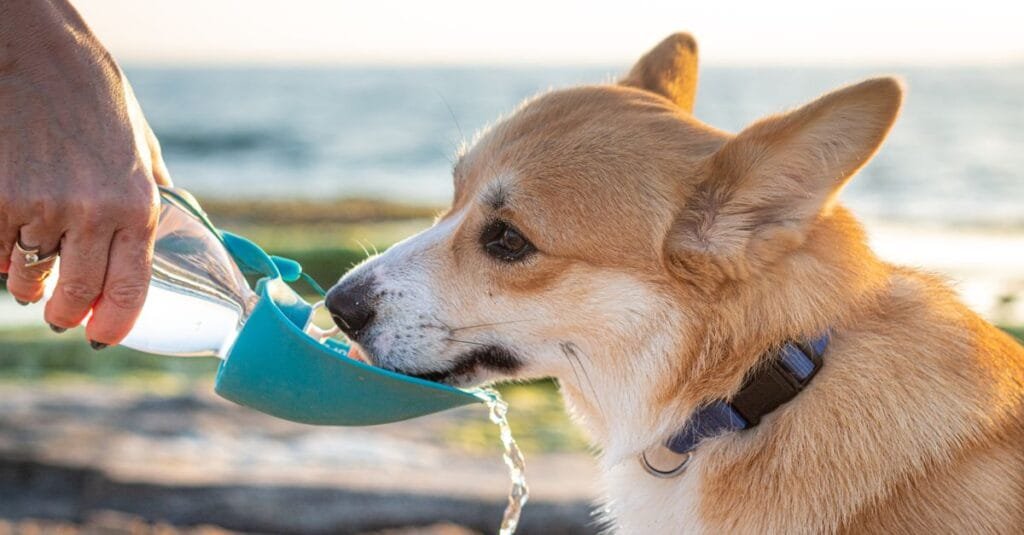
THE ROAD KIT: water carried on EVERY summer outing past thirty minutes (the collapsible bowl or the squeeze-bottle tier lives in the walk kit per the station doctrine), offered every fifteen-to-twenty minutes on active outings, and the drink-refusal read: a hot dog refusing water is further up the ladder than it looks — shade and rest immediately.
THE INTAKE FLAGS both directions, per the health pillar’s dials: summer thirst rises legitimately, but the dramatic spike that persists indoors flags the call-tier (endocrine and kidney questions don’t take summers off), and reduced drinking plus lethargy in heat is same-day vet math.

Cooling Gear and Water Play (Honestly Graded)
THE GEAR GRADES: cooling MATS earn their slot for crate-and-floor dogs (the standing review covers types), cooling VESTS work by evaporation (re-wet to work — genuinely useful on hikes, useless forgotten-dry), the wet-bandana tier is the free version, and the misting-fan patio setup is honest luxury; the SKIP tier: ice BATHS (see the emergency protocol’s room-temperature rule — the same physics applies to conscious dogs; cool gradually), and any “cooling” product whose mechanism the label can’t explain.
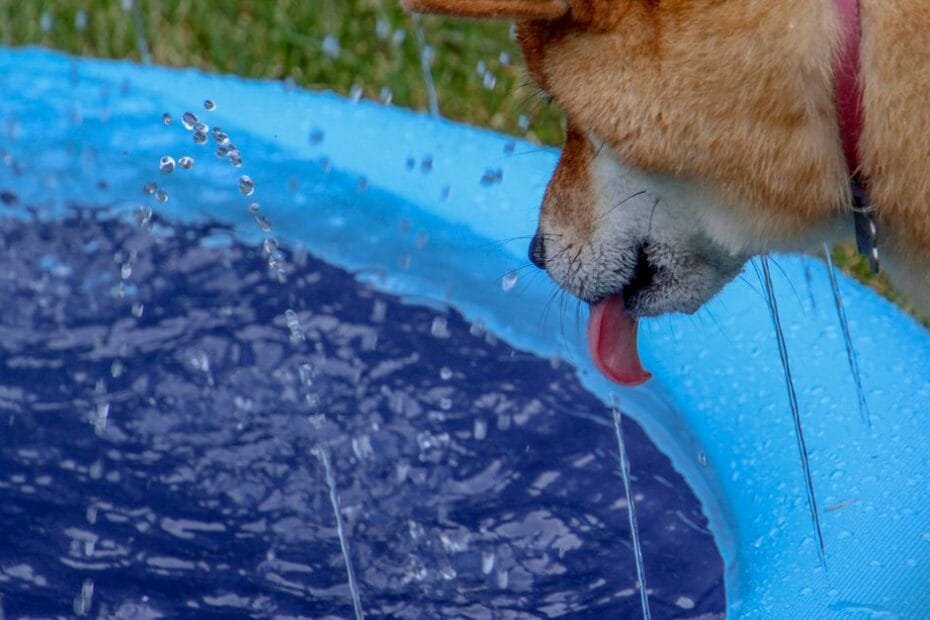
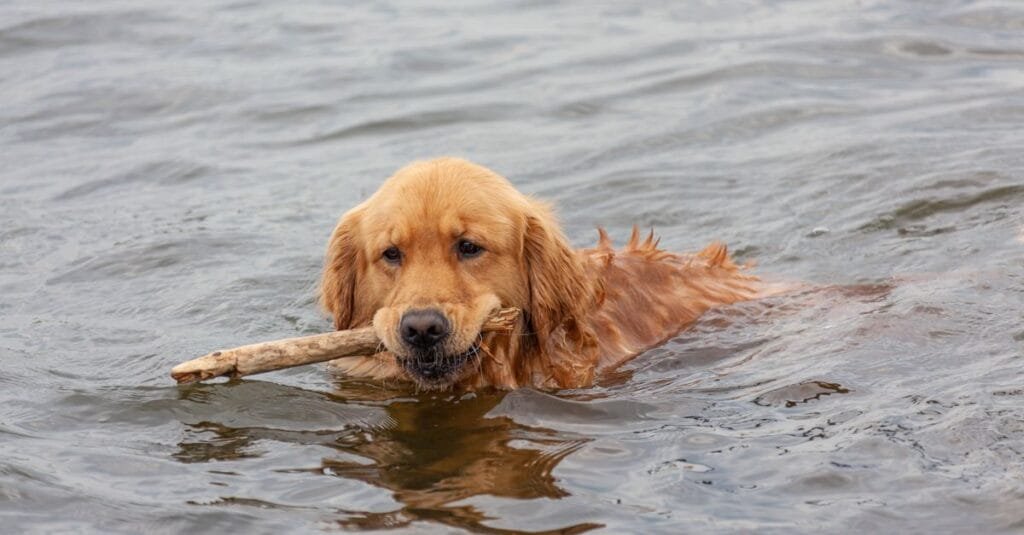
WATER PLAY, the best cooling there is: the kiddie-pool tier (rigid beats inflatable against claws — the pool review compares), sprinkler games for the herding tier who’d rather chase than soak, and the LAKE RULES: the life vest for boats and big water always (swimming ability is not drowning-proofing, and the vest’s handle is the retrieval feature), fresh water rinses after (algae and salt both), and the blue-green algae awareness line: scummy, pea-soup water is a genuine toxin risk in late summer — when in doubt, the pool at home.
THE POST-SWIM PROTOCOL: ears dried per the grooming pillar’s swim-season rule, the coat rinsed of chlorine-lake-or-salt, and the wet-dog-in-hot-car trap avoided by the towel-and-AC sequence — the swim that ends in a hot car undoes its own cooling.
The Overheating Ladder (Read It Early)
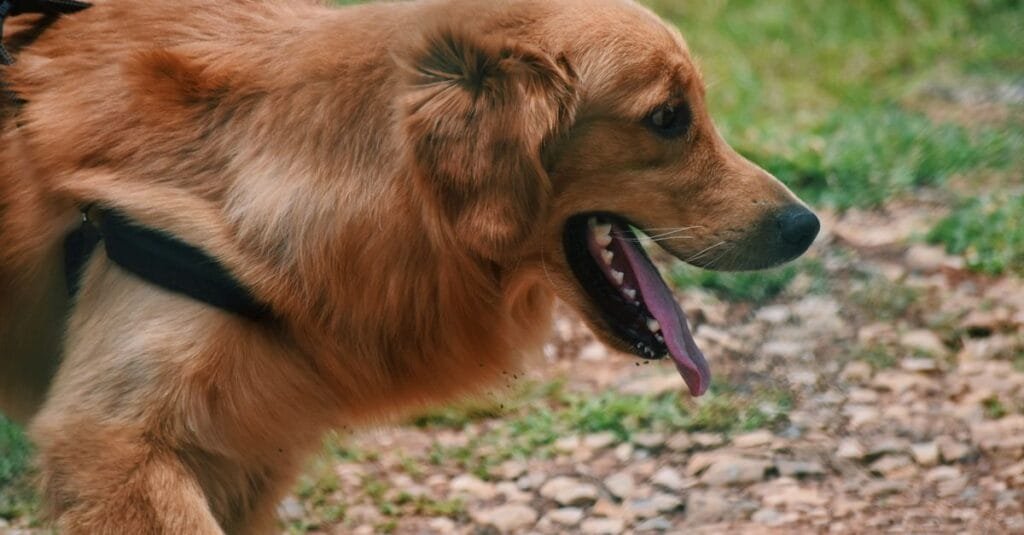
THE EARLY RUNGS: heavier-than-effort panting, the tongue at full ladle, seeking shade, slowing or lagging, and the gums going brick-red — the response is immediate and boring: stop, shade, water offered, rest until breathing settles, and the outing ends; early rungs handled well never become late ones.
THE EMERGENCY RUNGS: thick ropey drool, glassy eyes and confusion, staggering or wobbling gait, vomiting or diarrhea, gums going pale or purple, collapse, or seizure — this is heatstroke, it is a NOW emergency, and the protocol below runs while someone calls the vet or ER to say you’re coming.
THE FIRST-RESPONSE PROTOCOL, rehearsed per the how-to pillar’s drill doctrine: move to shade or AC, pour ROOM-TEMPERATURE water over the body (soaking the belly, groin, and paws — ice water constricts vessels and traps core heat; cool, not cold), airflow across the wet coat (car AC at full on the drive), offer but never force water, and DRIVE — even the dog who “seems better” goes in, because heatstroke’s organ damage runs on a delay and the survival statistics belong to the dogs whose cooling started before the clinic door.
Frequently Asked Questions
How do I keep my dog cool in summer?
Four controls: schedule (dawn and dusk walks, midday indoors), water everywhere and carried, real shade with moving air, and the hard lines — never the parked car, never forced exercise in heat. Timing is 80% of it; gear is the garnish.
What temperature is too hot to walk a dog?
There’s no single number — humidity stacks with heat (muggy 85°F beats dry 95°F for danger), and risk tiers move the line: flat-faced, double-coated, senior, and overweight dogs overheat at readings that barely bother a lean young dog. Use the “feels like” number, the pavement test, and your dog’s build honestly.
What are the signs of heatstroke in dogs?
Early: heavy panting, shade-seeking, lagging, brick-red gums — stop, shade, water, done for the day. Emergency: ropey drool, confusion, staggering, vomiting, pale or purple gums, collapse, seizure — cool with room-temperature water and drive to the vet immediately.
How do you cool down an overheated dog?
Shade or AC, room-temperature water poured over the body (belly, groin, paws — never ice water, which traps core heat), airflow across the wet coat, water offered not forced, and the drive to the vet with the AC blasting — en-route cooling meaningfully raises survival odds, and “seems better” still gets examined.
Do cooling mats and vests actually work?
Mats genuinely help floor-and-crate dogs; evaporative vests work when kept wet (hike gear, not set-and-forget); the wet bandana is the free tier. Skip ice baths and any product whose cooling mechanism the label can’t explain — and remember the pool and the schedule outperform all of it.
Is it safe for dogs to swim to cool off?
The best cooling there is, with rules: life vests on boats and big water (the handle is the rescue feature), fresh-water rinses after chlorine, lakes, or salt, ears dried, and the late-summer algae check — scummy pea-soup water is a real toxin risk; when in doubt, the kiddie pool at home.
The Heat-Wave Playbook (When the Whole Week Is Hostile)
THE MULTI-DAY PROTOCOL: walks compress to dawn-only bathroom-plus-sniff loops, the exercise budget moves fully indoors (the hallway recall games, the frozen-stuffed-toy economy, the training sessions that tire brains without heat), the midday house audit runs once (fans at dog height, sun-side curtains, water stations doubled), and the dog’s OWN judgment gets respected — the dog declining the 3 p.m. yard trip is the only sensible member of the household.
THE POWER-OUTAGE CLAUSE heat waves carry: the AC-dependent household (flat-faced breeds especially) plans the failure — the basement retreat, the battery fan, the cooling mat, and the friend-with-power arrangement for the vulnerable tier — because the outage that’s uncomfortable for a lab is dangerous for a bulldog inside the hour.
THE WORKING-AND-YARD-DOG note: the outdoor-living dog’s heat rules are shade STRUCTURES (not a fence line’s moving shadow), water in spill-proof volume, and the honest seasonal question — the yard dog’s summer is this guide’s risk tiers running all day unsupervised, and the vulnerable builds belong indoors when the wave arrives, whatever the year-round arrangement.
The Humid-Night Sleep Note
The overnight tier heat guides skip: dogs sleep hotter than owners assume (the fur, the floor draft they seek), the crate relocates OUT of upstairs heat pockets in wave weeks, the cooling mat earns its bedroom slot, and the 2 a.m. panting that persists in a cool room is not a heat note at all — it’s the health pillar’s call-tier (pain and cardiac questions both present as night panting), which is exactly the kind of catch the daily four-dials habit exists for.
The Bottom Line
Move the day to its cool ends, water everything, respect your dog’s risk tier, grade the gear honestly, and drill the ladder until the early rungs are automatic and the emergency protocol is boring — summer is a scheduling problem for most dogs and a vigilance problem for the vulnerable ones, and this guide is both calendars.
The cat paragraph this dog-titled guide owes multi-pet households: cats overheat too — less often (better self-regulators, professional shade-seekers) but the same physics — and the feline version runs on access: cool rooms never closed off, water stations refreshed, the sunning cat trusted to move but the FLAT-FACED cats (Persians, exotics) watched like their canine counterparts, and open-mouth breathing in any cat treated as the emergency the health pillar already flagged — cats pant only in crisis, and a panting cat is a vet call, not a warm cat.
The dog will not call the walk off. That was always your job — and dawn is beautiful anyway.