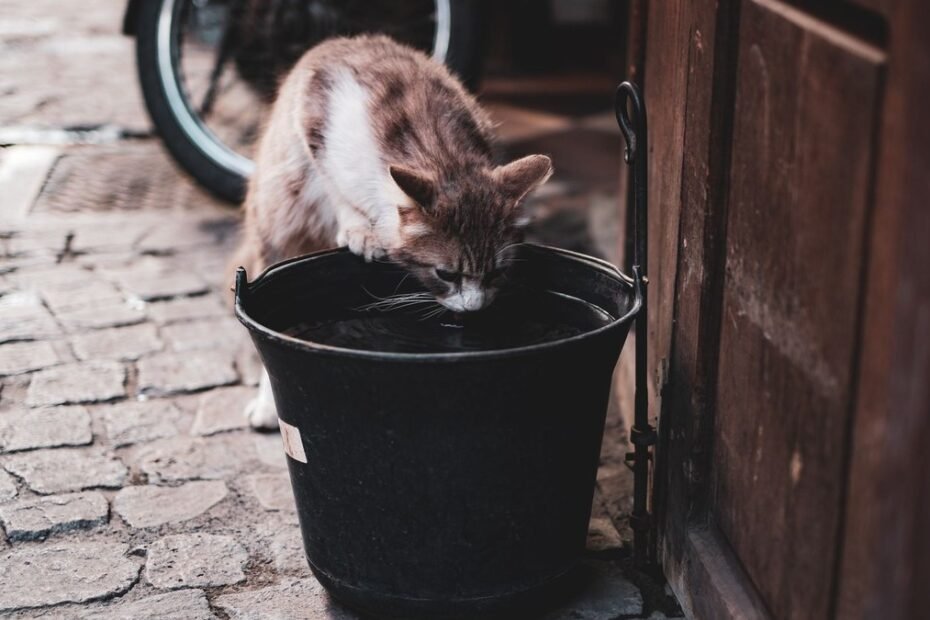
Many pets simply don’t drink enough water — and chronic mild dehydration can quietly affect their kidneys, urinary health, and overall wellbeing. A pet water fountain is a clever, low-effort fix: the moving, filtered water naturally encourages pets (especially cats) to drink more. This guide explains why fountains work, the benefits, what to look for, and how to keep one clean so your pet stays happily hydrated.
Why a Pet Water Fountain Helps
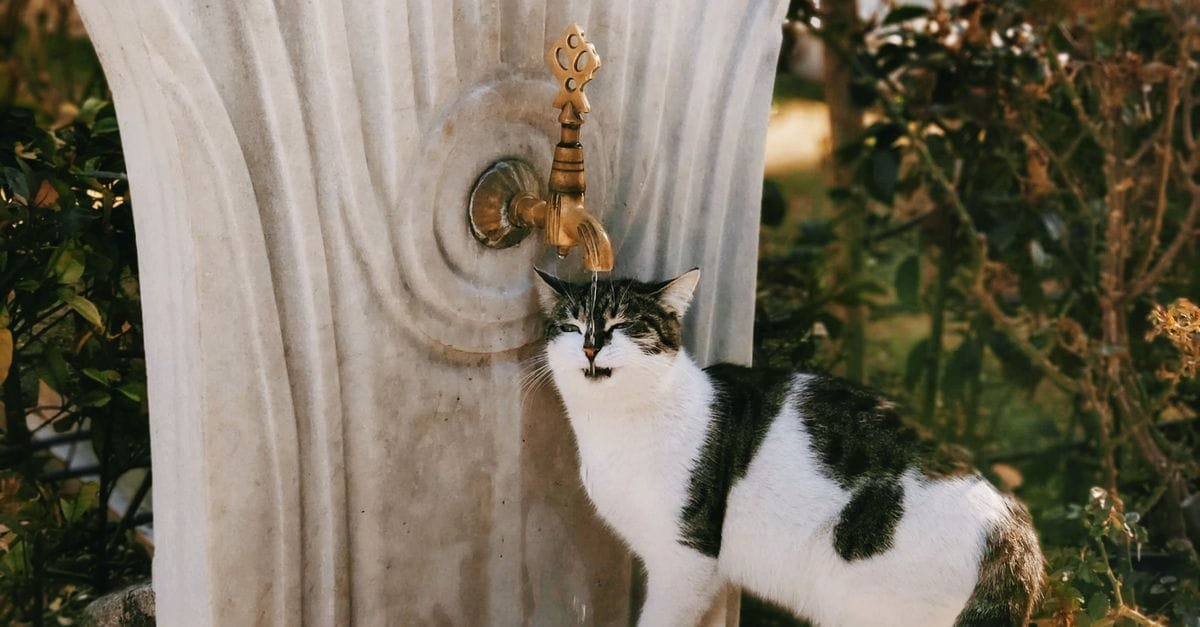
Cats in particular have a naturally low thirst drive and often ignore a still bowl of water — in the wild, they instinctively favor running water, which is fresher and safer than stagnant pools. A fountain taps into that instinct: the flowing, oxygenated water is more appealing, and many pets drink noticeably more from one. Better hydration supports kidney and urinary tract health, which is especially important for cats and older pets. Dogs benefit too, with a constant supply of fresh, filtered water.
Benefits of a Water Fountain
- Encourages drinking — moving water entices pets to drink more, improving hydration.
- Fresher water — constant circulation and filtration keep it cleaner than a still bowl.
- Supports urinary & kidney health — better hydration helps prevent common issues, especially in cats.
- Convenient — a larger reservoir means less frequent refilling.
- Appeals to fussy drinkers — great for pets that snub a regular bowl.
What to Look For in a Pet Water Fountain
Material
Fountains come in plastic, ceramic, and stainless steel. Stainless steel and ceramic are more hygienic, durable, and resistant to bacteria and chin-acne issues that some pets get from plastic. They cost a bit more but are often worth it.
Also Read
-
Best Kitten Toys: The Four Jobs, the Hands-Are-Never-Toys Law, and the Hunt Sequence

-
Best Dog Camping Gear: The Four Layers, the Backyard Test, and the Camp “Place”

-
Best Cat Tunnels: Portholes, the Crinkle Question, and Ambush Geometry That Gets Used

-
Best Elevated Dog Beds: Airflow Physics, the Three Specs, and the “Place” Bonus

Capacity
Match the reservoir size to your pet (or number of pets). A larger capacity means fewer refills — handy if you’re out during the day or have multiple animals.
Filtration
Look for replaceable filters that remove debris, hair, and impurities, keeping the water clean and tasty. Check that replacement filters are affordable and easy to find.
Quiet Pump & Easy Cleaning
A quiet pump won’t startle pets or annoy you. And since fountains need regular cleaning, choose one that’s easy to disassemble — ideally with dishwasher-safe parts.
Pet water fountain picks on Amazon
Keep your pet hydrated with fresh, flowing water:
Cats vs. Dogs: Choosing the Right Fountain
For cats, a quiet fountain with a gentle flow and a low, wide drinking area works well — some cats prefer a stream, others a calm bubbling surface. For dogs, especially larger breeds, choose a sturdier fountain with bigger capacity and a flow that handles enthusiastic drinking. Multi-pet households should size up the reservoir and consider a model with a wider basin so several pets can drink comfortably.
Keeping the Fountain Clean
A fountain only helps if it’s clean — otherwise biofilm and bacteria build up. Rinse and refill regularly, do a thorough disassembled cleaning weekly (the pump especially, where slime collects), and change filters on schedule. Use pet-safe cleaning and rinse well. Stainless steel and ceramic are easier to keep hygienic than plastic. A clean fountain keeps the water appealing so your pet keeps drinking.
Helping Your Pet Adjust
Most pets take to a fountain quickly, but some are cautious of the new sound or motion. Place it where the old bowl was, keep the regular bowl available at first, and let your pet investigate at their own pace. The novelty usually wins them over within a few days. If your pet seems wary of the noise, choose the quietest setting.
A Note on Hydration & Health
A fountain encourages drinking, but watch your pet’s overall water intake and habits. Sudden increases or decreases in drinking can signal health issues — excessive thirst, in particular, can indicate conditions like kidney disease or diabetes and warrants a vet visit. A fountain supports good hydration, but it works alongside, not instead of, attentive care and regular checkups.
Frequently Asked Questions
Do pet water fountains really make pets drink more?
For many pets, yes — especially cats, who instinctively prefer running water. The movement and freshness make a fountain more appealing than a still bowl, often increasing how much they drink and supporting hydration.
Are stainless steel fountains better than plastic?
Generally yes — stainless steel and ceramic are more hygienic, durable, and resistant to bacteria and the chin irritation some pets get from plastic. They cost a little more but are easier to keep clean.
How often should I clean a pet water fountain?
Rinse and refill regularly, do a full disassembled clean weekly (especially the pump), and replace filters on the recommended schedule. Regular cleaning prevents biofilm and keeps the water appealing.
Is a water fountain good for cats with urinary problems?
Better hydration supports urinary and kidney health, and fountains often help cats drink more. They can be a helpful tool, but for cats with diagnosed urinary issues, follow your vet’s overall guidance too.
Key Takeaways
- Pet fountains encourage drinking with fresh, moving water — great for cats’ low thirst drive.
- Better hydration supports kidney and urinary health in cats, dogs, and seniors.
- Choose stainless steel or ceramic, the right capacity, good filtration, and a quiet, easy-clean pump.
- Clean it regularly and change filters — a dirty fountain defeats the purpose.
- Watch overall water intake; sudden changes in thirst warrant a vet visit.
A pet water fountain is a simple way to boost your pet’s hydration and support their long-term health — especially for cats. Pick a hygienic, quiet, easy-to-clean model, keep it fresh, and your pet will drink happily. Explore more in our Pet Gear & Accessories guides.

Hello! I'm Khan Hisham, a dedicated student with a profound passion for enhancing the lives of pets through comprehensive care. At Pawspera, our mission—"Prospering Pets, Every Day"—drives everything we do. We are committed to providing the latest insights, tips, and products that ensure your pet's health and happiness. Join us at Pawspera as we explore innovative ways to care for our furry friends with love and dedication.