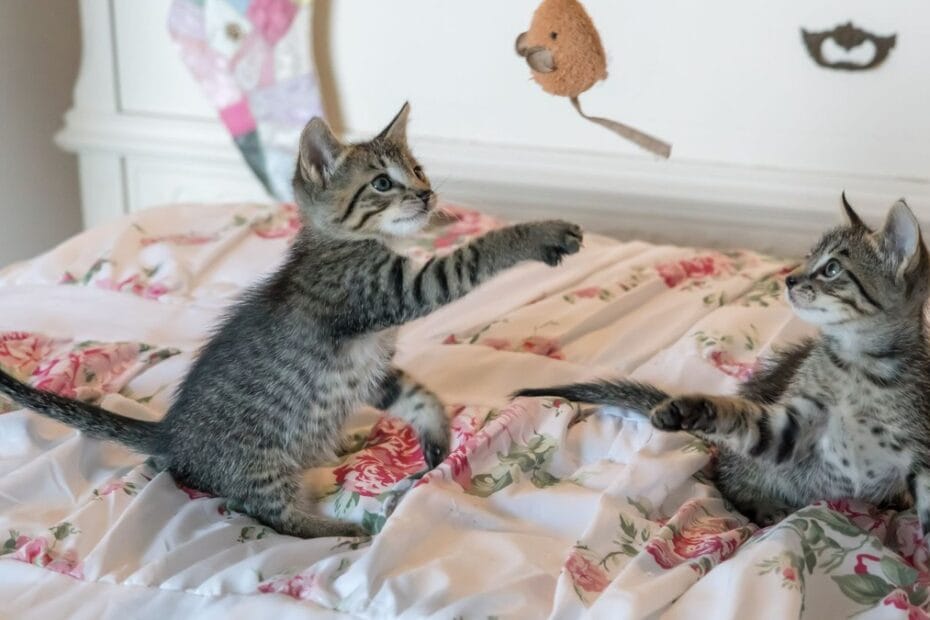
Bringing home a new kitten is pure joy — those tiny paws, big eyes, and playful pounces are impossible to resist. But behind the cuteness, your kitten depends on you for everything during these crucial early months: nutrition, safety, health, litter training, socialization, and learning to be a confident, well-adjusted cat. It can feel like a lot to get right. This complete kitten care guide walks you through everything a new kitten parent needs to know, step by step, so you can raise a healthy, happy, friendly cat with confidence. Consider it your roadmap for your kitten’s whole first year.
Before You Bring Your Kitten Home
A little preparation makes your kitten’s arrival far smoother and less stressful. Get your home and supplies ready before the big day so you can focus on helping your new kitten settle in rather than rushing out for forgotten essentials.
Kitten-Proof Your Home
Kittens are curious, agile, and tiny — they squeeze into gaps, climb everything, and investigate with their mouths. Kitten-proof by securing or hiding electrical cords, removing small objects they could swallow (hair ties, string, rubber bands), and putting away toxic plants, cleaning products, and medications. Block off dangerous spots, keep windows and balconies secure, check washing machines and dryers before use, and tuck away anything fragile. A thorough sweep at kitten-eye level prevents most accidents and keeps your curious newcomer safe.
Also Read




Essential Kitten Supplies
Have the basics ready: a litter box and kitten-safe litter, quality kitten food, food and water bowls, a comfortable bed, a scratching post, safe toys, a collar with ID, a carrier for vet trips, and grooming tools. A cozy bed gives your kitten a secure spot — see our guide to the best cat beds. Having everything in place means a calmer, smoother first day for both of you.
The First Days and Weeks
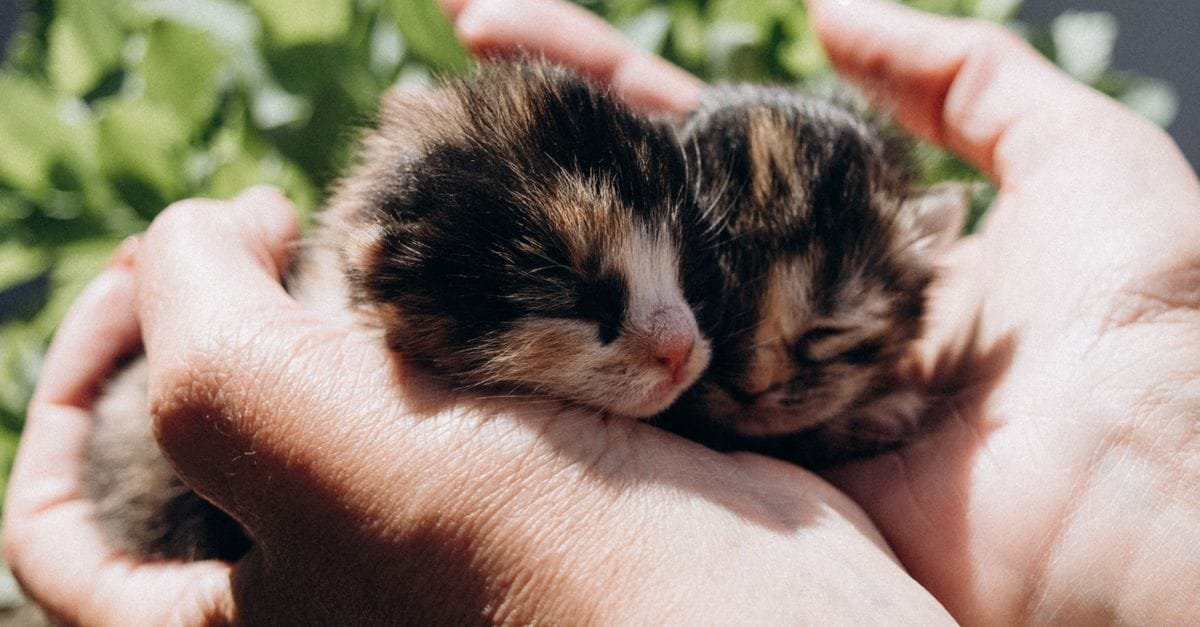
Your kitten has just left their mother and littermates for an unfamiliar world, so keep the first days calm and gentle. It often helps to start them in one quiet “safe room” with their food, water, litter box, bed, and toys, letting them adjust to a small space before exploring the whole house. Let your kitten come to you rather than overwhelming them, keep noise and visitors to a minimum at first, and give them time and patience. Some hiding and nervousness is normal early on. As they grow confident, gradually open up more of the home. Gentle, low-pressure early experiences build a secure, trusting cat.
Establishing a Routine
Like all pets, kittens feel safest with predictability. Feed, play, and handle your kitten at consistent times, and keep their litter box, food, and bed in stable locations. A routine helps your kitten settle, supports litter training, and reduces anxiety. Regular play and feeding times also strengthen your bond and give your kitten’s day a comforting rhythm.
Feeding Your Kitten
Good nutrition fuels your kitten’s rapid growth, so it’s one of the most important parts of their care. Feed a complete, balanced food made specifically for kittens (or all life stages) — kittens need more protein, calories, and certain nutrients like DHA and taurine than adult cats. Our detailed guide to the best cat food for kittens explains exactly what to look for and how feeding changes as they grow.
How Often and How Much
Kittens have tiny stomachs and high energy needs, so they eat little and often — young kittens typically need around 3–4 small meals a day, reducing as they grow. Follow the feeding guide on the packaging for your kitten’s age and weight, measure portions, and keep fresh water available at all times. Avoid overfeeding, and don’t switch foods abruptly — transition gradually over about a week. Your vet can confirm the right amounts for your kitten.
Foods to Avoid
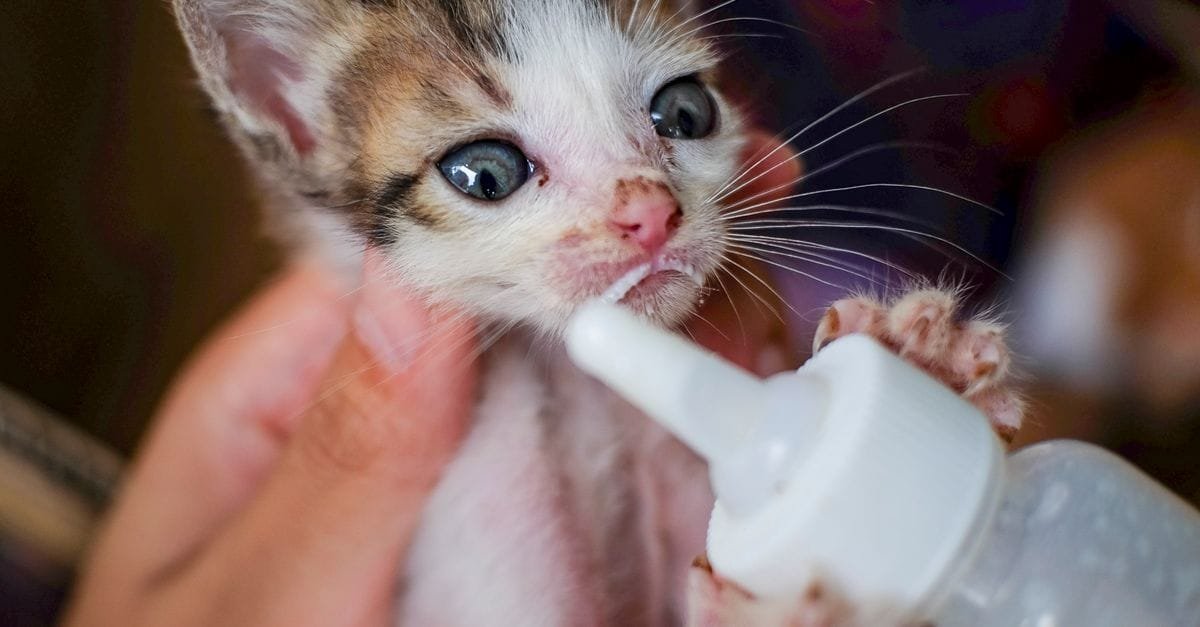
Never give kittens foods toxic to cats — including onions, garlic, chocolate, grapes, and others. Skip cow’s milk too: despite the stereotype, many cats are lactose intolerant and it causes stomach upset (use a kitten milk replacer if a very young kitten needs milk). Keep treats minimal and kitten-appropriate, and when in doubt, stick to complete kitten food and fresh water.
Litter Training Your Kitten
The good news: cats have a natural instinct to bury their waste, so most kittens litter train quickly with a little help. Provide a low-sided litter box your kitten can easily climb into, in a quiet, accessible spot, and gently place your kitten in it after meals and naps. Keep it clean (cats are fastidious and may avoid a dirty box), and never punish accidents — simply clean thoroughly and make sure the box is appealing and easy to reach. In a multi-level home, offer more than one box. Most kittens get the hang of it fast. For more, see our guide on how to litter train a kitten.
Litter Box Tips and Troubleshooting
Cats can be particular about their litter box. Keep it scrupulously clean, scooping daily, and place it away from food, water, and noisy or high-traffic areas. The general rule is one box per cat plus one extra. If your kitten avoids the box, consider whether it’s clean enough, the litter type, the location, or whether they can easily access it — and rule out any medical issue with your vet, as litter box problems can signal health concerns.
Veterinary Care and Vaccinations
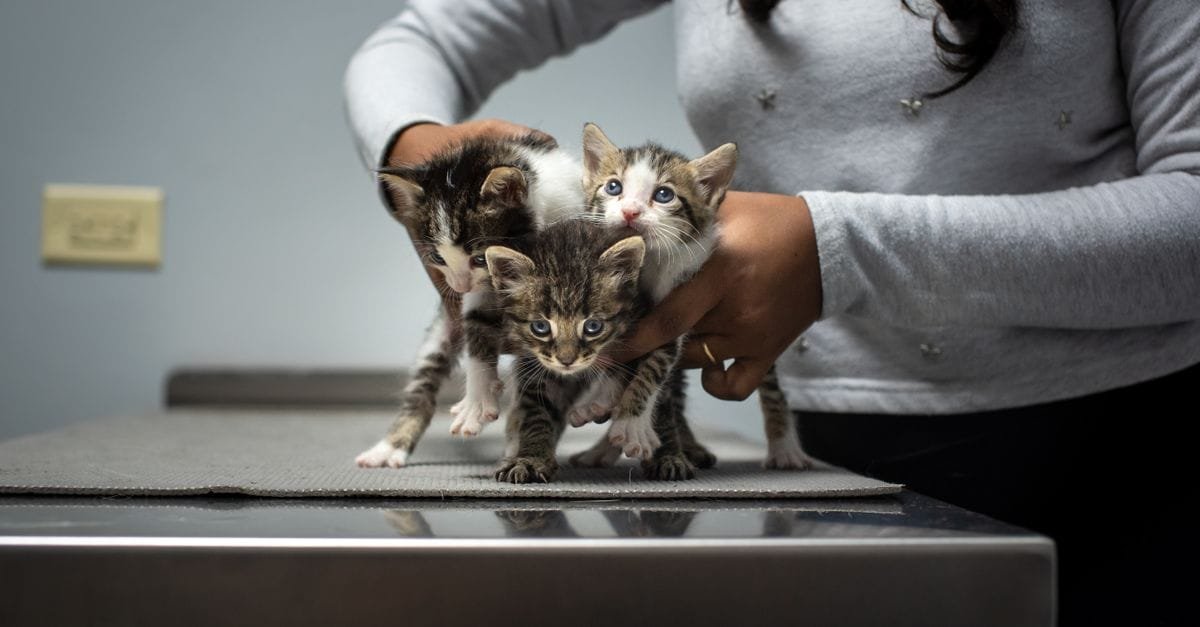
Book a vet visit soon after bringing your kitten home. Your vet will set up a vaccination schedule to protect against serious feline diseases, usually given in a series over the first months, and will discuss deworming and flea and tick prevention. Keeping vaccinations and parasite control up to date is essential during this vulnerable stage. Your vet will also do a general health check and answer your questions. Until your kitten is fully vaccinated, be cautious about exposure to other animals. Building a good relationship with your vet early makes them a key partner in your kitten’s lifelong health.
Spaying and Neutering
Talk to your vet about spaying or neutering your kitten. Besides preventing unwanted litters, it offers health and behavioral benefits and is strongly recommended for pet cats. Your vet will advise the best timing based on your kitten’s age, health, and development — it’s an important part of responsible kitten care.
Microchipping and Identification
Make sure your kitten has identification — ideally a microchip (a permanent ID your vet can implant) plus a collar with a quick-release safety buckle and an ID tag. Cats are escape artists and can slip outside, and proper ID greatly improves the odds of a safe return if your kitten ever gets lost. Keep the registered details current.
Socialization and Handling
The early weeks are a key window for socializing your kitten into a friendly, confident cat. Gently and positively expose them to different people, gentle handling, household sounds, and new experiences, always at their own pace and paired with calm reassurance and treats. Handle your kitten softly and often — touching their paws, ears, and mouth — so they grow comfortable with being held, groomed, and examined. Well-socialized kittens become relaxed, affectionate adult cats, while under-handled ones can stay shy or fearful. Never force interactions; let trust build naturally, and keep every experience positive.
Play and Exercise
Play isn’t just fun — it’s vital for a kitten’s physical development, coordination, and mental stimulation, and it satisfies their strong hunting instincts. Offer a variety of safe toys (wands, balls, mice, puzzle toys) and engage in interactive play every day. Let your kitten chase, pounce, and “hunt,” which burns energy and builds confidence. Avoid encouraging them to bite or scratch hands and feet — redirect that energy onto toys, so they don’t learn to play rough with people. Plenty of daily play keeps a kitten happy, fit, and out of mischief, and strengthens your bond.
Scratching and Protecting Your Furniture
Scratching is a natural, healthy behavior — cats scratch to maintain their claws, mark territory, and stretch. The goal isn’t to stop it but to redirect it onto appropriate surfaces. Provide a sturdy scratching post (tall and stable enough for a good stretch) right from the start, place it near where your kitten likes to scratch, and reward them for using it. Never punish scratching; instead make the post more appealing (catnip helps) and protect targeted furniture while they learn. And never consider declawing — it’s painful and widely opposed; providing scratching outlets and trimming nails is the humane approach.
Grooming Your Kitten
Getting your kitten used to grooming early makes lifelong care easier. Cats groom themselves, but you should help — gently brush your kitten regularly (essential for long-haired cats to prevent mats), which also reduces hairballs and bonds you. Get them comfortable with having their paws handled and nails trimmed, check their ears, and start a gentle tooth-care routine with cat-safe toothpaste. Pair grooming with treats and praise so it’s a positive experience. Early, gentle grooming creates a cat who tolerates — even enjoys — being handled and cared for.
Introducing Your Kitten to Other Pets and Children
If you have other pets or children, careful introductions matter. Introduce your kitten to resident cats or dogs slowly — keep them separated at first, swap scents, and allow supervised, gradual meetings through a barrier before face-to-face contact, never forcing it. With children, teach them to be calm and gentle, to respect the kitten’s space (especially while eating, sleeping, or using the litter box), and to handle the kitten properly under supervision. Patient, gradual introductions prevent fear and conflict and help your kitten become a confident, friendly member of the household.
Recognizing Health Problems
Part of good kitten care is spotting trouble early, as kittens can become ill quickly. Watch for warning signs: loss of appetite, vomiting or diarrhea (especially persistent or bloody), lethargy or weakness, difficulty breathing, sneezing or eye/nose discharge, straining or not using the litter box, or anything that seems off. Contact your vet promptly if you notice these — prompt attention can be vital for a small kitten. Keeping up with vaccinations, deworming, and parasite control prevents many problems, and you should never hesitate to call your vet with concerns.
Kitten Safety
Beyond kitten-proofing, keep your kitten safe day to day. Keep them away from toxic plants (lilies are especially deadly to cats), human foods, and chemicals. Secure windows, balconies, and high ledges, supervise around appliances and water, and check before closing doors, drawers, or machines — kittens hide in surprising places. Keep small swallowable items (string, hair ties) out of reach, as these can cause dangerous blockages. Many owners keep kittens indoors for safety; if your cat will go outside later, wait until they’re older, vaccinated, neutered, and microchipped. A watchful eye in these early months prevents most accidents.
Sleep and Rest
Kittens sleep a great deal — often many hours a day — and that sleep is essential for healthy growth and development. Provide a warm, comfortable, quiet place to rest and let your kitten nap undisturbed; they’ll often sleep hard between bursts of intense play. Respecting their need for rest keeps them healthy and even-tempered, much like a napping toddler. A cozy bed in a safe, calm spot encourages good rest.
Building a Strong Bond
Everything you do — feeding, playing, gentle handling, grooming, and simply spending calm time together — builds the bond with your kitten. Cats bond through positive, low-pressure interaction, so let your kitten set the pace, reward affection and good behavior, and be a gentle, reliable presence. Interactive play, treats, and patience earn a cat’s trust. The relationship you build now becomes a deep, rewarding friendship that lasts your cat’s whole life.
Common Kitten-Care Mistakes to Avoid
- Giving cow’s milk — it upsets most cats’ stomachs; use water and proper kitten food instead.
- Skipping vet care — vaccinations, deworming, and parasite control are essential.
- Rough hand play — never let a kitten bite or scratch hands; redirect to toys.
- A dirty or hard-to-reach litter box — a common cause of accidents.
- Punishing scratching or accidents — it creates fear; redirect and reward instead.
- Letting kittens roam outdoors too young — wait until they’re older and protected.
- Too little play and socialization — leads to bored, fearful, or under-stimulated cats.
Kitten Milestones Through the First Year
Kittens develop fast. The first weeks are about settling in, litter training, gentle handling, and starting vaccinations. The early socialization window is prime time for positive exposure and building confidence. Through the first months, your kitten grows rapidly, plays intensely, and may go through a mischievous, high-energy “teenage” phase. Around 12 months (later for large breeds like Maine Coons), your kitten matures toward adulthood and transitions to adult cat food. Knowing the rough timeline helps you give the right care at each stage.
When to Switch to Adult Food
Most cats move from kitten food to adult food at around 12 months of age, later for slow-maturing large breeds. Switch gradually over about a week — mixing increasing amounts of adult food into the kitten food — to avoid digestive upset. Until then, your kitten benefits from growth nutrition, so don’t rush it. Your vet can advise the right timing for your cat.
Understanding Your Kitten’s Body Language
Learning to read your kitten helps you respond to their needs and build trust. A relaxed kitten has a loose body, an upright or gently curved tail, and soft eyes; a tail held high often signals a friendly, confident greeting. Purring usually means contentment, though cats sometimes purr to self-soothe when unwell. Watch for signs of fear or stress — flattened ears, crouching, puffed-up fur, hissing, or a swishing tail — and give your kitten space when you see them rather than forcing interaction. Slow blinks are a lovely sign of affection you can return. Paying attention to body language lets you tell when your kitten wants to play, cuddle, or be left alone, which deepens your bond and prevents fear-based behavior.
Indoor vs. Outdoor Cats
One big decision is whether your cat will live indoors, outdoors, or both. Indoor cats are protected from traffic, predators, disease, parasites, fights, and getting lost, and they typically live longer — which is why many owners keep cats indoors. The trade-off is that indoor cats need plenty of enrichment to stay happy: scratching posts, climbing spaces, toys, play, and window perches to watch the world. If you do let your cat outdoors, wait until they’re older, fully vaccinated, neutered, and microchipped, supervise or use a secure enclosure or harness where possible, and be aware of local hazards. There’s no single right answer, but safety and enrichment should guide your choice.
Keeping Your Kitten’s Mind and Body Active
Kittens and cats need mental and physical stimulation to thrive, especially indoors. Beyond daily play, enrich their environment with climbing spots (cat trees or shelves), hiding places, scratching surfaces, and window perches for watching birds, and rotate toys to keep things fresh. Puzzle feeders and food-dispensing toys engage their hunting instincts and slow fast eaters. A pinch of catnip can add fun for cats that respond to it. A stimulating home prevents boredom, reduces problem behaviors, and keeps your kitten happy, fit, and engaged — turning your space into a fun, enriching world for your growing cat.
Frequently Asked Questions
What do I need before bringing a kitten home?
The essentials: a litter box and kitten litter, kitten food, food and water bowls, a bed, a scratching post, safe toys, a collar with ID, a carrier, and grooming tools — plus a kitten-proofed home and a vet appointment booked.
How often should I feed my kitten?
Young kittens need around 3–4 small meals a day, reducing as they grow. Feed a complete kitten food, follow the packaging guide for their age and weight, measure portions, and keep fresh water available. Your vet can confirm amounts for your kitten.
How do I litter train a kitten?
Most kittens train quickly thanks to instinct. Provide a clean, low-sided box in a quiet spot, place your kitten in it after meals and naps, keep it clean, and never punish accidents. Offer one box per cat plus an extra, and rule out medical issues if problems persist.
Can kittens drink milk?
Not cow’s milk — many cats are lactose intolerant and it causes upset. Kittens get everything they need from complete kitten food and fresh water. If a very young or orphaned kitten needs milk, use a vet-recommended kitten milk replacer, never cow’s milk.
How do I stop my kitten scratching the furniture?
Provide a sturdy scratching post from the start, place it where your kitten likes to scratch, and reward use (catnip helps). Redirect them to the post and protect targeted furniture while they learn. Never punish scratching or consider declawing.
When should I take my kitten to the vet?
Book a first visit soon after bringing them home to start vaccinations, deworming, and parasite prevention and get a health check. After that, follow your vet’s schedule, and contact them promptly for warning signs like vomiting, diarrhea, lethargy, or not eating.
Should I keep my kitten indoors?
Many owners keep cats indoors for safety, which protects them from traffic, predators, disease, and getting lost. If your cat will go outdoors later, wait until they’re older, fully vaccinated, neutered, and microchipped, and introduce the outdoors gradually and safely.
Key Takeaways
- Prepare before your kitten arrives — kitten-proof your home and gather the essential supplies.
- Start your kitten in a calm safe room, establish a routine, and let them adjust at their own pace.
- Feed a complete kitten food, keep up with vet care, vaccinations, and parasite prevention.
- Litter training is usually quick; provide a clean, accessible box and never punish accidents.
- Socialize and handle your kitten gently, provide a scratching post, and redirect play onto toys.
- Watch for health warning signs, keep your kitten safe from hazards, and build your bond with patience.
Raising a kitten is a delightful, rewarding journey — and with the right knowledge, you have everything you need to do it well. Take it step by step, lean on your vet, stay patient and gentle, and savor these fleeting kitten weeks. The loving care you give now creates a healthy, happy, affectionate cat for many years to come. For more specific guides, explore our Pet Care Tips and Pet Nutrition & Diet sections.

Hello! I'm Khan Hisham, a dedicated student with a profound passion for enhancing the lives of pets through comprehensive care. At Pawspera, our mission—"Prospering Pets, Every Day"—drives everything we do. We are committed to providing the latest insights, tips, and products that ensure your pet's health and happiness. Join us at Pawspera as we explore innovative ways to care for our furry friends with love and dedication.