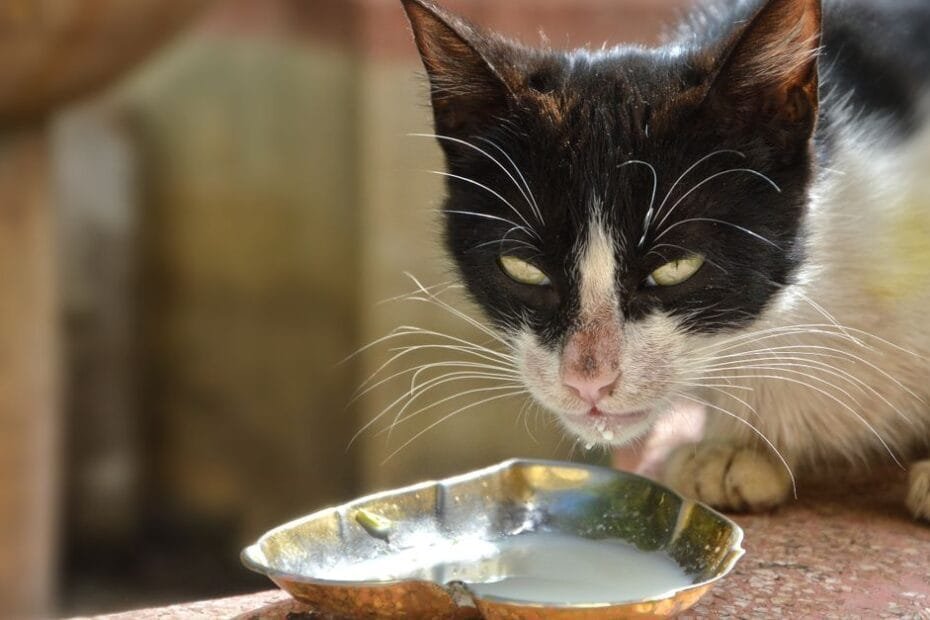
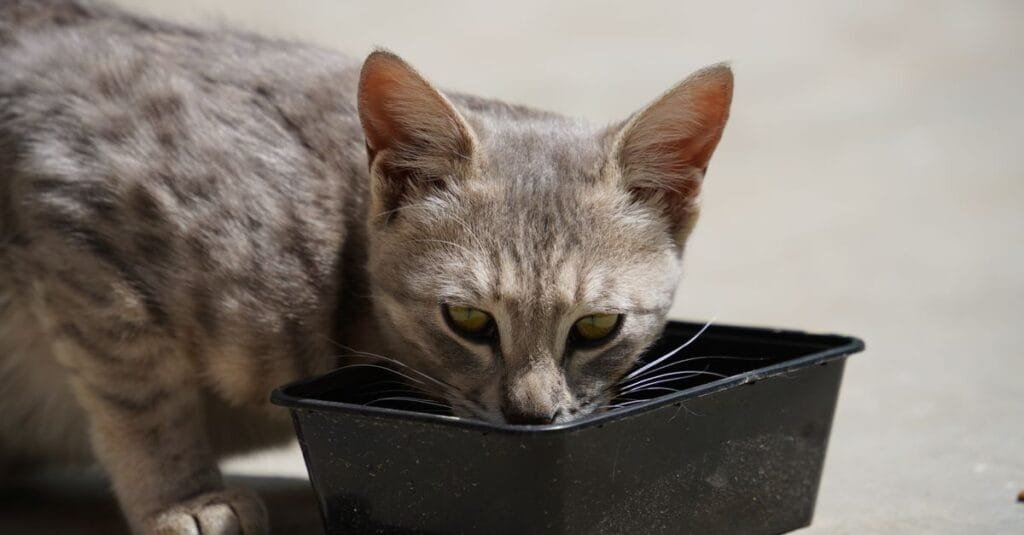
A cat drinking noticeably more water than usual is one of the most medically meaningful changes an owner can catch — because cats descend from desert hunters with famously LOW thirst drives, a cat camped at the water bowl is often reporting one of the big three: chronic kidney disease, diabetes, or hyperthyroidism — all common (especially past age seven), all far more manageable caught early, and all diagnosed with straightforward blood-and-urine work. The benign explanations exist too — a diet switch from wet food to dry roughly doubles bowl-drinking overnight, heat waves and dry winter air raise intake honestly, and fountains simply make drinking more fun — so this guide’s job is the triage: what counts as “too much,” how to actually measure it, which companion signs escalate the timeline, and why the answer to persistent increased thirst is always the same short sentence: call your vet this week, with your notes. This is an educational guide, not a diagnosis — the vet with the urine sample outranks every paragraph below.
This is the complete increased-thirst explainer: what normal feline drinking looks like (and how to measure yours), the benign-causes checklist to rule out first, the big three conditions in plain language with their companion signs, the other medical causes worth knowing, the vet-visit playbook (what they’ll test and what your notes should capture), and the hydration-management honesty for the cat whose drinking is healthy and just needs better plumbing.
Key Takeaways
- Cats are low-thirst desert descendants — a cat suddenly living at the water bowl is a signal, not a quirk.
- Normal is roughly 4 ounces per 5 pounds daily, LESS on wet food — measure by pouring a known amount and checking at 24 hours.
- Rule out the benign first: the dry-food switch, heat waves, dry winter air, and the new fountain’s novelty.
- The big three — kidney disease, diabetes, hyperthyroidism — are common past seven, and all manage far better caught early.
- Companion signs escalate: weight loss, appetite changes, more urine clumps, vomiting, or lethargy make it a this-week call.
- Increased thirst plus a male cat straining in the box is the emergency lane — that one doesn’t wait for morning.
What Normal Looks Like (And How to Measure Yours)
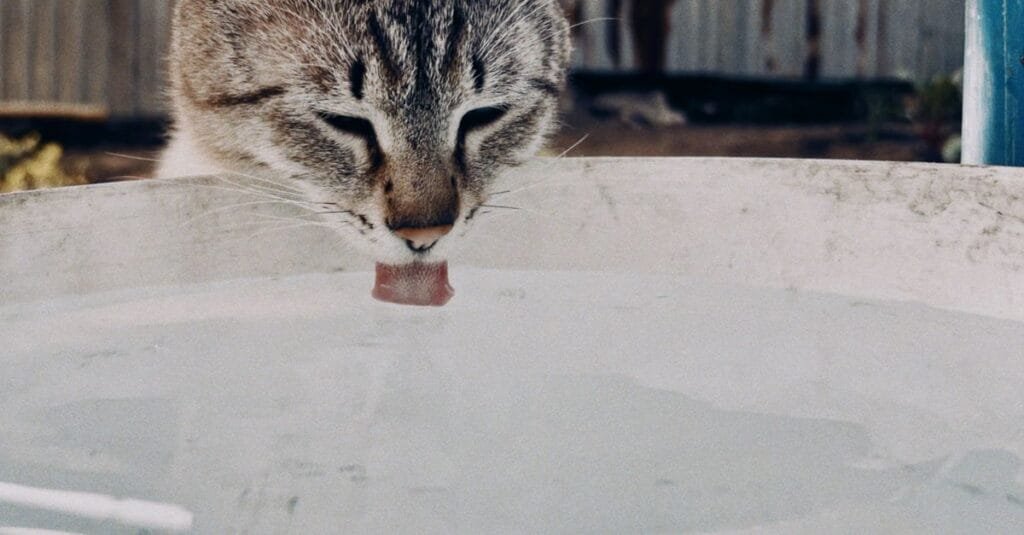
THE BASELINE: roughly 4 ounces per 5 pounds of cat per day from ALL sources — and the source matters enormously: wet-fed cats get most of their water inside the food (their bowl-drinking is naturally minimal), while dry-fed cats must drink openly, which is why the wet-to-dry diet switch is the single most common benign explanation for “suddenly drinking so much.”
Also Read
-
How to Remove a Tick From a Dog: The Grip, the Folklore Ban, and the Watch Window

-
How to Protect Dog Paws From Hot Pavement: The Seven-Second Test and Three Substitutions

-
How to Keep Dogs Cool in Summer: The Schedule, the Risk Tiers, and the Emergency Protocol

-
The Complete Pet Health Guide: Prevention, Warning Signs, and When to Call the Vet

THE MEASUREMENT PROTOCOL that turns worry into data: fill the bowl (or fountain reservoir) with a MEASURED amount each morning, check what’s gone at 24 hours (minus an evaporation guess — run a control bowl the cat can’t reach if you want precision), log it for four-or-five days, and note the multi-pet honesty: shared bowls hide individual intake, and the week of separated watering that answers “which cat” is worth the hassle exactly once.
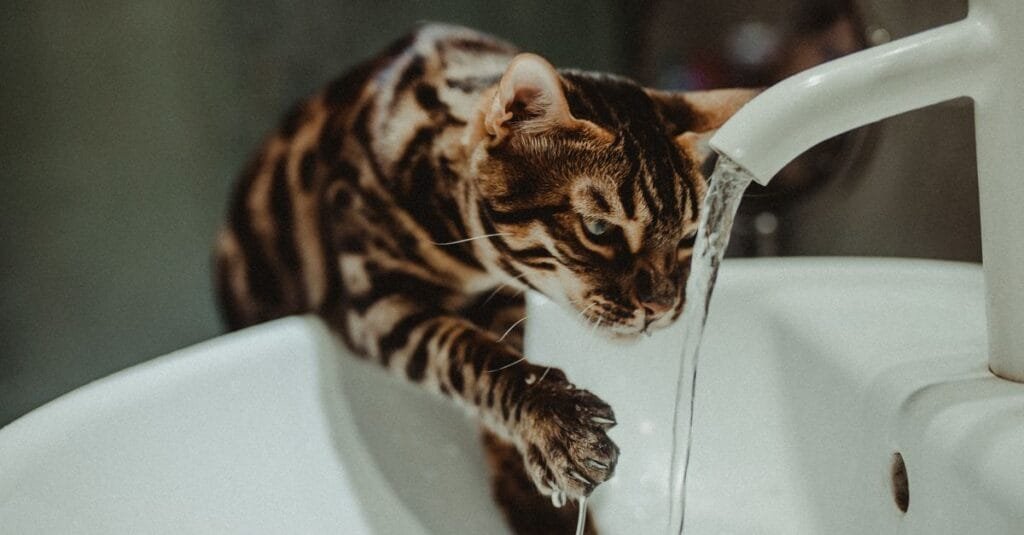
THE BEHAVIORAL TELLS that need no measuring cup: the cat NEWLY camped by the bowl, drinking sessions that run long and frequent, showing up at faucets and shower floors it never patronized, and — the flip side every water observation should include — the LITTER report: more and heavier urine clumps are increased thirst’s paired signal, and the daily scoop per the care loops is where most of these cases are actually first noticed.
Jackson Galaxy’s warning-signs briefing above frames exactly this guide’s thesis — cats hide illness, so the signals they can’t hide (thirst, litter, weight) do the talking, and increased drinking leads his list for good reason.
Rule Out the Benign First (The Checklist)
THE DIET SWITCH: wet-to-dry roughly doubles visible drinking overnight (normal, expected, and reversible — the nutrition pillar’s feline-hydration chapter is why many vets favor wet food for cats prone to urinary issues); THE WEATHER: heat waves and dry-heated winter air both raise honest intake — the summer guide’s cat paragraph and the radiator-season note apply.
THE NOVELTY EFFECT: a new fountain genuinely increases drinking for weeks (moving water is more appealing — that was the purchase’s whole point), as does a bowl relocation to a preferred spot; THE ACTIVITY-AND-LIFE-STAGE tier: play-heavy days, nursing queens, and growing kittens all drink more legitimately.
THE RULE-OUT RULE: benign causes explain a CHANGE with a matching story and a stable cat — if intake stays elevated past a couple of weeks without one of these stories, or if ANY companion sign below joins, the benign list retires and the phone comes out; and the one non-negotiable footnote: never restrict water to “test” it — whatever the cause, the thirst is real, and restriction turns a signal into a crisis.
The Big Three (In Plain Language)
CHRONIC KIDNEY DISEASE, the classic senior-cat diagnosis: failing kidneys stop concentrating urine, so the cat urinates dilute volumes and drinks to keep up — companion signs run weight loss, dull coat (the brush report), pickier appetite, and occasional vomiting — and the early-caught version, managed with diet and monitoring, routinely buys good years, which is the entire argument for acting on thirst before anything else shows.
DIABETES MELLITUS: blood sugar the body can’t use spills into urine and drags water with it — the classic picture is drinking-plus-urinating-plus-EATING more while LOSING weight (that combination is nearly diagnostic by itself), risk stacking with the overweight and indoor-sedentary tiers per the body-condition doctrine — and early cases, managed with diet and insulin, sometimes even remit.
HYPERTHYROIDISM, the senior cat’s revved engine: an overactive thyroid burns the metabolism hot — the ravenous cat losing weight anyway, often vocal, restless, occasionally with the unkempt-coat-and-racing-heart picture — thirst rides along, and treatment options run from daily medication to curative radioiodine; the “my old cat is so energetic and skinny” story that owners tell fondly is this disease often enough that vets wince at it.
The Rest of the List (And the Emergency Lane)
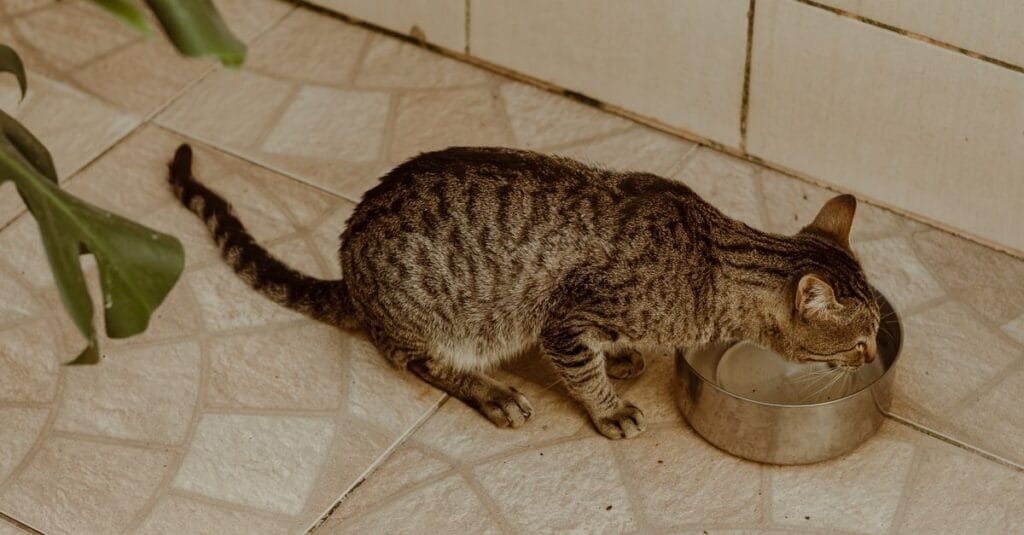
THE OTHER CAUSES worth naming: urinary-tract infections (often with straining or accidents — the litter-lapse rule that box changes are medical first), liver disease, some medications (steroids classically), and the less-common endocrine tier — all reachable by the same bloodwork the big three get, which is why the diagnostic path below is one visit regardless of which answer it finds.
THE EMERGENCY LANE, separated deliberately: increased thirst PLUS a male cat straining unproductively in the box is the urinary-blockage picture from the emergency-now list — hours matter, not weeks; likewise thirst with repeated vomiting, collapse, or a cat who then abruptly STOPS drinking — sudden swings in either direction are the acute tier, and the after-hours number exists for them.
THE MULTI-SIGNAL MATH that sets your timeline: thirst alone with a benign story = watch two weeks; thirst persisting past the stories = the this-week call; thirst plus ANY companion sign (weight, appetite, litter, energy, vomiting) = the this-week call moved to the front of the week; thirst plus the emergency lane = now. Writing the four dials down daily per the home health log is what makes these tiers legible instead of anxious.
The Vet Visit and the Healthy-Hydration Coda
WHAT THE VISIT LOOKS LIKE: history (your measured-intake notes and litter observations are the star exhibit — the phone log converts a vague worry into a workable case), exam and weight-trend check, and the blood-panel-plus-URINALYSIS pair that separates the big three cleanly — urine concentration is the kidney question’s first answer, glucose the diabetes flag, and the thyroid value its own line item in senior panels; bring the cat fasted if the clinic asks, in the conditioned carrier the how-to pillar trained for exactly this errand.
THE COST-AND-COURAGE NOTE, because it delays real cases: the workup is one of veterinary medicine’s cheaper investigations, all three major answers are MANAGEABLE conditions with good early-caught trajectories, and the fear that keeps the appointment unbooked is buying the expensive late version of whichever answer it is — the health pillar’s prevention economics, at their sharpest.
THE HEALTHY-CAT CODA, for the reader whose workup comes back clean: celebrate, then optimize — the fountain for the drinking-is-boring tier, bowls wide and whisker-friendly, water stations separated from food per feline preference, wet food’s moisture doing kidney insurance per the nutrition pillar, and the measured-intake habit retired to a quarterly spot-check — because the owner who measured once can measure again, and the next change gets caught in days instead of months.
Frequently Asked Questions
Why is my cat drinking so much water?
Rule out the benign first: a wet-to-dry diet switch (roughly doubles bowl drinking), heat waves, dry winter air, or a new fountain’s novelty. Persisting past those stories, increased thirst most often flags kidney disease, diabetes, or hyperthyroidism — all common past age seven, all far better caught early. Call your vet with your notes.
How much water should a cat drink per day?
Roughly 4 ounces per 5 pounds of body weight from all sources — and wet-fed cats drink visibly little because the food carries the water. Measure by pouring a known amount each morning and checking at 24 hours for four-or-five days.
What are the signs of kidney disease in cats?
Increased thirst and urination lead, with weight loss, dull coat, picky appetite, and occasional vomiting riding along — classic in seniors. Early cases managed with diet and monitoring routinely buy good years, which is why acting on thirst alone is the right call.
When is cat thirst an emergency?
Thirst plus a male cat straining unproductively in the litter box (urinary blockage — hours matter), thirst with repeated vomiting or collapse, or a sudden swing to not drinking at all — those go to the vet or ER now, not this week.
What will the vet do for increased thirst?
History (bring your measured-intake and litter notes), exam and weight trend, then blood panel plus urinalysis — the pair that cleanly separates kidney, diabetes, and thyroid answers in one visit. It’s one of the cheaper workups in the building, and every major answer manages best caught early.
Should I limit my cat’s water?
Never — whatever the cause, the thirst is real, and restriction turns a signal into a crisis. Offer freely, measure honestly, and let the vet find the reason.
The Litter-Box Half of the Diagnosis
THE URINE AUDIT that pairs with every thirst observation: clump COUNT per day (the normal cat runs two-to-four; the polyuric cat’s box fills fast), clump SIZE (saucer-sized monoliths are dilute-urine flags), and the scoop-time habit from the care loops doing the data collection for free — vets diagnose from litter reports more often than owners expect, and “three days of clump counts” is a sentence that upgrades any appointment.
THE ACCIDENT SIGNAL: the reliably-boxed cat urinating outside the box while drinking heavily is a doubled flag (volume overwhelming habit, or discomfort redirecting it) — the medical-first rule for litter lapses applies at full strength, and the punishment-never rule doubles: the accident is the report, and the reporter isn’t the problem.
THE SENIOR-PANEL PITCH this post quietly makes: cats past seven earn the annual bloodwork-and-urinalysis baseline BEFORE the thirst changes — the trend line that makes next year’s numbers meaningful — per the health pillar’s twice-yearly senior doctrine; the cheapest version of every disease in this guide is the one found on a routine panel.
The Kitten-and-Young-Cat Exception
The age caveat that prevents overcorrection: kittens and adolescents drink variably and dramatically (growth, play bursts, dry-kibble diets), the big three are overwhelmingly diseases of the middle-aged and senior tiers, and the young cat’s water enthusiasm reads through the same benign checklist with a calmer clock — the measured week and the four dials still apply; the this-week urgency mostly doesn’t, absent companion signs.
The Bottom Line
Know the desert-cat baseline, measure instead of wondering, rule out the diet-weather-fountain stories, and treat thirst that persists — or brings companions — as the this-week call it is: the big three are common, manageable, and cheapest at exactly the moment the water bowl is trying to tell you about them.
The multi-cat postscript: shared households diagnose by separation — the week of individual water stations that identifies WHICH cat, the litter attribution trick (a spoon of non-toxic marker discussed with your vet, or simply separate-room nights), and the reminder that one cat’s medical thirst can hide behind another’s healthy drinking in a shared bowl for months — the plus-one resource math earns its keep here too, because separate stations aren’t just diplomacy; they’re diagnostics.
Cats hide almost everything. The water bowl is one of the few places they can’t — so believe it the first time.

Hello! I'm Khan Hisham, a dedicated student with a profound passion for enhancing the lives of pets through comprehensive care. At Pawspera, our mission—"Prospering Pets, Every Day"—drives everything we do. We are committed to providing the latest insights, tips, and products that ensure your pet's health and happiness. Join us at Pawspera as we explore innovative ways to care for our furry friends with love and dedication.