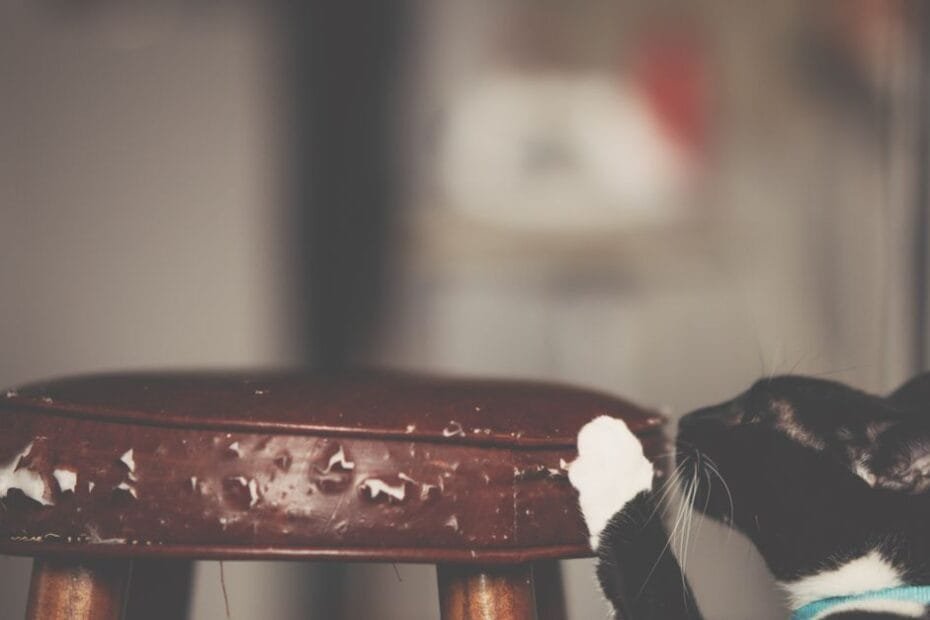
Stopping a cat from scratching furniture is never about stopping the scratching — it’s a REROUTE: scratching is hardwired maintenance (claw-sheath shedding, shoulder stretching, and scent-marking territory), so the fix is a better offer placed at the crime scene — a taller, sturdier, correctly-textured scratcher DIRECTLY BESIDE the couch corner the cat already chose — plus the couch made temporarily boring (the sticky-tape or blanket interim), the new post paid like a slot machine, and the claws maintained so every scratch does less damage. The two moves that fail every time they’re tried: punishment (the spray bottle teaches ambush-timing, not furniture ethics) and declawing — which is amputation, not a manicure, is banned in much of the world, and trades a couch corner for a lifetime of documented pain and behavior risks; no couch is worth it, and this guide’s whole system costs less than one cushion.
This is the complete scratching fix: why cats scratch (and why yours chose the couch), the scratcher specs that get used (height, stability, texture, and orientation read from the cat’s own behavior), the placement law that beats every hidden-corner instinct, the transition protocol (make the couch boring, make the post paycheck), claw maintenance and the soft-caps question, the multi-cat math, and the declaw paragraph every cat site owes its readers.
Key Takeaways
- Scratching is maintenance, not misbehavior: claw-shedding, stretching, and scent-marking — reroute it, never fight it.
- The post goes BESIDE the crime scene — the cat chose that spot for territorial reasons a hallway post can’t serve.
- Specs that get used: taller than a full stretch, heavy enough not to wobble, sisal-or-cardboard textured, matched to your cat’s angle.
- The couch goes boring (tape or blanket) only while the post gets paid — deterrent without alternative just moves the damage.
- Nail trims every few weeks halve the damage of every scratch that still happens.
- Punishment teaches stealth; declawing is amputation — neither is on the menu.

Why Cats Scratch (And Why Yours Chose the Couch)
THE THREE FUNCTIONS: claw MAINTENANCE (the outer sheath sheds against resistance — the husks you find near the post are the system working), the full-body STRETCH (shoulders and spine loading against a planted grip — the yoga the couch corner provides), and TERRITORY (paw pads deposit scent, and the shredded texture is a visual flag) — three jobs, none optional, all needing a legal address.
Also Read
-
How to Crate Train a Dog: The Four Stages, the Whining Tree, and the Physiology Table
-
Back to School With Pets: The Two-Week Taper, the Alone-Time Rebuild, and the Distress Line

-
The Complete Dog & Cat Training Guide: Positive Reinforcement That Works

-
Best Dog Doorbells 2026: Potty Bells & Buttons That Actually Work

THE COUCH’S QUALIFICATIONS, read like a cat: it’s TALL enough for a full vertical stretch, absolutely STABLE (the spec most posts fail), wrapped in a grippy woven texture, and parked in the social room where territory-marking matters most — the couch corner is, by every feline metric, a superb scratching post that happens to cost twelve hundred dollars; the fix is offering something that beats it on the same scorecard.
THE ANGLE READ that picks your product: the wall-and-couch-arm scratcher wants VERTICAL (a post or the tree’s sisal legs), the carpet-and-doormat scratcher wants HORIZONTAL (the flat cardboard tier), and the door-frame leaner wants the angled ramp — watch one day, buy accordingly, and the behavior hub’s reroute doctrine does the rest.
The cat behaviourist’s scratching guide above runs the same offer-better-real-estate logic — his stability demonstration alone explains half the abandoned posts in the country.
The Scratcher Specs (What Actually Gets Used)
HEIGHT: taller than the cat’s full vertical stretch — around 30-plus inches of scratchable surface for an average adult — because the post that ends mid-stretch fails the yoga function and the cat returns to the couch that doesn’t; STABILITY, the make-or-break spec: a wide, heavy base that survives a full-weight two-paw lunge without a wobble — one tip-over writes the post off for months, which is why the bargain-bin lightweights become expensive by never being used.
TEXTURE: SISAL rope or sisal fabric leads the vertical tier (resistance that shreds satisfyingly), corrugated CARDBOARD owns the horizontal tier (cheap, replaceable, beloved), carpet-wrapped posts sit last (they teach that carpet-texture is legal — the mixed message your rugs will bill you for), and bare wood serves the outdoor-cat memory some indoor cats carry.
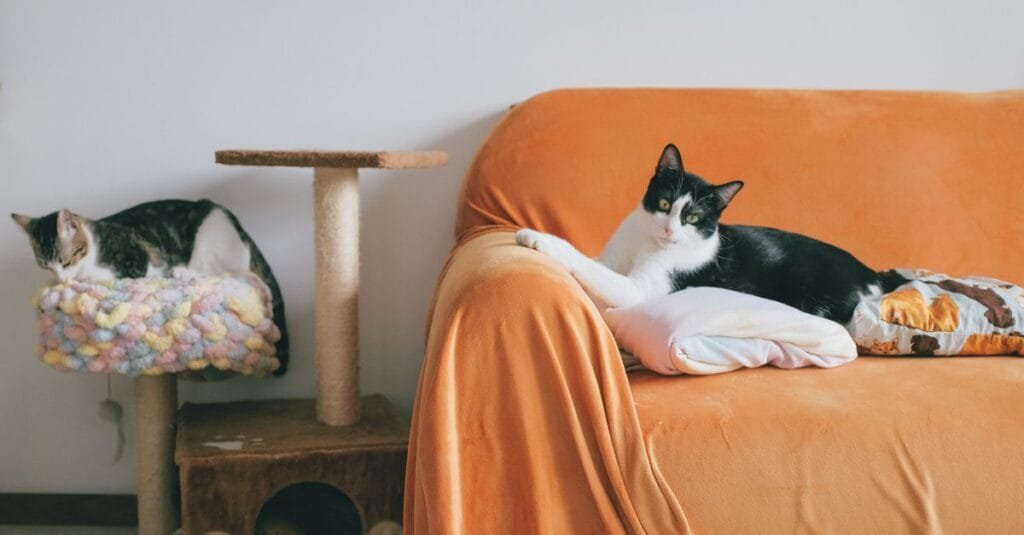
THE PORTFOLIO ANSWER most homes land on: one tall sisal post at the couch, one flat cardboard in the second social room, and the tree’s built-in surfaces covering the vertical map — per the resource math, scratchers count as a duplicated resource in multi-cat homes: cats-plus-one, spread apart, because a guarded post reroutes nothing.
The Placement Law and the Transition Protocol
PLACEMENT: the new post goes DIRECTLY BESIDE the damaged corner — not the hallway, not the basement, not where it matches the decor — because the cat chose that location for social-territorial reasons the post must inherit; after a month of solid use it can migrate a foot a week toward a compromise position, and the second post covers wherever the cat’s map says next.
THE COUCH GOES BORING, temporarily: double-sided sticky tape on the attacked panels (cats hate tacky paws), or the tucked-blanket and vinyl-guard interim — deployed ONLY alongside the paid alternative, because deterrent without a better offer just relocates the damage to the next-best corner — and removed once the post owns the habit, which is the difference between a treatment and a lifestyle.
THE PAYCHECK PROTOCOL: the post seeded with catnip or silvervine, the wand-toy game run UP the post (paws landing on sisal mid-hunt is how cats discover texture — never carry the cat over and plant its paws, which teaches avoidance), and every observed scratch paid slot-machine style for the first weeks per the engine — most cats convert inside a fortnight when the geometry, texture, and paycheck all agree.

Claw Maintenance and the Soft-Caps Question
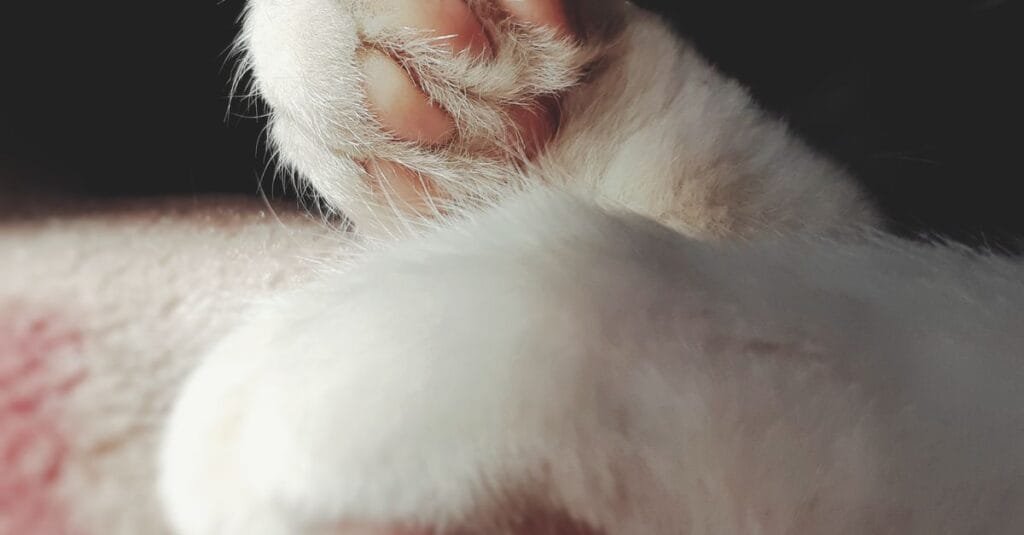
THE TRIM ECONOMY: nails trimmed every two-to-three weeks blunt the tips that do the shredding — halving the damage of every scratch that still happens during the transition — using the extend-and-clip technique from the grooming pillar’s cat chapter (gentle pad pressure, clear tips only, sessions that end before the tail votes), built on the paw-handling deposits the cooperative-care doctrine banked.
THE SOFT-CAPS TIER: the glue-on vinyl nail caps are a legitimate interim for high-stakes situations (the rental inspection, the immunocompromised household) — humane when sized and applied right, replaced every four-to-six weeks as nails grow, tolerated variably by temperament — and honestly framed as management-while-training rather than the solution: capped cats still scratch (the motion satisfies), which is exactly why the reroute still runs underneath.
THE SENIOR FOOTNOTE from the grooming pillar, repeated because it presents as a scratching change: the older cat who STOPS scratching (or whose claws overgrow into the pads) is reporting stiffness or thickened-claw aging — a call-tier item, and the trim cadence tightens with age.
The Declaw Paragraph and the Whole-Home System
DECLAWING, stated plainly for every reader the search engines send here: onychectomy amputates the last bone of each toe — it is not a nail removal — carries documented chronic-pain, litter-avoidance, and biting-escalation risks, is banned or heavily restricted across much of the world and a growing list of North American jurisdictions, and is opposed by major veterinary organizations except in rare medical cases; every function this guide reroutes is why the surgery fails cats even when it saves couches — and the reroute saves both.
THE WHOLE-HOME AUDIT that closes the case: scratchers at the social hotspots, the perch-and-tunnel territory reducing the marking pressure generally, the play budget spent (the under-exercised adolescent scratches recreationally — the unspent-invoice rule again), and the fabric note for the next furniture purchase: tight-weave microfiber and leather read as poor scratching real estate in a way loose woven tweed never will — the couch after this one gets chosen with feline specs in mind.
THE TIMELINE PROMISE, for the reader mid-crisis: geometry-texture-placement-paycheck converts most cats in one-to-three weeks, the tape comes off within a month, and the post beside the couch becomes furniture nobody photographs — which is the quiet win condition of every behavior fix on this site: the problem stops being a story.
Frequently Asked Questions
How do I stop my cat from scratching the couch?
Reroute, don’t fight: put a tall, heavy, sisal post DIRECTLY beside the attacked corner, make the couch temporarily boring (double-sided tape or a tucked blanket), pay every post-scratch like a slot machine, and trim nails every few weeks. Most cats convert in one-to-three weeks.
Why does my cat scratch furniture when it has a post?
Usually the post fails a spec: too short for a full stretch, wobbly (one tip-over writes it off), wrong texture (carpet posts confuse; sisal wins), or wrong location — the hallway post can’t serve the social-room territory function the couch corner does. Fix the spec, move it beside the crime scene.
Does the spray bottle work for scratching?
No — punishment teaches ambush-timing (scratch when the human’s out) and associates you with the ambush, not the couch with the crime. Deterrents work only as passive surface treatments (tape) deployed beside a paid alternative.
Are nail caps cruel?
Applied and sized correctly, no — they’re a humane interim for high-stakes situations, replaced every four-to-six weeks, tolerated variably by temperament. Frame them as management-while-training: capped cats still scratch, so the reroute runs underneath.
Should I declaw my cat?
No — declawing amputates the last bone of each toe, carries documented chronic-pain, litter-avoidance, and biting risks, is banned across much of the world, and is opposed by major veterinary organizations outside rare medical cases. The reroute system costs less than a cushion and saves both cat and couch.
What’s the best scratching post?
Taller than your cat’s full stretch (30+ inches of surface), a base heavy enough to survive a two-paw lunge without wobble, sisal for vertical scratchers and corrugated cardboard for horizontal ones — matched to the angle your cat already prefers, placed where the cat already scratches.
The Repair-and-Protect Tier (While the Reroute Runs)
THE DAMAGE TRIAGE on the existing couch: pulled woven threads snip flush rather than pull (pulling runs the snag), the upholstery hook-needle tucks the salvageable loops, leather scratches respond to conditioner-and-balm kits at the shallow tier, and the honest verdict that scratched arms photograph worse than they feel — most couches survive the transition month with dignity intact.
THE PROTECT-WHILE-TRAINING inventory: the clear vinyl corner guards (invisible at three feet, removable later), the fitted arm covers that convert the attack surface to boring fabric, the tucked-blanket interim — all deployed WITH the paid post per the standing law, all removed at graduation; the household that leaves guards up forever never finds out the training worked.
THE FURNITURE-SHOPPING footnote for the next purchase: performance-weave and microfiber read as poor scratching real estate (no loops to hook), leather scratches but doesn’t shred and patinas honestly, tight-woven twills beat bouclé and tweed by a mile — and the showroom test is running a fingernail across the swatch: if it catches threads, so will claws, and the cat has more nails and more hours than you do.
The Apartment-and-Rental Addendum
Renters run this guide with the deposit as the deadline: the vinyl guards and arm covers deploy day one (protection before training completes), the tall post budget survives by the doorway-tension-pole tier where floor space is tight, and the move-out honesty — the fingernail-catch test on the NEXT apartment’s furniture happens at the viewing, because the reroute system travels but the bouclé loveseat that came furnished does not.
The Bottom Line
Read the angle, buy the spec, park it beside the crime scene, bore the couch while the post pays out, keep the nails blunt, and leave punishment and surgery off the menu entirely — scratching was never the problem; the real estate was, and the listing just improved.
The special-case appendix: THE NEW-CAT household runs this guide preemptively (the post beside the couch BEFORE the first scratch writes the habit right the first time — the adoption week’s cheapest insurance), THE KITTEN version is pure opportunity (kittens imprint scratching surfaces early — the sisal post used at twelve weeks is preferred for life), and THE SUDDEN-CHANGE case reads medically: the cat who abruptly starts scratching NEW surfaces everywhere, or stops using a beloved post, is reporting stress or stiffness per the standing behavior-change doctrine — the territory audit (new pet? new furniture? outside cats at the window?) and the vet question both come before more sisal.
The cat isn’t destroying your couch. It’s maintaining its equipment on the best surface you’ve provided — so provide a better one, one foot to the left.

Hello! I'm Khan Hisham, a dedicated student with a profound passion for enhancing the lives of pets through comprehensive care. At Pawspera, our mission—"Prospering Pets, Every Day"—drives everything we do. We are committed to providing the latest insights, tips, and products that ensure your pet's health and happiness. Join us at Pawspera as we explore innovative ways to care for our furry friends with love and dedication.