
Nothing tests the human-cat relationship quite like the morning doorstep delivery: one (1) former mouse, presented with evident pride by a cat who clearly expects gratitude.
Horrifying? A little. An insult? Not at all. In cat language, that grisly little package is somewhere between a trophy, a tribute, and a homework assignment — and it says more about how your cat sees you than almost anything else they do.
Quick answer: Cats bring home dead (or alarmingly alive) animals because they’re instinctive hunters whose drive to catch prey runs separately from hunger — and home is their safe territory, where valuable catches get carried. The behavior blends deep instincts: securing prey somewhere safe, the maternal drive to provision family with food and “teach” hunting, and sharing resources with their social group — you. It’s natural and, in its way, affectionate. You can reduce the body count with more play, meat-rich feeding, a bell collar, and dawn/dusk curfews.
Also Read
-
Puppy Teething: The Timeline, the Frozen Tier, and the Ten Thousand Trades

-
How to Socialize a Kitten: The Window, the Food Rule, and the Checklist

-
How to Stop a Cat Scratching Furniture: The Reroute, the Placement Law, and the Specs

-
How to Crate Train a Dog: The Four Stages, the Whining Tree, and the Physiology Table

Key Takeaways
- Hunting is hardwired and separate from hunger — a well-fed cat still stalks; catching and eating are different programs.
- Home is the safe larder: valuable prey gets carried to secure territory, which happens to be your kitchen.
- The “gift” likely blends provisioning instinct, security, and social sharing — mother cats deliver prey to teach kittens, and you’re family.
- It’s not a sign your cat thinks you’re starving (probably) — but it is a sign you’re inside their trusted circle.
- Reduce it kindly: daily hunt-style play, meat-rich meals, a bell or bright collar, and indoor time at dawn/dusk.
- Never punish the delivery — and check live “gifts” and your cat for injuries; some catches warrant a vet or wildlife rescue call.
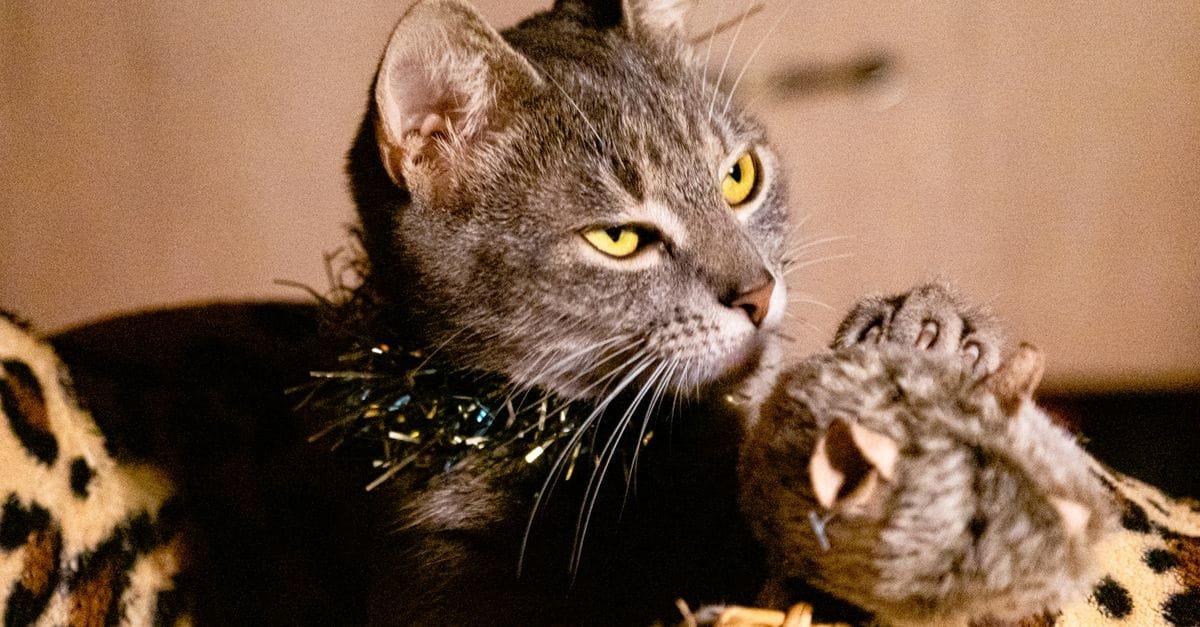
Why Do Cats Hunt When They’re Not Hungry?
Here’s the key fact that explains everything: in cats, the hunting sequence and appetite run on separate circuits.
The stalk-pounce-catch program is triggered by movement, sound, and opportunity — not by an empty stomach. Evolution built it that way for good reason: small prey are tiny meals that fail often, so a cat that only hunted when hungry would starve. The winning strategy was: catch whenever catchable, eat as needed.
Your pampered indoor-outdoor cat ships with that exact firmware. Kibble in the bowl doesn’t switch it off — it just means the catch becomes surplus.
And surplus prey needs somewhere to go. Which brings us to your doormat.
Why Bring It HOME, Though?
Several instincts converge on the same delivery address:
Home is the safe zone. Out in the open, a catch can be stolen by rivals or larger predators. Carrying prey back to secure core territory — your house — is textbook feline resource protection. Researchers note this “safe larder” drive as a leading explanation, as Live Science’s review of the behavior lays out.
The provisioning program. Mother cats famously bring prey back for kittens — first dead, then injured, teaching hunting step by step. Spayed females and plenty of males run pieces of this program too; some behaviorists suggest your cat may be provisioning (or educating) the big clumsy family member who never catches anything: you.
Social sharing. Cats in social groups share resources and scent. Depositing a catch in the shared den — occasionally on your literal pillow — reads as bringing the win back to the family. Charming, in a very metal way.
Unfinished business. Sometimes the answer is simpler: the mouse stopped being fun (stopped moving) mid-game, and your cat lost interest at the door. Not every delivery is a gift; some are abandoned toys.
Is It Really a “Gift”? What Your Cat Might Mean
Honest answer: we can’t interview cats, and experts hold a few overlapping interpretations — veterinarian Dr. Lindsay Butzer (video above) walks through the main ones.
What the interpretations agree on matters more than where they differ: the behavior is directed at their trusted inner circle, in their safest place. Cats don’t carry hard-won prey into territory they fear, and they don’t provision strangers.
So whether your cat is stocking the pantry, teaching a hopeless hunter, sharing with family, or showing off — the delivery lands in the same emotional category as headbutts and lap purring: behaviors reserved for creatures they consider theirs.
The polite response: calm appreciation (a neutral “thank you”), discreet disposal when the cat isn’t watching, and absolutely no screaming — more on why below.
Why Do Cats Bring LIVE Animals Inside?
The deluxe nightmare edition: a very alive bird now touring your living room. Why?
Remember the maternal teaching program: mother cats escalate from dead prey to injured or live prey so kittens can practice finishing the job. A cat releasing a live mouse at your feet may be running exactly that lesson plan — class is in session, student: you.
Alternatively, the prey was being carried somewhere safe to be dealt with at leisure, and escaped in transit. Cats often prefer processing a catch in their secure zone rather than out in the open.
Either way, the practical protocol: close interior doors to contain the guest, put the cat in another room (they will “help” otherwise), open an exit path or drop a towel gently over the animal, and release it outside away from the cat’s patrol routes. Wear gloves; wild animals bite, scratch, and carry things you don’t want.
An animal that’s visibly injured deserves a call to a local wildlife rescue rather than a doomed backyard release.
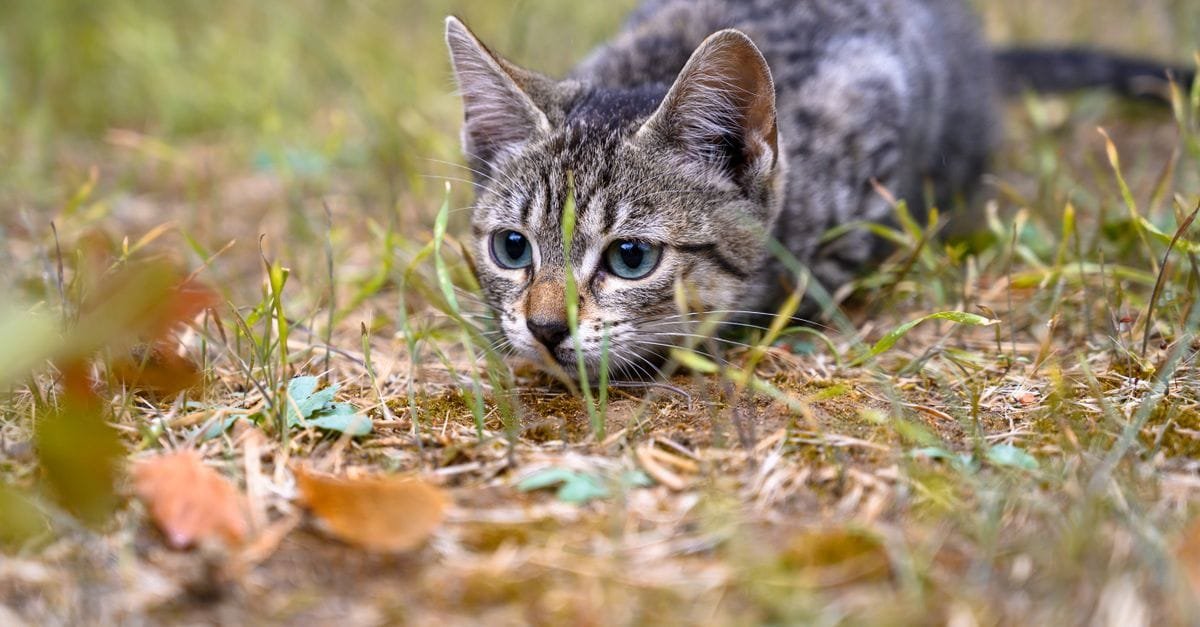
How Do You Reduce the Deliveries? (The Kind Playbook)
You can’t delete the hunter — but you can redirect and blunt it substantially:
1. Schedule the hunt indoors
The single best lever: one or two daily play sessions that run the full hunting sequence — stalk, chase, pounce, “kill.” A wand toy that moves like prey (erratic, hiding behind furniture, freezing) beats any laser dot, because it lets the cat actually catch something. End every session with the catch + a treat — the complete cycle satisfies the drive.
2. Feed the hunter better
Research on outdoor cats has found that meat-rich diets and daily object play measurably reduced prey brought home — a gentler, more effective approach than confinement alone. Puzzle feeders that make dinner a hunt help the same instinct spend itself indoors.
3. The bell (and the bib)
A quick-release collar with a bell cuts hunting success significantly; bright-colored collar covers do too, especially for birds who spot the fashion statement coming. Always quick-release/breakaway for safety.
4. Curfew the killing hours
Dawn and dusk are prime prey time. Keeping the cat in during those windows — and overnight — removes the richest hunting shifts while barely denting outdoor enjoyment.
5. Consider the bigger transition
Many owners eventually shift to indoor-plus — catio, harness walks, window perches with drama to watch. Done with enough enrichment, it’s safer for cat and songbird alike; done without enrichment, it just relocates frustration. Enrichment first, always.
Redirect the hunter — reader favorites on Amazon:
What Should You Never Do About Prey Gifts?
Never punish the delivery. Yelling or punishing a cat mid-presentation teaches exactly one lesson — the human is unpredictable around my catches — and produces cats who hide prey instead. Behind the sofa. Discovered in August. By smell.
Don’t snatch dramatically. Calm, boring removal (ideally when the cat has moved on) avoids turning disposal into a resource-guarding game.
Don’t chase the cat carrying prey — you’ll trigger keep-away, and the prey tours more of the house at speed.
Don’t assume the behavior means hunger. Doubling dinner won’t stop a drive that isn’t about food — though the right food (see above) genuinely helps.
Don’t skip the health beat: cats who hunt need consistent parasite prevention (prey is the classic delivery route for worms), and any cat who seems injured after an outdoor adventure gets checked. As always: education here, diagnosis at your vet’s.
Which Cats Bring the Most “Gifts”?
Females — including spayed females — often lead the leaderboard, which fits the maternal provisioning theory: the bring-food-home program runs deepest in the cats built to teach kittens.
Access is destiny: outdoor and indoor-outdoor cats deliver most, for obvious supply-chain reasons. Indoor cats run the identical program with toy mice, socks, and the occasional captured spider — same ceremony, better outcomes.
Young adult cats in their athletic prime out-deliver seniors, and some individuals are simply born specialists — littermates can differ wildly.
Breed tendencies exist too: active hunting lines (many shorthairs, Bengals, Siamese-family cats) tend to be more prolific than the famously mellow breeds.
If your indoor cat solemnly delivers a toy mouse to your bed each night: same instinct, zero casualties — accept the tribute with honor.
What About the Wildlife Side of This?
A fair topic to touch honestly: free-roaming cats collectively take a real toll on birds and small wildlife, which is why organizations like Cats Protection pair their behavior explainers with prevention advice.
The good news is that the kind playbook above — play, diet, bells, curfews — is the same toolkit conservation researchers recommend, because it reduces hunting success without punishing the cat.
Dawn/dusk curfews alone protect the most vulnerable species at their most active hours; a bright collar cover adds bird-specific protection.
Nobody has to choose between loving cats and loving songbirds — the middle path is well-marked.
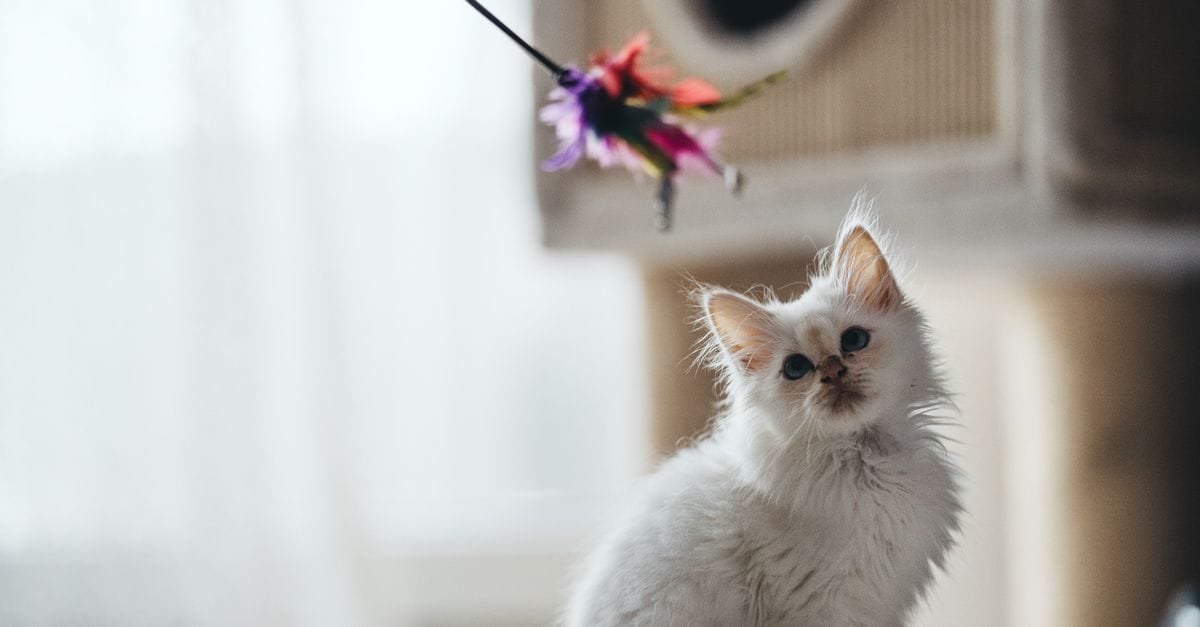
Decoding the Delivery: A Quick Field Guide
Dead prey, neatly placed at door/bed: the classic — safe-larder plus family-sharing instincts. You’re trusted. Congratulations, sort of.
Live prey, released indoors: the teaching edition — or an escape in transit. Contain, evict, don’t grade yourself on the lesson.
Prey eaten, leftovers displayed: dinner happened; the remainder is stored in the safe zone (your rug). Less tribute, more pantry.
Toy mouse ceremonially delivered nightly: the full ritual, indoor edition — often with announcing meows en route (that particular yowl-with-toy is its own famous behavior). Pure instinct, zero victims.
Sudden hunting obsession or sudden stop: any big behavior change — either direction — earns a vet conversation, especially in a senior cat.
The pattern across the whole guide: read the instinct, meet it indoors, blunt it outdoors — and take the compliment buried in the horror.
Frequently Asked Questions
Why do cats bring you dead animals?
Because hunting is instinctive and separate from hunger, and valuable catches get carried to safe territory — home. Layered on top are the maternal provisioning instinct (bringing food to family, as mother cats do for kittens) and social sharing with their trusted group, which includes you.
Is my cat giving me a gift or teaching me to hunt?
Experts hold both interpretations, and they overlap: mother cats deliver prey to provision and teach kittens, and your cat may be running that family-directed program at you. Either way, the behavior is reserved for their trusted inner circle — it’s affiliative, not hostile.
Why does my cat bring me live animals?
Often the “teaching” stage of the provisioning instinct — mother cats bring live prey so kittens can practice — or simply a catch carried home to be dealt with in safety that escaped in transit. Contain the animal calmly, remove the cat from the room, and release the guest outside (gloves on).
Should I punish my cat for bringing dead animals?
No — punishment doesn’t touch the instinct and teaches cats to hide prey instead, which ends badly for your furniture. Respond neutrally, dispose discreetly, and redirect the drive with daily hunt-style play, better feeding, a bell collar, and dawn/dusk curfews.
How do I stop my cat from killing birds and mice?
Stack the humane levers: one or two full hunting-sequence play sessions daily, a meat-rich diet and puzzle feeding (both shown to reduce prey brought home), a breakaway bell or bright collar cover, and keeping the cat in at dawn, dusk, and overnight — the peak hunting hours.
Why does my indoor cat bring me toys?
Same program, safer props: the catch-and-carry-to-family instinct runs whether the “prey” is a mouse or a felt fish, often complete with the special announcing yowl. Accept the tribute — it’s the full compliment with none of the cleanup.
Do female cats bring more dead animals than males?
Often yes — including spayed females — which supports the maternal provisioning explanation, since the bring-food-home-and-teach program runs strongest in mother-cat wiring. Individual personality and outdoor access still matter more than any single factor.
The bottom line
The doorstep mouse is instinct wearing a bow: hunt because movement, carry because safety, deliver because family. Say a dignified thank-you, dispose like a diplomat, and spend the instinct where it belongs — on a wand toy at 7 p.m. instead of a songbird at dawn. Your cat thinks you’re worth providing for; the least we can do is take the compliment.

Hello! I'm Khan Hisham, a dedicated student with a profound passion for enhancing the lives of pets through comprehensive care. At Pawspera, our mission—"Prospering Pets, Every Day"—drives everything we do. We are committed to providing the latest insights, tips, and products that ensure your pet's health and happiness. Join us at Pawspera as we explore innovative ways to care for our furry friends with love and dedication.