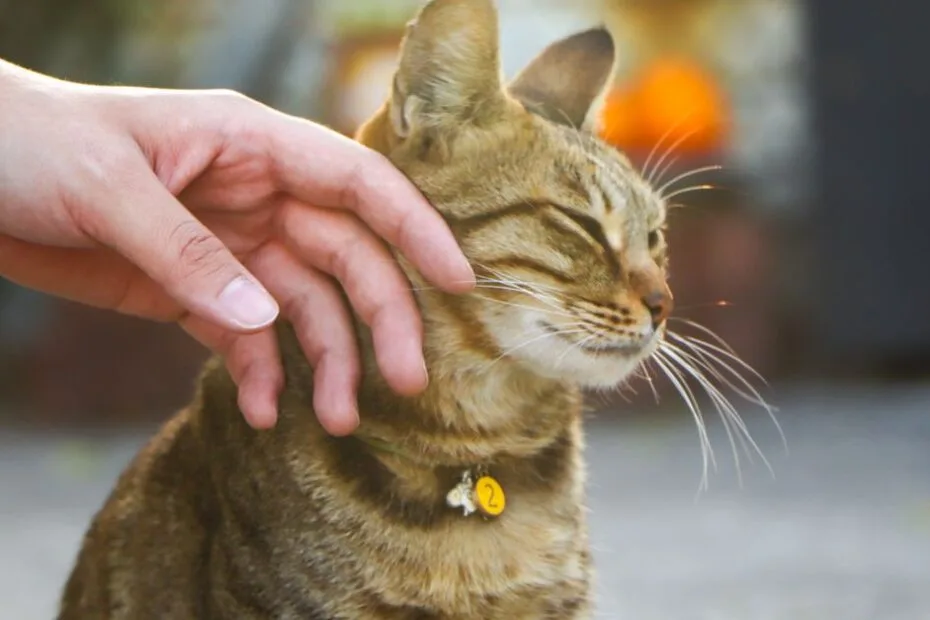
Cats purr mainly to communicate contentment — but not only that. They also purr to self-soothe when stressed or in pain, to ask for food and attention, and possibly to help their bodies heal. So a purr isn’t a guaranteed “I’m happy.” Here’s what your cat is really telling you.
Key Takeaways
- Purring usually means contentment — but not always.
- Cats also purr to self-soothe when anxious, unwell, or in pain.
- The “solicitation purr” is how cats ask you for food and attention.
- Purr frequencies may even support healing, one leading theory suggests.
- Read the whole cat — body language tells you which purr it is.
Why do cats purr?
Purring is one of the most soothing — and misunderstood — sounds in the animal world.
Most of the time, a cat purrs because it feels calm, safe and content: curled on your lap, being stroked, or dozing in the sun.
Also Read
-
How to Socialize a Kitten: The Window, the Food Rule, and the Checklist
-
How to Stop a Cat Scratching Furniture: The Reroute, the Placement Law, and the Specs

-
How to Crate Train a Dog: The Four Stages, the Whining Tree, and the Physiology Table

-
Back to School With Pets: The Two-Week Taper, the Alone-Time Rebuild, and the Distress Line

But purring is really a form of communication and self-regulation, which is why cats also purr in situations that are anything but happy.
The short “Ask a Vet” clip below from Banfield Pet Hospital is a great overview.
How do cats purr?
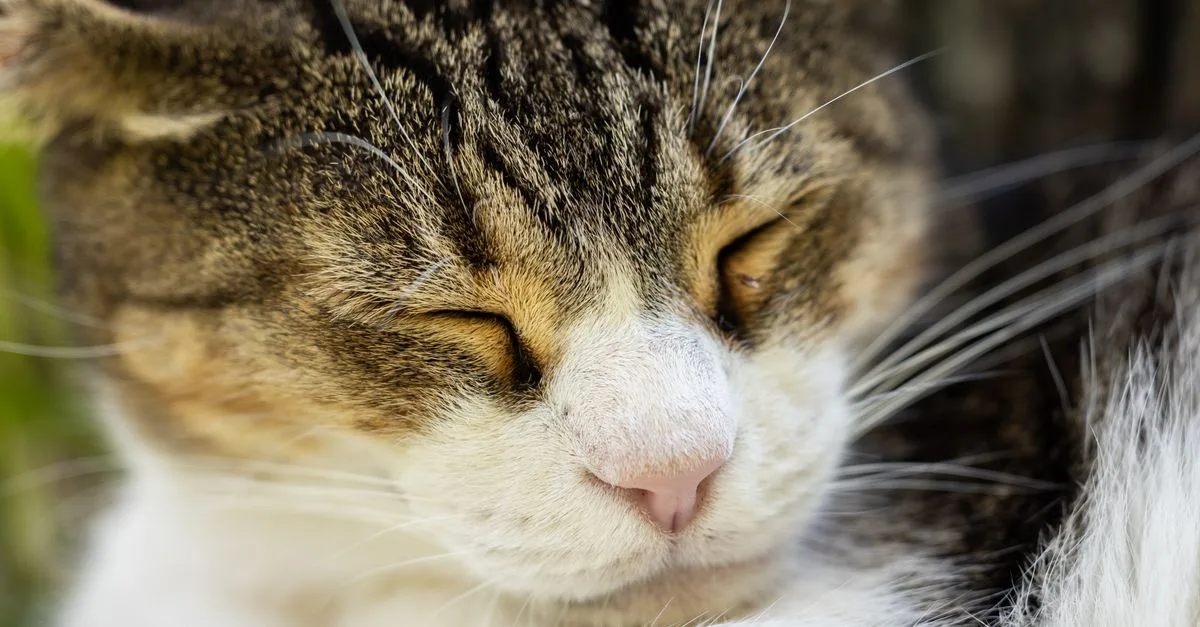
The mechanism is surprisingly clever.
Signals from the brain cause the muscles of the voice box to twitch rapidly, opening and closing the space between the vocal cords. As the cat breathes in and out, air vibrates through — producing that steady purr.
Because it happens on both the inhale and exhale, a cat can purr almost continuously.
Do cats only purr when they’re happy?
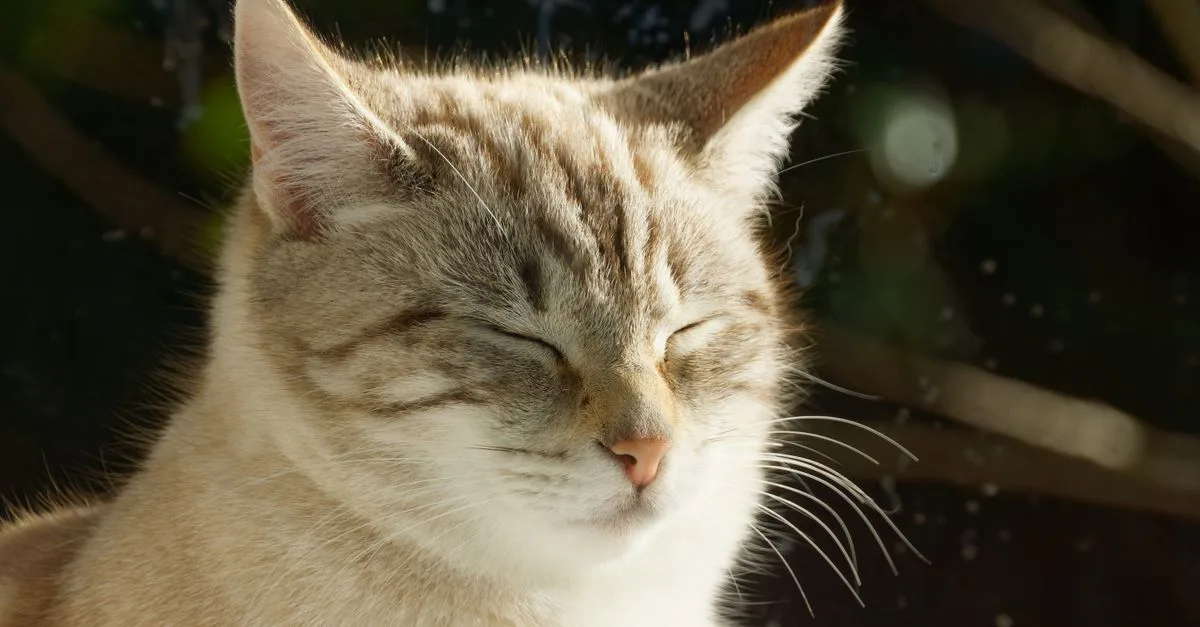
No — and this is the biggest myth about purring.
While contentment is the most common reason, cats also purr when frightened, injured, giving birth, or even near the end of life.
Think of purring less as “I’m happy” and more as “I’m feeling something intense and I’m self-regulating.”
Purring to self-soothe when stressed or in pain
Cats often purr to comfort themselves through difficult moments.
A cat at the vet, recovering from an injury, or feeling anxious may purr as a way to calm its own nervous system — the feline equivalent of deep breathing.
This is why a purring cat isn’t automatically a well cat, and why context matters so much.
The “solicitation purr”: asking for what they want
Cats are brilliant at getting us to do their bidding, and purring is a key tool.
Researchers have identified a special “solicitation purr” — a purr with an urgent, higher-pitched cry woven in — that cats use to ask for food or attention.
It taps into our instinct to respond to a baby’s cry, which is exactly why it’s so hard to ignore.
Can purring actually heal?
One of the most fascinating theories is that purring is therapeutic.
Cat purrs typically fall within a frequency range that some research associates with promoting tissue and bone healing and easing pain.
It’s not fully proven, but it may help explain why cats purr when hurt — and why sitting with a purring cat feels so calming to us, too.
Do kittens purr, and why?
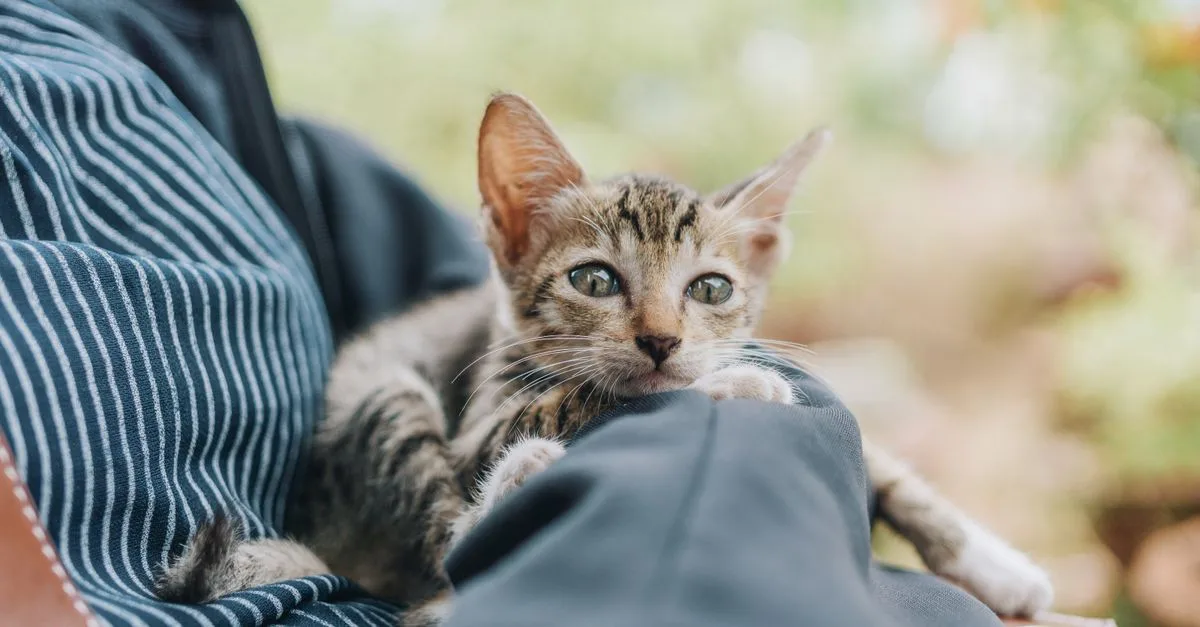
Kittens purr almost from birth, and it’s all about bonding.
Because newborn kittens are blind and deaf, purring helps a mother and her kittens find and reassure each other. The vibrations guide the kittens to nurse.
That early comfort connection is part of why purring stays so soothing throughout a cat’s life.
Do big cats purr?
Some do, some don’t — it splits along an interesting line.
Smaller wild cats and domestic cats purr, but the great roaring cats like lions and tigers generally don’t purr the same way, due to differences in their voice-box anatomy.
In short: if it roars, it usually can’t purr, and vice versa.
How can you tell a happy purr from a distress purr?
The purr alone won’t tell you — the rest of the cat will.
A content cat purrs with relaxed eyes, a loose body, maybe some kneading. A distressed cat purrs while tense, hiding, flat-eared, or clearly unwell.
Read the purr in context, and you’ll rarely misjudge it. Our guide to why cats knead covers another comfort behavior.
Does purring mean my cat loves me?
Often, yes — a cat that purrs while relaxed with you feels safe and content in your company.
Combined with slow blinks, head-butts and kneading, purring is part of how cats show trust and affection.
Just remember it’s one signal among many, not a guaranteed love confession.
Why does my cat purr and then bite me?
This classic move confuses a lot of owners.
Often it’s “petting-induced overstimulation” — the cat enjoyed the attention, then reached its limit and said “enough” with a nip.
Watch for warning signs like a twitching tail or flattening ears, and stop petting before the bite.
Why does my cat purr constantly?
Some cats are simply big purrers, and that’s fine.
But if a normally quiet cat starts purring constantly, or the purr comes with hiding, appetite changes, or other odd behavior, pay attention.
Constant purring paired with signs of stress or illness is worth a vet’s assessment.
When is purring a concern?
Purring itself is rarely the problem — the context around it can be.
Be alert if your cat purrs while clearly unwell, hiding, off its food, breathing oddly, or in apparent pain.
If a purr accompanies worrying symptoms, see your vet. This article is general information, not veterinary advice.
How to encourage happy purring
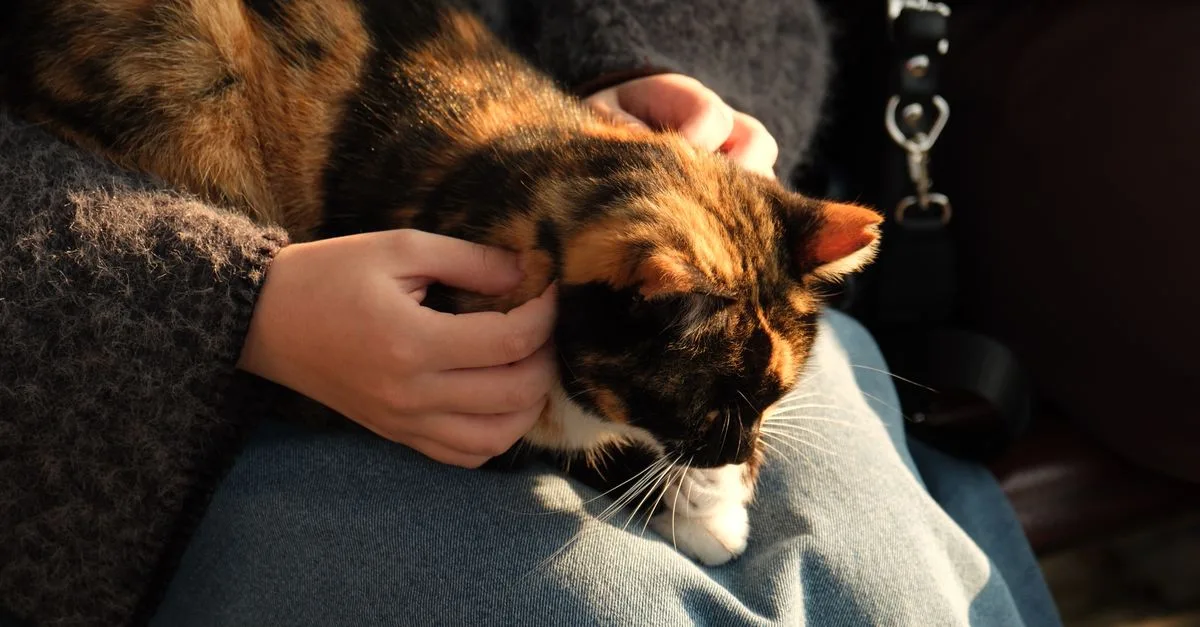
The best way to hear more contented purrs is to help your cat feel secure.
Provide cozy resting spots, gentle attention on your cat’s terms, safe high perches, and a calm routine.
A comfy cat bed and a cat tree go a long way — see our picks for the best cat beds and cat trees, or browse cozy cat beds on Amazon.
Purring and cat body language
Purring is just one line in your cat’s rich language.
Slow blinks mean trust, a upright tail with a little hook means a friendly greeting, and kneading signals comfort. Purring adds emotional volume to whatever else they’re “saying.”
Learning to read the whole picture deepens your bond enormously.
Do cats purr at other cats?
Mostly, purring is aimed at us and at their own kittens.
Adult cats communicate with each other largely through scent and body language rather than purring. The purr is, in many ways, a special channel cats reserve for close bonds.
That makes your cat’s purr in your company genuinely meaningful.
Can cats control their purr?
To a degree, yes.
Purring is partly voluntary — cats clearly deploy the solicitation purr on purpose — but much of it is an automatic response to how they feel.
So your cat isn’t “faking” contentment; it’s expressing a real internal state, sometimes with a nudge for your attention.
Common myths about cat purring
- “Purring always means happy.” It can also mean stress, pain or need.
- “Only house cats purr.” Many smaller wild cats purr too.
- “A purring cat is never sick.” Cats purr to self-soothe when unwell.
- “Cats purr at each other constantly.” Purring is mostly for us and kittens.
Common mistakes reading your cat
- Assuming a purr always means “keep petting.” Watch for overstimulation.
- Ignoring context — a purr plus hiding is not contentment.
- Missing the solicitation purr and over-feeding on demand.
- Overlooking illness because “he was purring.”
Why does my cat purr when I talk to it?
Your voice is a social cue your cat responds to.
Purring back when you talk is your cat engaging with you — acknowledging the interaction and often signalling comfort and connection.
It’s a lovely little conversation, even if you don’t share a language.
Do cats purr in their sleep?
Yes, many cats purr as they doze or drift off.
A cat purring while relaxed and sleepy is usually deeply content and secure in its surroundings.
It’s one of the clearest signs your cat feels completely safe with you.
Why does my cat purr so loudly?
Purr volume varies enormously from cat to cat.
Some cats are simply loud purrers by nature, while others are almost silent. Volume can also rise with excitement or when your cat really wants your attention.
A loud purr isn’t a problem on its own — it’s just your cat’s personality.
Can a cat purr while in pain?
Yes, and this is important to remember.
Because cats purr to self-soothe, a purring cat isn’t automatically a comfortable one — it may be trying to calm itself through discomfort.
Always read a purr alongside body language and behavior, and see a vet if something seems off.
Why did my cat suddenly stop purring?
A change in purring can be meaningful.
Stress, illness, or simply a shift in mood can make a normally purr-happy cat go quiet.
If the change is sudden and paired with other symptoms, pay attention and consider a vet visit.
Do deaf cats purr?
They do — purring doesn’t depend on hearing.
Because purring is partly a physical, self-soothing behavior, even deaf cats purr normally.
It’s another sign that purring runs deeper than simple sound-making.
Is a cat’s purr good for humans too?
Many people find it genuinely therapeutic.
The steady rhythm and low frequency of a purr can feel calming, ease stress, and strengthen the bond between you and your cat.
It’s part of why a purring cat on your lap feels so soothing after a hard day.
How else can you tell your cat is content?
Purring is just one happiness signal.
Look for slow blinks, a relaxed body, a gently upright tail, kneading, and seeking your company. Together with a purr, these paint a clear picture of a happy cat.
Reading the whole cat keeps you from misjudging a purr.
Why does my cat drool when purring?
Some cats dribble a little when blissfully relaxed.
It often harks back to kittenhood, when purring and nursing went together, so deep contentment can trigger a happy drool.
Occasional drooling while purring is usually sweet — but sudden or heavy drooling warrants a vet check.
Do cats purr to get their way?
“Manipulate” is a strong word, but they’re certainly clever.
The solicitation purr shows cats have learned that a certain purr gets a fast human response, especially around food.
It’s less scheming and more smart communication — your cat has trained you as much as you’ve trained it.
Frequently Asked Questions
Why do cats purr?
Cats purr mainly to express contentment, but also to self-soothe when stressed or in pain, to ask for food and attention (the “solicitation purr”), and possibly to support healing. A purr reflects an intense feeling and self-regulation, so it doesn’t always mean your cat is happy.
Do cats only purr when they are happy?
No. Contentment is the most common reason, but cats also purr when frightened, injured, giving birth, or seriously unwell. Purring is a way to communicate and calm themselves, so you have to read the rest of the cat’s body language to know what a purr means.
How do cats purr?
Signals from the brain make the muscles of the voice box twitch rapidly, opening and closing the gap between the vocal cords. As the cat breathes in and out, air vibrates through and creates the purr. Because it works on both inhale and exhale, cats can purr almost continuously.
Does my cat purring mean it loves me?
Often, yes. A cat that purrs while relaxed in your company feels safe and content, and purring alongside slow blinks, head-butts and kneading is a sign of trust and affection. Just remember purring is one signal among many, not a guaranteed declaration of love.
Why does my cat purr and then bite me?
This is usually petting-induced overstimulation: your cat enjoyed the attention, reached its limit, and used a nip to say “enough.” Watch for warning signs like a twitching tail, flattening ears or skin twitching, and stop petting before your cat feels the need to bite.
Can purring heal a cat?
Possibly. Cat purrs fall within a frequency range that some research links to promoting tissue and bone healing and easing pain. It isn’t fully proven, but it may help explain why cats purr when hurt, and why being near a purring cat feels calming to people too.
Should I worry if my cat purrs a lot?
Not usually — some cats are simply big purrers. Be attentive if a normally quiet cat starts purring constantly, or if purring comes with hiding, appetite changes, odd breathing or signs of pain. Purring paired with worrying symptoms is worth a vet check.
The bottom line
A purr is your cat’s most expressive sound — usually contentment, sometimes a request, and occasionally self-comfort through stress or pain.
Read it alongside body language and context, and you’ll understand your cat far better than the “purring equals happy” myth allows.
New to cats? Start with our complete pet care guide and make your cat’s favorite spots even cozier with our best cat beds.

Hello! I'm Khan Hisham, a dedicated student with a profound passion for enhancing the lives of pets through comprehensive care. At Pawspera, our mission—"Prospering Pets, Every Day"—drives everything we do. We are committed to providing the latest insights, tips, and products that ensure your pet's health and happiness. Join us at Pawspera as we explore innovative ways to care for our furry friends with love and dedication.