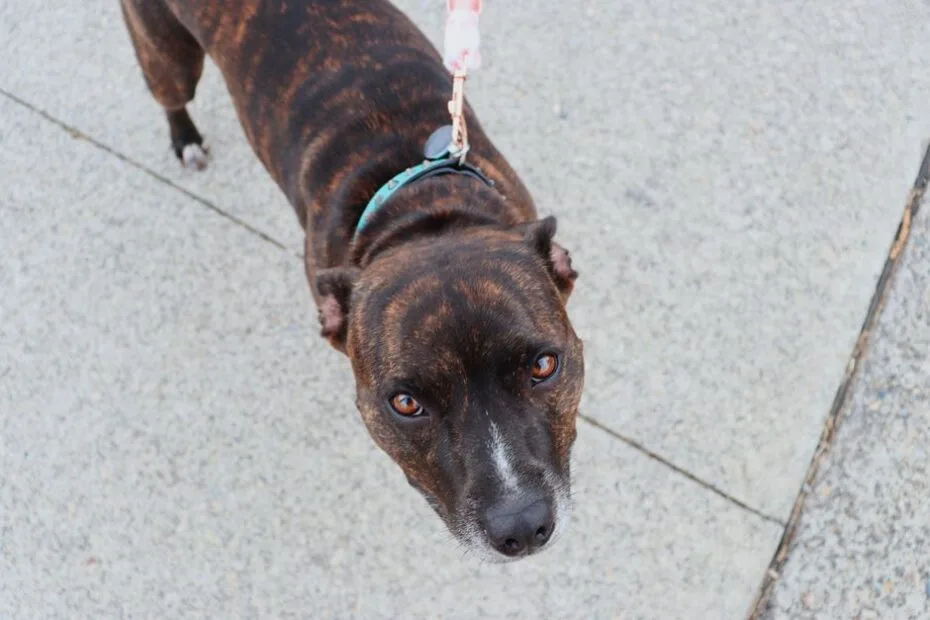
The collar, harness, and leash are the three pieces of gear your dog uses every single day — and the difference between good and bad gear shows up on every walk.
The right setup means no choking, no chafing, no snapped clips at the worst moment — and for pullers, the right harness can transform walks from a shoulder workout into an actual pleasure.
We compared everyday gear on comfort, hardware strength, escape-resistance, and how it handles real pulling. Our top combo is the Ruffwear Front Range harness with a solid 6-foot lead — comfortable, secure, and built for years.
Also Read
-
Best Cat Litter: The Five Types, the Unscented Law, and the Cat’s Vote

-
Best Kitten Toys: The Four Jobs, the Hands-Are-Never-Toys Law, and the Hunt Sequence

-
Best Dog Camping Gear: The Four Layers, the Backyard Test, and the Camp “Place”

-
Best Cat Tunnels: Portholes, the Crinkle Question, and Ambush Geometry That Gets Used

Here are the 10 best dog collars, harnesses, and leashes for 2026 — for safer, calmer, happier walks.
🐕 Key Takeaways
- Walk on a harness, keep the collar for ID tags — that combination is safest for the vast majority of dogs.
- Best harness: Ruffwear Front Range. Best no-pull: PetSafe Easy Walk. Best everyday leash: a 6-foot padded-handle lead.
- Front-clip harnesses redirect pullers gently; they outperform any collar for training loose-leash walking.
- Fit check: two fingers flat under any collar or strap — snug enough to stay on, loose enough to be comfortable.
- Safety notes: skip retractables near roads, check gear monthly for fraying, and never leave a dog unattended tied by the leash.
Heading out more? See our guides to the best dog boots and best ball launchers for the full walk-and-play kit.
In This Guide
- Collar vs harness: what goes where
- Gear types explained
- How to choose
- Quick comparison table
- The 10 best picks
- How to fit gear properly
- Frequently asked questions
Collar vs Harness: What Goes Where
Modern best practice is simple: the collar carries ID tags and stays on; the harness takes the leash on walks. Leash pressure on a collar concentrates on the throat — hard pulling can strain the trachea, especially in small breeds and flat-faced dogs.
A harness spreads that same force across the chest and shoulders, where the skeleton is built to take it. Dogs pull just as enthusiastically either way — the harness just makes it harmless.
The exception: calm, trained dogs who walk on a loose leash are perfectly fine on a flat collar. It’s pullers, lungers, and small-breed throats that make the harness essential.
Gear Types Explained
Flat collars are the everyday ID-carrier — nylon, biothane, or leather with a buckle or quick-release clip. Every dog should wear one with tags.
Back-clip harnesses attach the leash between the shoulders — comfortable and tangle-free, ideal for trained walkers and small dogs.
Front-clip (no-pull) harnesses attach at the chest, so when the dog pulls, they pivot gently back toward you instead of dragging forward. The single most effective humane tool for pullers.
Dual-clip harnesses offer both attachment points — front for training, back for relaxed walks. The most versatile option, and why the Ruffwear tops this list.
Martingale collars tighten slightly (to a safe limit) when a dog backs up — the escape-proof choice for narrow-headed breeds like greyhounds and whippets.
Leashes: a 6-foot fixed lead is the everyday standard; long lines (15–30 ft) are for recall training in open spaces; retractables are for open areas only — never roadsides.
How to Choose
Match the Gear to the Dog
Puller? Front-clip or dual-clip harness. Escape artist or narrow-headed breed? Martingale plus a well-fitted harness. Tiny dog? Soft step-in harness — never collar-walk a toy breed. Calm, trained walker? A flat collar and a good leash is genuinely all you need.
Hardware Quality
The clip is the failure point. Look for solid metal buckles and swivelling trigger-snap clips; skip anything with thin plastic side-release buckles taking full leash force on a strong dog.
Materials
Nylon webbing is the durable default. Biothane (coated webbing) is waterproof and smell-proof — brilliant for swimmers. Leather is beautiful and lasts decades with care. Padded chest panels and rolled edges prevent chafing on short-coated dogs.
Visibility
Reflective stitching costs nothing and makes dusk walks dramatically safer. If you walk dark streets, add a clip-on light.
Quick Comparison Table
| Gear | Type | Best For |
|---|---|---|
| Ruffwear Front Range | Dual-clip harness | Best overall harness |
| PetSafe Easy Walk | Front-clip harness | No-pull training |
| Blue-9 Balance Harness | Dual-clip harness | Perfect fit / trainers’ pick |
| Max and Neo Nylon Collar | Flat collar | Everyday ID collar |
| PetSafe Martingale | Martingale | Escape-prone breeds |
| Max and Neo 6ft Leash | Fixed leash | Everyday walking |
| Puppia Soft Harness | Step-in mesh | Small & toy breeds |
| Biothane Waterproof Collar | Coated collar | Swimmers / mud lovers |
| Long Line Training Lead | 15–30 ft line | Recall training |
| Flexi New Classic | Retractable | Open spaces only |
The 10 Best Dog Collars, Harnesses & Leashes for 2026
1. Ruffwear Front Range Harness — Best Overall
The Front Range is the harness you see on trail dogs everywhere, and there’s a reason: padded chest and belly panels, four adjustment points for a genuinely custom fit, and both front and back leash clips.
Use the front clip while you train loose-leash manners, then graduate to the relaxed back clip. The build quality is outdoor-brand grade — owners routinely report five-plus years of daily use.
Two colour-matched details owners love: the reflective trim for evening walks and the ID pocket that tucks tags away silently.
- ✅ Dual clips: training and everyday in one
- ✅ Padded, chafe-free, four-point adjustable
- ✅ Built to outlast several cheap harnesses
- ❌ Premium price
Best for: Almost every dog — the harness to buy once.
2. PetSafe Easy Walk — Best No-Pull Trainer
The Easy Walk is the classic front-clip design trainers hand to owners of committed pullers. The martingale-style chest loop tightens gently as the dog pulls, steering them back toward you — most dogs pull dramatically less on the very first walk.
It’s a training tool more than an everything-harness: the fit needs regular checking, and it can shift on hard lungers. But as an instant, humane fix for pulling, nothing at this price touches it.
- ✅ Reduces pulling from the first walk
- ✅ Gentle redirect, no choking or pinching
- ✅ Affordable
- ❌ Needs periodic fit checks; can rotate on strong lungers
Best for: Turning a puller into a walker.
3. Blue-9 Balance Harness — Trainers’ Choice for Fit
Ask professional trainers what they put on their own dogs and the Balance harness comes up constantly. Six points of adjustment mean it fits deep-chested, barrel-bodied, and oddly-proportioned dogs that off-the-rack harnesses never quite suit.
Its Y-front design leaves the shoulders completely free — important for athletic dogs and increasingly recommended by canine physiotherapists over strap-across-the-chest styles.
- ✅ Six adjustment points fit any body shape
- ✅ Shoulder-free movement, physio-approved design
- ✅ Front and back clips
- ❌ More fiddly to adjust initially
Best for: Hard-to-fit dogs and athletic movers.
4. Max and Neo Nylon Collar — Best Everyday Collar
A heavy-duty nylon collar with a metal D-ring, reflective stitching, and a neoprene-padded interior that’s kind to necks — for the price of a basic pet-store collar.
Bonus worth knowing: Max and Neo donates a collar to a rescue for every one sold. Great gear and a good deed in one purchase.
- ✅ Padded, reflective, metal hardware
- ✅ One donated to rescues per sale
- ✅ Excellent price
- ❌ Standard flat collar — not for pullers’ leashes
Best for: The ID-tag collar every dog should wear.
5. PetSafe Martingale Collar — Best for Escape Artists
Greyhounds, whippets, and any dog whose head is narrower than their neck can back out of a flat collar in one scary second. A martingale closes that gap — it tightens just enough to prevent slipping, with a built-in stop so it can never choke.
It’s the standard sighthound collar and the right backup for any dog who’s ever slipped a collar at the worst moment.
- ✅ Escape-proof for narrow-headed breeds
- ✅ Limited-slip design cannot choke
- ✅ Simple and affordable
- ❌ Fit matters — measure carefully
Best for: Sighthounds and collar-slippers.
6. Max and Neo Double Handle Leash — Best Everyday Leash
A 6-foot heavy nylon lead with two padded handles — one at the end, one 18 inches from the clip for instant close control at roadsides and past distractions.
The hardware is solid brass-finished metal, the stitching is boxed at every stress point, and the second handle turns out to be the feature you use twenty times a walk.
- ✅ Traffic handle for instant close control
- ✅ Padded grips, heavy hardware
- ✅ Reflective stitching
- ❌ Slightly heavier than basic leads
Best for: Everyday walks, especially near roads.
7. Puppia Soft Harness — Best for Small & Toy Breeds
Small dogs should never take leash pressure on the throat — their tracheas are genuinely fragile. The Puppia is the small-breed solution: soft air-mesh that wears like a little vest, with wide, gentle straps and zero hard edges.
It’s the best-selling small-dog harness in the world, and one look at a chihuahua comfortably trotting in one explains why.
- ✅ Soft mesh — no throat pressure, no chafing
- ✅ Perfect for toy and small breeds
- ✅ Machine washable, many colours
- ❌ Not for strong pullers or big dogs
Best for: Toy and small breeds.
8. Biothane Waterproof Collar — Best for Swimmers & Mud Lovers
Nylon collars on water-loving dogs turn into permanent wet-dog-smell generators. Biothane — a polymer-coated webbing — is completely waterproof: it wipes clean, never absorbs odour, and outlasts nylon several times over.
It looks like leather, works like rubber, and is the last collar a lake-dog household ever buys.
- ✅ 100% waterproof and smell-proof
- ✅ Wipes clean in seconds
- ✅ Extremely durable
- ❌ Less cushioned than padded nylon
Best for: Swimmers, mud-rollers, and rainy climates.
9. Long Line Training Lead — Best for Recall Training
A 15–30 foot long line is the bridge between on-leash safety and off-leash freedom: your dog gets room to explore and practise recall while you keep a physical backup.
Attach it to a harness (never a collar — a full-speed stop on a neck is dangerous), let it drag in safe open fields, and reel in the freedom gradually as recall sharpens. Every trainer’s recall program starts here.
- ✅ Safe recall and sniffari freedom
- ✅ The essential training bridge to off-leash
- ✅ Cheap for what it teaches
- ❌ Needs open space and a little handling practice
Best for: Recall training and adventurous sniffers.
10. Flexi New Classic Retractable — Best for Open Spaces (Used Right)
Retractables have earned their mixed reputation — thin cords, roadside accidents, rope burns. Used correctly, though, a quality one like the Flexi gives a well-behaved dog 16–26 feet of sniffing freedom on paths and beaches.
The rules that keep it safe: tape version over cord, open areas only, never near roads, and lock it short around other dogs and people. Within those lines, it’s a genuinely useful third leash.
- ✅ Freedom to sniff and range in open areas
- ✅ Flexi’s brake and tape quality lead the category
- ✅ Compact one-hand operation
- ❌ Wrong tool near roads, crowds, or for pullers
Best for: Beaches, trails, and open parks — with the rules followed.
How to Fit Gear Properly
- Collar: the two-finger rule. Two fingers should slide flat under the collar — snugger chokes, looser slips off over the ears.
- Harness: snug straps, free shoulders. Two fingers under every strap, no digging behind the front legs, and the front legs should move fully without the harness shifting.
- Martingale: measure the head. Sized right, it slips over the ears, then tightens only to snug — never to squeeze — when pulled.
- Recheck monthly. Dogs gain and lose coat and weight; puppies outgrow gear shockingly fast. A monthly two-finger check takes ten seconds.
- Inspect hardware and stitching. Fraying webbing, cracked clips, or a D-ring pulling loose mean replace now — gear always fails at the worst possible moment.
- Tags on, always. ID tag and licence on the flat collar, microchip details current. Gear prevents most escapes; tags solve the rest.
Frequently Asked Questions
Should my dog wear a collar or a harness?
Both, doing different jobs: the collar carries ID tags full-time, and the harness takes the leash on walks. Leash force on a collar loads the throat; on a harness it spreads across the chest, which is why vets increasingly recommend harness-walking for everyone.
The exception is a calm dog who never tightens the leash — collar-walking them is fine. But every small breed and every puller belongs on a harness.
Do no-pull harnesses actually work?
Front-clip designs genuinely do — when the dog surges, the chest attachment pivots them back toward you, and pulling simply stops paying off. Most owners see a dramatic difference on the first walk.
They work best paired with a little training: reward the loose leash, stop when it tightens. The harness manages the behaviour; the training fixes it for good.
Are retractable leashes dangerous?
They carry real risks used carelessly — thin cords can cut hands, and 26 feet of range near a road is 26 feet of danger. Several vets see injuries from them every year.
Used by the rules — tape not cord, open spaces only, locked short around traffic, people, and other dogs — a quality retractable is reasonably safe for a trained dog. It should be your third leash, never your only one.
What leash length is best?
Six feet is the everyday sweet spot: enough slack for natural sniffing, short enough for instant control. Four feet suits crowded pavements; 15–30 foot long lines are for recall training in open areas.
If you buy one leash, make it a 6-foot lead with a traffic handle near the clip — you get both lengths in one.
How tight should a collar be?
Two fingers should slide flat between collar and neck. Tighter risks coughing and hair loss; looser and it comes off over the ears — the most common way dogs get loose.
Check fit monthly, and weekly on growing puppies. A collar fitted at four months is a choking hazard by seven.
What’s the best setup for a puppy?
A lightweight flat collar with a tag (worn from day one so it becomes normal), a soft step-in or Y-front harness for walks, and a 6-foot leash. Skip no-pull corrective gear on young puppies — teach loose-leash walking with treats from the start instead.
Buy adjustable, expect to size up at least once, and recheck fit weekly — puppies grow through gear in weeks.
Why does my dog’s harness chafe?
Nearly always fit or cut: straps too loose rub as they shift, and designs whose straps cross right behind the front legs chafe short-coated dogs in exactly that armpit spot.
Tighten to the two-finger standard first. If chafing continues, switch to a Y-front padded design like the Ruffwear or Blue-9, which keep straps out of the armpit zone entirely.
When should I replace collars and leashes?
At the first sign of fraying webbing, cracked or sticky clips, rusting hardware, or stitching pulling loose — gear fails suddenly, and always under load. Sound nylon gear typically lasts 2–5 years; biothane and quality leather much longer.
After any incident where the gear took a massive shock — a car-lunge, a full-speed long-line stop — inspect everything before the next walk.
The Bottom Line
Great walking gear disappears — no chafing, no choking, no drama, just a comfortable dog and a relaxed hand on the leash.
The Ruffwear Front Range plus a 6-foot double-handle lead is the setup that suits nearly every dog. Add an Easy Walk if pulling is the battle, a Puppia for tiny dogs, a martingale for escape artists, and a long line when recall school starts. Fit it with two fingers, check it monthly, and enjoy the walk — that’s the whole point.
Shop Collars & Leashes on Amazon →

Hello! I'm Khan Hisham, a dedicated student with a profound passion for enhancing the lives of pets through comprehensive care. At Pawspera, our mission—"Prospering Pets, Every Day"—drives everything we do. We are committed to providing the latest insights, tips, and products that ensure your pet's health and happiness. Join us at Pawspera as we explore innovative ways to care for our furry friends with love and dedication.