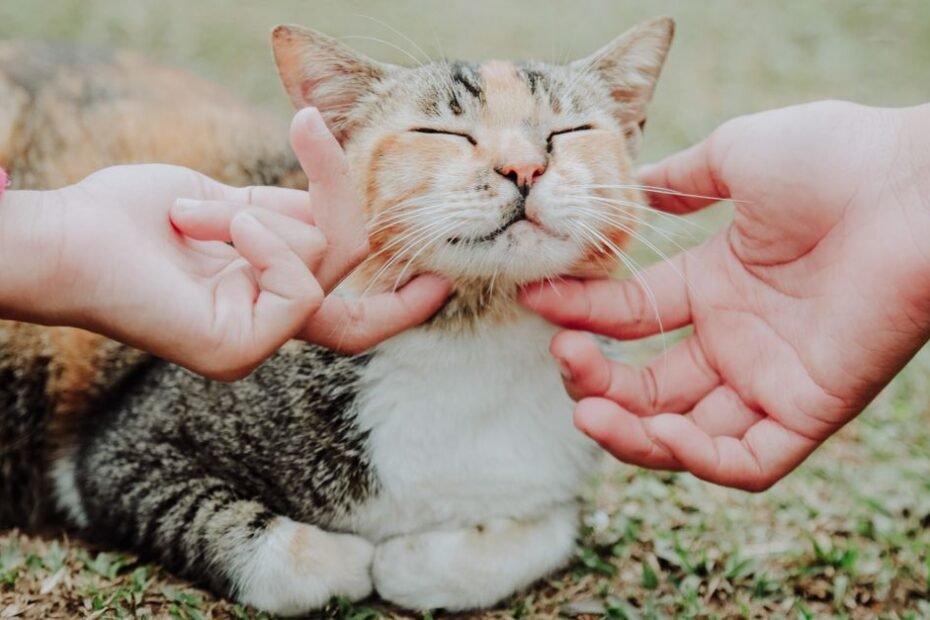
You’re reading on the couch when a furry forehead slams gently into your chin. Then again. Then a full-face cheek drag across your jaw, complete with motorboat purring.
Congratulations — you’ve just been headbutted by a cat. And believe it or not, it’s one of the highest compliments in the feline world.
Quick answer: Cat headbutting — behaviorists call it bunting — is affectionate scent-marking. Your cat has scent glands on its forehead, cheeks and chin, and by pressing them against you it marks you as safe, familiar, and part of its trusted circle. A headbutt is your cat saying “you’re family.” (One important caution: constant, dazed head pressing against walls is a medical emergency — a completely different behavior we cover below.)
Also Read
-
Puppy Teething: The Timeline, the Frozen Tier, and the Ten Thousand Trades

-
How to Socialize a Kitten: The Window, the Food Rule, and the Checklist

-
How to Stop a Cat Scratching Furniture: The Reroute, the Placement Law, and the Specs

-
How to Crate Train a Dog: The Four Stages, the Whining Tree, and the Physiology Table

Key Takeaways
- Headbutting = bunting: affectionate scent-marking from glands on the forehead, cheeks, and chin.
- It marks you as part of the cat’s trusted “colony scent” — a genuine social honor.
- Cats bunt people they trust, other pets, and favorite objects — it’s bonding, not dominance.
- The right response: stay calm, offer a cheek scratch, enjoy it — don’t grab or overwhelm.
- ⚠️ Bunting is NOT head pressing. A cat compulsively pressing its head against walls or furniture, looking dazed, needs a vet immediately.
- A cat that doesn’t headbutt isn’t broken — cats show trust in many dialects.
What Exactly Is Bunting?
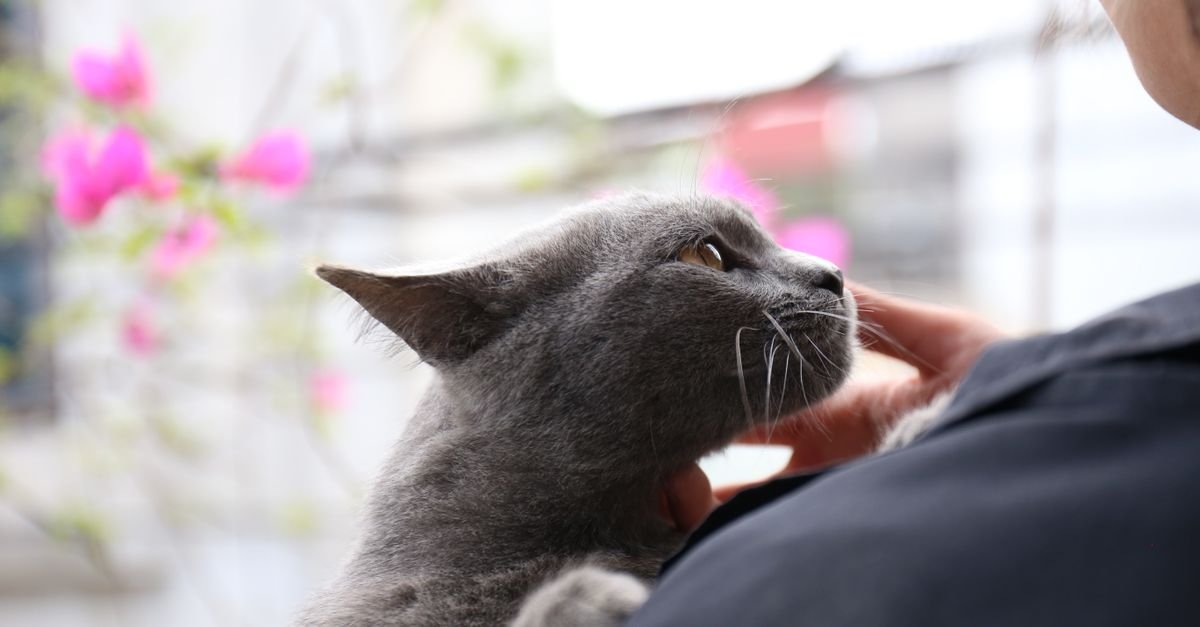
Bunting is the technical name for the head-bonk: a deliberate press or rub of the head against a person, animal, or object.
It usually comes bundled with cheek rubbing, chin rubbing, and body weaving — a full scent-application routine that cats perform on their favorite things.
Kittens learn it early, bunting their mother and littermates. Adult cats carry the behavior into every relationship they consider safe.
So when your cat boops your forehead, it’s running a social program older than the living room you’re sitting in.
Why Do Cats Have Scent Glands on Their Faces?
A cat’s face is a chemical signature factory. Scent glands cluster on the forehead, around the cheeks and whisker pads, under the chin, and at the corners of the mouth.
These glands release pheromones — chemical messages invisible to us but rich with information for other cats: who I am, where I’ve been, what’s mine, what’s safe.
When your cat rubs its face on the couch corner, the doorframe, and you, it’s layering the environment with its personal scent map.
Facial pheromones are strongly associated with comfort and safety — which is why cats apply them to things they love, and why a scent-marked home genuinely feels calmer to the cat living in it.
What Is “Colony Scent” and Why Are You Part of It?
In groups of cats that live together, members rub against each other constantly — creating a shared colony scent, a group perfume that marks everyone as “us.”
It’s identity and belonging, chemistry edition.
When your cat headbutts you, it’s enrolling you in the colony: mixing its scent with yours, refreshing the family signature, and reading your scent back.
That’s why the behavior repeats daily — scent fades, so membership requires renewal. Think of every bonk as your subscription being renewed.
Is a Headbutt Really a Compliment?
As feline gestures go, it’s close to the top of the pyramid.
Cats only bunt what they trust. A nervous cat doesn’t press its most vulnerable part — its head, eyes closed — against something it fears.
Behaviorists group bunting with slow blinks, exposed bellies, and tail-up greetings as the classic markers of feline affection and security — renowned cat behaviorist Jackson Galaxy calls the head bonk one of the clearest “I trust you” signals a cat gives.
So yes: the bonk is a love letter, delivered forehead-first.
Why Does Your Cat Headbutt YOU Specifically?
Beyond general affection, a few specific motives drive the head your way:
Bond maintenance. You’re a preferred person. The scent exchange reinforces the relationship — feline relationship upkeep.
Attention (the polite request). A bunt followed by intense eye contact, a meow, or a stroll toward the food bowl is a well-mannered demand. Cats learn quickly which gestures move humans.
Greeting. Many cats bunt when you come home — refreshing the shared scent after your suspicious absence among other smells.
Comfort seeking. Some cats bunt more when mildly stressed — applying their own “safe” pheromone to the person who makes things feel safe.
Notice the theme: every version means you matter to this animal. (For the dog-side decoder of clingy affection, see why dogs follow you everywhere.)
⚠️ Headbutting vs. Head Pressing: The Difference That Matters
This section is the most important one in this guide. Two similar-sounding behaviors, wildly different meanings.
Bunting (normal, healthy)
Brief, social, directed at you or other animals. The cat is bright-eyed, relaxed, often purring, and moves on happily afterward.
Head pressing (medical emergency)
The cat presses its head against a wall, corner, or furniture — and holds it there. Often paired with dazed behavior, pacing, circling, vocalizing, or disorientation.
Head pressing can signal serious neurological trouble — toxicity, liver problems, or other conditions affecting the brain. It is not affection and not something to wait out.
If you see head pressing, call your veterinarian immediately. Snap a photo or video on the way — it helps the vet enormously.
The quick test: bunting is aimed at beings and is brief; head pressing is aimed at surfaces and is sustained. When in doubt, vet.
How Should You Respond to a Headbutt?
There’s an etiquette to receiving the bonk gracefully:
Hold still and accept it. Let the cat complete its ritual — the press, the cheek drag, maybe a chin rub on your knuckles.
Offer the good real estate. A gentle scratch on the cheeks, under the chin, or at the base of the ears works with the scent-marking instinct. Most bunting cats lean in hard.
Offer a knuckle or forehead back. Many cats happily bonk your offered fist or forehead — a two-way greeting in their own language.
Don’t grab, squeeze, or chase. The fastest way to teach a cat to stop offering affection is to turn its gesture into a capture. Let contact stay on the cat’s terms.
Respond well and you’ll get more bunts — you’re rewarding the behavior in exactly the currency cats respect.
Why Does Your Cat Headbutt and Then Bite?
The classic bait-and-switch: bonk, purr, nibble. What gives?
Usually it’s overstimulation — the petting that followed the headbutt crossed the cat’s sensory threshold, and the nip is the “that’s enough” notice.
Watch for the early warnings: tail twitching, skin rippling, ears rotating back, body stiffening. End the petting session before those signs peak and the bites stop happening.
Some cats also deliver soft “love bites” as part of affectionate grooming behavior — gentle, no pressure, very different from a warning nip. Context and body language tell them apart.
Why Doesn’t Your Cat Headbutt?
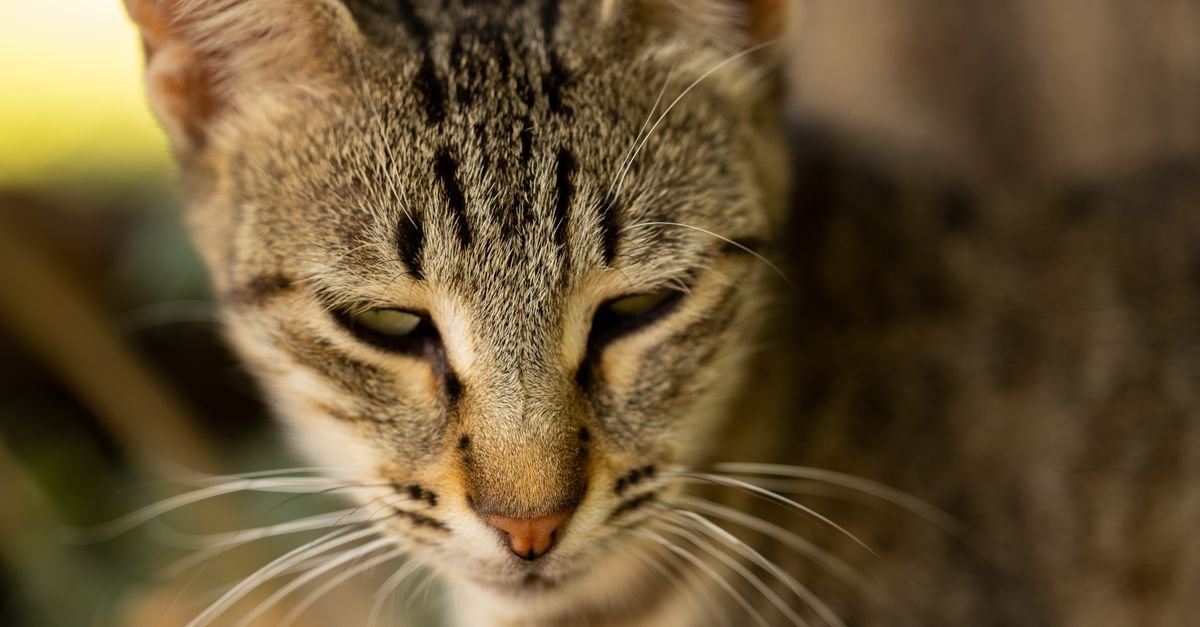
Some deeply loving cats simply don’t bunt people — and it means nothing bad.
Affection dialects vary by personality, breed, and history. Your cat may instead show trust by slow-blinking at you, sleeping pressed against your leg, following you between rooms, kneading, or the tail-up greeting walk.
Cats with under-socialized kittenhoods may take years to offer physical affection — and often show love from six inches away instead.
Count the signals your cat does send (our guide to why cats purr decodes another big one). More signals in the household dictionary: marathon sleeping and extra meowing.
Can You Encourage More Headbutts?
You can’t order a bonk — but you can make yourself extremely buntable:
- Be predictable. Calm movements, consistent routines, respect for the cat’s space — trust is the prerequisite for bunting.
- Get low. Cats bunt faces more when faces are reachable. Couch level invites contact.
- Reward every bunt with the cheek scratches it’s angling for — never with grabbing.
- Try the slow blink — look at your cat, blink slowly, look away. It’s feline for “we’re cool,” and often earns approach.
- Build positive sessions around play and treats so your presence predicts good things.
Bond-building favorites worth searching on Amazon:
When Is Headbutting Something to Watch?
Bunting itself is healthy — but a few changes deserve attention:
- Sudden dramatic increase in rubbing/bunting everything, especially with restlessness — can accompany stress, or in unspayed females, heat cycles.
- Bunting that becomes face-scratching or head-shaking — may point to ear mites, dental pain, or skin irritation rather than affection. A cat trying to relieve an itch on your shin looks similar to a bunt.
- Any hint of the head-pressing pattern described above — vet, immediately.
- New avoidance of head touch in a formerly bunt-happy cat — possible pain around the head or mouth worth a checkup.
As always, this guide is behavior education, not diagnosis — your veterinarian is the person with eyes and hands on your actual cat.
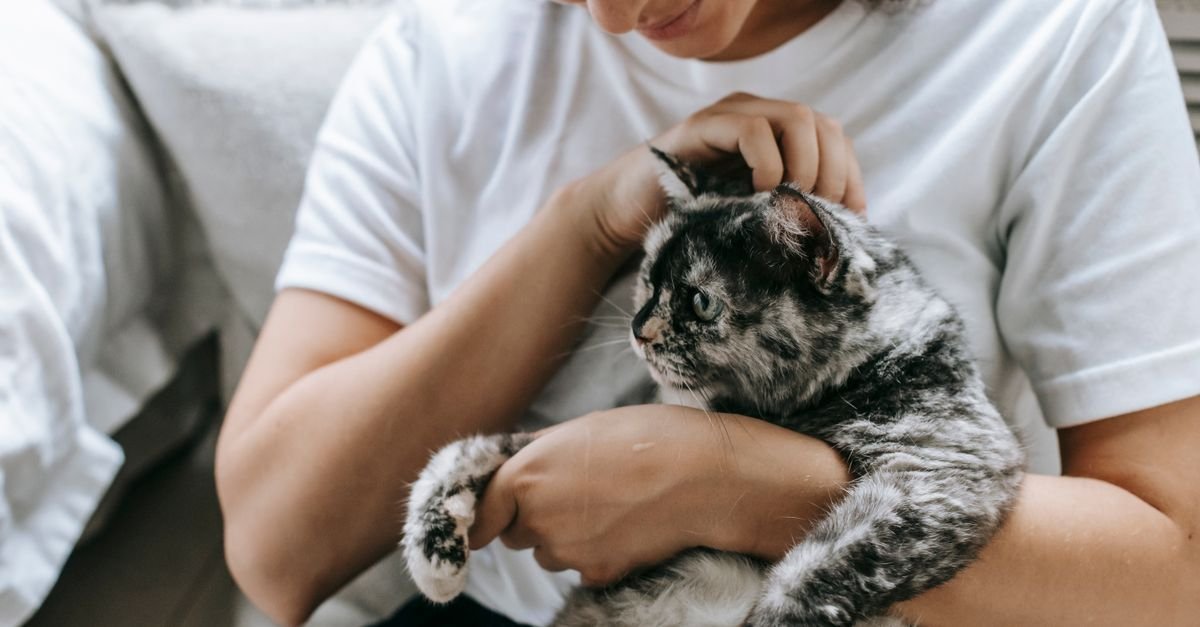
Do Cats Headbutt Each Other and Other Pets?
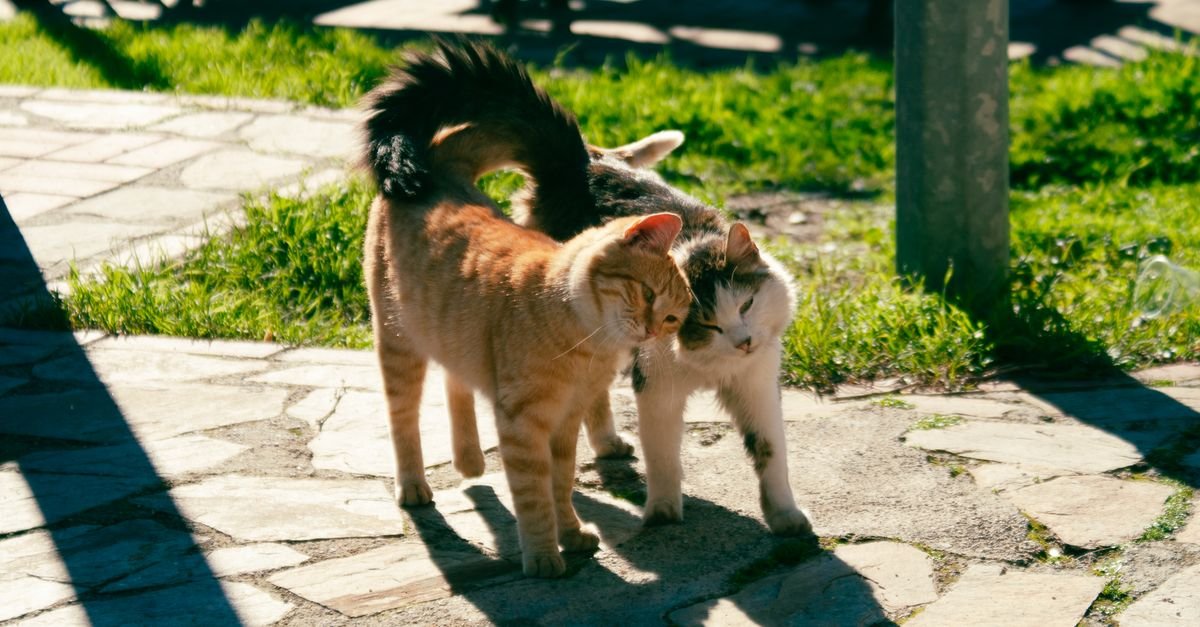
Constantly — bunting is the social glue of multi-cat households. Bonded cats trade head rubs, sleep in scent-mixed piles, and maintain the colony perfume together.
Many cats extend the honor to trusted dogs, and the internet is rightly full of cats bonking golden retrievers who have no idea what ceremony they’ve just been admitted to.
A cat that bunts the family dog is telling you the peace treaty is genuine — scent-sharing is not offered to enemies.
In new-pet introductions, the first bunt between animals is a milestone worth celebrating: the colony has voted to expand.
Do Kittens Headbutt? How Bunting Develops
Bunting starts almost at birth. Kittens nuzzle and press into their mother while nursing, and littermates pile into scent-mixed heaps from their first weeks.
As their scent glands mature, the pressing becomes purposeful: by a few months old, a confident kitten is bonking family members — feline and human — with clear intent.
Well-socialized kittens who experience gentle human handling in their first two months typically grow into the most generous adult headbutters. Cats adopted later or from rough starts may take months or years to offer their first bonk — which makes that first one a genuine milestone worth quietly celebrating.
Headbutting vs. Ankle Weaving: What’s the Difference?
The figure-eight weave through your legs is bunting’s full-body cousin — same scent glands (along the flanks and tail too), same marking mission, different technique.
Weaving tends to peak around mealtimes, which tells you it doubles as a herding maneuver: marking you and steering you kitchen-ward in one efficient ritual.
A headbutt to the face, by contrast, has no agenda beyond the social one — it’s pure relationship maintenance, delivered at trust’s closest range. Both are compliments; one just comes with an invoice.
Frequently Asked Questions
Why does my cat headbutt me?
It’s bunting — affectionate scent-marking. Your cat presses scent glands on its forehead and cheeks against you to mark you as trusted family and refresh your shared “colony scent.” It’s one of the clearest compliments a cat gives.
Is a cat headbutt a sign of dominance?
No — bunting is bonding, not dominance. Cats reserve it for individuals they trust and feel safe with. It functions as greeting, affection, and social membership, not a power move.
Why does my cat headbutt me in the morning?
Morning bunts combine greeting, scent-refresh after hours apart, and often a polite breakfast request. If the bonk comes with purposeful walks toward the food bowl, you’ve been served notice.
Why does my cat headbutt my phone or laptop?
Two forces: your attention is aimed at the object, and the object smells like you. Bunting it marks the rival with the cat’s scent and usually redirects your hands — which, from the cat’s perspective, works every time.
What is the difference between headbutting and head pressing in cats?
Headbutting (bunting) is a brief, social press against people or animals from a relaxed, bright cat. Head pressing is sustained pressing against walls or furniture, often with dazed or disoriented behavior — a potential neurological emergency that needs a veterinarian immediately.
Why does my cat headbutt me and then bite?
Usually overstimulation: the petting that followed exceeded the cat’s threshold, and the nip says “enough.” Watch for tail twitching and skin rippling, and end petting before those warnings escalate.
Should I headbutt my cat back?
Gently, yes — if your cat initiates. Offering your forehead or a knuckle for a soft bonk mirrors the greeting in the cat’s own language. Let the cat control the contact and keep it soft.
The bottom line
A headbutt is your cat’s highest-clearance security badge, issued forehead-first and renewed daily. Accept it graciously, pay the cheek-scratch tax, and remember the one serious rule: bonks at you are love, sustained pressing at walls is a vet call. Wear the colony scent proudly.

Hello! I'm Khan Hisham, a dedicated student with a profound passion for enhancing the lives of pets through comprehensive care. At Pawspera, our mission—"Prospering Pets, Every Day"—drives everything we do. We are committed to providing the latest insights, tips, and products that ensure your pet's health and happiness. Join us at Pawspera as we explore innovative ways to care for our furry friends with love and dedication.