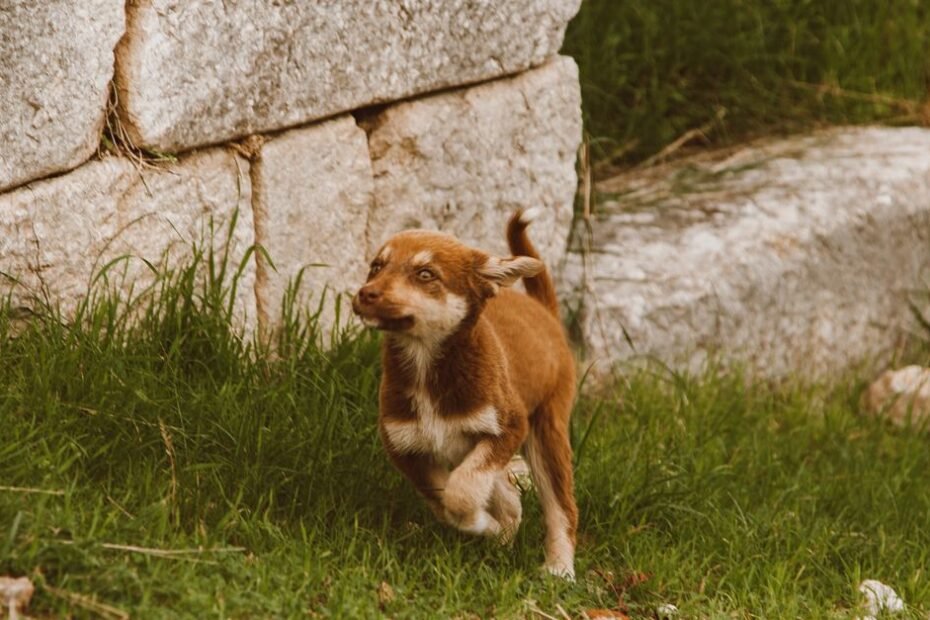
Few things earn a laugh faster than a dog spinning after its own tail like it just discovered a stowaway. It’s comedy gold — most of the time.
But if you’ve watched your dog do it for the third time today, you might be wondering: is this still funny, or is my dog trying to tell me something?
Quick answer: Most tail chasing is normal play — especially in puppies burning off energy or dogs who’ve learned it earns laughs and attention. But tail chasing that becomes frequent, intense, or hard to interrupt can signal boredom, fleas, allergies, anal gland problems, pain, or a compulsive behavior — and that version deserves a vet visit.
Also Read
-
Puppy Teething: The Timeline, the Frozen Tier, and the Ten Thousand Trades

-
How to Socialize a Kitten: The Window, the Food Rule, and the Checklist

-
How to Stop a Cat Scratching Furniture: The Reroute, the Placement Law, and the Specs

-
How to Crate Train a Dog: The Four Stages, the Whining Tree, and the Physiology Table

Key Takeaways
- Puppies chase tails as play — many genuinely don’t realize the tail belongs to them at first.
- Adult dogs often keep the habit because it reliably wins attention (even scolding counts as attention).
- Common physical triggers: fleas, allergies, anal gland issues, or pain near the tail base.
- Some breeds — notably Bull Terriers and German Shepherds — are more prone to compulsive spinning.
- Red flags: chasing that’s frequent, frantic, hard to interrupt, or paired with chewed/raw tail skin.
- The fix for the boredom version is beautifully simple: more exercise, more mental work, better outlets.
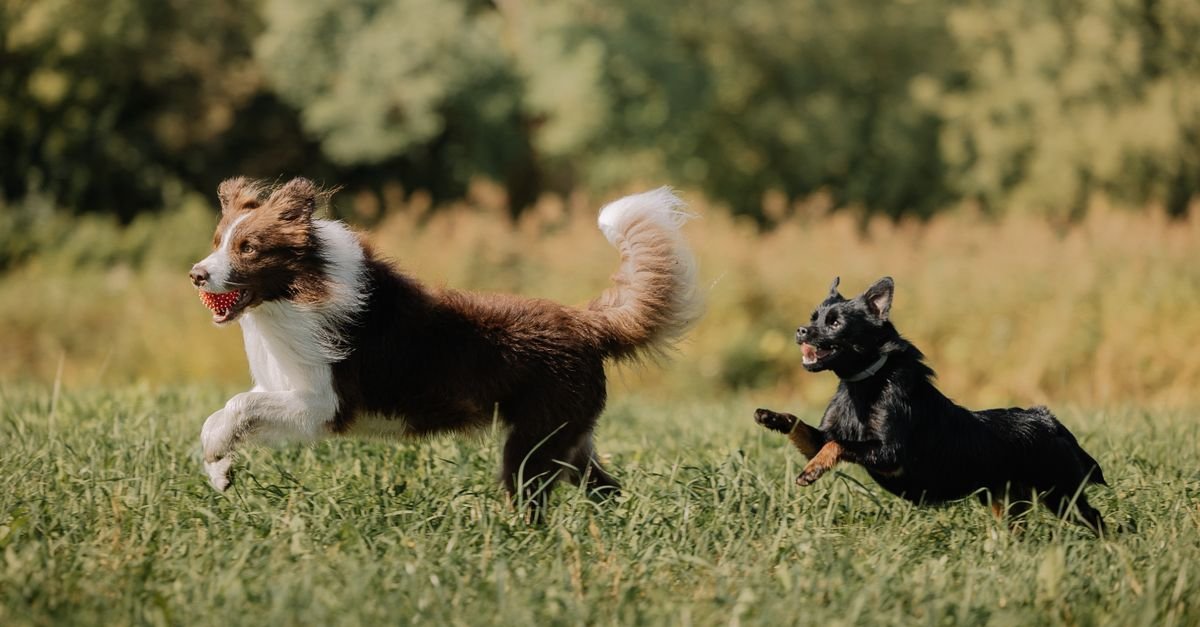
Why Do Puppies Chase Their Tails?
For a puppy, the tail is a plot twist. Young dogs are still building their body map, and that furry thing flickering at the edge of vision reads as a toy, not a body part.
So they chase it. Sometimes they catch it, look briefly betrayed by the pain of their own bite, and chase it again anyway.
This is completely normal development. It peaks in playful puppyhood and usually fades as the dog’s coordination and body awareness mature — the American Kennel Club describes it as one of the classic ways young dogs entertain themselves and burn energy.
Puppyhood spinning sessions are also just energy release — the same engine behind the zoomies, pointed at a smaller racetrack.
Why Do Adult Dogs Keep Chasing Their Tails?
When an adult dog spins regularly, one of a few motives is usually driving it.
It works — every single time
Dogs repeat what pays. If tail chasing once made the whole family laugh, point, and film — congratulations, you’ve trained it.
Even negative reactions pay out. To an attention-hungry dog, “stop that!” still beats being ignored.
Boredom with a motor attached
A dog with unspent physical and mental energy will invent a job. Tail chasing is self-employment: always available, requires no equipment, mildly entertaining.
If the spinning shows up on rainy days, skipped-walk days, or long home-alone stretches, boredom is your prime suspect.
Stress relief
Some dogs spin the way people bite their nails — a self-soothing routine for anxious moments: visitors, thunderstorms, schedule changes, or tension in the household.
Watch when it happens. A pattern tied to stressful triggers points to anxiety rather than play.
What Physical Problems Cause Tail Chasing?
Here’s where the behavior stops being a quirk and starts being a symptom. A dog suddenly obsessed with its rear end may be chasing an itch or a pain, not a game.
Fleas and parasites
The tail base is prime flea real estate. A dog with flea-allergy itching back there will spin, bite, and chew at the area. Part the fur and look for flea dirt — tiny black specks that turn rust-red on a wet paper towel.
Allergies
Food or environmental allergies often express as rear-end itching. If the tail chasing comes with licking, scooting, or chewed patches, allergies belong on the suspect list — the same overlap we cover in why dogs lick so much.
Anal gland problems
Impacted or infected anal glands create serious discomfort right where a spinning dog is aiming. Scooting, a fishy odor, and sudden rear-end focus are the classic trio. This one needs a vet — it’s a quick fix for them and misery for the dog otherwise.
Pain in the tail or spine
An injured tail, arthritis in the lower spine, or nerve irritation can draw a dog’s attention rearward. Older dogs who suddenly start spinning deserve particular attention here.
None of this is a diagnosis — it’s a checklist for a conversation with your veterinarian, who can actually examine the dog.
Is Tail Chasing a Breed Thing?
Partly, yes — and it’s one of the better-documented quirks in dog behavior.
Bull Terriers are the textbook example: compulsive spinning shows up in the breed often enough that researchers have studied it as a model of canine compulsive disorder.
German Shepherds also appear disproportionately in tail-chasing case reports.
High-drive working breeds without a job — herders, terriers — are generally overrepresented in repetitive-behavior problems. Big engine, no racetrack.
A breed tendency doesn’t make the behavior harmless; it makes early management smarter, because compulsions are much easier to prevent than to unwind.
When Does Tail Chasing Become a Compulsion?
Occasional spinning is play. Compulsive spinning is different in kind, not just amount — and it’s the version that worries veterinary behaviorists.
Warning signs the behavior has crossed the line:
- It happens daily or many times a day, not occasionally.
- The dog is hard to interrupt — calling, treats, or toys barely break the trance.
- It replaces normal activities: the dog spins instead of eating, playing, or resting.
- There’s physical damage: chewed fur, raw skin, or a wounded tail tip.
- The intensity looks frantic rather than playful — no loose, bouncy body language.
Compulsive spinning is a genuine medical concern recognized by veterinary behavior resources like PetMD, not a training failure. Veterinarians and veterinary behaviorists treat it with a combination of management, behavior modification, and sometimes medication — and earlier help means better odds.
Should You Laugh When Your Dog Chases Its Tail?
Honest answer: you will — it’s funny. But understand the transaction happening.
Every laugh, cheer, and phone camera teaches your dog that spinning is a guaranteed crowd-pleaser. For a well-exercised, relaxed dog who spins once in a blue moon, no harm done.
But if your dog has started offering the behavior at you — making eye contact, spinning, then checking for your reaction — you’re in a performance loop. (That expectant look will be familiar to readers of why dogs stare at their owners.)
The fix isn’t scolding — it’s redirecting: reward a sit or a trick with the attention instead, and let the spin quietly stop paying.
How Do You Reduce Tail Chasing? (The Boredom Cure)
For the everyday, non-medical version, the treatment plan is the happiest kind: give the energy somewhere better to go.
Upgrade the exercise
A leashed stroll around the block doesn’t dent a young dog’s battery. Add fetch sessions, tug, a flirt pole (a tail-chase substitute dogs adore), or longer sniff-heavy walks.
Work the brain
Mental effort tires dogs faster than mileage. Puzzle feeders, snuffle mats, scatter-fed meals, and five-minute training sessions all convert restlessness into naps.
Better outlets than a tail — reader favorites on Amazon:
Interrupt and redirect — gently
When the spin starts, call your dog cheerfully and cue something else: a sit, a toy fetch, a chew on the mat. Reward the alternative generously.
Never punish the spinning itself — for stress-driven spinners, punishment adds the very anxiety that fuels the behavior.
Make rest easy
Overtired dogs get frantic too. A predictable routine and a quiet settle spot prevent the wired-and-weird evening hours where spinning thrives.
What Should You Track Before the Vet Visit?
If the chasing has you concerned, a week of notes turns a vague worry into useful data:
- When does it happen — time of day, before/after meals, around triggers?
- How often and how long per episode?
- Can you interrupt it with a call or treat?
- Any body clues — scooting, licking, chewed fur, changes in stool, flea dirt?
- What changed recently — food, home, schedule, new pets?
A short phone video of an episode is worth ten minutes of description in the exam room.
When Should You Actually Call the Vet?
Book a visit if any of these apply:
- The behavior appeared suddenly in an adult or senior dog.
- You see skin damage, bald patches, or a hurt tail.
- There’s scooting, odor, or straining alongside the spinning.
- Episodes are frequent, intense, or hard to interrupt.
- Your gut says something’s off. (Owners are usually right.)
Start with your regular veterinarian to rule out the physical causes. If the body checks out and the behavior continues, ask about a referral to a veterinary behaviorist — compulsive spinning responds best to professional guidance.
Tail Chasing vs. Other Spinning: What’s the Difference?
Not all circles are tail chases. Quick decoder:
Pre-poop spirals and bed-scratching circles are settling rituals — ancient, brief, and aimed at the ground, not the tail.
Happy greeting spins at the door are excitement overflow, usually two or three loops with loose, wiggly body language.
True tail chasing targets the tail itself: the head tracks the tail tip, and the dog may nip at it.
The first two rarely mean anything. It’s the third — in its frequent or frantic form — that carries the meanings in this guide. And if the spinning comes with trembling, our guide on why dogs shake covers that separate signal.
How to Train a Reliable “Interrupt” Cue
A calm interrupt cue is your best tool for redirecting spinning — and it’s worth training properly, before you need it.
Step 1: in a quiet moment, say your cue — a cheerful “this way!” works — and immediately feed a great treat. Repeat ten times. You’re building an automatic head-turn.
Step 2: practice during mild distractions: sniffing, wandering, staring out the window. Cue, mark the head-turn, reward.
Step 3: only now use it on early-stage spinning — the wind-up moment before the full chase, when your dog is still reachable.
Step 4: after the interrupt, immediately offer the better job: a sit, a toy, a scatter of kibble to sniff out. The sequence matters — interrupt, then redirect, then reward the redirect.
Keep the tone light. An interrupt cue delivered like a scold becomes a punishment, and punished spinners often just spin when you’re not looking.
Does Age Change What Tail Chasing Means?
Yes — the same behavior reads differently across a dog’s life.
In puppies, it’s overwhelmingly play and self-discovery. Monitor, laugh privately, redirect if it gets constant.
In adolescents and young adults, think energy budget first: this is peak zoomie-age, and under-exercised young dogs invent jobs.
In adults with no history of spinning, a new habit deserves more suspicion — itch, pain, or stress are likelier drivers than sudden playfulness.
In seniors, take new spinning seriously: arthritis pain, anal gland trouble, and even cognitive changes can all show up as rear-end fixation. A senior wellness visit is never wasted here.
Frequently Asked Questions
Why does my dog chase his tail?
Usually play, boredom, or learned attention-seeking — especially in puppies and young dogs. But frequent or intense tail chasing can point to fleas, allergies, anal gland discomfort, pain, or a compulsive behavior, so a pattern change deserves a vet check.
Is it normal for puppies to chase their tails?
Yes — very. Puppies are still discovering their own bodies, and the tail genuinely reads as a mystery toy at first. Normal puppy tail chasing is occasional, playful, and fades with maturity.
When should I worry about tail chasing?
When it’s frequent, frantic, hard to interrupt, damages the tail or skin, appears suddenly in an adult dog, or comes with scooting, licking, or other signs of rear-end discomfort. Those versions warrant a veterinary visit.
Why does my dog chase his tail and bite it?
Biting suggests the tail itself is bothering him — fleas, allergies, anal gland issues, or pain are common culprits. Check for flea dirt and skin damage, and involve your vet if biting continues.
Do some breeds chase their tails more than others?
Yes. Bull Terriers and German Shepherds are the best-documented spinners, and high-energy working breeds without enough outlets are generally more prone to repetitive behaviors.
How do I get my dog to stop chasing his tail?
First rule out medical causes with your vet. Then add exercise and mental enrichment, stop rewarding the spin with attention, and redirect to a better behavior the moment it starts — rewarding that instead. Punishment tends to backfire.
Can tail chasing be a sign of anxiety in dogs?
It can. Some dogs spin as a self-soothing outlet during stress — storms, visitors, or routine changes. If episodes cluster around triggers, address the underlying anxiety with your vet rather than the spinning itself.
The bottom line
A spin or two is comedy; a habit is communication. Give your dog real outlets, keep the laughs from becoming a paycheck, check the rear end for trouble — and let the vet see anything frequent, frantic, or sudden. Your comedian will still have plenty of material left.

Hello! I'm Khan Hisham, a dedicated student with a profound passion for enhancing the lives of pets through comprehensive care. At Pawspera, our mission—"Prospering Pets, Every Day"—drives everything we do. We are committed to providing the latest insights, tips, and products that ensure your pet's health and happiness. Join us at Pawspera as we explore innovative ways to care for our furry friends with love and dedication.