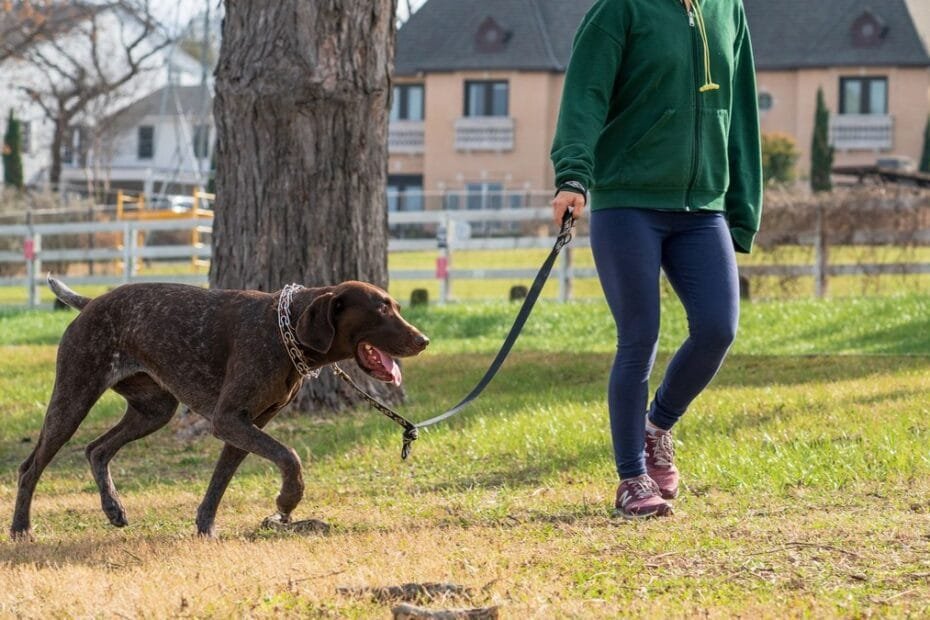
They’re not glamorous, but dog poop bags are one of those everyday essentials every dog owner needs — and the differences between them genuinely matter. A flimsy bag that tears or leaks is a nightmare on a walk, while a good one makes cleanup quick, hygienic, and stress-free. There’s also the growing question of eco-friendly options, since billions of these bags are used every year. This guide covers everything you need to know about dog poop bags: the types, what to look for, the truth about “biodegradable” claims, dispensers, and how to choose and use them responsibly.
Why Poop Bags Matter
Picking up after your dog isn’t just polite — it’s important for several reasons. Dog waste carries bacteria and parasites that can spread disease to other animals and people, and it pollutes soil and waterways if left behind. In most places, cleaning up after your dog in public is also legally required, with fines for failing to do so. Beyond all that, it’s simple courtesy to neighbors and fellow walkers. A reliable supply of good poop bags makes doing the right thing easy, every single walk. They’re a small item that plays a big role in public hygiene and being a responsible dog owner.
Types of Dog Poop Bags
Standard Plastic Bags
The most common and affordable option — basic plastic bags, often on rolls. They do the job cheaply and reliably, though they’re the least environmentally friendly choice.
Also Read
-
Best Kitten Toys: The Four Jobs, the Hands-Are-Never-Toys Law, and the Hunt Sequence

-
Best Dog Camping Gear: The Four Layers, the Backyard Test, and the Camp “Place”

-
Best Cat Tunnels: Portholes, the Crinkle Question, and Ambush Geometry That Gets Used

-
Best Elevated Dog Beds: Airflow Physics, the Three Specs, and the “Place” Bonus

Biodegradable & Compostable Bags
Marketed as breaking down faster or being made from plant-based materials, these appeal to eco-conscious owners. The reality is nuanced (more on that below), but quality compostable options are a greener choice when used correctly.
Scented Bags
Lightly scented to help mask odor — a nice-to-have for carrying a tied bag until you find a bin, though the scent is mild and personal preference varies.
Bags With Handles / Tie Handles
Bags with built-in handles make tying them shut quick and clean, keeping your hands further from the mess — a small but appreciated convenience.
Dispenser Refill Rolls
Compact rolls designed to fit a leash-mounted dispenser, so you always have a bag on hand. The most practical format for daily walks.
Dog poop bag picks on Amazon
Stock up on reliable, leak-proof bags:
What to Look For in a Poop Bag
- Leak-proof & thick enough — the most important quality; thin bags tear or leak, which is the worst-case scenario. Look for sturdy, leak-resistant bags.
- Adequate size — big enough for your dog’s output (larger dogs need larger bags).
- Easy to open — few things are more frustrating than fumbling to separate a bag mid-walk; good bags open easily.
- Comfortable to use — handles or a generous size make tying and carrying cleaner.
- Dispenser-compatible — if you use a leash dispenser, get rolls that fit it.
- Eco credentials — if the environment matters to you, look for genuine compostable certification.
The Truth About “Biodegradable” Bags
Here’s an honest take, because the labels can be misleading. Many bags marketed as “biodegradable” only break down under specific conditions, and in a typical landfill (starved of oxygen and light) even these can persist for a long time. “Compostable” bags certified to recognized standards are generally a better, more genuine eco-choice — but they often need an industrial composting facility to break down properly, and you should never compost dog waste in your home garden compost (it can contain harmful pathogens). The greenest realistic approach is to use certified compostable bags where you can and dispose of them properly, while being skeptical of vague “eco” claims. Don’t assume a green label means the bag harmlessly disappears.
Poop Bag Dispensers and Holders
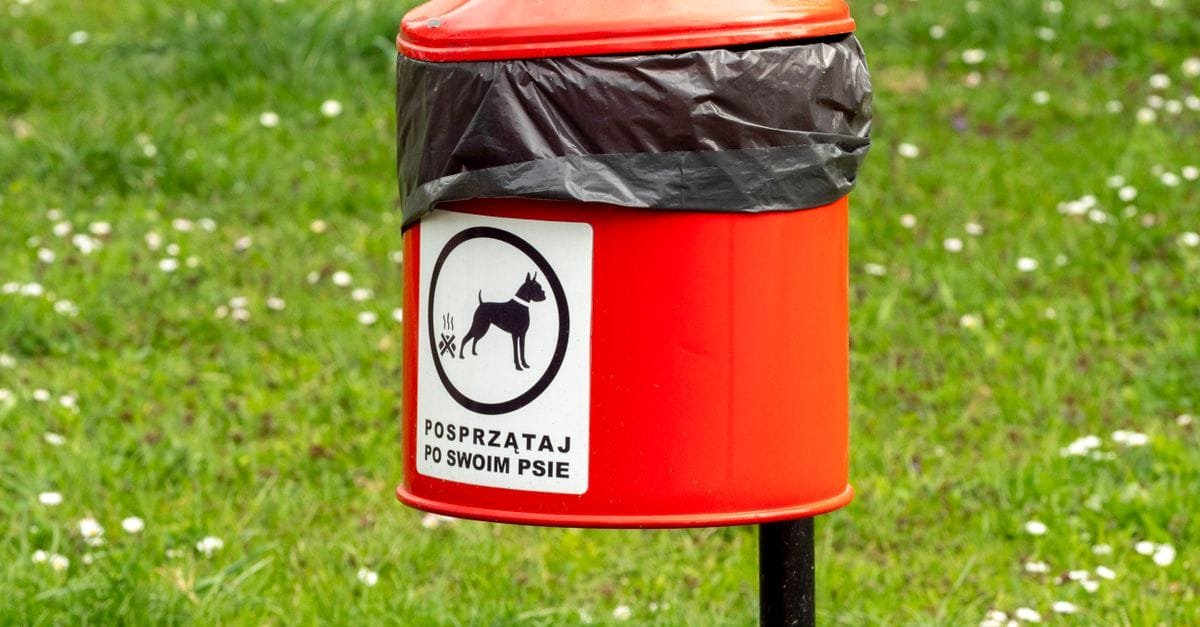
A dispenser is a simple, worthwhile accessory: a small holder that clips to your leash and holds a roll of bags, so you’re never caught without one. They’re cheap, convenient, and keep bags clean and accessible. Many come with a clip for attaching a tied bag too, so you’re not carrying it in your hand the whole walk. If you walk your dog regularly, a leash dispenser (plus refill rolls) makes life much easier — one of those small purchases that pays off daily.
How Many Poop Bags Do You Need?
It depends on your dog and routine, but it’s always better to have more than you think. Most owners buy in bulk — multi-roll or large-count packs — since they’re inexpensive and you use them constantly. Keep a roll in your dispenser, spares in your bag or car, and a stash at home. Running out mid-walk is exactly the situation you want to avoid, so stocking up is smart and economical.
Flushable Bags: A Word of Caution
Some bags are marketed as flushable, but proceed carefully. Many plumbing systems and septic tanks aren’t designed for them, and they can cause clogs, while local rules vary on whether dog waste should enter the sewer system at all. Unless you’re certain your plumbing and local regulations support it, the safest disposal is tying the bag and placing it in an appropriate waste bin. Don’t flush bags on assumption — a clog is a costly mistake.
Disposing of Dog Waste Responsibly
Always tie the bag securely and dispose of it in a designated waste or dog-waste bin — never leave a tied bag on the ground or hang it on a fence (a surprisingly common and unhelpful habit). Don’t put dog waste in home compost or recycling. If you’re using certified compostable bags, dispose of them according to the facilities available to you. Responsible disposal completes the job — picking up is only half of it; getting the bag into the right bin is the rest.
Poop Bags for Travel and Multiple Dogs
If you travel with your dog or have more than one, plan ahead. Keep extra bags in your car, travel kit, and home so you’re always covered, and consider larger-count packs for multi-dog households (you’ll go through them faster). A spare dispenser or a pack in your travel bag means a trip or a longer outing never catches you short. A little stocking-up makes managing one dog or several effortless.
A Note on Your Dog’s Health
Cleaning up gives you a daily window into your dog’s health — their stool is a useful indicator. Healthy dog poop is firm and consistent; watch for ongoing changes like diarrhea, unusual color, blood, mucus, or visible worms, which can signal dietary issues, parasites, or illness. Occasional soft stools happen, but persistent changes warrant a vet visit. So while it’s not the most pleasant task, that daily pickup is also a simple, valuable health check for your dog.
Common Poop Bag Mistakes to Avoid
- Buying bags that are too thin — the false economy that leads to tears and leaks.
- Running out — not keeping spares stocked in your dispenser, bag, and car.
- Leaving tied bags behind — on the ground or hung on fences; always bin them.
- Trusting vague “eco” claims — look for genuine compostable certification.
- Flushing bags unsafely — risking plumbing clogs.
- Composting dog waste at home — it can carry harmful pathogens.
Storing and Organizing Your Poop Bags
A little organization keeps you always prepared. Keep a roll loaded in your leash dispenser, a backup pack by the door where the leash lives, spares in your car or daily bag, and a larger stash in a cupboard at home. Store bags somewhere dry and out of direct sunlight, since heat and light can degrade some bags over time, especially thinner or compostable ones. Buying in bulk and distributing bags across every point you might need them — the door, the leash, the car, your pocket — means you are never caught short mid-walk. It is a tiny bit of setup that makes responsible cleanup completely automatic, so you never have that awkward moment of reaching for a bag and finding none.
Frequently Asked Questions
What should I look for in dog poop bags?
Most importantly, leak-proof, thick enough bags that won’t tear, in a size suited to your dog, that open easily. Handles add convenience, dispenser-compatible rolls are practical, and genuine compostable certification matters if you want an eco option.
Are biodegradable poop bags really better for the environment?
Sometimes, but the labels can mislead. Many “biodegradable” bags don’t break down well in typical landfills. Certified compostable bags are a more genuine eco-choice but often need industrial composting. Be skeptical of vague claims and dispose of bags properly.
Can I flush dog poop bags?
Be cautious — many plumbing and septic systems aren’t designed for them, and they can cause clogs, while local rules vary. Unless you’re certain it’s safe for your system and allowed locally, tie the bag and use a waste bin instead.
How many poop bags should I buy?
Buy in bulk — they’re cheap and used constantly. Keep a roll in your dispenser plus spares in your bag, car, and at home. It’s always better to have too many than to run out mid-walk.
Do I need a poop bag dispenser?
It’s not essential but very convenient — a leash-mounted dispenser keeps a roll of bags always on hand and often has a clip for the tied bag too. For regular walks, it’s a cheap, worthwhile accessory.
How should I dispose of dog waste?
Tie the bag securely and put it in a designated waste or dog-waste bin. Never leave tied bags on the ground or hang them on fences, don’t home-compost dog waste, and only flush if you’re certain it’s safe for your plumbing and allowed locally.
Key Takeaways
- Picking up after your dog protects health, the environment, and is usually legally required.
- Choose leak-proof, thick, appropriately sized bags that open easily; handles and dispensers add convenience.
- Be realistic about “biodegradable” claims — certified compostable is the more genuine eco-option.
- Buy in bulk, keep spares everywhere, and always bin tied bags properly — never leave them behind.
- Use the daily pickup as a quick health check, and see your vet about persistent stool changes.
Dog poop bags may be humble, but the right ones — reliable, leak-proof, and responsibly chosen and disposed of — make daily walks cleaner and easier while doing right by your community and the environment. Stock up on quality bags, add a dispenser, and you’re set. Explore more in our Pet Gear & Accessories guides.

Hello! I'm Khan Hisham, a dedicated student with a profound passion for enhancing the lives of pets through comprehensive care. At Pawspera, our mission—"Prospering Pets, Every Day"—drives everything we do. We are committed to providing the latest insights, tips, and products that ensure your pet's health and happiness. Join us at Pawspera as we explore innovative ways to care for our furry friends with love and dedication.