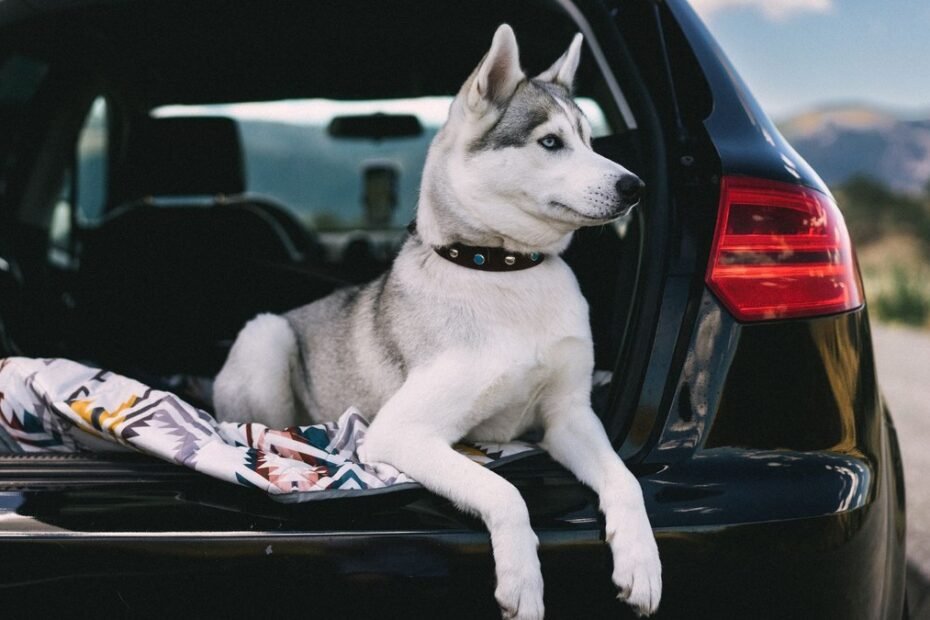
Watching your dog struggle to jump into the car, onto the bed, or up the couch — or land hard coming down — is tough, and over time those jumps can take a real toll on their joints. A dog ramp gives your pet a safe, gentle way up and down, protecting their body and giving you peace of mind. Ramps are a game-changer for senior dogs, small breeds, and any dog with joint or mobility issues. This guide covers the best dog ramps, the types available, how to choose the right one, and how to get your dog to use it.
Why Your Dog Might Need a Ramp
Jumping up and down from heights puts significant stress on a dog’s joints, spine, and ligaments — and the impact of landing is even harder on the body than climbing up. Over years, that repeated stress can contribute to joint wear, arthritis, and injuries. A ramp removes the jump entirely, letting your dog walk up and down at a gentle angle. It’s especially valuable for older dogs with stiff or arthritic joints, small breeds (where a couch is a huge leap), long-backed breeds like Dachshunds prone to spinal issues, dogs recovering from surgery or injury, and large heavy dogs whose size magnifies the impact. For many dogs, a ramp means continued comfort, independence, and mobility.
Ramp vs. Stairs: Which Is Better?
Both help dogs reach heights, but they suit different dogs. Ramps provide a smooth, continuous incline that’s gentlest on the joints and best for dogs with serious mobility or spinal issues — there’s no stepping impact. Pet stairs take up less floor space and some dogs find them more intuitive, but each step still involves a small jump-and-land. For senior, arthritic, post-surgery, or long-backed dogs, a ramp is usually the better, gentler choice; for able dogs who just need a little help onto a bed, stairs can work fine. When in doubt — especially for joint or back problems — a ramp is the safer pick.
Also Read
-
Best Kitten Toys: The Four Jobs, the Hands-Are-Never-Toys Law, and the Hunt Sequence

-
Best Dog Camping Gear: The Four Layers, the Backyard Test, and the Camp “Place”

-
Best Cat Tunnels: Portholes, the Crinkle Question, and Ambush Geometry That Gets Used

-
Best Elevated Dog Beds: Airflow Physics, the Three Specs, and the “Place” Bonus

Types of Dog Ramps
Car Ramps
Designed to help dogs get in and out of vehicles (SUVs, trucks, hatchbacks). They’re usually longer to manage the height, and often fold or telescope for storage in the boot.
Bed & Couch Ramps
Shorter indoor ramps that help dogs reach the bed or sofa without jumping. Great for small breeds and seniors who still want to snuggle up with you.
Folding Ramps
Fold in half (or more) for easy storage and portability — handy if you need to move the ramp around or pack it for travel.
Telescoping Ramps
Extend and retract to adjust length, and collapse compactly. Versatile for different heights and easy to store, though often a bit pricier.
Dog ramp picks on Amazon
Give your dog a safe, gentle way up and down:
What to Look For in a Dog Ramp
- Right length & gentle incline — longer ramps give a gentler slope, which is easier and safer on the joints. Avoid steep, short ramps.
- Weight capacity — it must comfortably support your dog’s weight with margin to spare.
- Non-slip surface — a grippy, textured surface so your dog feels secure and won’t slide.
- Stability — sturdy, with a non-slip base and secure footing so it doesn’t wobble or shift.
- Right width — wide enough for your dog to walk confidently without stepping off.
- Portability & storage — folding or telescoping if you’ll move or transport it; consider the weight if you’ll carry it.
- Durability — solid materials that hold up to repeated use indoors or outdoors.
Getting the Size and Incline Right
The single most important factor is the incline — the gentler the slope, the easier and safer it is for your dog, especially seniors and dogs with joint issues. A longer ramp creates a gentler angle for the same height, so measure the height your dog needs to reach (car boot, bed, couch) and choose a ramp long enough to keep the slope comfortable. A ramp that’s too short and steep can be as hard — or scary — as the original jump, so err on the side of a longer, lower-angle ramp. Also make sure it’s wide and stable enough for your dog to feel confident.
Which Dogs Benefit Most?
- Senior dogs — with stiff or arthritic joints that make jumping painful.
- Small breeds — for whom a bed or couch is a huge, jarring leap.
- Long-backed breeds (Dachshunds, Corgis, Basset Hounds) — prone to back and disc problems that jumping worsens.
- Dogs recovering from surgery or injury — who need to avoid impact while healing.
- Large & heavy dogs — whose size magnifies the stress of jumping and landing.
- Any dog you want to protect — preventing joint wear before problems start.
How to Train Your Dog to Use a Ramp
Some dogs take to a ramp instantly; others need encouragement. Introduce it gradually and positively. Start by laying the ramp flat or at a very low angle and let your dog explore and walk across it, rewarding them with treats and praise. Gradually increase the incline as their confidence grows. Lure them up and down with treats, keep sessions short and positive, and never force or rush a nervous dog — a bad early experience makes them avoid it. A non-slip surface helps them feel secure. With patience and rewards, most dogs learn to trot up and down their ramp happily within a few sessions.
Indoor vs. Car and Outdoor Use
Think about where you need the ramp most. Indoor bed and couch ramps tend to be shorter and can be more decorative, sometimes with carpeted surfaces. Car and outdoor ramps need to be longer (to manage greater height), more rugged, weather-resistant, and ideally folding or telescoping for storage in the vehicle. If you need help in multiple places, a portable folding or telescoping ramp can do double duty. Match the ramp’s length, durability, and portability to its main job.
Safety Tips
Place the ramp on a stable, non-slip floor and make sure it’s securely positioned before your dog uses it — a ramp that slips can cause a fall and a lasting fear. Supervise nervous or unsteady dogs, especially at first and on steeper inclines. Keep the surface clean and grippy, check the ramp regularly for wear or loose parts, and don’t exceed its weight limit. For car ramps, ensure it’s firmly seated against the vehicle. A little care with setup keeps the ramp doing its job: making movement safer, not riskier.
A Note on Your Dog’s Joint Health
A ramp helps protect and accommodate your dog’s joints, but if your dog is increasingly reluctant to jump, seems stiff, limps, struggles to rise, or shows signs of pain, that warrants a vet visit — these can signal arthritis or other issues that benefit from veterinary care alongside a ramp. Your vet may also recommend joint supplements, weight management, or other support. A ramp is a wonderful aid, but it works best as part of overall attention to your dog’s mobility and comfort, especially as they age.
Caring for Your Dog Ramp
A little maintenance keeps a ramp safe and long-lasting. Wipe down the surface regularly to keep it clean and grippy — mud, hair, and grime reduce traction. Check the hinges, joints, and feet periodically for wear, looseness, or damage, and tighten or repair as needed so the ramp stays stable. Store folding or telescoping ramps somewhere dry to prevent rust or warping, and keep outdoor and car ramps protected from the weather when not in use. A well-cared-for ramp stays steady and non-slip — which is exactly what keeps your dog safe using it.
Frequently Asked Questions
What is the best dog ramp?
The best ramp has a gentle incline (long enough for an easy slope), a non-slip surface, enough weight capacity, and good stability. Choose a car ramp, bed ramp, or folding/telescoping model based on where you need it and your dog’s size. Gentle angle and grip matter most.
Is a ramp or stairs better for dogs?
A ramp is gentler on the joints with no stepping impact, making it best for senior, arthritic, long-backed, or recovering dogs. Stairs take less space and suit able dogs needing a small boost, but each step still has a little jump. For joint or back issues, choose a ramp.
How long should a dog ramp be?
Long enough to create a gentle slope for the height your dog needs to reach — the longer the ramp, the easier the angle. Measure the height (car, bed, couch) and pick a ramp that keeps the incline comfortable, especially for seniors and dogs with joint problems.
How do I get my dog to use a ramp?
Introduce it gradually — start flat or low, let your dog explore it, and lure them across with treats and praise, increasing the incline as their confidence grows. Keep sessions short and positive, use a non-slip surface, and never force a nervous dog.
Are dog ramps good for small dogs?
Yes — for small breeds, jumping onto a bed or couch is a big, jarring leap that stresses their joints and back. A gentle ramp lets them get up and down safely, which is especially important for long-backed breeds prone to spinal issues.
Can a ramp help a dog with arthritis?
Very much so — a ramp removes the painful impact of jumping and landing, making it easier and more comfortable for arthritic dogs to reach the car, bed, or couch. Pair it with veterinary care and any recommended joint support for the best results.
Key Takeaways
- A dog ramp removes the joint-stressing impact of jumping up and down from heights.
- It’s ideal for senior, small, long-backed, recovering, and large heavy dogs — and protects any dog’s joints.
- Prioritize a gentle incline (longer ramp), non-slip surface, weight capacity, and stability.
- Choose car, bed, folding, or telescoping styles based on where and how you’ll use it.
- Introduce it gradually with treats, set it up safely, and see your vet about any mobility or pain concerns.
A good dog ramp is a simple way to protect your dog’s joints and keep them moving comfortably for years — no more painful jumps onto the bed or hard landings out of the car. Choose a gentle, stable, non-slip ramp sized for your needs, introduce it patiently, and your dog will thank you with easier, happier movement. Explore more in our Pet Gear & Accessories guides.

Hello! I'm Khan Hisham, a dedicated student with a profound passion for enhancing the lives of pets through comprehensive care. At Pawspera, our mission—"Prospering Pets, Every Day"—drives everything we do. We are committed to providing the latest insights, tips, and products that ensure your pet's health and happiness. Join us at Pawspera as we explore innovative ways to care for our furry friends with love and dedication.