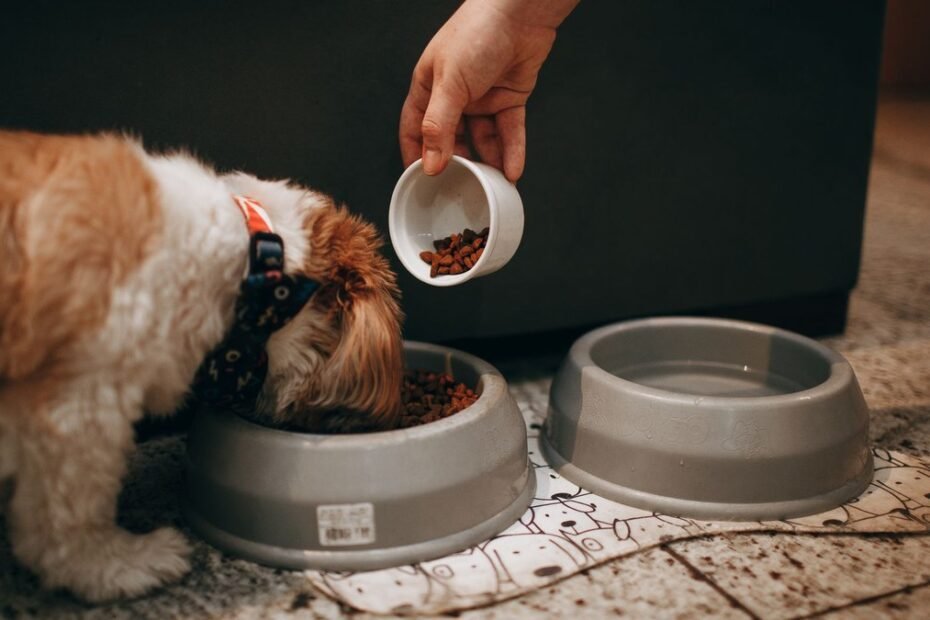
Does your dog inhale their food in seconds flat? That gulping isn’t just amusing — eating too fast can cause real problems, from choking and vomiting to a dangerous condition called bloat. A slow feeder bowl is a simple, affordable fix: its ridges and mazes turn wolfing down dinner into a fun puzzle that takes minutes instead of seconds. This guide explains how slow feeder bowls work, their benefits, the types available, how to choose one, and which dogs need them most — so mealtime becomes safer and more satisfying for your dog.
What Is a Slow Feeder Bowl?
A slow feeder bowl is a dog dish with built-in ridges, mazes, or obstacles that the food sits between, so your dog has to nose and lick around them to eat. Instead of gulping a full bowl in one go, your dog works for each mouthful, which naturally slows eating down to a healthier pace. It’s the same food and the same amount — just spread out so it can’t be inhaled all at once. Simple, but surprisingly effective.
Why Eating Too Fast Is a Problem
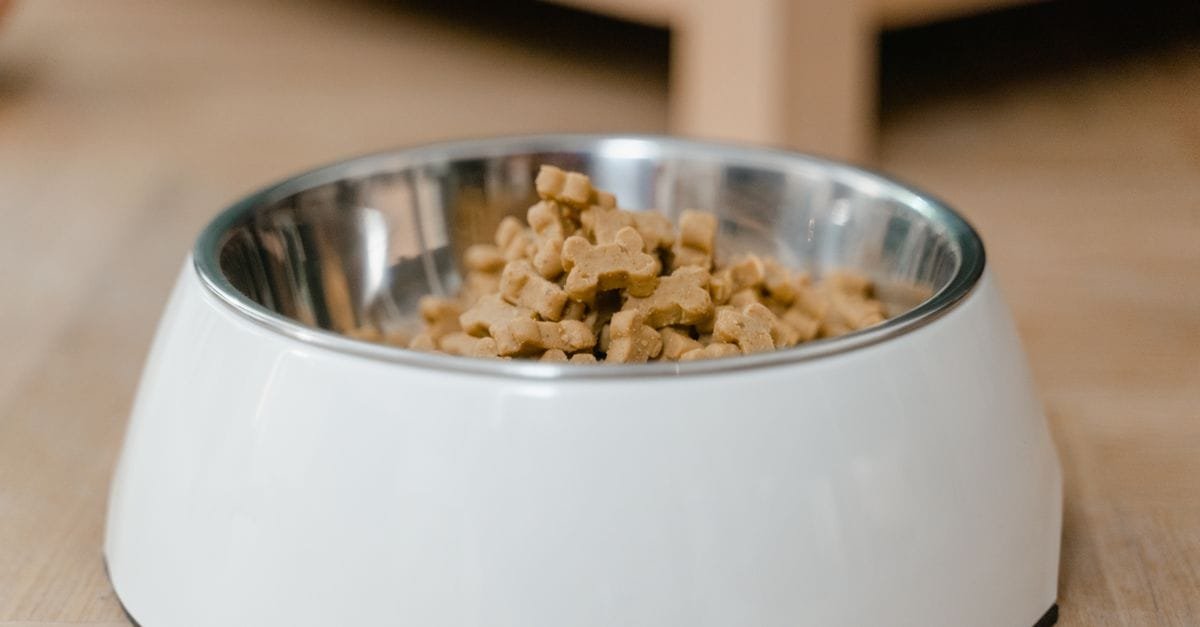
Fast eating isn’t harmless. When a dog gulps food, they swallow a lot of air along with it, which can cause discomfort, gas, and vomiting (you’ve probably seen a dog throw up right after a too-quick meal). More seriously, fast eating is a risk factor for bloat (gastric dilatation-volvulus), a life-threatening emergency where the stomach fills with gas and can twist — especially dangerous in large, deep-chested breeds. Gulping also raises the risk of choking and can contribute to overeating and weight gain, since dogs eat faster than their body can signal fullness. Slowing the meal down addresses all of these.
Also Read
-
Best Kitten Toys: The Four Jobs, the Hands-Are-Never-Toys Law, and the Hunt Sequence

-
Best Dog Camping Gear: The Four Layers, the Backyard Test, and the Camp “Place”

-
Best Cat Tunnels: Portholes, the Crinkle Question, and Ambush Geometry That Gets Used

-
Best Elevated Dog Beds: Airflow Physics, the Three Specs, and the “Place” Bonus

The Benefits of a Slow Feeder
- Slows eating — the core benefit, reducing gulping and the air swallowed with it.
- Aids digestion — a slower, calmer meal is easier on the stomach and reduces vomiting and gas.
- Lowers bloat and choking risk — particularly valuable for large, deep-chested breeds.
- Mental stimulation — the puzzle aspect engages your dog’s brain and makes mealtime more rewarding.
- Helps with weight — slower eating gives the body time to feel full, supporting portion control.
- Reduces boredom — turns a five-second meal into an enjoyable activity.
Slow feeder picks on Amazon
Help your dog eat at a healthier pace:
Types of Slow Feeders
Maze / Ridged Bowls
The most common type — a bowl with raised ridges or a maze pattern that food sits between. They come in varying difficulty levels and are easy to use for everyday meals with dry or wet food.
Lick Mats
Flat mats with textured surfaces you spread soft food, wet food, or treats onto. Your dog licks to eat, which is slow, soothing, and great for calming anxious dogs — many stick to a wall or floor.
Puzzle Feeders
More advanced toys with compartments, sliders, or moving parts your dog must solve to release food. These offer the most mental stimulation and are excellent for smart, bored, or high-energy dogs.
Snuffle Mats
Fabric mats with fabric “grass” you hide kibble in, so your dog sniffs and forages to find it. They tap into a dog’s natural scenting instinct and provide both slow feeding and enrichment.
What to Look For
- Right size and difficulty — suited to your dog’s size, snout shape, and how cleverly they eat (start easier and increase the challenge).
- Safe, non-toxic material — food-grade, BPA-free plastic, silicone, or stainless steel.
- Non-slip base — so the bowl stays put while your dog noses at it.
- Easy to clean — ideally dishwasher-safe; the grooves can trap food.
- Appropriate for the food type — some suit dry kibble, others wet food or treats (lick mats).
- Durability — sturdy enough that a determined dog can’t chew chunks off.
Which Dogs Benefit Most?
Slow feeders are a great idea for almost any dog, but especially: fast eaters who gulp their food; large and deep-chested breeds (like Great Danes, Boxers, and German Shepherds) at higher risk of bloat; dogs prone to vomiting or gas after meals; dogs on a weight-management plan; and bored or high-energy dogs who benefit from the mental challenge. If your dog finishes a meal in seconds or throws up afterward, a slow feeder is one of the simplest, cheapest improvements you can make.
How to Introduce a Slow Feeder
Most dogs take to a slow feeder quickly, but a gentle introduction helps. Start with an easier design or a lower difficulty so your dog doesn’t get frustrated, and use food they love to keep them motivated. Let them figure it out at their own pace — the working-for-food is part of the benefit. If your dog seems stressed or gives up, make it easier (a shallower maze or fewer obstacles) and build up. Within a few meals, most dogs settle into the new, slower rhythm and even seem to enjoy the puzzle.
Slow Feeder vs. Puzzle Feeder vs. Lick Mat
They overlap but suit different goals. A maze slow feeder is the easy everyday choice for regular meals. A puzzle feeder adds more mental challenge — better for smart or bored dogs and enrichment than for every single meal. A lick mat is ideal for soft food or treats and for calming anxious dogs (great during baths or nail trims), while a snuffle mat taps foraging instincts. Many owners use a maze bowl daily and bring out puzzle feeders, lick mats, or snuffle mats for variety and enrichment.
Cleaning and Care
Slow feeders have lots of nooks where food can hide, so clean them regularly to prevent bacteria and odor — ideally a dishwasher-safe design makes this easy, but a brush gets into the grooves if hand-washing. Lick mats and snuffle mats need washing too (check whether the fabric is machine-washable). Keeping the feeder clean protects your dog’s health and keeps mealtimes hygienic.
A Note on Safety and Health
Supervise determined chewers, especially with plastic feeders — if your dog tries to bite chunks off rather than eat from it, choose a tougher material (like stainless steel) or a different type. More importantly, a slow feeder reduces but doesn’t eliminate the risk of bloat: if your dog shows signs of bloat — a swollen, hard belly, unproductive retching, restlessness, or distress, often after eating — treat it as an emergency and contact your vet immediately. And if fast eating, vomiting, or appetite changes persist, talk to your veterinarian, as they can point to underlying issues worth checking.
Common Mistakes to Avoid
A few easy mistakes reduce a slow feeder’s benefit. Choosing one that’s too difficult too soon can frustrate your dog — start easy and build up. Not cleaning it regularly lets food and bacteria build up in the grooves. Overfilling it defeats the purpose, so stick to your dog’s normal portion spread across the bowl. And don’t assume a slow feeder fixes everything: it’s one tool, best combined with appropriate portion sizes and, for at-risk breeds, the bloat precautions your vet recommends. Used thoughtfully, it’s a genuinely effective everyday upgrade.
Other Ways to Slow Down a Fast Eater
If you don’t have a slow feeder handy, a few tricks help in the meantime. Spread kibble across a large flat tray or baking sheet so your dog has to hunt for each piece, or use a clean muffin tin with food in each cup. Placing a large, safe, inedible object in the middle of a normal bowl so your dog must eat around it works too. Feeding smaller portions more often, and hand-feeding or scatter-feeding part of a meal, also slows things down and adds enrichment. A dedicated slow feeder is easiest, but these everyday hacks help any fast eater.
Frequently Asked Questions
Do slow feeder bowls really work?
Yes — the ridges and mazes genuinely force dogs to eat more slowly, reducing gulping, the air swallowed with food, vomiting, and the risk of bloat and choking. They also add mental stimulation. They’re a simple, effective fix for fast eaters.
Are slow feeders good for all dogs?
They benefit most dogs and are especially valuable for fast eaters, large deep-chested breeds at bloat risk, dogs that vomit after meals, and those managing their weight. Choose a size and difficulty suited to your dog, and supervise strong chewers.
What’s the difference between a slow feeder and a puzzle feeder?
A maze slow feeder is an easy everyday bowl that simply slows eating, while a puzzle feeder has compartments or moving parts for more mental challenge — better for enrichment and smart or bored dogs. Many owners use both.
Can I use a slow feeder with wet food?
Yes — many work with wet food, and lick mats are specifically designed for soft food and treats. Just choose a design suited to the food type and one that’s easy to clean, since wet food can stick in the grooves.
How do I clean a slow feeder bowl?
Wash it regularly — a dishwasher-safe design makes this easiest, or use a brush to reach into the ridges by hand. Regular cleaning prevents trapped food, bacteria, and odor, keeping mealtimes hygienic.
Will a slow feeder prevent bloat?
It reduces a key risk factor (fast eating) but can’t guarantee prevention. Bloat is a medical emergency, so if you see a swollen belly, unproductive retching, or distress, contact your vet immediately, especially with large, deep-chested breeds.
Key Takeaways
- Slow feeders use ridges and mazes to make dogs eat more slowly — reducing gulping, gas, vomiting, and bloat risk.
- Types include maze bowls, lick mats, puzzle feeders, and snuffle mats, each with different benefits.
- Choose the right size, difficulty, safe material, non-slip base, and easy cleaning.
- They’re especially valuable for fast eaters, large deep-chested breeds, and weight management.
- Introduce gently, keep it clean, supervise chewers, and treat any signs of bloat as a vet emergency.
A slow feeder bowl is one of the cheapest, simplest upgrades you can make to your dog’s daily routine — turning a risky five-second gulp into a safe, satisfying, brain-engaging meal. Pick the type and difficulty that suits your dog, keep it clean, and enjoy a calmer, healthier mealtime. Explore more in our Pet Gear & Accessories guides.

Hello! I'm Khan Hisham, a dedicated student with a profound passion for enhancing the lives of pets through comprehensive care. At Pawspera, our mission—"Prospering Pets, Every Day"—drives everything we do. We are committed to providing the latest insights, tips, and products that ensure your pet's health and happiness. Join us at Pawspera as we explore innovative ways to care for our furry friends with love and dedication.