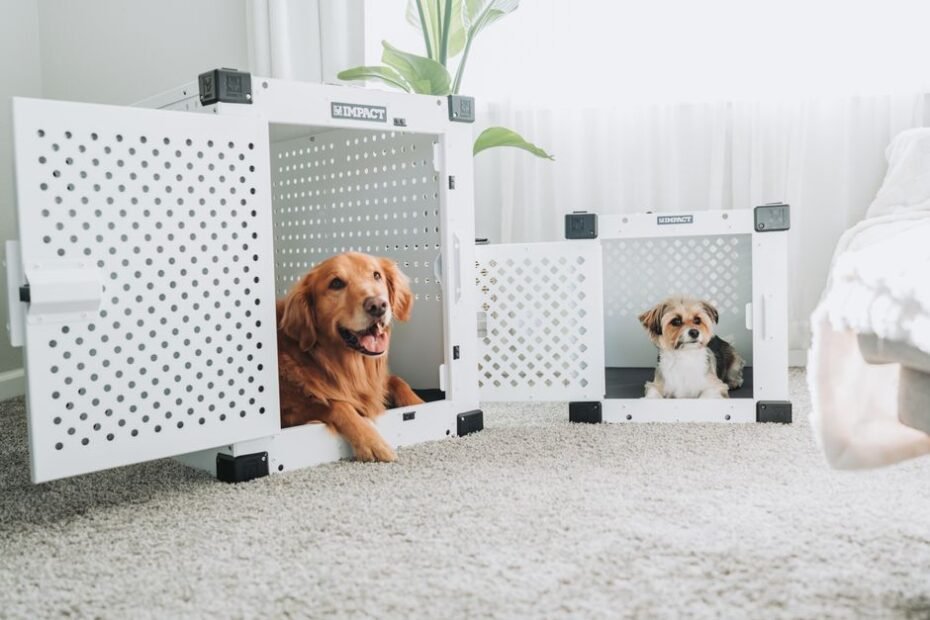
The right crate becomes your dog’s own cosy den — a safe place to rest, a huge help with house-training, and peace of mind when you’re out. The wrong one is either a flimsy escape act or so big it stops feeling secure. The secret is matching the crate type and size to your dog. Our top pick for 2026 is the MidWest iCrate — the affordable, do-everything wire crate most dogs and owners are happiest with.
Below are ten crates worth buying this year, sorted by how you’ll use them — best overall, best budget, best for travel, best heavy-duty, best furniture-style, and more. First, a quick guide so you buy the right size and style once.
How to choose a dog crate
Get the size right first
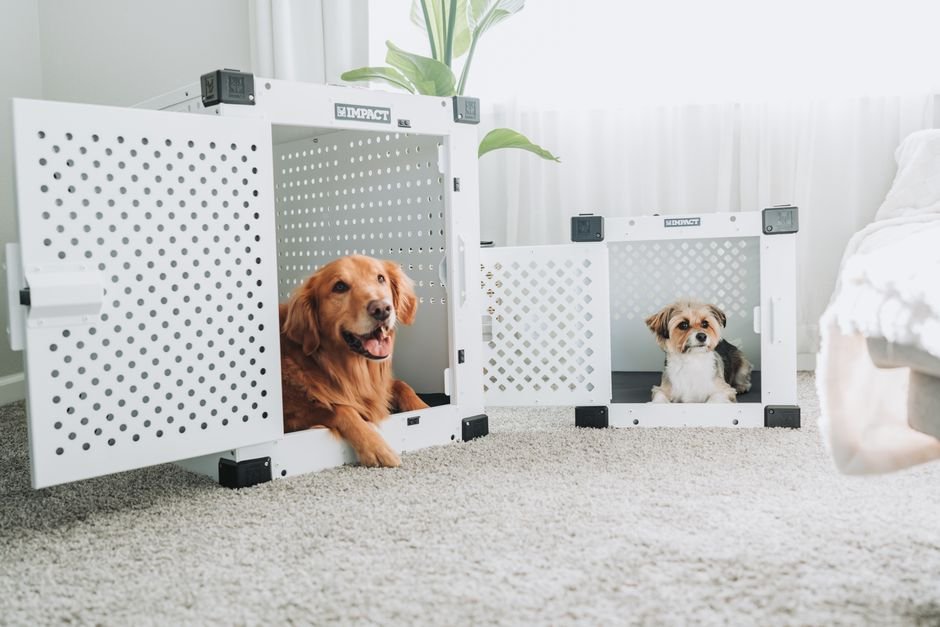
Size is the make-or-break decision. Your dog should be able to stand up, turn around and lie down comfortably — and no bigger, or house-training gets harder (a dog will potty in the spare corner of a too-large crate).
Also Read
-
Best Kitten Toys: The Four Jobs, the Hands-Are-Never-Toys Law, and the Hunt Sequence

-
Best Dog Camping Gear: The Four Layers, the Backyard Test, and the Camp “Place”

-
Best Cat Tunnels: Portholes, the Crinkle Question, and Ambush Geometry That Gets Used

-
Best Elevated Dog Beds: Airflow Physics, the Three Specs, and the “Place” Bonus

Crates are sold by length in inches, matched to weight. Find your dog’s exact size with our Dog Crate Size Finder before you shop.
Growing a puppy? Buy the adult size and use a divider panel to shrink the space for now — and estimate their grown-up weight with our Puppy Weight Predictor.
Know the crate types
Each style suits a different need:
- Wire — airy, foldable, easy to clean, with a divider for puppies. The everyday all-rounder.
- Plastic — enclosed and den-like; calming for anxious dogs and required for most air travel.
- Soft-sided — light and packable for camping, trips and calm, trained dogs.
- Heavy-duty — reinforced steel for powerful chewers and escape artists.
- Furniture-style — a wooden crate that doubles as an end table, for living rooms.

Match it to your dog’s temperament
A calm, crate-trained dog is happy in almost anything, including a light soft crate. A determined chewer or anxious escaper needs a sturdy wire or heavy-duty crate with secure latches. A nervous dog often settles best in an enclosed plastic den.
Safety & crate training
A crate should feel like a reward, never a punishment. Look for rounded edges, secure slide-bolt or dual latches, and a leak-proof tray.
Introduce it slowly with treats and meals, keep sessions short at first, and never leave a dog crated for too long — as a rough guide, no more than a few hours for adults, and far less for puppies.
Do you even need a crate?
Not every dog needs one forever, but most benefit at some stage.
A crate is genuinely useful for house-training a puppy, giving a nervous dog a safe retreat, keeping a recovering dog still after surgery, and travelling safely. Many well-adjusted adult dogs then use it less over time, leaving the door open as an optional den.
If you’d rather not crate long-term, that’s fine — but having one for training, travel and emergencies is almost always worth it.
What to put in your dog’s crate
A few simple things turn a bare crate into a welcoming den.
Add a comfy, correctly-sized bed or a washable mat, a safe chew or a stuffed toy to keep them busy, and — for puppies — a piece of clothing that smells of you for comfort. In warm weather a cooling mat helps.
Skip anything your dog might destroy and swallow, and keep water available for longer stays with a spill-proof, clip-on bowl rather than a tippable dish.
The best dog crates for 2026
1. MidWest iCrate — Best overall
Best for: most dogs and owners; the do-everything wire crate.
The iCrate is the gold standard for a reason — double doors, a divider and leak-proof tray included, five sizes, rounded safety corners, and folds flat in seconds. All at a genuinely budget price.
Skip it if your dog is a serious escape artist — then step up to heavy-duty.
2. Amazon Basics Wire Crate — Best budget
Best for: a solid, no-frills wire crate for the lowest price.
It covers the essentials — folding wire build, divider, and a slide-out tray — for even less than the classics. A dependable first crate.
3. Diggs Revol — Best premium
Best for: owners who want a safer, stylish crate that looks good in the home.
The Revol is the design-led favourite — a collapsible frame, diamond-mesh that won’t trap paws or teeth, a handy side “puppy door”, and a modern look. It’s an investment, but a lovely one.
Skip it if you’re on a budget — this is a splurge.
4. Petmate Ultra Vari Kennel — Best for travel
Best for: car journeys and air travel.
This enclosed plastic kennel is tough, den-like and meets most airline requirements, with solid ventilation and a secure door. The reassuring choice for getting your dog from A to B.
5. EliteField 3-Door Soft Crate — Best soft & portable
Best for: calm, trained dogs, camping and trips.
Lightweight, foldable and comfy, with three zippered doors and a carry bag. It packs down small for travel — just not for chewers, who can work through the fabric.
6. ProSelect Empire — Best heavy-duty
Best for: powerful chewers, escape artists and giant breeds.
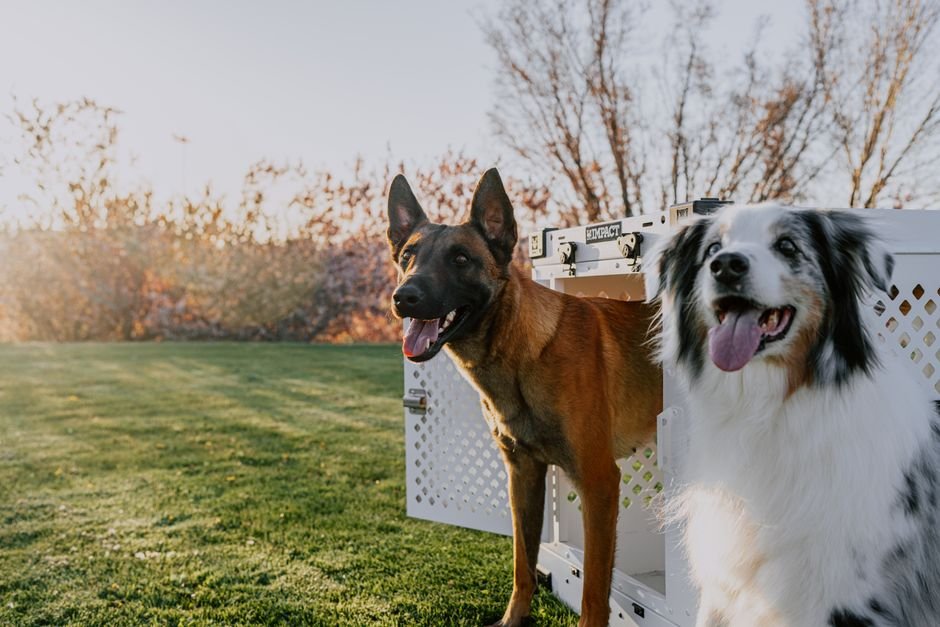
Built from heavy-gauge steel with a reinforced frame and a secure locking latch, the Empire is as close to escape-proof as crates get. Serious kit for serious dogs.
7. Merry Products Furniture Crate — Best furniture-style
Best for: living rooms where a wire crate would stick out.
A wooden crate that doubles as a side table, so your dog’s den blends into your décor. Handsome and practical for calm, house-trained dogs.
8. Casual Home Wooden Pet Crate — Best value wooden
Best for: a furniture look on a smaller budget.
This wooden crate-table offers the same blend-in appeal as pricier furniture crates for less, with a slatted design and a flat top for a lamp or plant.
9. MidWest Ovation — Best space-saving
Best for: tight spaces and easy access.
The Ovation’s door lifts up and slides back like a garage door, so you don’t need clearance for a swing-out door. Ideal beside a desk or in a small room.
10. Frisco Plastic Kennel — Best den for anxious dogs
Best for: nervous dogs who feel safest enclosed.
An affordable plastic kennel with a cosy, covered feel that many anxious dogs prefer to open wire. Also handy for car trips and quick clean-ups.
At-a-glance comparison
| Crate | Best for | Type | Stand-out |
|---|---|---|---|
| MidWest iCrate | Overall | Wire | Divider + tray, folds flat, cheap |
| Amazon Basics | Budget | Wire | Essentials for less |
| Diggs Revol | Premium | Wire (design) | Paw-safe mesh, stylish |
| Petmate Ultra Vari | Travel | Plastic | Airline-friendly, den-like |
| EliteField 3-Door | Portable | Soft | Light, packs small |
| ProSelect Empire | Heavy-duty | Steel | Escape-resistant |
| Merry Products | Furniture | Wooden | Doubles as a table |
| Casual Home | Value wooden | Wooden | Furniture look for less |
| MidWest Ovation | Space-saving | Wire | Garage-style door |
| Frisco Plastic | Anxious dogs | Plastic | Cosy enclosed den |
What size dog crate do I need?
Your dog should stand, turn and lie down with a little room to spare — no more. As a rough guide by weight: 24-inch crates suit toy breeds, 30-inch small dogs, 36-inch medium dogs, 42-inch large dogs, and 48-inch or bigger for the giants.
For an exact recommendation, use our Dog Crate Size Finder, and explore more free tools on our pet calculators page.
How to crate train your dog
A crate works best when your dog chooses to love it. Take it slowly:
- Make it inviting. Add a soft bed and leave the door open so your dog can explore freely.
- Feed inside. Serve meals and toss treats into the crate so it becomes a happy place.
- Build up time. Close the door for a few minutes, then gradually longer, always rewarding calm.
- Never use it as punishment. The crate must stay a safe den, not a time-out, or your dog will resist it.
Go at your dog’s pace — rushing crate training is the fastest way to create a dog that hates the crate.
Common crate mistakes to avoid
- Buying the wrong size. Too big hurts house-training; too small is unkind — size it properly.
- Leaving your dog too long. Crates aren’t for all-day confinement; puppies especially need frequent breaks.
- Using it as punishment. That turns the den into something your dog fears.
- Skipping the divider for puppies. Buy the adult size and shrink it — don’t keep re-buying crates.
- Ignoring escape risk. Match the strength of the crate to a chewer or a determined dog.
Key takeaways
- Best overall: MidWest iCrate — affordable, folds flat, divider and tray included.
- Best budget: Amazon Basics wire crate.
- Best for travel: Petmate Ultra Vari plastic kennel.
- Size it right: use our Dog Crate Size Finder and buy adult-size with a divider for puppies.
- Match the type to your dog — heavy-duty for chewers, plastic for anxious dogs, soft for calm travellers.
- Crate train gently — it should always feel like a safe den, never a punishment.
Frequently Asked Questions
What size dog crate do I need?
Your dog should be able to stand, turn around and lie down comfortably, and no bigger. Match the crate length in inches to your dog’s adult weight — our Dog Crate Size Finder gives you the exact size, and a divider lets a puppy grow into it.
What type of dog crate is best?
A folding wire crate suits most dogs and homes, plastic kennels are best for travel and anxious dogs, soft crates are great for calm dogs on the move, and heavy-duty steel crates are for powerful chewers. Furniture-style wooden crates blend into a living room.
Are dog crates cruel?
Not when used kindly. Dogs are natural den animals, and a properly sized, positively introduced crate becomes a safe retreat they choose to use. It becomes unkind only if it’s too small, used as punishment, or the dog is confined too long.
How long can a dog stay in a crate?
As a rough guide, adult dogs shouldn’t be crated more than a few hours at a stretch, and puppies far less — roughly one hour per month of age, up to a point. Crates are for rest and training, not all-day confinement.
What size crate for a puppy?
Buy the crate sized for your dog’s expected adult weight and use the divider panel to shrink it while they’re small. That prevents a too-big space (which hurts house-training) without buying several crates as they grow.
How do I stop my dog escaping the crate?
Choose a sturdy wire or heavy-duty crate with secure slide-bolt or dual latches, make sure the size is right, and address the anxiety or boredom behind the escaping with training and enrichment. Determined dogs may need a reinforced steel crate.
Where should I put my dog’s crate?
In a quiet corner of a room the family uses, out of direct sun and drafts. Dogs are social, so a spot where they can see you helps them relax — many owners keep one in the bedroom at night and a second in the living area.
Should I cover my dog’s crate?
Many dogs feel calmer with a breathable cover or blanket over part of the crate, which makes it more den-like. Leave good airflow, and skip the cover if your dog likes to see out or tends to overheat.
Wire, plastic or soft crate — which should I buy?
Choose wire for an everyday, breathable crate with a divider for puppies; plastic for travel and dogs who feel safest enclosed; and soft-sided for calm, trained dogs you carry around. Powerful chewers need heavy-duty steel, and furniture-style crates suit living rooms.
How much should a dog crate cost?
A good wire crate runs roughly $30–$90 depending on size, which covers most dogs beautifully. Premium design crates and heavy-duty steel models can run $200–$500. Spend more only if you need the extra strength, the airline-ready build, or the furniture look — not by default.
My dog cries in the crate — what do I do?
Go back a step in training: shorten the time, reward calm quietly, and make sure they’ve had exercise and a toilet break first. Avoid letting them out while they’re crying, which teaches crying to work — wait for a quiet moment, then release.

Hello! I'm Khan Hisham, a dedicated student with a profound passion for enhancing the lives of pets through comprehensive care. At Pawspera, our mission—"Prospering Pets, Every Day"—drives everything we do. We are committed to providing the latest insights, tips, and products that ensure your pet's health and happiness. Join us at Pawspera as we explore innovative ways to care for our furry friends with love and dedication.