
Dental disease is one of the most common health problems in dogs — and one of the most overlooked. By a few years old, many dogs show signs of it, and it can lead to pain, tooth loss, and even affect organs. Dental chews are an easy, dog-approved way to support oral health between brushings. This guide explains how dental chews work, what to look for, their benefits and limits, and how to use them safely.
Why Dental Health Matters
Plaque and tartar build up on dogs’ teeth just like ours, leading to gum disease, bad breath, pain, and tooth loss — and the bacteria involved can affect overall health. Good dental care helps your dog avoid discomfort and costly veterinary dental procedures. While brushing is the gold standard, dental chews are a practical, enjoyable supplement that many dogs love, helping reduce plaque and tartar through chewing action.
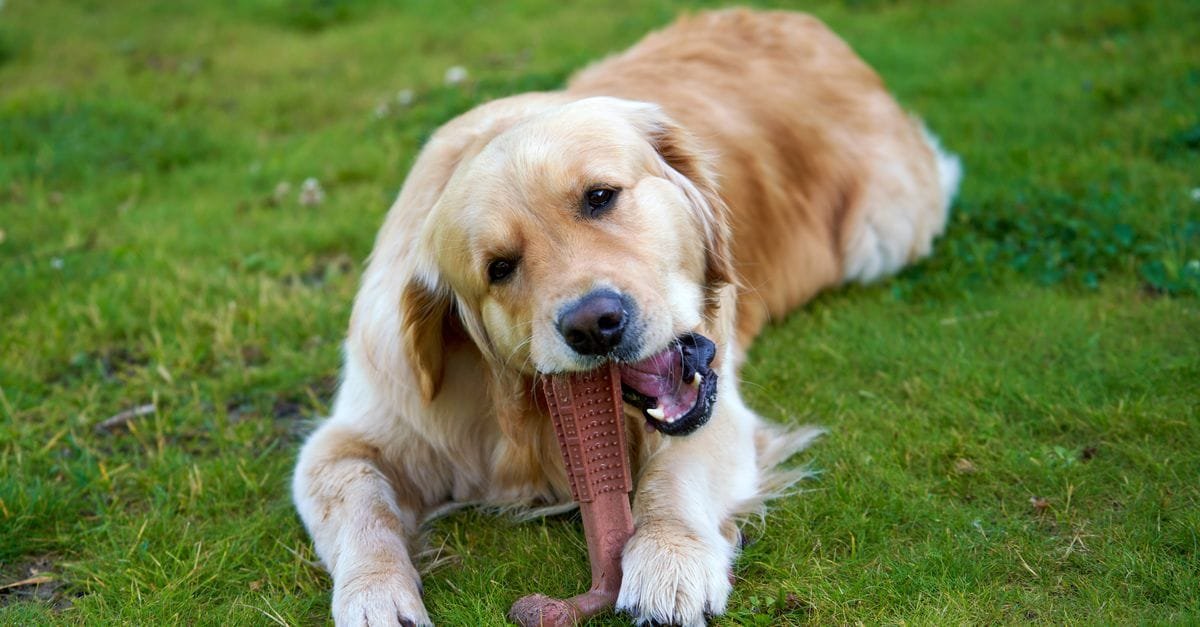
How Dental Chews Work
Dental chews work in two main ways: the mechanical action of chewing helps scrape away plaque and tartar from the teeth, and some contain active ingredients that help reduce plaque buildup or freshen breath. The chewing also stimulates saliva, which naturally helps clean the mouth. They’re not a magic fix, but used regularly they’re a helpful part of a dental routine — and dogs see them as a treat, so compliance is easy.
Also Read
-
How to Remove a Tick From a Dog: The Grip, the Folklore Ban, and the Watch Window
-
Why Does My Cat Drink So Much Water? The Benign List, the Big Three, and the Measure

-
How to Protect Dog Paws From Hot Pavement: The Seven-Second Test and Three Substitutions

-
How to Keep Dogs Cool in Summer: The Schedule, the Risk Tiers, and the Emergency Protocol

What to Look For in Dental Chews
- Veterinary-accepted options — look for products recognized by veterinary dental authorities for proven effectiveness.
- Right size for your dog — chews must match your dog’s size to be safe and effective (too small is a choking risk).
- Quality ingredients — digestible, with minimal fillers and no harmful additives.
- Appropriate texture — firm enough to clean teeth but not so hard it risks cracking them.
- Calorie content — chews add calories, so factor them into your dog’s daily intake.
Dog dental chew picks on Amazon
Support your dog’s oral health:

Dental Chews vs. Brushing
Brushing your dog’s teeth with dog-safe toothpaste is the most effective at-home dental care — nothing removes plaque as well. But brushing daily isn’t always realistic, and that’s where chews shine: they’re easy, dogs enjoy them, and they fill the gaps. The ideal routine combines both — brush when you can, use dental chews regularly, and back it up with professional veterinary dental checks. Think of chews as a valuable supplement, not a complete replacement for brushing.
Safety Tips for Dental Chews
Use chews safely: always pick the correct size for your dog, supervise chewing (especially with aggressive chewers or new products), and take away small end pieces that could be swallowed or cause choking. Avoid chews that are excessively hard, which can crack teeth. Introduce new chews gradually to check they agree with your dog’s stomach, and account for the calories. If your dog has existing dental disease, a sensitive stomach, or any health condition, check with your vet first.
When to See the Vet
Dental chews support oral health but don’t replace professional care. See your vet if you notice bad breath that won’t go away, red or bleeding gums, brown tartar buildup, difficulty eating, pawing at the mouth, or loose teeth — these signal dental disease that needs treatment. Most dogs benefit from periodic professional dental cleanings. Regular vet dental checks catch problems early, before they become painful or costly.

Frequently Asked Questions
Do dental chews actually work for dogs?
Yes, as part of a routine — the chewing action helps reduce plaque and tartar, and some contain ingredients that fight buildup or freshen breath. They’re a helpful supplement to brushing, not a complete replacement.
Are dental chews enough, or do I still need to brush?
Brushing is the most effective at-home dental care, so it’s ideal to do both. Dental chews fill the gaps when daily brushing isn’t realistic, and combining them with vet checkups gives the best oral health.
How often can I give my dog dental chews?
Many are designed for daily use, but follow the product guidance and account for the calories in your dog’s daily intake. Choose the correct size for your dog and supervise chewing for safety.
Are dental chews safe for all dogs?
Most dogs do well with appropriately sized, quality chews, but supervise chewing and avoid overly hard products that can crack teeth. For dogs with dental disease, sensitive stomachs, or health conditions, check with your vet first.
Key Takeaways
- Dental disease is very common in dogs — oral care prevents pain, tooth loss, and health issues.
- Dental chews reduce plaque and tartar through chewing action and active ingredients.
- Choose vet-accepted, correctly sized chews with quality ingredients and a safe texture.
- Chews supplement brushing — they don’t replace it; combine both plus vet checkups.
- Supervise chewing, account for calories, and see your vet for signs of dental disease.
Dental chews are an easy, dog-approved way to support your pup’s oral health between brushings — and a small effort that prevents big problems down the line. Choose quality chews, pair them with brushing and vet care, and keep that smile healthy. Explore more in our Pet Health & Wellness guides.

Hello! I'm Khan Hisham, a dedicated student with a profound passion for enhancing the lives of pets through comprehensive care. At Pawspera, our mission—"Prospering Pets, Every Day"—drives everything we do. We are committed to providing the latest insights, tips, and products that ensure your pet's health and happiness. Join us at Pawspera as we explore innovative ways to care for our furry friends with love and dedication.