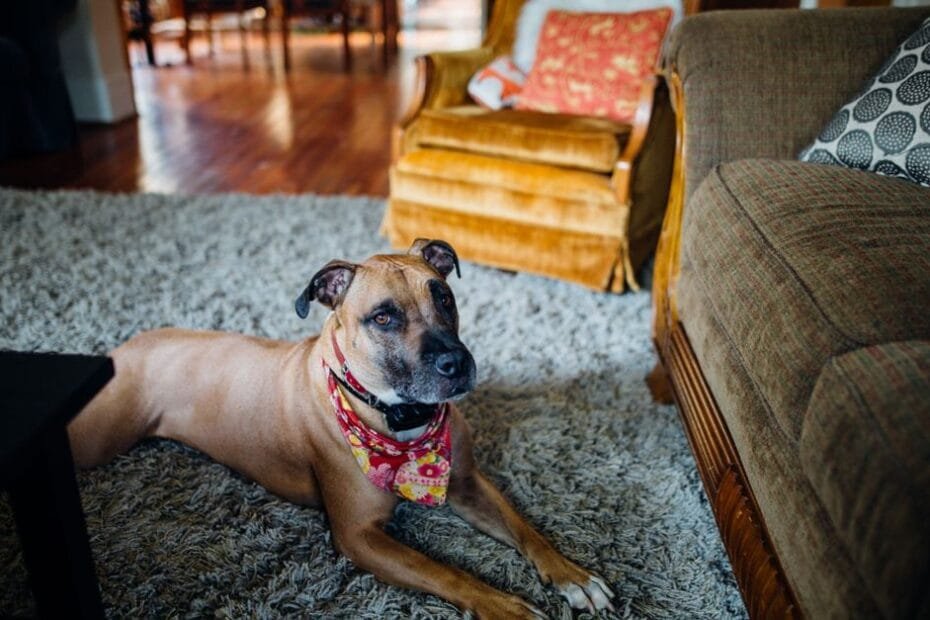
The best pet stain remover is an ENZYMATIC cleaner — and that single word is the entire category, because pet urine isn’t a stain problem, it’s a CHEMISTRY problem: urine dries into uric-acid crystals that ordinary carpet shampoos, vinegar, and steam cannot break down (they clean the visible mark, leave the crystals, and the odor resurrects every humid day — which is why the accident spot gets re-marked), while enzyme formulas literally digest the crystals and the proteins until there’s nothing left to smell, for you OR for the nose that operates at thousands of times your resolution. The buying rules that sort the shelf: a true BIO-ENZYMATIC formula (the label says enzymes or bio-enzymatic, not just “odor eliminator”), SATURATION-scale packaging (a 32-ounce sprayer minimum — the number-one user error is misting a surface stain that soaked to the pad), dwell-time honesty (enzymes work in HOURS, not seconds), and the blacklight admission that the accidents you know about are rarely the only ones.
This is the complete guide: why enzymes beat everything else (and what ammonia-based cleaners do catastrophically wrong), the fresh-accident protocol that saves most carpets before chemistry is even needed, the set-in-stain deep-soak method, surface-by-surface calibration (carpet, hardwood, mattress, couch, concrete), the blacklight audit, what never to use, the re-marking loop explained, and the honest limits where the pro or the replacement pad wins.
Key Takeaways
- Enzymatic or nothing: only enzymes digest uric-acid crystals — everything else masks, and the pet’s nose isn’t fooled.
- Blot first, always: a fresh accident mostly lifted with paper towels needs a fraction of the chemistry.
- SATURATE, don’t mist — the cleaner must reach everywhere the urine did, including the pad below.
- Give enzymes hours (covered with a damp cloth for set-in spots) — wiping at two minutes wastes the bottle.
- Never use ammonia-based cleaners on pet accidents — urine contains ammonia, and the smell reads as a rival’s mark.
- Repeat accidents in one spot are a message: incomplete odor removal, or a health/behavior flag worth reading.
Why Enzymes Win (The Chemistry in Plain English)
THE PROBLEM MOLECULE: dried urine is uric acid bound into crystals that are effectively insoluble — soap lifts the surrounding grime, steam can actually BOND the proteins deeper (more on that crime below), vinegar neutralizes some odor compounds while leaving the crystals intact — and intact crystals re-activate with humidity, which is why the hallway spot “comes back” every August.
Also Read


THE ENZYME MECHANISM: bio-enzymatic cleaners carry bacteria that produce enzymes which break uric acid, proteins, and the rest of the organic payload into carbon dioxide and water — digestion, not masking — and the process is alive, which explains every quirk of the genre: it needs TIME (hours to days for old stains), it needs MOISTURE (the damp-cloth cover trick), and it dies if you mix it with bleach or follow a bleach product onto the same spot.
THE STAKES beyond the smell: incomplete removal is the engine of the RE-MARKING LOOP — dogs and cats both re-anoint spots that smell like toilet, so a half-cleaned accident schedules the next one — and this post’s whole economic argument lives there: one properly executed enzyme treatment costs less than the carpet-cleaner rental the loop eventually demands, per the same buy-once math the product framework runs on everything.
The video above is Vacuum Wars’ twelve-cleaner test — independent, side-by-side, on real urine stains — and it validates the label rule: the enzyme formulas cluster at the top, and the fragrance-first products cluster exactly where you’d predict.
The Fresh-Accident Protocol (Minutes Matter)
STEP ONE — LIFT, DON’T RUB: paper towels or a cotton rag pressed down firmly (stand on them for the soaked spot), repeated until towels come up nearly dry — every milliliter you lift now is chemistry you don’t need later, and RUBBING is the amateur tell: it drives urine sideways and deeper and frays the fiber.
STEP TWO — RINSE AND LIFT AGAIN: a little cool water poured on (diluting what remains), blotted to near-dry again — never hot water, which sets proteins like an egg in a pan.
STEP THREE — ENZYME, PROPERLY: saturate the spot to slightly BEYOND its visible edge (urine spreads in a cone underneath — the surface mark is the cone’s tip), let it sit per the label (fifteen-plus minutes fresh, hours covered for anything older), then blot the excess and let it AIR-dry — the enzymes keep working as it dries, and a fan beats a hair dryer for the same set-the-protein reason as the hot water ban.
Set-In Stains and the Blacklight Audit
THE OLD-STAIN ESCALATION: for the discovered-months-later spot, the protocol doubles — saturate generously, cover with a damp towel or plastic for 12–24 hours (keeping the enzymes wet and working), blot, and expect to REPEAT once or twice; old uric acid surrenders in campaigns, not battles, and the smell often worsens briefly mid-treatment as crystals break open — that’s progress wearing a bad disguise.
THE BLACKLIGHT AUDIT that changes households: a cheap UV flashlight in a dark room lights old urine like a crime documentary — run it BEFORE declaring victory (the known accident usually has siblings along baseboards, curtain hems, and the couch skirt), mark finds with painter’s tape, and treat the map, not the memory; multi-pet homes and anyone moving into a rental with “one previous dog” should consider the audit mandatory.
THE CARPET-MACHINE CLARIFICATION: extractors and spot machines are excellent AFTER enzymes have done the digestion (they rinse and lift the residue) and harmful INSTEAD of enzymes when run hot on fresh protein — the order is enzyme first, extract later, and the machine’s own pet formulas follow the same label rule as everything else.
Surface by Surface (Where the Method Bends)
CARPET AND RUGS: the full protocol above, with the pad honesty — a large or repeated accident has soaked the pad and sometimes the subfloor, and surface treatment alone loses; the corner-lift inspection tells the truth, and the worst cases replace a pad square (cheap) rather than fighting a swamp (endless). Area rugs get treated from BOTH sides.
HARDWOOD, LAMINATE, AND TILE: speed is everything (standing urine works on finishes and grout), enzyme products labeled floor-safe do the job without stripping polyurethane — test a corner — and the black-stained board where accidents lived for months is oxidized wood, a refinishing conversation rather than a cleaning one; grout is porous and drinks odor, so tile treatments linger on the LINES.
MATTRESSES AND COUCHES: blot hard, treat with enzyme spray at damp-not-soaked scale (foam holds water forever and mildew is a worse roommate than odor), extended air-dry with a fan, and the mattress gets the waterproof protector AFTERWARD that it obviously always deserved; for couches, check the cushion tag — W-code covers accept water-based enzyme treatment, and the machine-washable cover runs the gentle cycle after a pre-soak. CONCRETE (garage, basement) drinks urine like a sponge: degreaser first is wrong — enzyme soak, plastic cover, repeat, then seal.
The Never List (And the Ammonia Crime)
NEVER AMMONIA: urine’s own odor is partly ammonia, so ammonia-based cleaners leave a spot that smells — to a pet — like another animal’s fresh mark, which is a formal invitation to overwrite it; the glass-cleaner improvisation is the classic self-inflicted re-marking loop.
NEVER HOT WATER OR STEAM FIRST: heat sets urine proteins into fiber permanently — the steam cleaner is a fine tool in the wrong inning; NEVER BLEACH ON OR NEAR an enzyme treatment (it kills the workforce, and bleach-plus-ammonia chemistry is genuinely hazardous); and the VINEGAR-AND-BAKING-SODA folk remedy earns its honest sentence: it helps a little, fresh, on hard surfaces — and it does not touch uric acid in carpet, which is why the internet’s favorite free fix keeps producing August hallway smell.
THE PET-SAFETY FOOTNOTE: enzyme cleaners are among the safest categories in the cleaning aisle (their active ingredient is biology, not solvent), but the drying spot still gets blocked off — a baby gate beats a curious tongue — and anything labeled with essential-oil fragrance gets the same cat-caution this site applies everywhere.
The Message in Repeat Accidents (Read Before You Scrub)
THE MEDICAL-FIRST RULE, imported from the whole health canon: a house-trained pet who starts having accidents is filing a report — urinary infection, kidney trouble, mobility pain that makes the stairs-to-the-door trip too far — and the enzyme bottle treats the carpet, not the cause; the litter-box version of this rule has its own training and box-setup canon, and sudden changes in either species earn the vet call before the cleaning-product upgrade.
THE LOCATION FORENSICS: accidents clustered at doors are timing-and-access problems (the potty-training schedule solves them), accidents on beds and laundry are often anxiety speaking, vertical marks on walls are marking rather than emptying — different fixes, same cleaner — and the cat-specific version routes through litter setup: the litter guide’s unscented-and-depth laws prevent more carpet accidents than any spray ever cleaned.
THE HONEST-LIMITS PARAGRAPH: years-old saturation in pad and subfloor, cat spray inside wall voids, and the whole-house legacy of a hoarding situation are professional-remediation territory (sealing primers, pad replacement, ozone or hydroxyl treatment) — the bottle is mighty, but it’s a bottle; knowing where its jurisdiction ends is part of the review.
Frequently Asked Questions
What is the best pet stain remover?
A bio-enzymatic cleaner — the only category that digests the uric-acid crystals in dried urine instead of masking them. Buy a saturation-scale bottle (32oz+), check the label for enzymes explicitly, and give it hours of dwell time, not seconds.
How do enzyme cleaners work on pet urine?
They carry bacteria that produce enzymes which break uric acid and proteins down into carbon dioxide and water — digestion, not perfume. That’s why they need time and moisture (cover set-in spots with a damp cloth for 12–24 hours) and why bleach kills them.
Why does the urine smell come back after cleaning?
Because a non-enzymatic cleaner removed the visible stain but left uric-acid crystals in the fiber and pad — humidity re-activates them. It’s also why pets re-mark the same spot: their noses still read it as a toilet. Only full enzyme treatment breaks the loop.
Can I use vinegar and baking soda for pet stains?
On a fresh accident on a hard floor, they help a little. In carpet, they don’t touch uric acid — the odor returns and the spot gets re-marked. Never use ammonia-based cleaners at all: they smell like a rival’s mark and invite overwriting.
How do you get old, set-in pet urine stains out of carpet?
Saturate past the stain’s visible edge (urine spreads in a cone below), cover with a damp towel for 12–24 hours to keep the enzymes working, blot, air-dry with a fan, and repeat once or twice. Use a blacklight in a dark room to find the stains you don’t know about.
Are enzymatic cleaners safe for pets?
They’re among the safest cleaning products in the aisle — the active ingredients are biological, not solvent. Still block off the drying spot, skip heavy essential-oil fragrances around cats, and never mix or sequence them with bleach.
The Odor-Only Mystery (Smell Without a Stain)
THE INVISIBLE CASE: the room that smells but shows nothing is usually one of three stories — an old accident cleaned cosmetically years ago (blacklight finds it), urine that traveled UNDER something (the rug’s underside, the couch skirt’s inner face, the baseboard gap — treat the geometry, not just the surface), or cat spray at spray height (knee-level on walls and furniture corners, where nobody thinks to look).
THE HUMIDITY TELL confirms the diagnosis: odor that surges on rainy days is re-activating uric acid announcing its address — run the blacklight the same evening, because damp crystals fluoresce and smell simultaneously, and the map draws itself.
THE MACHINE-WASHABLE SHORTCUT for everything that fits in a drum: pet blankets, rug pads, covers, and dog beds get an enzyme PRE-SOAK (30-plus minutes in the sink) before a normal warm-not-hot cycle with a scoop of enzyme additive — and air-dry, because the dryer’s heat sets any protein the soak missed; two cycles beat one hot one, every time.
The Bottom Line
Buy enzymatic and buy big, blot fresh accidents nearly dry before any chemistry, saturate past the edge and give the biology its hours, calibrate by surface (damp-not-soaked on foam, both sides on rugs, repeat campaigns on concrete), run the blacklight before declaring victory, and read repeat accidents as the message they are — medical first, then training, then the bottle.
The stain was never really the problem. The crystals were — and now you’re the only one in the room who knows how to make them actually leave.

Hello! I'm Khan Hisham, a dedicated student with a profound passion for enhancing the lives of pets through comprehensive care. At Pawspera, our mission—"Prospering Pets, Every Day"—drives everything we do. We are committed to providing the latest insights, tips, and products that ensure your pet's health and happiness. Join us at Pawspera as we explore innovative ways to care for our furry friends with love and dedication.