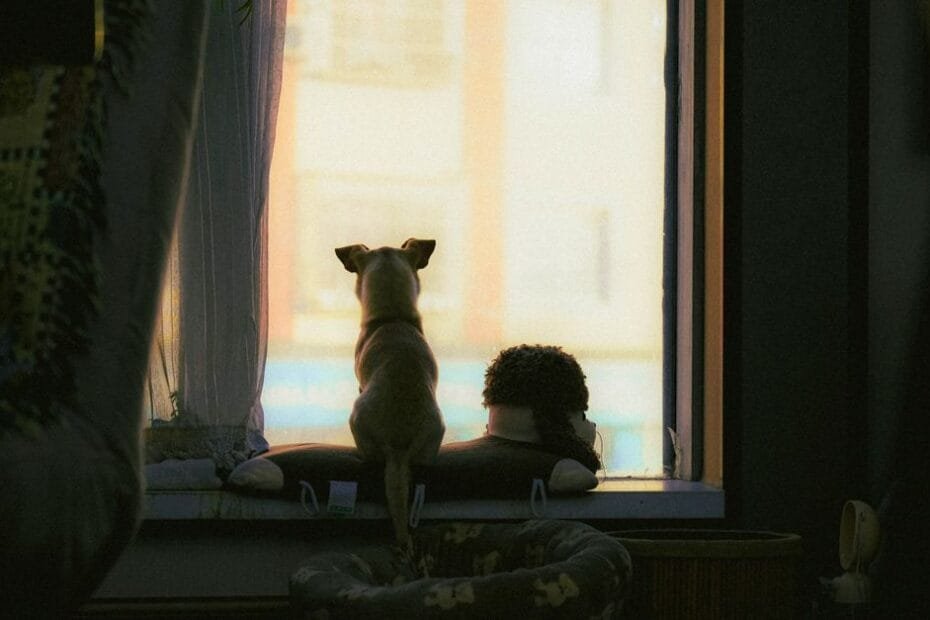
Back-to-school season is the year’s biggest schedule shock for family pets: the dog who spent a summer surrounded by kids goes to an empty, silent house overnight — and the fix is a TWO-WEEK TAPER started before the first bell: shift meals, walks, and alone-time toward the school schedule gradually, rebuild the alone-time muscle in short rehearsed absences, front-load the morning with exercise-and-enrichment so the empty hours start tired, and keep departures and returns deliberately boring — because the ceremony of a dramatic goodbye teaches the dog that departures are, in fact, a big deal. Know the line this seasonal guide runs alongside: normal adjustment (a mopey week, some window-watching) settles with the routine; true separation DISTRESS — destruction at exits, self-injury, all-day vocalization, house-soiling in a trained adult — is a clinical problem with real treatment, and it gets the professional paragraph this genre usually skips.
This is the complete back-to-school pet playbook: the two-week taper schedule, the alone-time rebuild in rehearsed doses, the tired-by-eight-a.m. morning front-load, the departure-and-return choreography, the empty-house enrichment economy, the camera question answered honestly, the cat paragraph (they notice more than advertised), and the adjustment-versus-distress line with the escalation path.
Key Takeaways
- Start the taper two weeks early: meals, walks, and quiet hours drift toward the school schedule a little each day.
- Rebuild alone-time in doses: rehearsed short absences that grow — the dog re-learns that you leave AND return.
- Front-load the morning: the walk-and-sniff before the bus means the empty hours start on a spent budget.
- Boring departures, boring returns — ceremony teaches the dog that leaving is an event worth panicking about.
- The empty house runs on enrichment: the frozen puzzle deployed at the door is the departure’s new meaning.
- Know the distress line: destruction at exits, self-injury, or all-day vocalization is clinical — professionals, not patience.

The Two-Week Taper (Schedule Shock, Absorbed Slowly)
THE DRIFT PLAN: starting ten-to-fourteen days out, the household’s pet-relevant anchors — breakfast, the big walk, the midday attention block, dinner — move a few minutes daily toward their school-year times, because the routine-is-welfare doctrine cuts both ways: the animal that regulates on predictability deregulates on sudden change, and August’s gradual drift is September’s calm.
Also Read
-
How to Stop a Cat Scratching Furniture: The Reroute, the Placement Law, and the Specs
-
How to Crate Train a Dog: The Four Stages, the Whining Tree, and the Physiology Table
-
The Complete Dog & Cat Training Guide: Positive Reinforcement That Works

-
Best Dog Doorbells 2026: Potty Bells & Buttons That Actually Work

THE QUIET-HOURS REHEARSAL: summer houses are loud with kids, and the school-day silence is itself a stressor — so the taper includes daily quiet blocks (kids at practice, errands, the library run) that lengthen through the fortnight, letting the ambient-noise baseline land before the real Monday does.
THE KID HANDOFF: the children who spent all summer as the dog’s activity directors write their own taper — the morning play session moves to AFTER school, the feeding jobs per the family chore ladder stay consistent through the transition (the one anchor that shouldn’t move), and the “the dog is sad because I leave” conversation is an honest, useful one to have with a seven-year-old who now owns the 3:30 p.m. reunion play shift.
The Bondi Vet segment above walks a real separation-anxiety case with Dr. Scott Miller — the clinical tier this guide’s prevention playbook exists to keep you out of.
The Alone-Time Rebuild (Rehearsed Doses)
THE MUSCLE METAPHOR that sets expectations: alone-time tolerance is conditioning that summer un-trained — the dog who did eight-hour school days in May needs the muscle rebuilt in August, not assumed — and the rebuild runs the ladder: departures of minutes (mailbox, driveway) that grow to a coffee run, an errand hour, the half-day, each rung boring and each return calm.
THE DEPARTURE-CUE DEFUSE: keys, shoes, and backpacks fire the anticipation alarm after a summer of predicting fun — so the taper includes cue-scrambling: keys picked up and put down, shoes on for the couch, the backpack by the door all evening — until the predictors stop predicting and the alarm stops firing.
THE CRATE-AND-SPACE QUESTION: dogs with solid crate conditioning often ride the transition easiest in their den (the standing alone-time infrastructure), while the un-crated adult does fine with a gated zone and the enrichment economy below — and the household considering crate training NOW has two weeks and our step-by-step guide arriving this same week; the tool works when built gradually, and September is exactly why August exists.
The Morning Front-Load and the Boring Choreography
THE TIRED-BY-EIGHT DOCTRINE: the school-morning walk happens BEFORE the bus — twenty sniff-heavy minutes per the sniff-economy math (nose-work tires triple per minute, which matters on a school-morning clock) — so the empty hours open on a spent budget instead of a full tank; the household that can’t buy twenty minutes buys ten plus the puzzle-fed breakfast, which is most of the same result.
THE DEPARTURE: calm, quick, and identical daily — the enrichment item deployed (below), a neutral “later, bud,” and out; no tour of goodbyes, no guilt cuddle crescendo — because the emotional send-off loads exactly the meaning into departures the dog then spends the day processing.
THE RETURN: the reunion happens AFTER the first calm minute — in the door, bags down, water glass, THEN the greeting for four-on-the-floor composure — which feels cold for a week and produces the dog who naps through departures by October; the kids’ version of this choreography is a house rule worth posting, because the after-school explosion of three children greeting one dog is the biggest counter-training event in the whole schedule.
The Empty-House Economy (Enrichment, Cameras, and Backup)
THE DEPARTURE PUZZLE: the frozen stuffed toy or puzzle feeder handed over AT the door — twenty-to-forty minutes of licking-and-working that rewrites the departure’s meaning and bridges the hardest window (the first half hour is where separation stress concentrates) — rotated through two or three variants per the novelty economy, and loaded from the daily ration per the treat-budget law.
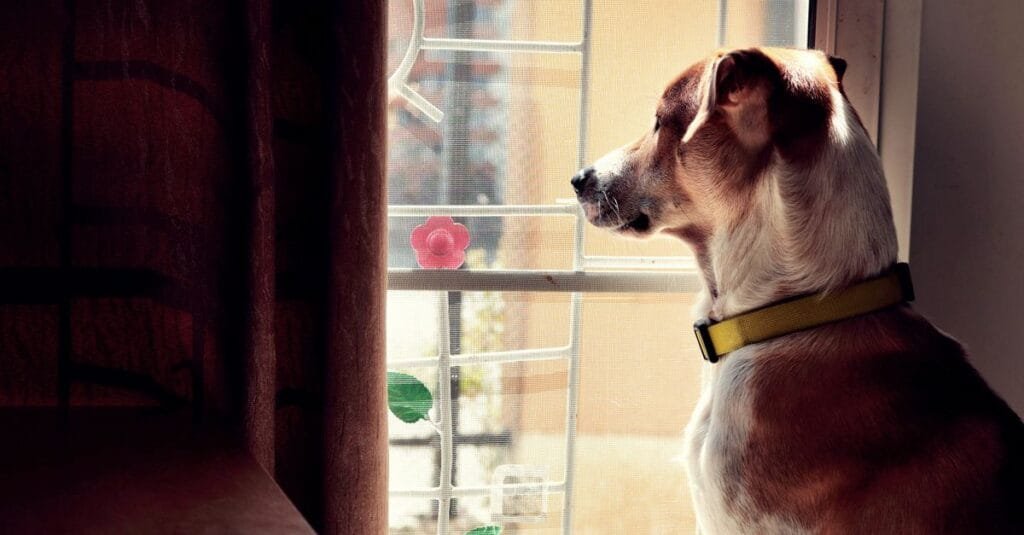
THE AMBIENT LAYER: the radio-or-TV murmur that replaces the summer soundtrack (talk stations beat music for mimicking occupancy), the window seat with programming for the watchers — or curtains DRAWN for the reactive barkers whose window is a trigger feed, the audit is per-dog — and the midday relief valve where the budget allows: the walker on the longest days, per the eight-hour honesty that puppies and seniors can’t do school-length days unsupported.
THE CAMERA, graded per the gear doctrine: legitimately useful HERE — the first school week’s footage answers “how’s he actually doing” with data instead of worry, distinguishes the mopey nap (fine) from the door-scratching pace loop (escalate), and then mostly retires to spot-checks; the treat-tosser feature stays a toy.
The Cat Paragraph and the Distress Line
CATS NOTICE: the species’ independence reputation hides real schedule-sensitivity — September brings vet visits for “suddenly clingy,” over-grooming, and litter lapses that map exactly onto the empty-house transition — and the feline version of this whole guide is shorter: keep the feeding times metronomic through the change, add the morning hunt session before the bus, load the solo-day territory (the perch, the tunnel, the puzzle feeder), and watch the four dials because feline stress presents medically.
THE ADJUSTMENT-VS-DISTRESS LINE, drawn clearly: NORMAL adjustment is a mopey fortnight — extra window time, a little velcro behavior at reunions, the sighing theater — and it resolves as the routine beds in; CLINICAL separation distress is destruction focused at exits, self-injury (broken teeth and nails at doors and crates), vocalization that runs hours (the neighbor report is data), drooling puddles, and house-soiling in trained adults — and it does NOT resolve with patience, because panic isn’t a habit.
THE ESCALATION PATH: video evidence gathered (the camera’s real job), the vet visit FIRST (pain and thyroid impersonate anxiety, and the anxiety guide’s foundations get ruled in or out medically), then the credentialed behavior professional with a desensitization plan — sometimes with medication that treats panic like the clinical state it is — per the training pillar’s standing hire-a-pro filter; the September dog in genuine distress is common, treatable, and badly served by another week of hoping.


Frequently Asked Questions
How do I prepare my dog for back-to-school season?
Start two weeks early: drift meals, walks, and quiet hours toward the school schedule daily, rebuild alone-time in short rehearsed absences that grow, front-load the school morning with a sniff-heavy walk, and keep departures and returns deliberately boring.
Why is my dog sad now that the kids are back in school?
The year’s biggest schedule shock: the summer’s constant company and activity directors vanish overnight. A mopey fortnight of window-watching is normal adjustment that resolves with routine — the after-school play shift (owned by the kids) is the best medicine in the house.
How long can a dog be alone during a school day?
Conditioned adults handle a school-length day with the supports: the morning front-load, the departure puzzle, and a midday option on the longest days. Puppies and seniors can’t — they need midday coverage, planned before September rather than discovered during it.
Should I say goodbye to my dog before leaving?
A neutral word and out — the ceremony of a dramatic goodbye teaches that departures are events worth panicking about. Returns run the same way: greet after the first calm minute, and post the rule for the kids, whose after-school explosion is the biggest counter-training event of the day.
Do cats get back-to-school anxiety too?
More than advertised: September brings “suddenly clingy,” over-grooming, and litter lapses that map onto the empty house. Keep feeding metronomic, add the morning hunt session, load the solo-day territory, and watch appetite and litter habits — feline stress presents medically.
When is it real separation anxiety and not just adjustment?
The clinical line: destruction focused at exits, self-injury at doors or crates, hours of vocalization, drooling, or house-soiling in trained adults — panic, not habit, and it doesn’t resolve with patience. Film it, rule out medical causes with the vet, then a credentialed behavior professional with a real plan.
The Household Systems That Carry September
THE FAMILY CALENDAR INTEGRATION: the dog’s new schedule posts beside the kids’ — who walks at 7:15, who runs the 3:30 reunion shift, who loads the departure puzzle — because the September that works is a chore-chart September, and the pet’s routine is the one line item that can’t slip a day without a regression report.
THE HOMEWORK-HOUR DIVIDEND nobody plans and every family discovers: the after-school dog is the homework companion — the settle-on-mat beside the desk (the calm behavior the summer never demanded) turns the 4 p.m. hour into the dog’s second-best block of the day, and the teenager who “has to walk the dog” before dinner is holding the best excuse for a screen break ever legislated.
THE FIRST-SICK-DAY PROTOCOL, filed for November: the kid home sick resets the dog’s new normal for a day — expect the Monday after to wobble, run the boring choreography a touch more deliberately, and know the routine snaps back in a day or two; the schedule survives exceptions once it’s installed, which is the whole difference between a routine and a streak.
The College-Departure Variant
The heavier version of the same season: the dog whose person leaves for COLLEGE loses their human, not their schedule — expect a genuine grief-adjacent adjustment (searching, door-watching, appetite dips for days), run the same routine-and-enrichment playbook harder, keep the departed kid’s unwashed shirt in the dog’s bed for the scent bridge, and schedule the video calls where the dog can hear the voice — it helps the human more, and that counts too.
The Bottom Line
Taper for two weeks, rebuild the alone-time muscle in doses, spend the sniff budget before the bus, choreograph boring exits and calm reunions, load the empty house with work to do, and know the line where adjustment ends and the professionals begin — September’s empty house is a training project with an August deadline, and it’s a very passable course.
The first-week report card that tells you it’s working: day one’s camera shows pacing that settles inside the hour; by Wednesday the departure puzzle gets finished and napping follows; by the second Friday the dog barely lifts its head at the backpack parade — and the reunion shifts from frantic to glad, which is the difference the whole program was buying. The version that ISN’T working looks like escalation instead: each day worse than the last, the puzzle untouched (appetite loss under stress is a flag, not pickiness), and the exit-door evidence accumulating — that trajectory doesn’t wait out the month; it books the vet in week one, because early clinical help is cheap and October panic is not.
The bus comes either way. The two weeks before it are yours to spend — and the dog napping through Monday is the receipt.

Hello! I'm Khan Hisham, a dedicated student with a profound passion for enhancing the lives of pets through comprehensive care. At Pawspera, our mission—"Prospering Pets, Every Day"—drives everything we do. We are committed to providing the latest insights, tips, and products that ensure your pet's health and happiness. Join us at Pawspera as we explore innovative ways to care for our furry friends with love and dedication.