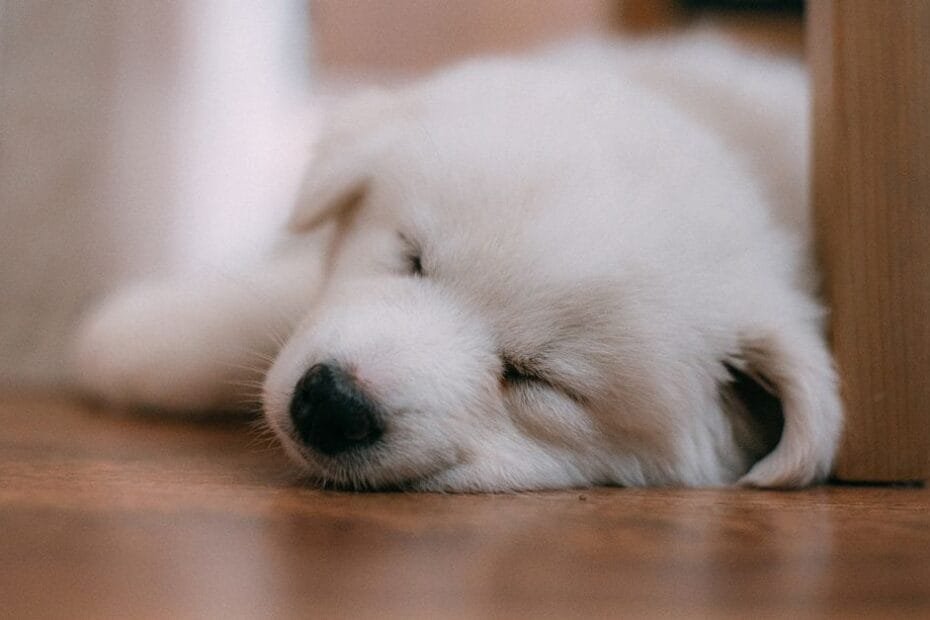
Your puppy is mid-nap, mid-zoomie, or mid-dinner — and suddenly the tiny body starts bouncing with rhythmic little hics, complete with a bewildered face that asks “why is my whole self jumping?”
Puppy hiccups might be the single most adorable malfunction in the animal kingdom. But somewhere between the third and thirtieth hic, most new owners wonder: is this normal? Should I do something? Is my puppy okay?
Quick answer: Yes — puppy hiccups are almost always completely normal and harmless. They’re spasms of the diaphragm, usually triggered by eating or drinking too fast, excitement, or gulped air, and puppies get them far more than adult dogs because their diaphragms and nervous systems are still maturing. Episodes typically pass on their own within a few minutes to a quarter hour. Calm water sips and slowing down mealtimes help. The rare red flags: hiccups paired with breathing trouble, drooling, vomiting, or episodes that persist for hours — those earn a vet call.
Also Read
-
Why Is My Cat Not Using the Litter Box? Medical First, Then the Box Audit
-
How to Give a Cat a Pill: The Escalation Ladder, the Chaser Rule, and the Exits
-
How to Brush Your Cat’s Teeth: The Three-Week Ladder and the Paste Law
-
How to Remove a Tick From a Dog: The Grip, the Folklore Ban, and the Watch Window
Key Takeaways
- Hiccups = diaphragm spasms — the same mechanism as yours, in a smaller, twitchier package.
- Puppies hiccup far more than adults — immature diaphragms, fast eating, big excitement, tiny bodies.
- Top triggers: speed-eating, gulped water, excitement, temperature changes, and post-zoomie panting.
- Most episodes self-resolve in minutes — calm sips of water and slowing the moment help them along.
- Slow-feeder bowls fix the number-one trigger at its source.
- Red flags are rare but real: hours-long episodes, breathing difficulty, drooling, vomiting, or lethargy → vet.
What Exactly Are Hiccups?
Same plumbing as yours: the diaphragm — the dome of muscle under the lungs that powers breathing — contracts involuntarily, snapping a quick breath in, and the airway briefly closes with the signature hic.
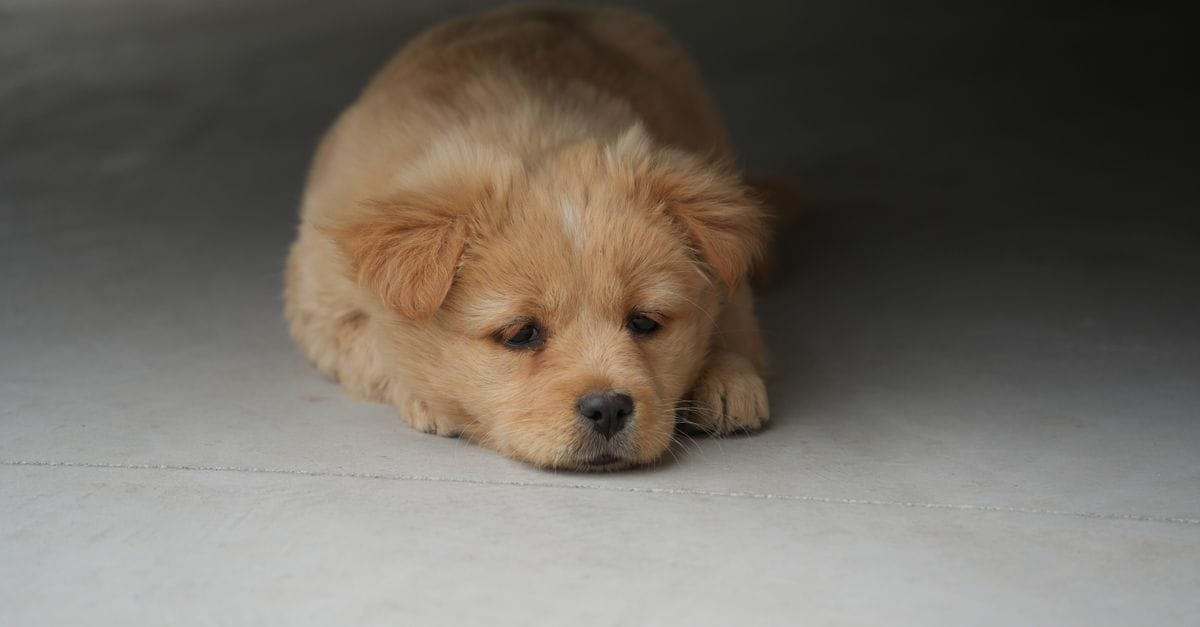
One spasm is a hiccup; a rhythmic series is an episode. In a seven-kilogram puppy, the whole body bounces with each one — which is 90% of the comedy.
Hiccups are so fundamental that puppies get them before birth — expectant dog mums can feel rhythmic fetal hiccups, believed to be the diaphragm doing breathing rehearsals. Your puppy has literally been practicing this bit since the womb.
Why Do Puppies Get Hiccups So Much More Than Adult Dogs?
Four compounding reasons, all temporary:
The hardware is still calibrating. Puppy diaphragms and the nerves controlling them are immature — more excitable, quicker to spasm at small provocations. As the nervous system matures, the trigger threshold rises.
Puppies do everything at maximum speed. Dinner is inhaled, water is attacked, play is turbo — and speed-eating with gulped air is the classic hiccup trigger (veterinarian Dr. Alex Crow walks the trigger list in the video below).
Excitement is their baseline. Big feelings change breathing patterns; changed breathing tickles the diaphragm. A puppy meeting a leaf can hit excitement levels adults reserve for reunions.
Small bodies, fast cycles. Rapid puppy breathing and a tiny stomach pressed near the diaphragm mean less buffer between “full tummy” and “twitchy muscle.”
The arc that follows: hiccup frequency peaks in early puppyhood and fades steadily — most dogs largely outgrow them by their first birthday, with occasional adult encores.
What Triggers a Hiccup Episode?
The usual suspects, in rough order of guilt:
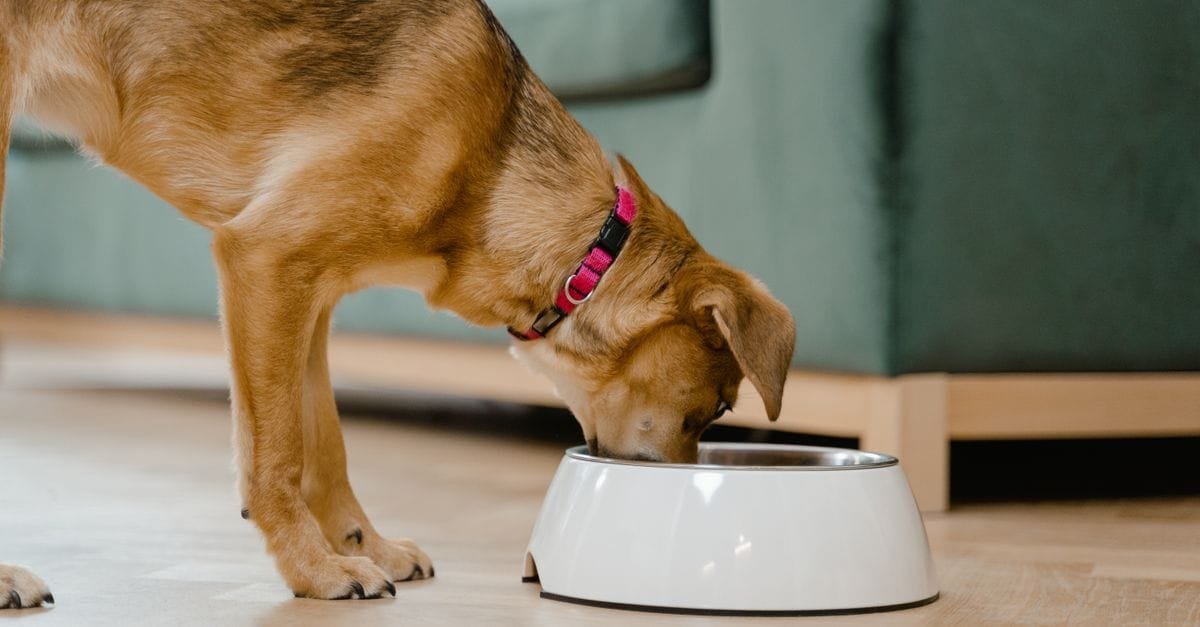
Speed-eating and drinking — the champion. Food and air gulped together stretch the stomach and irritate the diaphragm. If hiccups reliably follow meals, you’ve found your culprit.
Excitement and play — the post-zoomies hiccup session is a genre of its own: hard play, fast panting, sudden rest, hic.
Gulped air generally — enthusiastic toy squeaking, rope-tug vocalizing, or wolfing treats during training sessions.
Temperature swings — cold water on a hot day, moving between warm house and cold yard.
Stress or big emotion — new places, car rides, first nights home; the same breathing-pattern route as excitement.
Sleep itself — sleeping puppies hiccup during dreams and growth-heavy rest, often without waking. (More on that below, because it worries owners most and matters least.)
How Do You Stop Puppy Hiccups?
Usually you don’t need to — episodes self-resolve in minutes. But you can gently speed the exit:
Offer calm water sips. A little water, drunk slowly, resets the swallowing rhythm — the closest thing to a reliable off switch. Small sips, not a frantic gulp-fest (which restarts the problem).
Lower the excitement. Quiet petting, slow strokes along the chest, a settle on the mat — calming the breathing calms the diaphragm.
A tiny lick of something soft — a smear of plain wet food or a lick of xylitol-free peanut butter prompts slow, rhythmic swallowing that often breaks the spasm cycle.
Gentle belly rubs with the puppy relaxed on its side — part remedy, part excuse, fully endorsed.
And the do-NOT list, because human hiccup folklore doesn’t translate: never scare a puppy (you’ll trade hiccups for fear of you), never hold its breath or muzzle shut, no sugar tricks, no upside-down anything. Dogs aren’t tiny drunk uncles; skip the party remedies.
How Do You Prevent Hiccups at the Source?
Since speed-eating is trigger number one, prevention mostly lives at the food bowl:
Slow-feeder bowls — the maze-patterned bowls that turn inhaling into foraging — fix the biggest trigger for pennies, with bonus digestion and enrichment benefits. (A snuffle mat does the same job with extra nose work.)
Smaller, more frequent meals for the truly food-motivated — less stomach stretch per sitting.
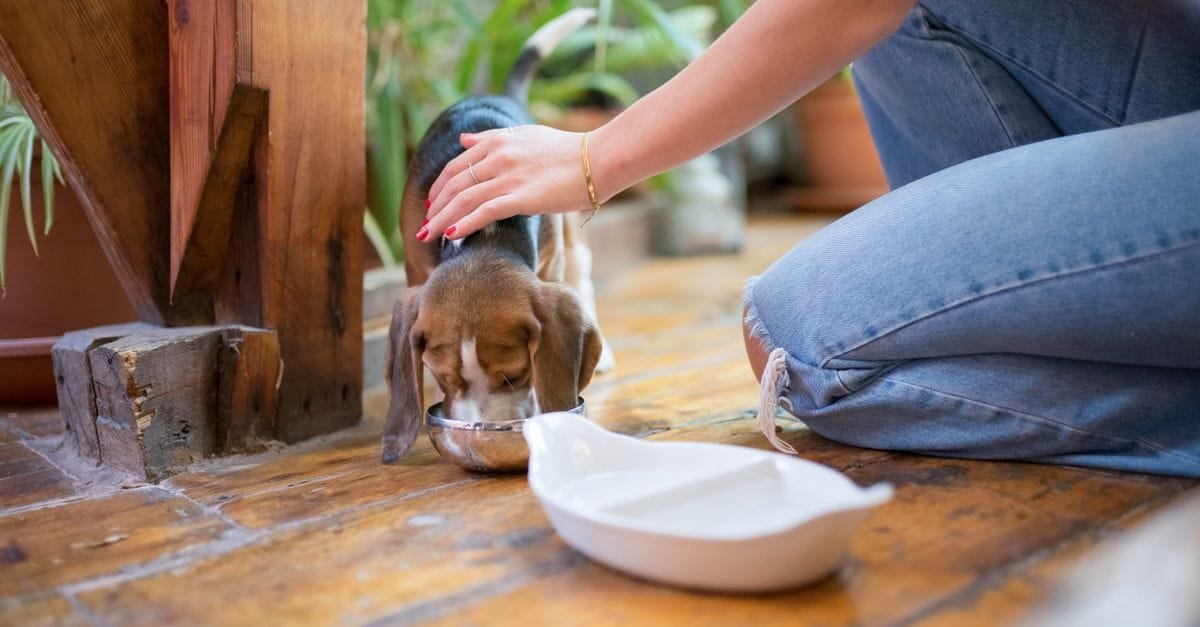
Calm mealtimes: feeding away from competition (other pets watching creates speed-eaters) and after the post-play pant has settled.
Water management on hot days: several small offerings beat one ice-cold flood after exercise.
Hiccup-prevention helpers — solid Amazon searches:
Why Does My Puppy Hiccup in Its Sleep?
The sleeping-hiccup combo generates the most owner worry and deserves the most reassurance.
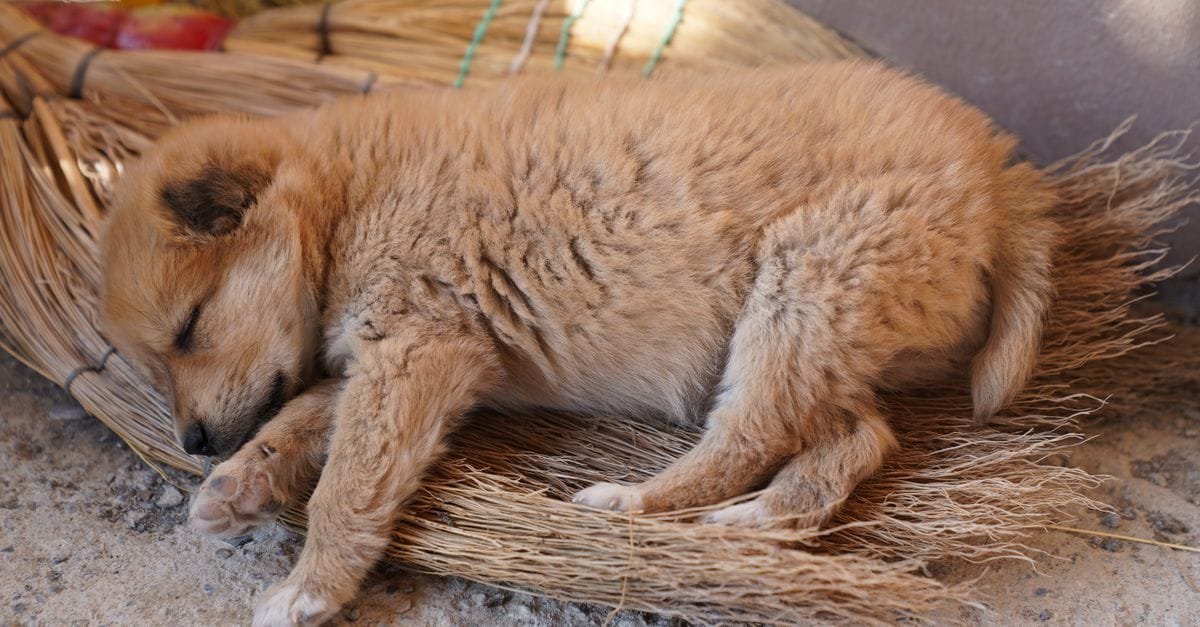
Sleeping puppies are busy: dreaming (with twitches, paddles, and muffled woofs), growing at astonishing rates, and cycling through breathing-pattern changes — all of which can tickle an immature diaphragm into a gentle hic-hic-hic that often doesn’t even wake them.
The overwhelming verdict: normal, harmless, and self-resolving. Don’t wake a sleeping puppy for hiccups — startled wake-ups cost more than the hiccups do.
Watch (and enjoy, and film) from a respectful distance. The only sleep-adjacent flag: if what you’re seeing looks less like rhythmic hiccups and more like labored breathing — strained, rapid, distressed — that’s a different observation entirely and belongs in the vet conversation below.
When Should Hiccups Worry You?
Rarely — but here’s the honest checklist for the exceptions:
- Marathon episodes: hiccups persisting for several hours, or returning constantly through the day, exceed normal-puppy territory.
- Hiccups plus breathing trouble: wheezing, coughing, labored or noisy breathing riding along — the diaphragm’s neighbors (airways, lungs) deserve a check.
- Hiccups plus digestive drama: drooling, gagging, vomiting, refusing food — could point at irritation, reflux, or (worth knowing) parasites, a classic puppy issue with hiccup-adjacent symptoms and an easy vet fix.
- Behavior change: a hiccuping puppy that’s also lethargic, hunched, or plainly uncomfortable is telling you the hiccups aren’t the story.
- “Hiccups” that don’t look like hiccups: rhythmic and bouncy = hiccups; strained, gasping, or panicked = airway concern, and that’s an urgent call. When unsure, video the episode — ten seconds of footage is worth ten minutes of description to your vet.
The standing note: education here, diagnosis at the clinic — and with puppies, the “probably nothing, but…” call is always a good call. Vets genuinely prefer reassuring you to missing something. (Trembling alongside? Our shaking guide covers that separate signal.)
Do Dogs Outgrow Hiccups?
Mostly, yes — and on a fairly predictable schedule.
Expect peak hiccups in the first few months home, a steady taper through adolescence as the nervous system and diaphragm mature, and only occasional episodes by the first birthday. Adult dogs still hiccup now and then — usually after their own speed-eating incidents — but the daily concerts retire with puppyhood.
Which carries a small bittersweet footnote for owners: the hiccups are a phase of the same fleeting season as needle teeth, oversized paws, and the biting stage. File the videos accordingly — future you will want proof of the era when dinner came with percussion.
An adult dog that starts hiccuping frequently after years of quiet, though, breaks the pattern — new recurring hiccups in a grown dog are worth a vet mention, same as any fresh symptom.
Hiccups vs. Reverse Sneezing: The Great Mix-Up
Half of “weird puppy hiccup” videos are actually a different (equally harmless-sounding, more alarming-looking) phenomenon: reverse sneezing.
The difference at a glance: hiccups are rhythmic, gentle body-bounces with the mouth mostly closed — hic… hic… hic. Reverse sneezing is a sudden episode of loud, snorty, rapid inward snorting — neck extended, elbows out, sounding like the puppy is inhaling a kazoo.
Reverse sneezing is usually triggered by excitement, leash pulling, dust, or drinking too fast, and passes in under a minute — gently massaging the throat or briefly covering the nostrils (prompting a swallow) often ends it. Common in small breeds and flat-faced dogs.
Both are typically benign; both earn a video for the vet if they become frequent. But knowing which one you’re watching turns a panicked 2 a.m. search into a calm shrug.
Do Adult Dogs and Other Pets Get Hiccups?
Adult dogs, yes — just far less often, usually after their own speed-eating incidents, and following the same rules (brief, benign, water helps). New frequent hiccups in a grown dog break the pattern and merit a vet mention.
Cats hiccup too — more subtly, often from fast eating or hairballs-in-progress. The same logic applies across the household: occasional and brief is normal; persistent, distressed, or paired with other symptoms is a call.
Can Anxiety Give a Puppy Hiccups?
It can — stress changes breathing patterns, and changed breathing tickles the immature diaphragm. First nights home, car rides, vet lobbies, and thunderstorms are classic settings for the nervous-hiccup combo, usually alongside other stress tells: tucked tail, lip licks, clinginess.
The response treats the feeling, not the hiccup: a calm lap, slow petting, a familiar blanket, lowered household volume. As confidence grows through gentle socialization, the anxious variety fades along with the rest of puppyhood’s hiccup era — another small vote for patient, positive early experiences.
Should You Time Hiccup Episodes?
Casually, yes — a glance at the clock turns worry into data. Normal episodes run a few minutes to a quarter hour; knowing yours lasted six minutes (not the “forever” it felt like) is instantly reassuring.
If you ever do call the vet, three facts make the call useful: how long episodes last, how often they happen per week, and what preceded them — plus that ten-second video. Most owners never need the log; keeping loose track for a week settles the question either way.
Frequently Asked Questions
Why does my puppy get hiccups so often?
Because puppy diaphragms and nervous systems are still maturing — more excitable and quicker to spasm — while puppies also speed-eat, gulp air, and hit maximum excitement hourly. It’s normal, peaks in early puppyhood, and fades steadily toward the first birthday.
Are puppy hiccups dangerous?
Almost never — typical episodes are harmless diaphragm spasms that resolve within minutes. The rare exceptions pair hiccups with breathing difficulty, drooling, vomiting, lethargy, or hours-long persistence — those combinations earn a vet call.
How do I get rid of my puppy’s hiccups?
Usually just wait — most episodes pass in minutes. To help: offer calm, small sips of water, lower the excitement with quiet petting, or let the puppy lick something soft to reset the swallowing rhythm. Never use scare tactics or human party remedies.
Why does my puppy hiccup after eating?
Speed-eating — food and gulped air stretch the stomach and irritate the diaphragm, the number-one hiccup trigger. A slow-feeder bowl or snuffle mat fixes it at the source, with digestion and enrichment benefits thrown in.
Why does my puppy hiccup while sleeping?
Dreaming, growth, and shifting breathing patterns all tickle the immature diaphragm — sleeping hiccups are common, harmless, and usually don’t wake the puppy. Don’t wake them either; only strained, labored breathing (a different picture) warrants concern.
When do puppies stop getting hiccups?
Frequency tapers through adolescence as the body matures — most dogs largely outgrow regular hiccups by around their first birthday, keeping only occasional adult episodes after enthusiastic meals.
Can hiccups in puppies be a sign of worms?
Hiccups alone, no — but hiccup-like symptoms combined with vomiting, poor appetite, pot-belly, or general unthriftiness can accompany parasites, which are common and easily treated in puppies. Routine deworming and a vet check settle it quickly.
The bottom line
Puppy hiccups are the diaphragm’s rehearsal squeaks — womb-practiced, meal-triggered, excitement-fueled, and outgrown on schedule. Slow the food bowl, offer calm sips, film the concerts for posterity, and save the worry for the rare episode that brings friends: breathing trouble, vomiting, or hours on the clock. Everything else is just puppyhood, bouncing.

Hello! I'm Khan Hisham, a dedicated student with a profound passion for enhancing the lives of pets through comprehensive care. At Pawspera, our mission—"Prospering Pets, Every Day"—drives everything we do. We are committed to providing the latest insights, tips, and products that ensure your pet's health and happiness. Join us at Pawspera as we explore innovative ways to care for our furry friends with love and dedication.