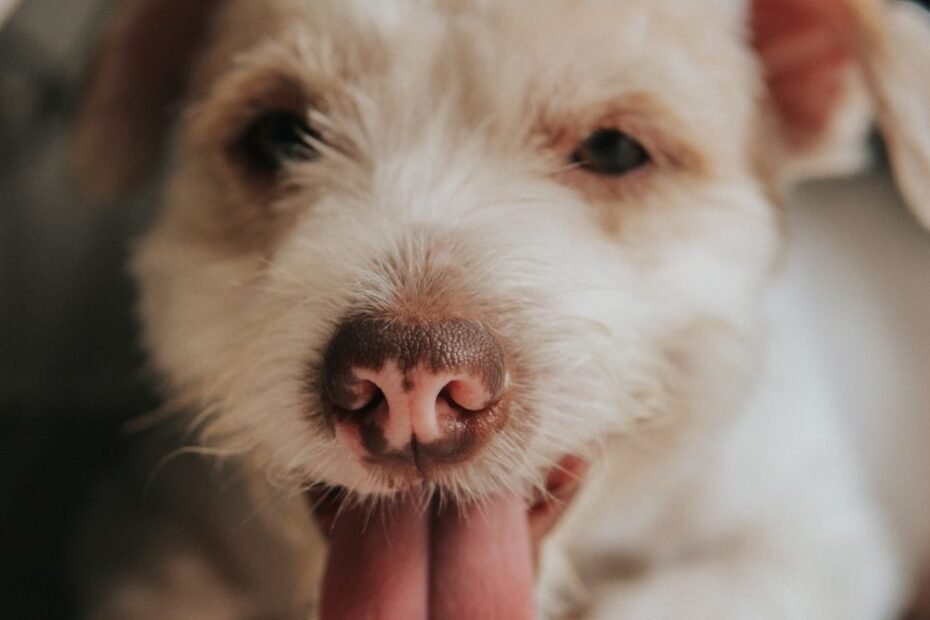
Dogs pant mainly to cool themselves down, so panting after exercise, heat or excitement is completely normal. But heavy, sudden or unexplained panting can signal something more serious — from heatstroke and pain to anxiety or illness. This guide helps you tell normal panting from a problem, and know when to call the vet.
Key Takeaways
- Panting is how dogs cool down — they can’t sweat like we do.
- Normal panting follows heat, exercise or excitement and settles with rest.
- Worry if it’s sudden, heavy, constant, or paired with other symptoms.
- Heatstroke is an emergency — frantic panting, drooling and distress need immediate help.
- See your vet for unexplained or excessive panting; it can point to pain or illness.
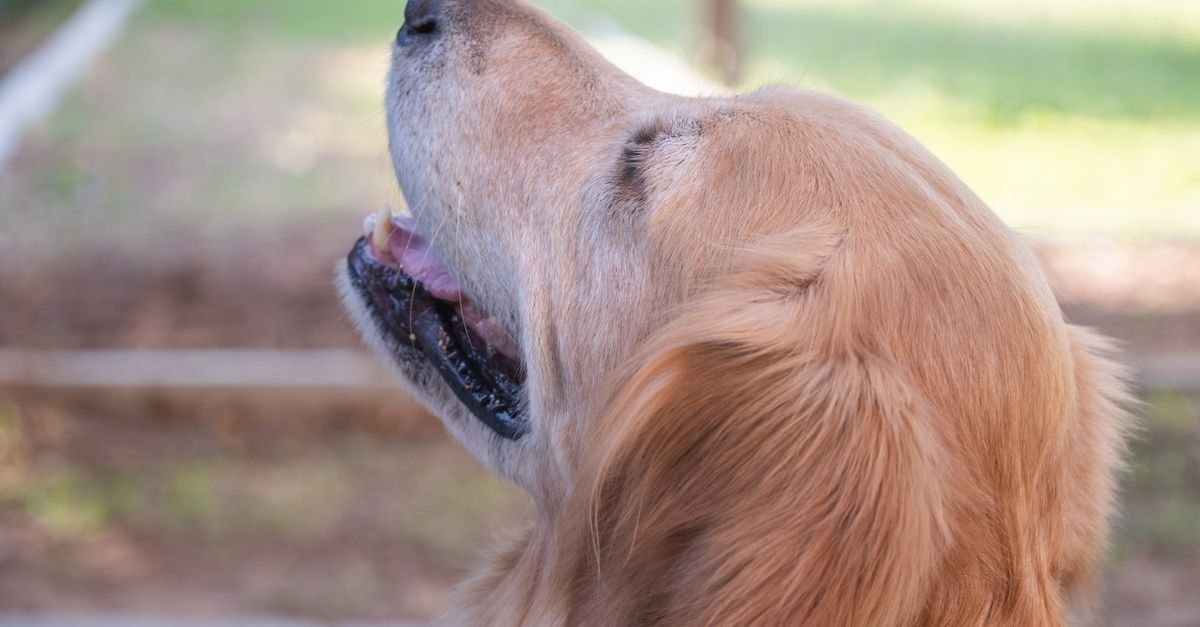
Why do dogs pant?
Panting is a dog’s main way to regulate body temperature. Dogs don’t sweat through their skin the way people do, so they pant to move air over the tongue and airways and shed heat.
It’s also a normal response to exertion and emotion. A dog that just played, walked in the sun, or got excited to see you will naturally pant for a while.
Also Read
-
How to Remove a Tick From a Dog: The Grip, the Folklore Ban, and the Watch Window
-
Why Does My Cat Drink So Much Water? The Benign List, the Big Three, and the Measure

-
How to Protect Dog Paws From Hot Pavement: The Seven-Second Test and Three Substitutions

-
How to Keep Dogs Cool in Summer: The Schedule, the Risk Tiers, and the Emergency Protocol
In these cases, panting is healthy and expected — it should ease off once your dog rests and cools down.
Is my dog’s panting normal or a problem?
The key is context. Normal panting has an obvious cause and stops when that cause goes away.
Panting is more likely a concern when it appears for no clear reason, is heavier or faster than usual, doesn’t settle with rest, or comes with other symptoms.
You know your dog’s baseline better than anyone. A noticeable change from their normal pattern is the biggest clue that something’s off.
Common reasons dogs pant
Panting has many causes — some harmless, some serious:
- Heat. Cooling down on a warm day or after sun exposure.
- Exercise. Normal recovery after a walk, run or play.
- Excitement or stress. Strong emotions trigger panting.
- Anxiety or fear. Thunderstorms, fireworks, vet visits.
- Pain. Panting can be a subtle sign a dog hurts.
- Illness. Heart, lung, hormonal and other conditions.
- Medication. Some drugs, like steroids, increase panting.
Because the list is so broad, the surrounding signs matter as much as the panting itself.
Heavy or excessive panting: warning signs
Some panting patterns deserve closer attention.
Be cautious if the panting is very heavy, faster than normal, happening at rest, or if it starts suddenly without an obvious trigger. Panting that seems to take real effort is also a red flag.
Pair those with any other symptom — and it’s time to act, as covered below.
Heatstroke: a panting emergency
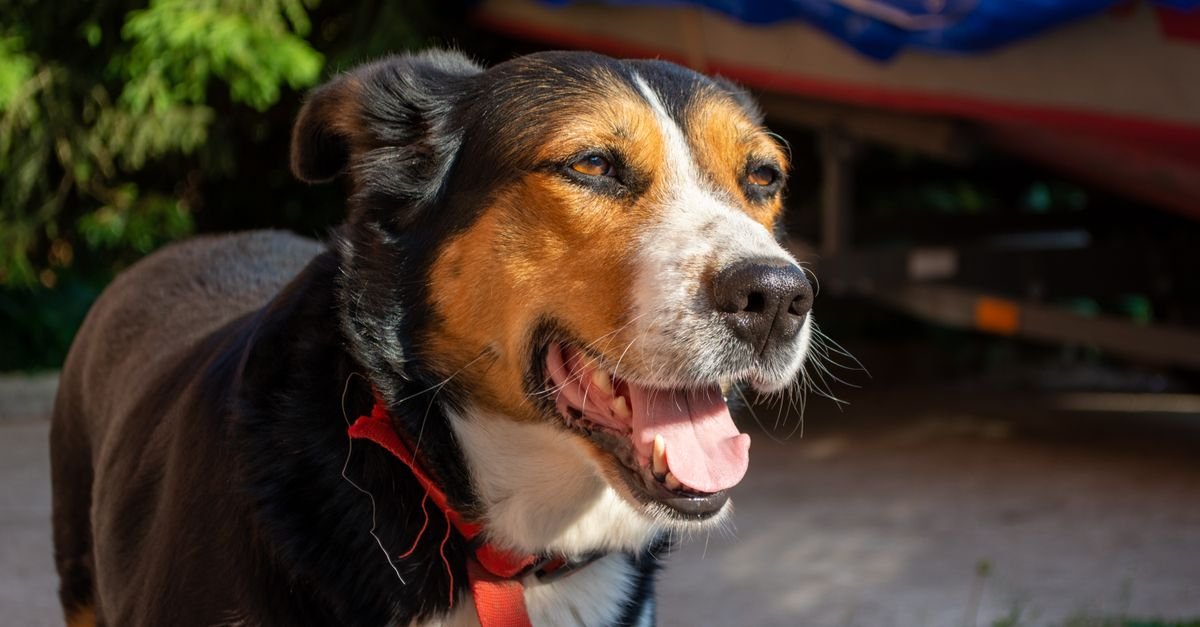
The most urgent cause of heavy panting is heatstroke, which can be life-threatening.
Warning signs include frantic, non-stop panting, heavy drooling, bright red gums, weakness, vomiting, confusion or collapse — often after heat, exercise or being left somewhere warm.
If you suspect heatstroke, move your dog to shade or air conditioning, offer small sips of cool water, wet them with cool (not ice-cold) water, and get to a vet immediately. Never leave a dog in a parked car, even briefly.
Prevention matters most: avoid midday heat, always provide water and shade, and use cooling gear on hot days — a pet cooling mat or a dog cooling vest can help.
Panting from anxiety or stress
Panting isn’t only physical — it’s often emotional.
Many dogs pant when anxious or afraid, such as during storms, fireworks, travel or separation. You’ll usually see other stress signs too, like pacing, whining, trembling or clinginess.
Reducing the trigger and creating a calm, safe space helps. For fearful dogs, see our guide to the best calming aids for anxious dogs.
Panting and pain
Dogs hide pain well, and panting can be one of the few outward clues.
If your dog pants at odd times — at rest, at night, or without any heat or exercise — and seems otherwise off, pain could be the reason. Look for limping, reluctance to move, or sensitivity when touched.
Learn the subtle signals in our guide on how to tell if your dog is in pain, and see your vet if you suspect it.
Could it be a health condition?
Persistent or unexplained panting can be linked to underlying illness.
Heart and lung problems, hormonal conditions like Cushing’s disease, anemia, and other issues can all cause increased panting. These need a proper veterinary diagnosis — you can’t tell them apart at home.
That’s why unexplained, ongoing panting always warrants a vet check rather than guesswork. It often overlaps with other signs of illness in pets.
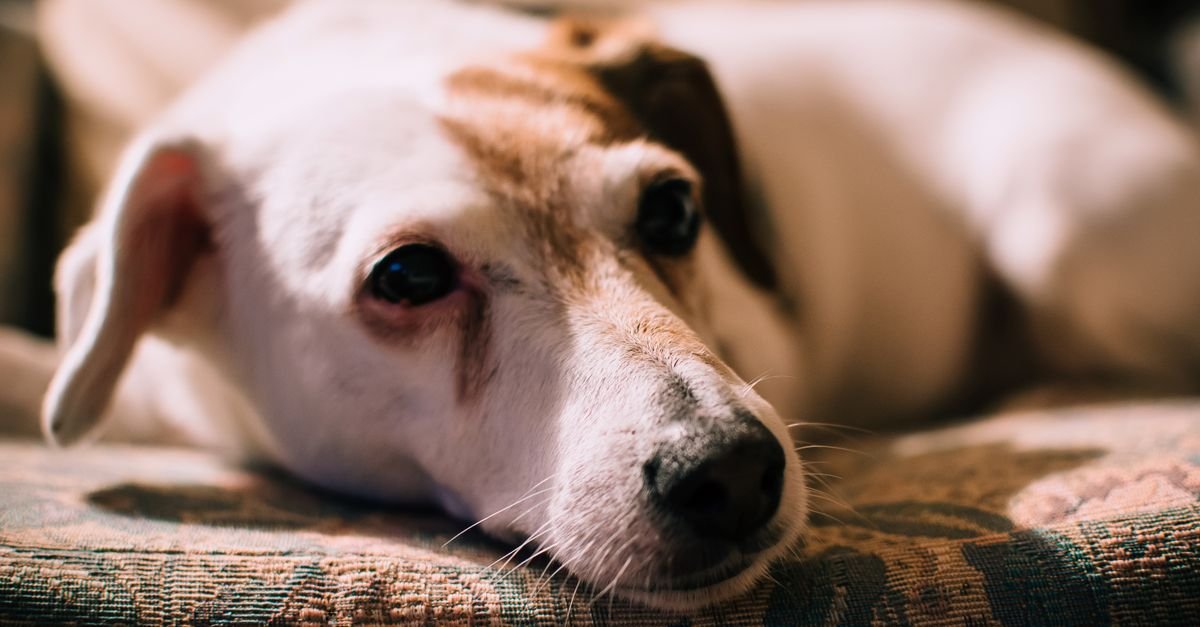
Why is my dog panting at night?
Night-time panting can be unsettling because it seems to come from nowhere.
Possible reasons include a too-warm room, anxiety, pain that’s more noticeable at rest, or an underlying condition. In older dogs, it can also relate to age-related changes.
If your dog regularly pants at night without heat or a clear cause, mention it to your vet — resting panting is more likely to be significant.
Why is my senior dog panting more?
Older dogs often pant more than they used to, and it’s worth paying attention to.
Age can bring pain from arthritis, reduced heart or lung efficiency, cognitive changes, and other conditions — all of which can increase panting. It shouldn’t simply be dismissed as “getting old.”
Regular check-ups help catch issues early; see our senior dog care guide for more.
Panting vs labored breathing: know the difference
Normal panting is open-mouthed, rhythmic and relatively effortless. The dog looks relaxed apart from the fast breathing.
Labored breathing is different and more serious. Watch for breathing that heaves the whole chest or belly, flared nostrils, a hunched posture, pale or bluish gums, or noisy, strained breaths.
If your dog seems to struggle to breathe rather than simply pant, treat it as an emergency and get to a vet right away.
Do some dog breeds pant more than others?
Yes — flat-faced (brachycephalic) breeds like Bulldogs, Pugs, Boxers and Shih Tzus pant more and overheat more easily. Their short airways make cooling less efficient.
These dogs need extra care in warm weather and during exercise, since they’re at higher risk of heat problems. Keep sessions short, provide shade and water, and avoid the hottest part of the day.
Large, thick-coated and overweight dogs can also pant more and struggle with heat.
Panting after medication or surgery
Sometimes panting has a simple, recent explanation.
Certain medications — steroids in particular — commonly increase panting, and dogs often pant more for a day or two after anesthesia or surgery as they recover.
If your dog is on a new medication or just had a procedure, ask your vet what’s normal so you know what to expect and when to be concerned.
Panting in pregnant or nursing dogs
In an expecting dog, panting can be part of the picture too.
Increased panting can appear late in pregnancy and is one of the signs that labor may be near. Nursing mothers also tend to pant more as their bodies work harder.
If you have a pregnant dog, work closely with your vet so you know which signs are normal and which need attention.
Normal vs concerning panting: a quick check
Use this simple gut-check.
Probably normal: follows heat, exercise or excitement; your dog looks relaxed; it settles with rest and water.
Worth a vet call: starts suddenly at rest; is heavy or effortful; won’t settle; or comes with drooling, pale gums, vomiting, weakness or distress.
What should you do about excessive panting?
If your dog is panting more than normal, start with the basics.
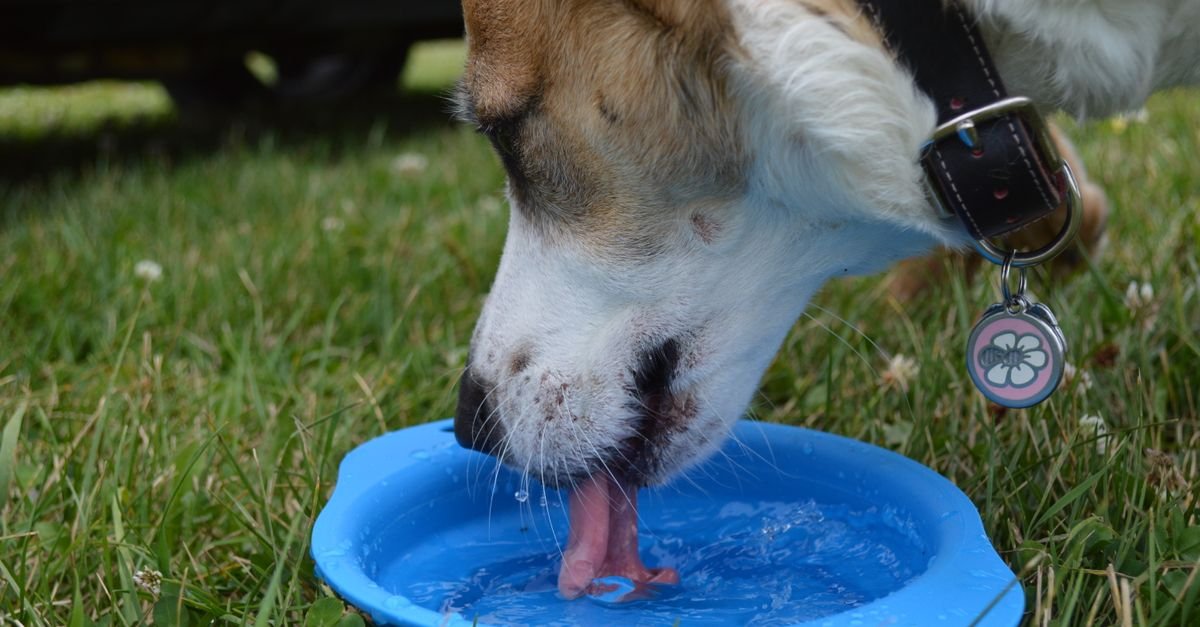
- Cool them down. Move to shade or AC and offer water.
- Let them rest. Give normal exertion panting time to settle.
- Reduce stress. Remove the trigger and provide a calm space.
- Check for other signs. Note any vomiting, limping, gum color or lethargy.
- Call the vet if it’s severe, sudden, or doesn’t improve.
Making sure your dog is well hydrated helps too — see how much water a dog should drink a day.
When to see the vet
Some panting can’t wait.
Contact your vet promptly — or seek emergency care — if the panting is sudden and severe, happens at rest for no reason, seems to take effort, or comes with drooling, blue or pale gums, collapse, vomiting or distress. Suspected heatstroke is always an emergency.
This article is general information, not veterinary advice. When in doubt about your dog’s breathing, contact your vet right away.
Frequently Asked Questions
Is it normal for dogs to pant a lot?
Some panting is normal — dogs pant to cool down after heat, exercise or excitement, and it settles with rest. Panting a lot for no clear reason, at rest, or with other symptoms is not normal and should be checked by a vet.
Why is my dog panting when it’s not hot?
Panting without heat can be caused by anxiety, pain, excitement, medication or an underlying health condition. If there’s no obvious trigger like exercise or excitement, and it continues, have your vet examine your dog.
When should I worry about my dog panting?
Worry if the panting is sudden, heavy, constant, happens at rest, seems to take effort, or comes with drooling, pale or blue gums, weakness, vomiting or collapse. These can signal heatstroke, pain or illness and need prompt veterinary care.
Why is my dog panting and restless at night?
Night-time panting and restlessness can stem from a warm room, anxiety, pain that’s worse at rest, or a health condition — and it’s more common in senior dogs. If it happens regularly, ask your vet to check for an underlying cause.
How can I help a panting dog cool down?
Move your dog to shade or air conditioning, offer small amounts of cool water, and wet them with cool (not ice-cold) water. A cooling mat or vest helps on hot days. If panting is frantic or your dog seems distressed, treat it as a heatstroke emergency and get to a vet.
Why is my dog panting and shaking?
Panting with shaking or trembling often points to anxiety, pain, cold or feeling unwell. If there’s no obvious cause like fear or excitement, or it continues, have your vet check your dog, since it can signal pain or illness.
Can anxiety cause a dog to pant?
Yes. Stress and fear — from storms, fireworks, travel or separation — commonly cause panting, usually alongside pacing, whining or trembling. Reducing the trigger, creating a calm space and calming aids can help; ask your vet about severe anxiety.
The bottom line
Panting is usually your dog’s healthy way of cooling down — normal after heat, exercise or excitement.
The time to act is when panting is sudden, heavy, happens at rest, or comes with other symptoms — and heatstroke is always an emergency.
When in doubt, trust your instincts and call your vet. For more, see our guide to the most common signs of illness in pets.

Hello! I'm Khan Hisham, a dedicated student with a profound passion for enhancing the lives of pets through comprehensive care. At Pawspera, our mission—"Prospering Pets, Every Day"—drives everything we do. We are committed to providing the latest insights, tips, and products that ensure your pet's health and happiness. Join us at Pawspera as we explore innovative ways to care for our furry friends with love and dedication.